

Before and After Gastric Sleeve Surgery: Realistic Weight Loss Results

Most weight loss after gastric sleeve surgery happens gradually over the first 12 to 24 months. Results depend on starting weight, eating habits, activity, and how well follow-up guidance is followed.
Key Takeaways
- Most weight loss after gastric sleeve surgery happens gradually over the first 12 to 24 months.
- Results depend on starting weight, eating habits, activity, and how well follow-up guidance is followed.
- The surgery reduces stomach size, helping many people feel full sooner and eat smaller portions.
- Loose skin, plateaus, and temporary side effects can be part of the recovery process.
- Long-term success is usually best supported by nutrition counseling, physical activity, and routine medical checks.
Gastric sleeve surgery can support significant, steady weight loss when it is paired with long-term dietary changes and medical follow-up. Results vary from person to person, and the healthiest expectations focus on improved habits, better mobility, and gradual progress rather than rapid transformation.
Overview
Gastric sleeve surgery, also called sleeve gastrectomy, is a bariatric procedure that reduces the size of the stomach so a person feels full after eating much smaller amounts. It is often recommended for people living with obesity who have not achieved lasting results with lifestyle measures alone and who are ready for long-term follow-up care.
When people search for “before and after gastric sleeve surgery,” they are usually trying to understand how much weight loss is realistic, what body changes may happen, and how recovery feels. The most helpful answer is that the procedure can support substantial weight loss, but the outcome is not identical for everyone. A careful plan before surgery and steady habits after surgery strongly influence the final result. More information about the procedure itself can be found through sleeve gastrectomy and gastric sleeve surgery.
The surgery does not work as a stand-alone fix. It is best understood as one part of a structured treatment plan that includes nutrition guidance, movement, emotional support, and regular medical monitoring. For many patients, the broader goal is not only lower weight but also better blood sugar control, easier movement, and an improved quality of life.
What Weight Loss Results Are Realistic?
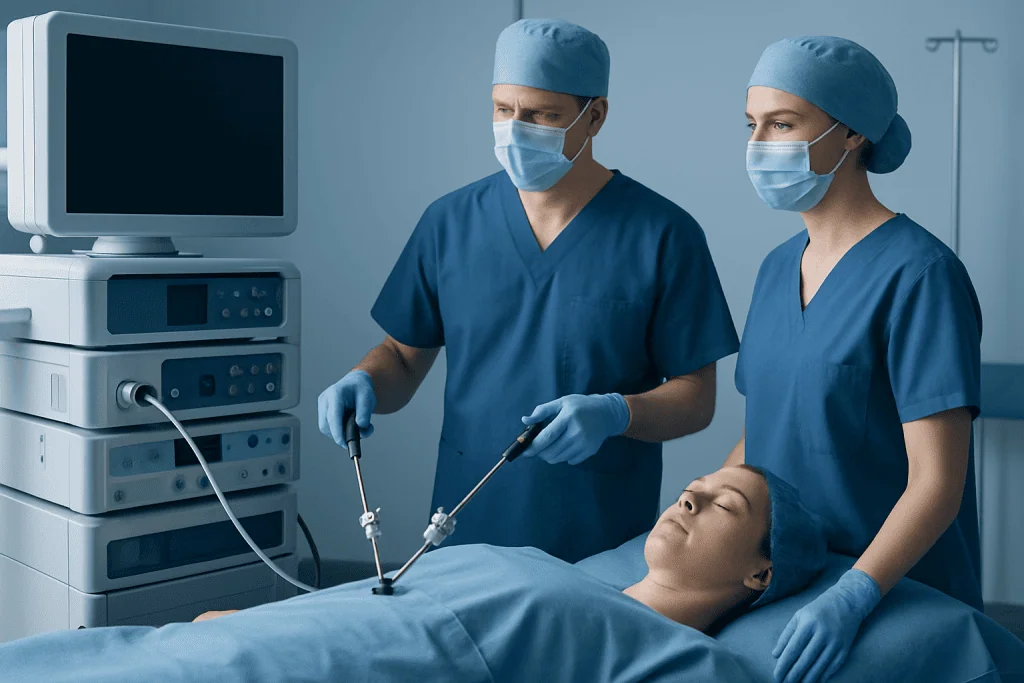
Weight loss after gastric sleeve surgery is typically most noticeable during the first several months, then continues at a slower pace as the body adjusts. Many people lose weight steadily for about 12 to 18 months, and some continue to see changes for up to two years. The exact amount varies widely because every person begins with a different body weight, health status, metabolism, and ability to follow the aftercare plan.
It is more realistic to think in terms of trends than in terms of a single ideal number. Some people experience rapid early losses, while others lose more gradually. A plateau does not necessarily mean the surgery has failed; it often means the body has adapted and the eating and activity plan may need fine-tuning. These changes are discussed in more detail in broader bariatric surgery planning and the wider context of obesity treatment.
Before-and-after expectations should also include changes beyond the scale. Many patients notice smaller waist measurements, easier walking, less joint strain, and a better sense of control around food. At the same time, loose skin can occur after major weight loss, especially if weight is lost quickly or if starting weight was high.
Symptoms and Body Changes People May Notice
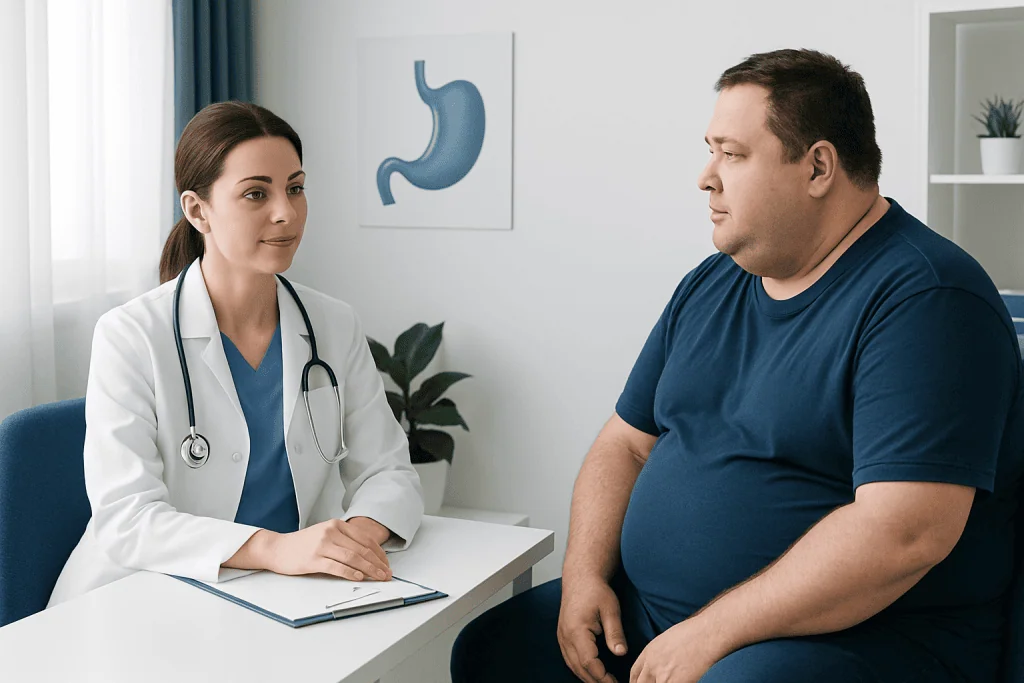
After surgery, the body goes through a recovery period that can include temporary symptoms such as soreness around the incision sites, fatigue, nausea, or trouble tolerating full meals. These are common early experiences and usually improve with time and careful adherence to the eating plan. Small, frequent meals and slow eating are often recommended during the transition back to normal nutrition.
As weight decreases, many people notice practical changes in daily life. Clothes may fit differently, movement may feel easier, and activities such as climbing stairs or walking longer distances can become less tiring. Some patients also report improvements in self-confidence, sleep quality, and energy levels, though emotional adjustment can take time as the body and routine change together.
Not all changes are purely positive or immediate. Hair shedding can occur after weight loss surgery, often related to temporary nutritional stress, and some people struggle with feeling cold or with constipation as eating patterns shift. These issues are often manageable with proper support from the care team.
Causes & Risk Factors That Affect Results
The surgery works by reducing stomach size, but weight-loss results are also shaped by biological and behavioral factors. Starting body weight, age, hormone patterns, underlying conditions such as diabetes, and previous weight-loss attempts can all influence how the body responds. In addition, the stomach’s reduced capacity makes portion control easier, but it does not remove the need for healthy food choices.
Post-surgery habits are especially important. People who sip high-calorie drinks, snack frequently, or return too quickly to old eating patterns may lose less weight or regain some weight later. Skipping follow-up appointments, not taking recommended vitamins, or avoiding physical activity can also make results less predictable.
Support at home and access to nutrition guidance can make a meaningful difference. Patients who plan meals ahead, recognize emotional triggers for eating, and build a routine around movement often maintain results better over time. In some cases, surgeons may also discuss whether another procedure or a different approach would be more suitable, such as gastric bypass or gastric laparoscopic surgery depending on the person’s needs and medical profile.
Diagnosis and Pre-Surgery Evaluation
Before gastric sleeve surgery, the care team performs a detailed evaluation to confirm that the procedure is appropriate and to reduce risks. This assessment usually includes a review of medical history, current medications, eating patterns, weight history, and any conditions related to obesity such as high blood pressure, sleep apnea, or type 2 diabetes.
Patients may also undergo blood tests, imaging, heart or lung checks, and consultations with nutrition and mental health specialists. These steps help the team understand whether the person is ready for surgery and what support may be needed afterward. A laparoscopic approach is often discussed because it may involve smaller incisions and a structured recovery pathway, as seen in gastric laparoscopic surgery.
Pre-surgery education is just as important as the tests themselves. Patients are usually taught how eating will change after the operation, what warning symptoms to watch for, and how to use protein, fluids, and vitamins to support healing. Careful preparation helps set realistic expectations for the before-and-after journey.
Treatment Options and Recovery Support
Gastric sleeve surgery is only one part of treatment. The operation is usually followed by a staged diet, beginning with liquids and gradually moving to softer and then regular foods under medical guidance. This gradual approach protects healing tissues and helps the stomach adapt to smaller portions.
Recovery support often includes nutrition counseling, activity goals, vitamin and mineral supplementation, and scheduled follow-up visits. Some patients benefit from a bariatric program that also offers psychological support, because emotional eating patterns, stress, and body-image changes can affect long-term results. In selected cases, non-surgical or alternative bariatric approaches such as gastric balloon or stomach reduction without surgery may be discussed, especially when surgery is not the preferred first step.
The best outcomes usually come from treating the whole person rather than only the stomach. That means reviewing nutrition, sleep, movement, medications, and goals on a regular basis. For international patients, Acibadem International’s multidisciplinary specialists and JCI-accredited hospitals diagnose and treat this condition with coordinated care.
Prevention & Self-care
After surgery, self-care is centered on protecting weight-loss progress and supporting healing. Eating slowly, chewing thoroughly, following portion limits, and separating food from beverages are common habits that help many people feel comfortable and satisfied. Protein intake is usually emphasized because it supports recovery and helps preserve muscle while weight is being lost.
Regular physical activity is also important, but it should be increased gradually and in line with the surgeon’s advice. Even gentle walking can help reduce stiffness, improve energy, and build a routine. Long-term success is often stronger when movement becomes part of everyday life rather than something done only to “make up” for eating.
Self-care also includes taking prescribed supplements, attending follow-up appointments, and paying attention to body signals. If weight loss slows, the next step is usually not self-blame; it is a review of eating habits, protein intake, fluid intake, sleep, and emotional stress with the care team.
When to See a Doctor
Patients should contact their surgical team if they have persistent vomiting, worsening abdominal pain, trouble drinking enough fluids, signs of dehydration, fever, or any symptom that feels unusual after surgery. These concerns deserve timely medical review, especially in the early recovery period.
Follow-up is also important if weight loss stalls for a long time, if weight begins to return, or if eating feels difficult in ways that limit nutrition. A doctor or bariatric dietitian can check for nutritional gaps, portion issues, medication interactions, or other factors that may need adjustment.
It is also appropriate to ask for help with emotional changes, body-image concerns, or frustration about slower-than-expected progress. Gastric sleeve surgery is a long-term treatment journey, and patients do best when they stay connected to a qualified team throughout the process.
Frequently asked questions
How much weight do people usually lose after gastric sleeve surgery?
The amount varies, but weight loss is usually gradual and most noticeable over the first 12 to 24 months. Results depend on starting weight, eating habits, physical activity, and follow-up care. The surgery supports weight loss, but long-term habits strongly shape the final outcome.
What does the before-and-after timeline look like?
Many people notice the fastest change during the first few months after surgery, followed by slower, steadier loss. Some continue losing weight for up to two years. Plateaus are common and do not automatically mean the surgery has stopped working.
Will loose skin happen after gastric sleeve surgery?
Loose skin can happen after significant weight loss, especially when the body changes quickly or the starting weight was higher. Not everyone will notice it to the same degree. A care team can discuss practical ways to manage skin comfort and body-image concerns.
Can weight come back after gastric sleeve surgery?
Some weight regain can happen over time, particularly if eating patterns return to previous habits or follow-up care is skipped. That is why the surgery is paired with nutrition guidance, activity, and monitoring. Early support can often help address setbacks before they become larger problems.
What should someone eat after surgery?
Eating usually begins with a staged plan that moves from liquids to soft foods and then to more regular textures. Small portions, slow eating, and protein-focused meals are commonly recommended. The surgeon or dietitian will give the safest plan for each recovery stage.
Is gastric sleeve surgery better than other weight-loss procedures?
There is no single best procedure for everyone. The right option depends on health conditions, weight-loss goals, and medical history. A bariatric specialist can explain whether gastric sleeve surgery or another approach is more suitable.
References
- World Health Organization
- American Society for Metabolic and Bariatric Surgery
- National Institute of Diabetes and Digestive and Kidney Diseases
- Mayo Clinic
This article is for general information only and is not a substitute for professional medical advice. Please consult a qualified doctor about your individual situation.
Gastric Sleeve Surgery in Turkey — costs, top hospitals & a free quote
JCI-accredited · board-certified surgeons · reply within 24h
Add us as a Preferred Source to see more of our trusted health content across Google Search, AI Overviews and Discover.
Check your numbers in seconds
BMI, calories, due date, blood pressure and 30+ more clinical calculators — free, instant, doctor-reviewed ranges.

Bariatric & Metabolic Surgery
Surgical and endoscopic treatments for obesity and metabolic conditions.
Related Treatments
Related Conditions
More from the Health Library



Related Specialists
Prof. Dr. Tayfun Karahasanoğlu
General Surgery
Prof. Dr. Güralp Onur Ceyhan
General Surgery
Prof. Dr. Volkan Özben
General Surgery
Assoc. Prof. Dr. Halil Kara
General Surgery