Belly in 3 Months Pregnant: What Is Normal, What Is Not, and When to Seek Care

At 3 months pregnant, many people have only a small bump or mostly bloating rather than a clearly visible baby bump. Body shape, muscle tone, prior pregnancies, and bowel gas or constipation can all affect how the abdomen looks.
Key Takeaways
- At 3 months pregnant, many people have only a small bump or mostly bloating rather than a clearly visible baby bump.
- Body shape, muscle tone, prior pregnancies, and bowel gas or constipation can all affect how the abdomen looks.
- Mild cramping, breast changes, and abdominal fullness are often normal in early pregnancy.
- Heavy bleeding, severe abdominal pain, one-sided pelvic pain, fever, or fainting are not normal and need medical attention.
- Routine prenatal visits and ultrasound help confirm that early pregnancy is developing as expected.
A belly in 3 months pregnant can be flat, mildly rounded, or more visibly showing depending on body shape, bloating, and whether this is a first or later pregnancy. Most changes at this stage are normal, but strong pain, heavy bleeding, dizziness, or one-sided pain should be assessed promptly.
Overview: What a Belly in 3 Months Pregnant Usually Looks Like
A belly in 3 months pregnant does not have one standard appearance. At around 12 weeks, some people still look much the same as before pregnancy, while others notice a slightly rounded lower abdomen or a firmer feeling above the pelvis. In many cases, what looks like an early bump is partly related to bloating, slowed digestion, and natural changes in posture rather than the size of the uterus alone.
By the end of the first trimester, the uterus has grown and may begin to rise above the pelvic area. Even so, a clearly visible bump may still be subtle, especially in a first pregnancy. Those who have been pregnant before may show a little sooner because the abdominal wall and uterine tissues have already stretched before.
It is also normal for the belly to look different at different times of day. Many people feel flatter in the morning and fuller by evening due to gas, constipation, or fluid shifts. A changing day-to-day appearance usually does not mean anything is wrong.
If there are no warning symptoms, a small belly, a larger-looking belly, or no obvious bump at all at 3 months can all fall within the normal range. Prenatal checkups are the best way to confirm that the pregnancy is progressing well.
What Is Normal at 3 Months Pregnant
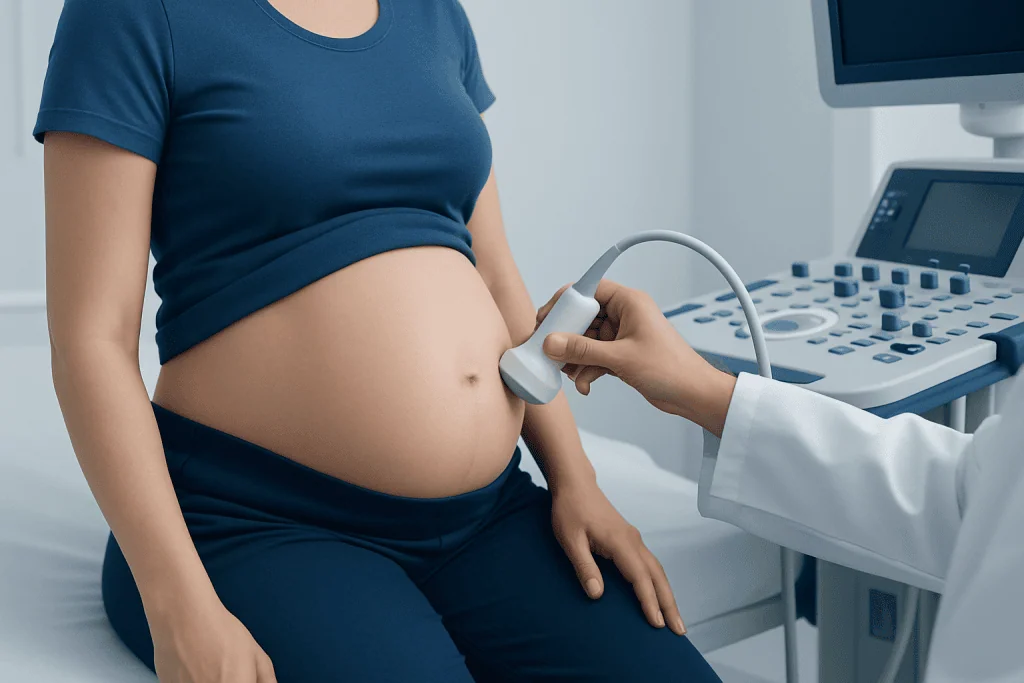
Normal abdominal changes at this stage often include mild fullness in the lower abdomen, a feeling of tightness in clothing, and bloating after meals. Hormonal changes relax the digestive tract, which can slow movement in the intestines and increase gas. This can make the abdomen appear more prominent, even before a true baby bump becomes obvious.
It is also common to notice other first-trimester symptoms along with changes in belly shape. These may include nausea, breast tenderness, fatigue, frequent urination, food aversions, and mild cramping. Gentle stretching sensations can happen as the uterus grows and nearby ligaments begin to adapt.
Many people compare their bodies to friends, relatives, or images online and worry if they do not look the same. In reality, there is a wide range of normal. Height, torso length, abdominal muscle tone, weight before pregnancy, and whether the bladder or bowels are full can all influence how the belly appears.
- A flat or barely changed abdomen can be normal.
- A small lower-belly bump can be normal.
- Bloating that comes and goes can be normal.
- Mild, brief cramping without heavy bleeding can be normal.
Why Some People Show Earlier or Later

Several factors affect when pregnancy starts to show. In a first pregnancy, the abdominal muscles are often tighter, so the uterus may remain less visible from the outside for longer. In later pregnancies, the belly may become noticeable earlier because the muscles and tissues have already stretched before.
Body build also matters. A shorter torso may make the growing uterus appear more obvious sooner, while a longer torso may allow it to rise with less outward change at first. People with stronger core muscles may appear smaller early on, while others may notice a more visible rounding sooner.
Bloating is another major reason the abdomen may seem larger at 3 months. Progesterone slows digestion, and constipation can add to a full or swollen feeling. This is one reason the belly can look more pronounced in the evening than in the morning.
Less commonly, early abdominal enlargement can relate to factors such as twins or a difference between expected and actual gestational age. These possibilities are usually clarified through prenatal assessment and ultrasound rather than by appearance alone.
What Is Not Normal
Most early pregnancy belly changes are harmless, but some symptoms are not considered normal and should not be ignored. Severe or persistent abdominal pain, especially if it is one-sided, can signal a problem that needs urgent evaluation. Heavy vaginal bleeding, passing large clots, fainting, shoulder pain, or severe dizziness also require prompt medical attention.
A suddenly swollen, very tender abdomen is not a typical sign of a normal 3-month pregnancy. Fever, painful urination, or ongoing vomiting with inability to keep fluids down may point to infection or significant dehydration. These issues need medical review rather than home observation alone.
People sometimes assume that a small belly means the pregnancy is not developing well, or that a larger belly means something is wrong. Belly size by itself is not a reliable way to judge pregnancy health. However, concerning symptoms should be assessed to rule out conditions such as ectopic pregnancy or early pregnancy loss.
If abdominal changes are accompanied by significant pain, unusual discharge, or bleeding, a clinician may recommend examination, blood tests, and ultrasound. Early evaluation can clarify the cause and guide safe treatment if needed.
How Doctors Evaluate Early Pregnancy Belly Concerns
When a person is worried about a belly in 3 months pregnant, doctors begin with symptoms rather than appearance alone. They ask about the date of the last menstrual period, the amount of bleeding, the location of pain, prior pregnancies, and symptoms such as nausea, fainting, fever, or urinary discomfort. This history helps identify whether the changes are likely normal or need further testing.
A physical examination may include checking the abdomen and pelvis if appropriate. The clinician may also review weight, blood pressure, and hydration status. If there is pain or bleeding, blood tests and urine tests can help look for anemia, infection, or other causes of symptoms.
Ultrasound is often the most useful test in early pregnancy. It can confirm the location of the pregnancy, assess gestational age, and check fetal heartbeat when expected. If symptoms suggest a possible complication, a clinician may discuss ultrasound evaluation and follow-up care based on the findings.
Routine prenatal care remains important even when there are no warning signs. It helps monitor growth, identify common issues early, and answer questions about symptoms that may feel unfamiliar but are often normal during the first trimester.
Self-Care for Bloating, Fullness, and Mild Discomfort
For many people, the main issue at 3 months is not the uterus itself but bloating and digestive slowdown. Gentle self-care can help. Eating smaller meals, drinking enough water, and including fiber-rich foods may reduce constipation and abdominal fullness. Light walking, if approved by a clinician, can also support digestion.
Clothing choices can make a noticeable difference in comfort. Soft waistbands, looser trousers, and supportive undergarments may help when the lower abdomen feels tender or tight. Rest can also ease the sense of pressure that builds up later in the day.
It is best to avoid taking medicines or supplements for bloating, constipation, or pain without checking that they are safe in pregnancy. A clinician can advise which options are appropriate. If symptoms become more frequent or more intense, they should be reassessed rather than repeatedly self-treated.
Some people with ongoing pelvic or abdominal concerns may eventually need care from specialists in obstetrics and gynecology. In international settings, Acibadem International’s multidisciplinary specialists and JCI-accredited hospitals evaluate and treat pregnancy-related conditions for patients who need coordinated care.
When to Seek Medical Care
Medical advice should be sought promptly if there is heavy bleeding, severe cramping, strong one-sided pain, fainting, fever, or pain in the shoulder tip. These symptoms can occur with urgent conditions and should not be explained away as routine early pregnancy discomfort. Sudden worsening matters more than belly size alone.
Care is also important if vomiting prevents fluids from staying down, if there is burning with urination, or if the abdomen becomes very tender. If there is uncertainty about whether symptoms are serious, it is safer to call a maternity provider or seek urgent assessment.
Even without emergency symptoms, a person should contact a clinician if they are worried that pregnancy symptoms have changed suddenly, if bloating is severe and persistent, or if they have not yet had a prenatal visit. Evaluation may include lab testing, examination, and if needed pregnancy follow-up to monitor progress.
People with previous miscarriage, ectopic pregnancy, or fertility treatment may be advised to have earlier or closer follow-up. Timely review helps confirm the pregnancy is in the right location and developing as expected.
The Bottom Line on a 3-Month Pregnant Belly
A belly in 3 months pregnant may be barely visible, softly rounded, or noticeably bloated. All of these can be normal, and external appearance alone does not show whether a pregnancy is healthy. What matters most is how the person feels, whether warning symptoms are present, and what prenatal assessment shows.
Reassurance often comes from understanding that the first trimester brings hormonal, digestive, and physical changes that do not look the same for everyone. Comparing bump size with others usually creates confusion rather than useful information. A person can look very different from someone else at the same week of pregnancy and still be within the normal range.
If concerns arise, early conversation with a qualified healthcare professional is the safest next step. Questions about pain, bleeding, bloating, or how quickly the belly is changing are all valid reasons to seek advice and receive individualized care.
For readers exploring related complications, it may also help to learn about miscarriage and other early pregnancy conditions that can share symptoms such as pain or bleeding. Reliable medical guidance is the best way to separate normal body changes from signs that need treatment.
Frequently asked questions
Is it normal to have no bump at 3 months pregnant?
Yes. At 3 months pregnant, many people do not yet have a clearly visible bump, especially in a first pregnancy. The uterus is growing, but the outer body shape may still look much the same.
Why does my belly look bigger at night during early pregnancy?
This is commonly due to bloating, gas, and constipation rather than sudden changes in the pregnancy itself. Hormones can slow digestion, making the abdomen feel fuller as the day goes on.
Can a large-looking belly at 12 weeks mean twins?
It can be one possible reason, but appearance alone cannot confirm twins. Bloating, body shape, and differences in dating are much more common explanations, so ultrasound is needed for an accurate answer.
What kind of abdominal pain is normal in early pregnancy?
Mild, brief cramping or stretching sensations can happen as the uterus grows. Severe pain, persistent pain, one-sided pain, or pain with bleeding is not considered normal and should be assessed promptly.
Should a 3-month pregnant belly feel hard?
Some firmness or fullness in the lower abdomen can be normal, especially as the uterus grows and bloating increases. However, a very tender, rigid, or suddenly swollen abdomen should be checked by a doctor.
When should someone call a doctor about their early pregnancy belly?
A doctor should be contacted for heavy bleeding, severe cramps, one-sided pelvic pain, fainting, fever, painful urination, or repeated vomiting. Medical advice is also appropriate any time there is uncertainty or concern, even if symptoms seem mild.
References
- American College of Obstetricians and Gynecologists
- National Institute for Health and Care Excellence
- Mayo Clinic
- National Health Service
- World Health Organization
This article is for general information only and is not a substitute for professional medical advice. Please consult a qualified doctor about your individual situation.
Persistent digestive symptoms? Get evaluated in Turkey
JCI-accredited · board-certified surgeons · reply within 24h
Add us as a Preferred Source to see more of our trusted health content across Google Search, AI Overviews and Discover.