Bile Duct: What Patients Need to Know

The bile duct carries bile from the liver and gallbladder to the small intestine. Common bile duct problems include blockage, inflammation, narrowing, stones, and rarely tumors.
Key Takeaways
- The bile duct carries bile from the liver and gallbladder to the small intestine.
- Common bile duct problems include blockage, inflammation, narrowing, stones, and rarely tumors.
- Symptoms may include jaundice, right upper abdominal pain, dark urine, pale stools, itching, fever, or nausea.
- Diagnosis often involves blood tests and imaging such as ultrasound, MRCP, CT, or ERCP.
- Treatment depends on the cause and may include antibiotics, endoscopic procedures, stone removal, stents, or surgery.
- Prompt medical care is important if jaundice, fever, severe pain, or signs of infection occur.
The bile duct is a small but important passage that carries bile from the liver and gallbladder to the small intestine to help digest fats. When the bile duct becomes blocked, inflamed, narrowed, or injured, it can cause symptoms such as jaundice, abdominal pain, dark urine, pale stools, and sometimes infection.
Overview: what the bile duct does
The bile duct is part of the body’s biliary system, which includes the liver, gallbladder, and a network of small tubes that transport bile. Bile is a digestive fluid made by the liver. It helps the body break down fats and also carries certain waste products out of the liver.
Small ducts inside the liver join together to form larger ducts. These connect to the common hepatic duct and, with the gallbladder’s cystic duct, form the common bile duct. This main channel carries bile into the first part of the small intestine, where it supports digestion after meals.
Although the bile duct is narrow, it has an important role in everyday health. If bile cannot flow normally, it may build up in the liver or become trapped behind a blockage. This can lead to pain, jaundice, itching, digestive symptoms, and in some cases serious infection.
Patients often hear the term “bile duct problem” as a general description. In practice, doctors look for the exact cause, such as a stone, inflammation, scar tissue, injury, or a growth pressing on the duct. Knowing the cause is what guides the most appropriate treatment.
Common bile duct problems and symptoms
Bile duct conditions do not all feel the same. Some develop gradually and cause mild symptoms at first, while others start suddenly and need urgent attention. A partial blockage may cause intermittent discomfort, whereas a complete blockage can lead to more obvious jaundice and illness.
Common symptoms of a bile duct problem may include yellowing of the skin or eyes, pain in the upper right or middle abdomen, nausea, vomiting, bloating, itching, dark urine, and pale or clay-colored stools. Some people also notice fatigue or poor appetite. If infection develops, fever and chills may occur.
Symptoms sometimes overlap with other digestive conditions, including gallstones and gallbladder inflammation. Because of this, doctors usually assess the whole biliary system rather than looking at the duct in isolation. The pattern of symptoms, physical examination, blood tests, and imaging together help identify the source of the problem.
- Jaundice: yellowing caused by bilirubin building up in the blood
- Dark urine: urine becomes tea-colored or brownish
- Pale stools: less bile reaches the intestine
- Itching: bile salts can collect in the bloodstream
- Fever with pain: may suggest an infected blockage and needs urgent review
Causes and risk factors

The most common reason for bile duct blockage is a gallstone that moves from the gallbladder into the common bile duct. These are called bile duct stones or choledocholithiasis. Even a small stone can block bile flow because the duct is narrow. Stones may also trigger inflammation or infection.
Other causes include inflammation of the bile ducts, scarring after surgery, congenital narrowing, pancreatitis, and external compression from nearby structures. In some patients, a tumor in the pancreas, liver, gallbladder, or bile duct itself can narrow the duct. Conditions such as primary sclerosing cholangitis can also cause long-term inflammation and strictures.
Risk factors depend on the underlying cause. People with a history of gallstones, prior gallbladder surgery, recurrent biliary infections, liver disease, or pancreatitis may have a higher chance of bile duct complications. Older age can also increase risk for some obstructive causes, including narrowing and tumors.
It is important to remember that symptoms alone do not reveal the exact diagnosis. For example, pain after eating may suggest a gallbladder issue, but jaundice and dark urine can point more strongly toward obstruction in the bile duct. A careful medical assessment helps distinguish among these possibilities.
How doctors diagnose bile duct conditions
Diagnosis usually begins with a medical history and physical examination. Doctors ask when symptoms started, whether pain comes and goes, and whether there has been fever, yellowing of the eyes, recent weight loss, previous gallstones, or past abdominal surgery. Blood tests often check bilirubin, liver enzymes, and markers of infection or inflammation.
Imaging is central to finding where the problem is and what is causing it. An abdominal ultrasound is often the first test because it can show dilated ducts, gallstones, or gallbladder disease. Magnetic resonance cholangiopancreatography, known as MRCP, provides a detailed view of the bile ducts without the need for an invasive procedure. CT scans may also help identify surrounding inflammation or masses.
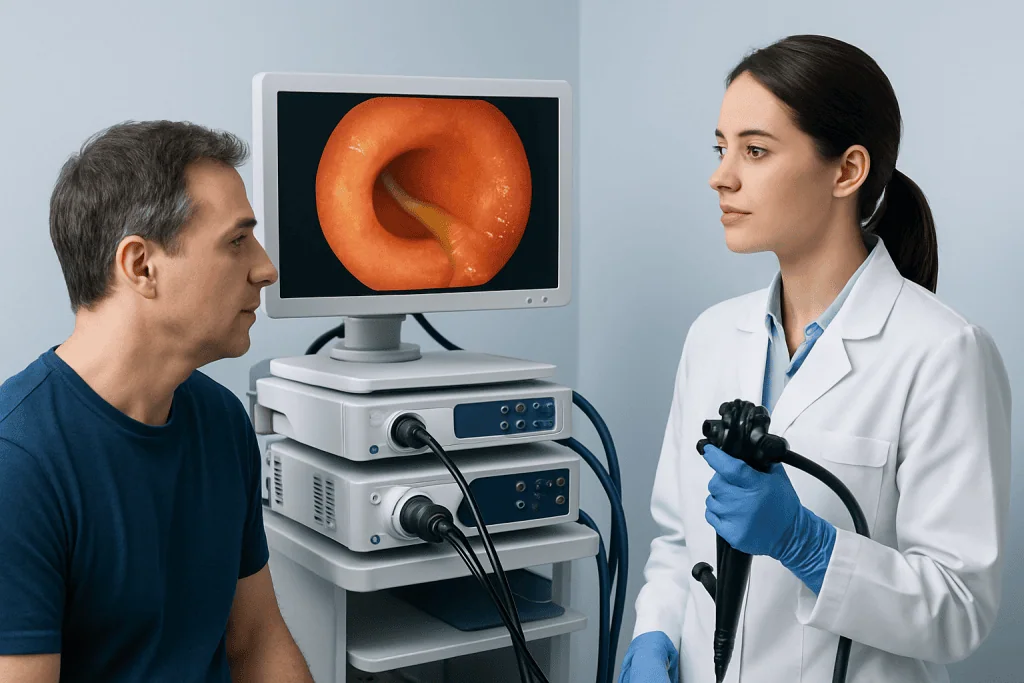
In some cases, doctors use endoscopic retrograde cholangiopancreatography, or ERCP. This procedure combines endoscopy and X-ray to look at the bile ducts, and it can also be used to treat certain problems during the same session. For example, ERCP may remove a stone, widen a narrowing, or place a stent to improve bile flow.
If a tumor or stricture is suspected, additional tests may include tissue sampling or further specialist evaluation. The goal is not only to confirm that the bile duct is abnormal, but also to define whether the condition is inflammatory, obstructive, infectious, or cancer-related, because treatment differs significantly.
Treatment options for bile duct problems
Treatment depends on the cause, the location of the problem, and whether there are complications such as infection. When a stone is blocking the duct, doctors often use ERCP to remove it and restore drainage. If the gallbladder is also the source of repeated stones, gallbladder surgery may be recommended after the immediate problem is managed.
If infection is present, treatment may include hospital care, fluids, antibiotics, and urgent drainage of the blocked bile duct. For inflammatory strictures or postoperative narrowing, doctors may use endoscopic balloon dilation or place a temporary stent. Some patients need repeat procedures to keep the duct open while healing occurs.
When imaging suggests a tumor or a complex narrowing, treatment planning may involve gastroenterology, hepatobiliary surgery, radiology, and oncology specialists. Depending on the diagnosis, patients may need additional procedures, surgery, or supportive care to maintain bile flow. In selected situations, liver transplant evaluation may be part of care for severe end-stage biliary or liver disease, though this is not needed for most bile duct problems.
Doctors also address symptoms and general health. Pain relief, nutritional support, and management of dehydration, itching, or nausea may all be important while the underlying cause is treated. Because self-treatment cannot remove an obstruction, persistent jaundice or fever should not be managed at home alone.
Prevention and self-care
Not all bile duct problems can be prevented, but some practical steps may reduce risk, especially when gallstones are involved. Maintaining a healthy weight, following a balanced eating pattern, and avoiding rapid weight loss may help lower the chance of forming gallstones. Managing diabetes and other metabolic conditions may also support overall digestive and liver health.
Patients who have already had biliary symptoms should follow up as advised, even if they feel better after the pain passes. Intermittent blockage can temporarily improve, but stones or narrowing may still remain. Ignoring recurring symptoms may allow inflammation or infection to become more serious later.
At home, supportive measures may include staying hydrated, eating lighter meals if nausea is present, and avoiding alcohol if the liver is inflamed or liver tests are abnormal. However, self-care is supportive only. It is not a substitute for medical assessment when symptoms suggest blocked bile flow.
People with known liver or biliary conditions benefit from regular monitoring with their clinician. Near the end of the care pathway, some international patients may seek multidisciplinary assessment; Acibadem International’s JCI-accredited hospitals evaluate and treat biliary conditions with teams that may include gastroenterologists, surgeons, radiologists, and liver specialists.
When to seek medical care
Medical advice should be sought promptly if symptoms suggest a possible bile duct problem, especially jaundice, dark urine, pale stools, unexplained itching, or abdominal pain that does not settle. These symptoms can have several causes, but they should be checked because impaired bile flow may affect the liver and digestive system.
Urgent medical care is important if there is fever, chills, confusion, severe right upper abdominal pain, persistent vomiting, or worsening jaundice. This combination can suggest an infection in a blocked bile duct, which may become serious if not treated quickly.
Patients should also seek review if they have repeated episodes of pain after meals, a history of gallstones, previous bile duct procedures, or abnormal liver blood tests. If there is concern about a related condition such as pancreatic cancer, specialist assessment is especially important because early evaluation helps guide the next steps.
A doctor can decide whether symptoms are likely to come from the bile duct, gallbladder, liver, pancreas, or another digestive organ. Early diagnosis often means simpler treatment and a lower risk of complications.
Frequently asked questions
What is the bile duct and why is it important?
The bile duct is a tube-like pathway that carries bile from the liver and gallbladder to the small intestine. Bile helps digest fats and removes certain waste products from the body. When the duct is blocked or inflamed, bile cannot flow normally, which can lead to jaundice, pain, and infection.
Can a bile duct blockage go away on its own?
Sometimes symptoms may improve temporarily if a small stone moves, but a true bile duct blockage should not be assumed to resolve safely without medical review. Ongoing or intermittent obstruction can still damage the liver or lead to infection. A doctor can determine whether treatment is needed.
Are bile duct problems the same as gallbladder problems?
Not exactly. The gallbladder stores bile, while the bile duct carries it to the intestine. The two are closely connected, and gallstones from the gallbladder are a common cause of bile duct blockage, but not all bile duct problems start in the gallbladder.
What tests are commonly used for bile duct symptoms?
Doctors often start with blood tests and an abdominal ultrasound. Depending on the findings, MRCP, CT, or ERCP may be used to look more closely at the bile ducts. ERCP can sometimes diagnose and treat the problem during the same procedure.
Is bile duct treatment always surgery?
No. Many bile duct problems are treated with endoscopic procedures such as ERCP rather than open surgery. Surgery may be needed for some strictures, injuries, recurrent stone problems, or tumors, but the treatment plan depends on the exact cause.
When is jaundice an emergency?
Jaundice should be assessed promptly, especially if it is new or worsening. It becomes more urgent when it is accompanied by fever, chills, severe abdominal pain, confusion, or vomiting. These signs can suggest a blocked and infected bile duct, which needs immediate medical care.
This article is for general information only and is not a substitute for professional medical advice. Please consult a qualified doctor about your individual situation.
Persistent digestive symptoms? Get evaluated in Turkey
JCI-accredited · board-certified surgeons · reply within 24h
Add us as a Preferred Source to see more of our trusted health content across Google Search, AI Overviews and Discover.

More from the Health Library

Dermis: What Patients Need to Know

Kick in the Testicles: An Evidence-Based Guide for Patients

Diaphragmatic Hernia: What Patients Need to Know

Renal Ultrasound: An Evidence-Based Guide for Patients

Neck Wrinkles: Causes, Prevention, and Treatment Options