Neck Wrinkles: Causes, Prevention, and Treatment Options

Neck wrinkles are a normal feature of skin aging and are not usually a health concern. Sun exposure, smoking, repeated neck movement, genetics and skin dryness can make neck lines more noticeable.
Key Takeaways
- Neck wrinkles are a normal feature of skin aging and are not usually a health concern.
- Sun exposure, smoking, repeated neck movement, genetics and skin dryness can make neck lines more noticeable.
- Sunscreen, moisturising, avoiding tobacco and maintaining a stable weight support healthier-looking neck skin.
- A dermatologist or qualified aesthetic physician can discuss topical, injectable, energy-based and surgical treatment options.
- A new, changing, bleeding or non-healing skin lesion should be assessed rather than assumed to be a wrinkle.
Neck wrinkles are common and usually develop as the skin gradually loses collagen, elastin and moisture while being exposed to sunlight and repeated movement. Daily sun protection, gentle skin care and healthy habits can help limit further changes, while medical treatments may soften established lines when appropriate.
Overview: What Are Neck Wrinkles?
Neck wrinkles are lines, folds or creases that develop on the skin of the neck. They are usually part of normal skin aging: over time, the skin becomes thinner and produces less collagen and elastin, the proteins that help it remain firm and flexible. Neck lines may be horizontal, often called necklace lines or rings, or vertical bands and folds that become more visible with facial expression or neck movement.
They can appear at different ages. Some people notice fine horizontal lines early in adulthood because of anatomy, genetics, sun exposure or frequent bending of the neck. Others develop more pronounced creasing, skin laxity or vertical muscle bands later in life. Although neck wrinkles may affect confidence or appearance concerns, they do not generally indicate illness.
The neck is often exposed to the same environmental stresses as the face but may receive less routine care. Its skin is relatively thin, and it has fewer oil glands than some facial areas, which can make dryness and texture changes more noticeable. A realistic approach combines protection from further damage with treatments selected according to the type of line, skin quality and individual goals.
Why Neck Lines Develop
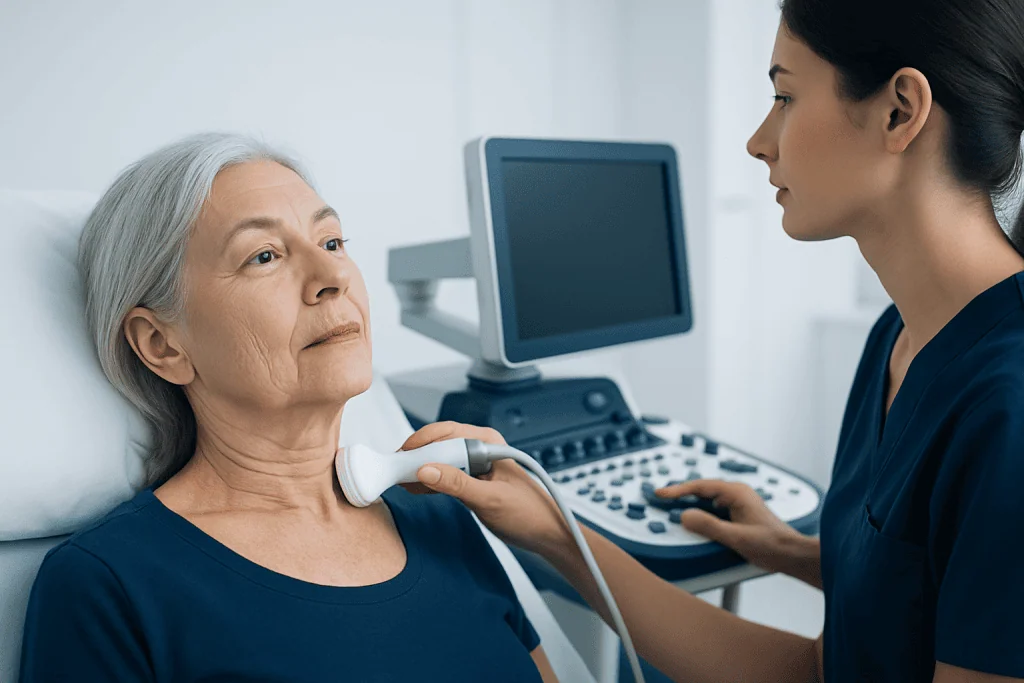
Intrinsic aging is the main underlying process. From adulthood onward, collagen production gradually declines and existing collagen becomes more fragmented. Elastin fibers also change, while natural hyaluronic acid levels in the skin decrease. Together, these changes can reduce skin hydration, resilience and smoothness, making fine lines and folds more apparent.
Ultraviolet radiation from the sun is a major external contributor. UV exposure accelerates collagen breakdown and can cause uneven pigment, rough texture and loss of firmness, a process sometimes called photoaging. The neck and upper chest are frequently exposed while driving, walking or sitting near windows, so cumulative exposure matters even without intentional sunbathing.
Repeated movement can shape the pattern of neck wrinkles. Looking down at a phone, reading, working at a computer or sleeping in a position that repeatedly compresses the neck may temporarily crease the skin and can make existing horizontal lines more noticeable. These habits do not create all neck wrinkles on their own, but they may contribute alongside aging and sun exposure.
Other influencing factors include family tendency, lighter skin that is more prone to visible sun damage, smoking, air pollution, poor sleep, major weight fluctuations and inadequate skin hydration. Hormonal changes, including those around menopause, may also affect collagen and skin thickness. No single factor explains every person’s neck lines.
Different Types of Neck Wrinkles and Skin Changes
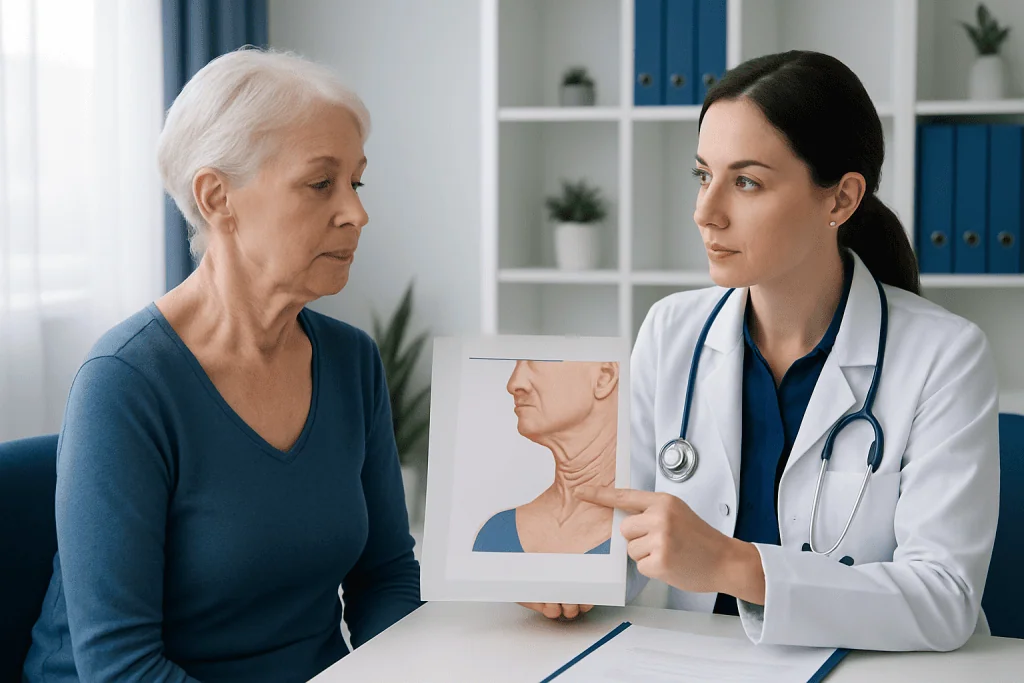
Horizontal neck lines are shallow or deeper rings that extend partly or fully around the neck. They may be present even in younger people and can become more fixed over time as the skin loses elasticity. Fine surface lines may be most visible when the skin is dry, while deeper folds may remain visible at rest.
Vertical neck bands are different from horizontal wrinkles. They often result from the platysma, a thin broad muscle beneath the skin, becoming more prominent during speaking, smiling or straining. With age, the muscle edges and overlying skin may become increasingly visible. Loose skin, reduced jawline definition and small areas of fullness below the chin can occur at the same time, but each issue needs separate assessment.
Texture and pigment changes may accompany lines. These can include dryness, roughness, brown spots, redness or a crepey appearance. A clinician distinguishes normal photoaging from conditions that need treatment, including rashes, infections and suspicious lesions. A persistent scaly patch, sore, darkening spot or growth is not simply a cosmetic wrinkle and should be examined.
Daily Care to Help Prevent Further Neck Wrinkles
Daily broad-spectrum sunscreen is one of the most effective ways to reduce preventable sun-related skin aging. A sunscreen with SPF 30 or higher can be applied to the front, sides and back of the neck, as well as the upper chest when exposed. It should be reapplied according to the product instructions, especially after sweating, swimming or spending extended time outdoors. Shade, wide-brimmed hats and clothing with a high neckline provide additional protection.
Gentle cleansing and regular moisturising can improve comfort and the temporary appearance of fine dry lines. Products containing humectants, such as glycerin or hyaluronic acid, help draw water into the outer layer of skin, while ceramides and other barrier-supporting ingredients help reduce moisture loss. Fragrance-free products may be useful for sensitive skin. The neck can react more easily than the face, so new products should be introduced gradually.
Some people use retinoids, peptides, antioxidants or exfoliating acids for signs of aging. Retinoids can improve skin cell turnover and support collagen over time, but they may cause dryness or irritation, particularly on the neck. A dermatologist can advise whether a prescription retinoid or over-the-counter product is suitable. Retinoids should generally be avoided during pregnancy unless a treating clinician specifically advises otherwise.
Healthy lifestyle choices also support skin health. Avoiding smoking is important because tobacco damages collagen and reduces blood flow to the skin. A balanced diet, adequate sleep, regular physical activity and stable weight support general wellbeing, though no food or supplement can erase wrinkles. Adjusting screen height and taking movement breaks may reduce prolonged downward neck posture and associated creasing.
Professional Treatment Options
Professional treatment is optional and depends on whether a person is bothered by neck wrinkles, their skin type and the specific cause of the lines. A consultation should include a review of medical history, current medicines, prior procedures, tendency toward scarring or pigment changes, and expectations. An experienced clinician can explain what improvement is realistic and whether more than one approach may be needed.
For fine lines and sun-related texture changes, clinicians may recommend prescription topical treatments, carefully selected chemical peels, microneedling or laser and other energy-based procedures. These options aim to stimulate skin remodeling or improve the skin surface. Recovery time, irritation risk and suitability vary. People with darker skin tones or a history of pigmentation changes need individualized advice because some procedures can trigger temporary or longer-lasting color changes.
For certain horizontal lines, injectable treatments such as hyaluronic-acid-based fillers may be considered to soften a crease. Botulinum toxin injections can sometimes reduce the appearance of prominent platysma bands by relaxing targeted muscle activity. These are medical procedures and should be carried out by appropriately trained clinicians who understand neck anatomy. Effects are temporary, and risks can include bruising, swelling, asymmetry or unwanted muscle weakness.
When skin laxity, muscle banding or under-chin fullness is more advanced, surgical neck rejuvenation may offer a longer-lasting option. Surgery can address loose skin and underlying muscle structures, but it involves anesthesia or sedation, recovery and surgical risks. It is not required for ordinary aging changes. A qualified plastic surgeon can discuss benefits, limitations and alternatives in detail.
Choosing Treatments Safely and Setting Realistic Expectations
Not every treatment is appropriate for every type of neck wrinkle. A topical product may improve dryness and fine texture but is unlikely to remove a deep fold. Similarly, treating a vertical band with a filler alone may not address the muscle activity that makes it visible. The most suitable plan starts with identifying whether the main concern is surface texture, a fixed crease, muscle banding, loose skin, pigmentation or a combination of these.
It is important to seek care from a licensed dermatologist, plastic surgeon or other qualified medical professional with relevant training. Treatments performed in non-medical settings or by unqualified providers may increase the risk of infection, burns, scarring, vascular complications or unsatisfactory results. A proper consultation should include discussion of possible side effects, aftercare, contraindications and the expected duration of results.
People should be cautious about products or devices that promise to remove neck wrinkles permanently, rapidly or without risks. Home skin-care devices may have limited effects and can cause irritation when used incorrectly. Strong peels, unregulated injections and aggressive scrubbing should be avoided. Consistent sun protection and realistic maintenance are usually more valuable than pursuing dramatic claims.
Acibadem International’s multidisciplinary specialists and JCI-accredited hospitals can assess skin aging concerns and discuss suitable dermatology or plastic surgery options for international patients. Any treatment decision should be based on an in-person clinical evaluation, individual health factors and informed preferences.
When to Seek Medical Care
Neck wrinkles alone do not usually require medical care. However, a dermatologist should assess a spot or skin change that is new, rapidly changing, painful, itchy, bleeding, crusting, non-healing or distinctly different from surrounding skin. These signs may have causes unrelated to normal aging and should not be treated with cosmetic products alone.
Medical advice is also appropriate if the neck develops a sudden rash, marked swelling, warmth, tenderness, blisters or widespread discoloration. Anyone who has had a cosmetic procedure and develops increasing pain, severe swelling, fever, drainage, difficulty swallowing or breathing should seek urgent medical evaluation.
For non-urgent appearance concerns, a planned consultation can help clarify the cause of neck lines and provide balanced information about skin care and procedures. A clinician can also identify conditions that may affect treatment choices, such as active eczema, psoriasis, a history of <a href="https://acibademinternational.com/diseases/keloid-scars/”>keloid scars, blood-clotting disorders or use of medicines that increase bruising.
Frequently asked questions
Can neck wrinkles be removed completely?
Neck wrinkles cannot usually be removed permanently, because skin aging and movement continue over time. Skin care and professional treatments can often soften their appearance or improve texture, but results vary. Maintenance treatment may be needed depending on the method used.
Why do I have neck lines at a young age?
Horizontal neck lines can appear in younger adults because of natural anatomy, genetics, repeated movement and sun exposure. They do not necessarily mean that the skin is aging unusually quickly. Sun protection and gentle moisturising are sensible early measures.
Does looking down at a phone cause neck wrinkles?
Frequent downward neck movement can temporarily fold the skin and may make existing horizontal lines more noticeable. It is only one possible factor, alongside genetics, collagen loss and UV exposure. Raising screens closer to eye level and taking regular posture breaks may be helpful.
What is the best cream for neck wrinkles?
There is no single best cream for everyone. A moisturiser that supports the skin barrier and daily broad-spectrum sunscreen are useful foundations. Retinoid-based products may help some people over time, but the neck can be sensitive, so a clinician can advise on safe use.
Are injectables for neck lines safe?
Injectable treatments can be appropriate when selected carefully and performed by a qualified medical professional. As with any procedure, they can cause side effects such as bruising, swelling, asymmetry or temporary unwanted effects. An individual assessment is needed to determine whether they are suitable.
When should a neck skin change be checked?
A clinician should examine any lesion that changes in size, shape or color, bleeds, crusts, hurts, itches persistently or does not heal. These changes should not be assumed to be ordinary wrinkles or sun damage. Prompt assessment helps identify the cause and guide appropriate care.
This article is for general information only and is not a substitute for professional medical advice. Please consult a qualified doctor about your individual situation.
Explore treatments in Turkey — costs, top hospitals & a free quote
JCI-accredited · board-certified surgeons · reply within 24h
Add us as a Preferred Source to see more of our trusted health content across Google Search, AI Overviews and Discover.

More from the Health Library

Mild Soap for Pimples — Explained by Medical Evidence, Not Myths

Poached Eggs Egg Poacher: A Complete Medical Overview

Pelvic Exam: A Complete Medical Overview

Todd Paralysis: An Evidence-Based Guide for Patients

Stomach Cramps Lower: A Complete Medical Overview