Stomach Cramps Lower: A Complete Medical Overview

Lower stomach cramps can come from the digestive, urinary, reproductive, or musculoskeletal systems. Common causes include gas, constipation, menstrual cramps, stomach infections, and irritable bowel symptoms.
Key Takeaways
- Lower stomach cramps can come from the digestive, urinary, reproductive, or musculoskeletal systems.
- Common causes include gas, constipation, menstrual cramps, stomach infections, and irritable bowel symptoms.
- Warning signs include severe pain, fever, blood in stool or urine, fainting, dehydration, and pain during pregnancy.
- Diagnosis depends on the pattern of symptoms, physical examination, and sometimes blood tests, urine tests, stool tests, or imaging.
- Treatment focuses on the cause and may include hydration, dietary changes, medicines, or urgent treatment for emergencies.
Stomach cramps lower in the abdomen are common and often linked to digestion, menstrual cycles, muscle strain, or temporary infections. However, cramps that are severe, one-sided, persistent, or associated with fever, vomiting, bleeding, or urinary changes should be assessed by a doctor.
Overview: what lower stomach cramps usually mean
Stomach cramps lower in the abdomen usually describe pain, tightening, spasms, or aching felt below the belly button. In many cases, this symptom is caused by short-term digestive issues such as gas, constipation, or a mild stomach infection. It may also relate to menstruation, the urinary tract, or the muscles of the abdominal wall.
The lower abdomen contains several organs and structures close together, so similar pain can have different causes. The bowel, bladder, ureters, reproductive organs, blood vessels, and abdominal muscles can all produce cramping or pressure. For this reason, doctors look not only at where the pain is felt, but also at how it started, how long it lasts, and what other symptoms are present.
Many people improve with rest, hydration, and simple self-care, especially when cramps are mild and short-lived. Still, lower abdominal cramps should not be ignored if they are intense, repeated, getting worse, or accompanied by symptoms such as fever, vomiting, rectal bleeding, painful urination, or unusual vaginal bleeding.
How lower stomach cramps can feel
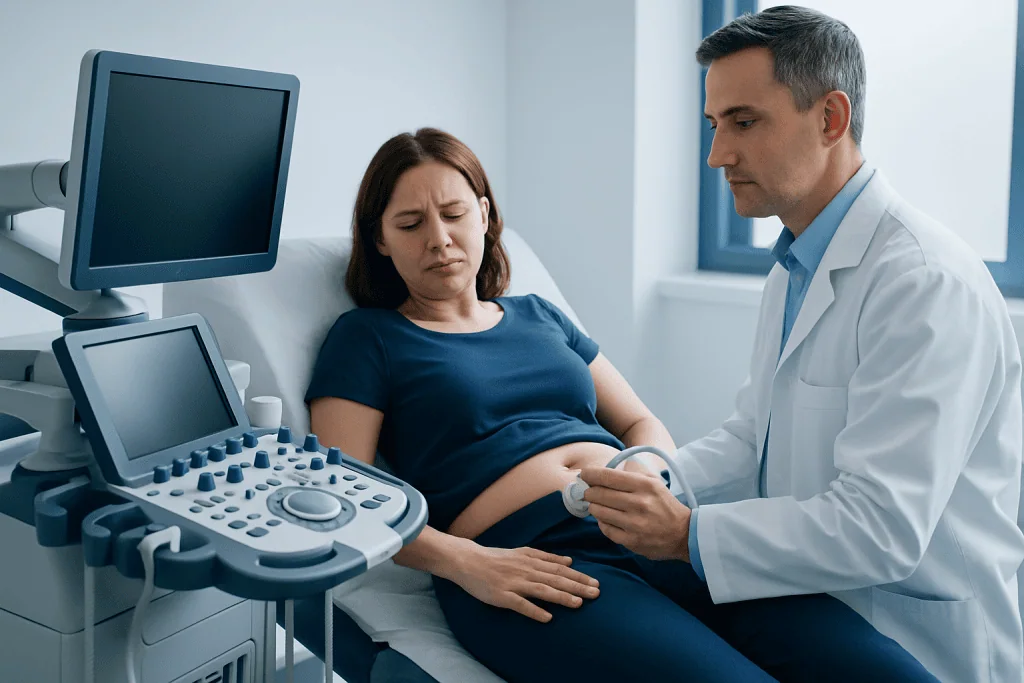
People describe lower abdominal cramps in different ways. The pain may feel sharp, dull, twisting, squeezing, bloating-related, or like waves that come and go. Some cramps stay in the center of the lower belly, while others are more noticeable on the right side, left side, or deep in the pelvis.
The timing can offer useful clues. Cramps that improve after passing gas or having a bowel movement often point toward the intestines. Pain that appears before or during a period may be related to menstrual cramps. Pain that worsens with urination can suggest a bladder or urinary tract problem. Sudden pain on one side may need more urgent evaluation.
Associated symptoms matter just as much as the pain itself. A doctor may ask about bloating, nausea, diarrhea, constipation, loss of appetite, urinary burning, menstrual changes, pregnancy possibility, back pain, or whether the pain wakes the person from sleep. This information helps narrow the possible causes and decide whether prompt testing is needed.
Common causes and risk factors

Digestive causes are among the most common reasons for stomach cramps lower in the abdomen. These include gas, constipation, indigestion, viral gastroenteritis, food intolerance, and functional bowel disorders such as irritable bowel syndrome. Some people notice cramping after certain foods, during stressful periods, or when bowel habits change. Inflammatory conditions such as Crohn’s disease or other forms of bowel inflammation may also cause persistent lower abdominal pain, often with diarrhea, fatigue, or weight loss.
Urinary causes can include a urinary tract infection, bladder irritation, or a stone moving through the urinary system. These problems may be more likely when cramps occur with burning urination, frequent urination, blood in the urine, or pain that spreads to the back or groin. Dehydration can raise the risk of urinary problems and may worsen cramping from constipation as well.
In women, lower abdominal cramps can be related to ovulation, menstruation, endometriosis, ovarian cysts, pelvic infection, or pregnancy-related conditions. In men, prostatitis and other pelvic conditions may contribute. Muscular strain from exercise, coughing, or lifting can also mimic internal cramping. Risk factors vary by cause but may include recent infection, dietary triggers, chronic bowel disease, stress, pregnancy, previous abdominal surgery, and dehydration.
Symptoms that help identify the cause
Although lower stomach cramps can feel similar, certain patterns may help point to a likely source. Cramping with bloating and relief after a bowel movement often suggests bowel spasm or gas. Hard stools, infrequent bowel movements, and a sense of incomplete emptying are more in keeping with constipation. Watery diarrhea, nausea, and low appetite may indicate an infection or food-related illness.
Pain on the lower right side can raise concern for appendicitis, especially if it becomes steadily worse and is associated with fever, vomiting, or pain when moving. Left-sided cramping may occur with constipation, bowel inflammation, or diverticular disease in adults. Menstrual-type cramping may spread to the lower back or thighs and can occur in cycles.
Urinary symptoms such as burning, urgency, cloudy urine, or blood in the urine can suggest a urinary source. In women, unusual vaginal bleeding, discharge, or pelvic pain during pregnancy should be medically assessed. If the cramps are severe, new, or unlike anything experienced before, it is safer to seek a professional evaluation rather than assume they are due to a minor digestive problem.
How doctors diagnose lower abdominal cramps
Diagnosis starts with a detailed medical history and physical examination. A doctor may ask when the cramps began, whether they come in waves or stay constant, exactly where they are felt, and what makes them better or worse. Questions about bowel movements, diet, urinary symptoms, menstrual history, recent travel, medications, and pregnancy possibility are often important.
Basic tests may include blood work, a urine test, and sometimes a stool test if infection or inflammation is suspected. In women of childbearing age, a pregnancy test is commonly considered when the cause is unclear. These simple tests can help identify dehydration, infection, bleeding, or organ-related causes of pain.
Imaging may be recommended if symptoms suggest a structural or urgent problem. Depending on the case, doctors may use ultrasound, X-ray, or MRI scanning to look more closely at the abdomen or pelvis. If persistent bowel symptoms need a direct internal evaluation, a specialist may advise colonoscopy to examine the large intestine. The choice of test depends on the symptom pattern and the person’s age, sex, and medical history.
Treatment options and symptom relief
Treatment for stomach cramps lower in the abdomen depends on the underlying cause. Mild cramps from gas, a short-lived stomach bug, or constipation often improve with rest, fluids, and a temporary adjustment in diet. Eating smaller meals, avoiding heavy or trigger foods, and using a warm compress on the lower abdomen may also bring comfort.
When a medical cause is identified, treatment is targeted. For example, a urinary infection may require prescription medicine, while ongoing bowel symptoms may need a structured plan that includes dietary guidance and specialist follow-up. Chronic inflammatory bowel conditions sometimes need long-term care and may be evaluated with gastroenterology care to guide diagnosis, monitoring, and treatment choices.
People should avoid taking repeated pain medicines without advice if the cause is unknown, because this can mask important warning signs or irritate the stomach. Severe dehydration, appendicitis, bowel obstruction, ectopic pregnancy, ovarian torsion, and kidney stones may require urgent treatment. Near the end of the care journey, some international patients choose centers such as Acibadem International, where multidisciplinary specialists in JCI-accredited hospitals evaluate and treat abdominal and pelvic pain causes in a coordinated way.
Prevention and self-care at home
Not every cause of lower abdominal cramps can be prevented, but healthy daily habits can reduce the risk of common triggers. Staying well hydrated supports normal bowel function and the urinary tract. A balanced diet with enough fiber may help prevent constipation, though fiber should be increased gradually to avoid extra bloating in some people.
Keeping track of symptoms can be useful, especially for recurring cramps. A simple record of meals, bowel habits, menstrual timing, stress, and associated symptoms may reveal patterns such as food intolerance or menstrual-related pain. Gentle physical activity may support bowel movement and reduce cramping linked to inactivity.
People with frequent digestive symptoms should speak with a doctor before making major dietary restrictions on their own. Recurrent cramps are not always due to a harmless sensitivity. If symptoms are ongoing, a clinician may consider disorders such as ulcerative colitis or other gastrointestinal conditions that need proper assessment.
When to seek medical care
Medical advice is recommended if lower stomach cramps last more than a few days, keep returning, interfere with eating or sleeping, or come with a clear change in bowel or urinary habits. A doctor should also assess cramps associated with unexplained weight loss, persistent diarrhea, ongoing constipation, or symptoms that are gradually getting worse.
Urgent medical care is important if the pain is severe, sudden, one-sided, or associated with fever, repeated vomiting, fainting, chest discomfort, a swollen abdomen, blood in the stool, black stools, blood in the urine, or inability to pass stool or gas. During pregnancy, lower abdominal pain should always be taken seriously, especially if there is bleeding, dizziness, or shoulder pain.
It is also wise to seek care if the person is very young, older, immunocompromised, or has a history of bowel disease, kidney stones, or recent abdominal surgery. Quick evaluation can help distinguish a self-limited problem from a condition needing prompt treatment, and it can provide reassurance when the cause is less serious than feared.
Frequently asked questions
Are lower stomach cramps always related to the stomach?
No. Pain felt in the lower abdomen may come from the intestines, bladder, urinary tract, reproductive organs, or even the abdominal muscles. That is why doctors consider the full symptom pattern rather than the location alone.
Can gas cause stomach cramps lower in the abdomen?
Yes, gas is a very common cause of cramping, pressure, and bloating in the lower abdomen. These cramps often improve after passing gas or having a bowel movement. If symptoms are severe or keep returning, a doctor should assess them.
When are lower abdominal cramps an emergency?
Emergency assessment is important if the pain is sudden, severe, or worsening, especially with fever, repeated vomiting, fainting, blood in stool or urine, or a rigid swollen abdomen. Pain during pregnancy also needs prompt medical advice. These features can signal conditions that should not be managed at home.
Can constipation cause lower stomach cramps?
Yes, constipation commonly causes lower abdominal cramping, fullness, and bloating. People may also notice hard stools, straining, or fewer bowel movements than usual. Hydration, activity, and dietary adjustments may help, but persistent constipation should be reviewed medically.
Do menstrual cramps always explain lower stomach pain in women?
Not always. Menstrual cramps are common, but lower abdominal pain can also come from ovarian cysts, pelvic infection, urinary issues, or bowel problems. New, unusually severe, or one-sided pain deserves medical attention.
How do doctors test the cause of lower stomach cramps?
Doctors usually begin with a medical history and physical examination. They may order blood tests, a urine test, stool testing, pregnancy testing, or imaging such as ultrasound or MRI, depending on the symptoms. If bowel disease is suspected, endoscopic testing may also be considered.
This article is for general information only and is not a substitute for professional medical advice. Please consult a qualified doctor about your individual situation.
Persistent digestive symptoms? Get evaluated in Turkey
JCI-accredited · board-certified surgeons · reply within 24h
Add us as a Preferred Source to see more of our trusted health content across Google Search, AI Overviews and Discover.
Check your numbers in seconds
BMI, calories, due date, blood pressure and 30+ more clinical calculators — free, instant, doctor-reviewed ranges.

More from the Health Library

Butchugging: What Patients Need to Know

Back Dimples: A Complete Medical Overview

Obstetrics: What Patients Need to Know

Neer Test — Explained by Medical Evidence, Not Myths

Microscopic Hematuria: An Evidence-Based Guide for Patients