Biofeedback — Explained by Medical Evidence, Not Myths
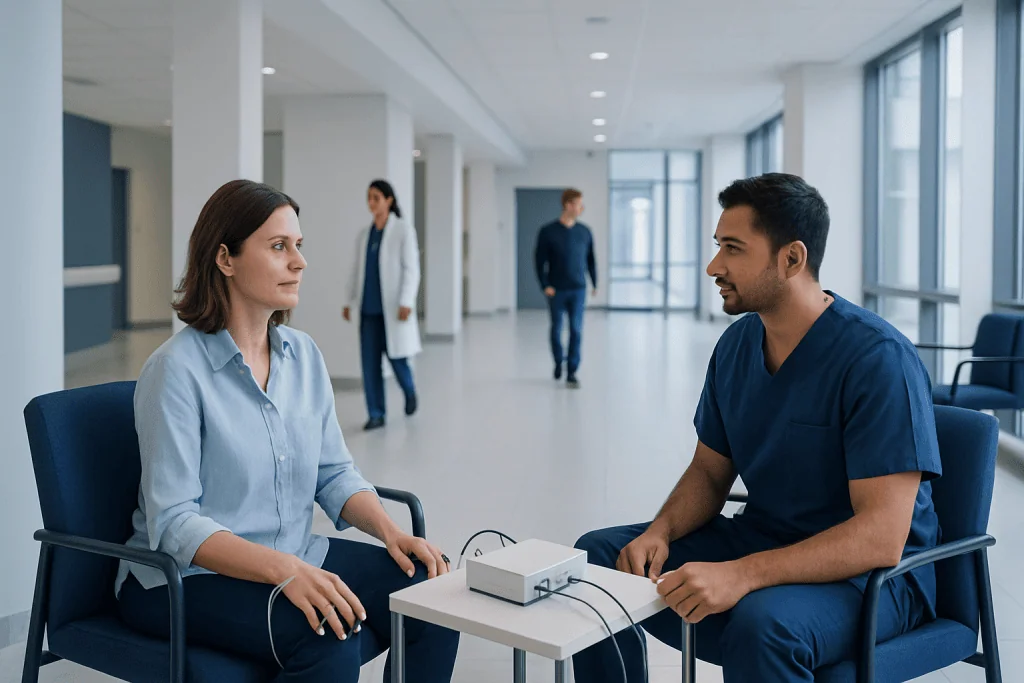
Biofeedback teaches awareness and control of body functions that are usually automatic, such as muscle tension and breathing patterns. It is used most often for stress-related symptoms, headache disorders, pelvic floor problems, some chronic pain conditions, and rehabilitation support.
Key Takeaways
- Biofeedback teaches awareness and control of body functions that are usually automatic, such as muscle tension and breathing patterns.
- It is used most often for stress-related symptoms, headache disorders, pelvic floor problems, some chronic pain conditions, and rehabilitation support.
- Biofeedback is generally safe and noninvasive, but results depend on the condition being treated, the method used, and regular practice.
- It is not a myth or mind-control technique; it is a structured therapy guided by measurable physiologic signals.
- A proper medical evaluation is important because symptoms like pain, palpitations, dizziness, or headaches may have other causes that need treatment.
Biofeedback is a noninvasive therapy that uses real-time information from the body—such as muscle tension, breathing, heart rate, or skin temperature—to help a person learn better control over these responses. Medical evidence suggests it can be useful for some conditions, especially when it is part of a broader treatment plan rather than a stand-alone cure.
Overview: what biofeedback is and what it is not
Biofeedback is a therapy that helps a person recognize and influence certain body processes by showing them real-time signals from sensors. Depending on the type used, these signals may reflect breathing rate, heart rate variation, skin temperature, sweating, or muscle activity. With guidance from a trained professional, the person practices techniques such as paced breathing, posture correction, muscle relaxation, or attention training while watching how the body responds.
The key idea is simple: when body responses become visible, they are easier to understand and gradually regulate. This does not mean a person can control every body function at will, and it does not replace medical treatment for an underlying disease. Instead, biofeedback is best viewed as a skill-building therapy that can reduce symptoms, improve self-management, and support recovery in selected conditions.
Biofeedback is sometimes confused with unproven wellness claims. Medical biofeedback is different. It is based on measurable physiologic data, structured sessions, and clearly defined goals such as reducing muscle tension in tension-type headache, improving pelvic floor coordination, or lowering stress reactivity. Evidence is stronger for some uses than for others, so expectations should be realistic and tailored to the individual situation.
How biofeedback works
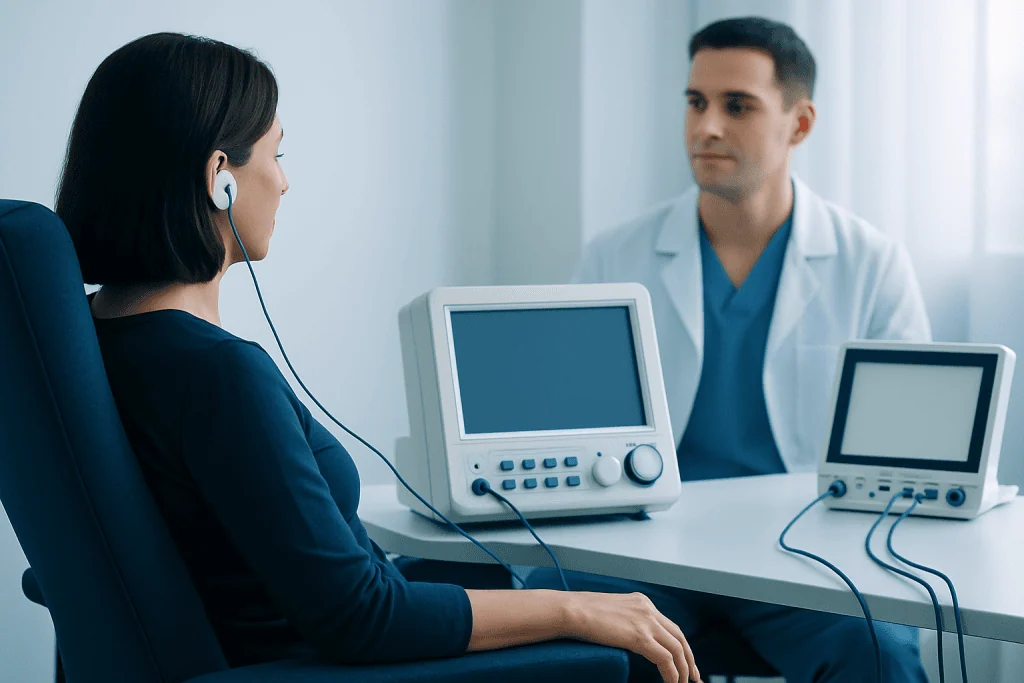
Many symptoms are influenced by the autonomic nervous system and by muscle patterns that operate partly outside conscious awareness. Stress, pain, poor sleep, anxiety, and habitual muscle tightening can create feedback loops that keep symptoms going. Biofeedback interrupts this cycle by turning hidden signals into visible or audible cues. Over time, the brain learns which actions help the body move toward a calmer, more efficient state.
Several forms of biofeedback are used in clinical practice. Surface electromyography (EMG) measures muscle activity and is often used for muscle tension, jaw clenching, neck and shoulder tightness, or pelvic floor retraining. Thermal biofeedback tracks skin temperature, which may change with blood flow and stress. Heart rate variability biofeedback focuses on breathing patterns and heart rhythm changes. Some programs also use respiratory and skin conductance monitoring.
A typical session involves placing painless sensors on the skin, reviewing baseline readings, and then practicing targeted exercises while observing the signals. The therapist may coach slower breathing, muscle release, posture awareness, or relaxation strategies. Improvement usually develops over multiple sessions and home practice, because the goal is not only better numbers on a screen but also lasting skills that transfer to daily life.
Common uses and where evidence is strongest

Biofeedback is used across several areas of medicine and rehabilitation. One of the clearest uses is for stress-related symptoms, especially when a person tends to breathe shallowly, tense muscles, or feel physically overwhelmed by anxiety. It may also help people who have recurring tension-type headaches or certain migraine patterns by improving relaxation, trigger awareness, and muscle control. For persistent or severe headaches, medical evaluation remains important because not every headache is benign, and some people may need assessment for migraine.
Pelvic floor biofeedback is another widely accepted application. It can be used to retrain muscles involved in urinary problems, chronic pelvic pain, constipation related to pelvic floor dysfunction, and recovery after some pelvic procedures. In musculoskeletal care, EMG biofeedback may support rehabilitation by helping a patient activate weak muscles, reduce overuse patterns, or improve coordination after injury or surgery.
Evidence also supports selective use in chronic pain management, temporomandibular joint-related jaw tension, and some gastrointestinal pelvic floor disorders. In a rehabilitation setting, it may complement physical therapy and rehabilitation or be integrated into pain management plans. However, biofeedback is not considered a cure for major neurologic disease, structural spine problems, severe psychiatric illness, or endocrine disorders. It works best when the symptom has a meaningful physiologic or behavioral regulation component that can be trained.
What a patient may feel during sessions and what results to expect
Biofeedback sessions are usually comfortable and noninvasive. Sensors are attached to the skin, and the patient watches a screen or listens to tones that reflect body responses. The exercises may feel simple at first, such as breathing in a slower rhythm, relaxing the forehead or shoulder muscles, or tightening and releasing specific pelvic muscles. Even so, learning the skill can take time, especially if symptoms have been present for years.
Results vary by condition and by how consistently the patient practices. Some people notice early benefits such as better body awareness, less muscle tightness, calmer breathing, or improved confidence in managing symptoms. Others need a structured course over several weeks before changes become clearer. For chronic conditions, progress is often gradual and measured in better symptom control, fewer flare-ups, or improved function rather than complete symptom disappearance.
It is helpful to think of biofeedback the way one might think of physiotherapy or therapeutic exercise: guided training that becomes more effective with repetition. Home exercises are often part of the plan, and treatment may be combined with sleep improvement, stress management, counseling, medications, or rehabilitation. If symptoms suggest an underlying neurologic problem such as tremor or movement difficulty, a doctor may recommend evaluation and, when appropriate, therapies such as neurological rehabilitation.
Who may benefit, and who may need another approach
Biofeedback may be a good fit for people whose symptoms are influenced by stress reactivity, breathing habits, muscle overactivity, pelvic floor dysfunction, or chronic pain patterns. It can also appeal to people who want a non-drug approach alongside standard medical care. Children and older adults may benefit in selected situations, provided the method is adapted to age, attention span, and goals.
At the same time, not every symptom should be managed with self-regulation strategies alone. Chest pain, fainting, new weakness, seizures, sudden severe headache, significant shortness of breath, unexplained weight loss, or persistent palpitations require medical assessment. In these cases, biofeedback may still have a supportive role later, but the first step is identifying the cause.
Some people may find that another treatment path is more appropriate, especially when symptoms are driven by a clear structural, inflammatory, or endocrine disorder. For example, a patient with disabling headaches may need imaging, neurologic evaluation, or medication review. A person with pelvic floor symptoms may benefit most when biofeedback is part of a broader plan that can include bowel habit training, medication adjustments, or pelvic floor therapy.
Diagnosis and planning before starting biofeedback
Before recommending biofeedback, clinicians usually begin with a standard medical assessment. This may include a symptom history, physical examination, review of medications, and sometimes laboratory tests or imaging, depending on the complaint. The aim is to understand whether the symptom is primarily functional, stress-related, musculoskeletal, pelvic floor-related, or caused by another medical condition that needs direct treatment.
Targeted assessment also helps identify the most suitable type of biofeedback. A person with jaw tension and neck pain may need EMG-guided muscle relaxation. Someone with stress-related dizziness or overbreathing patterns may benefit more from respiratory training or heart rate variability work. For pelvic floor complaints, a specialized examination is often needed to decide whether strengthening, relaxation, or coordination training is more appropriate.
Clear goals improve outcomes. These goals might include fewer headache days, less muscle tightness at the end of the workday, easier bowel movements, fewer episodes of urinary urgency, or improved ability to calm the body during stress. Progress is usually tracked with symptom diaries, functional measures, and feedback from the patient rather than relying on sensor readings alone.
Safety, limitations, and self-care between sessions
Biofeedback is generally considered safe because it does not involve surgery, radiation, or medication. The sensors themselves do not change the body; they only measure signals and present them in a way the patient can learn from. However, safe care still depends on using the method for the right reason and within the right clinical context.
Its main limitation is that it is not equally effective for every diagnosis. The quality of evidence differs across conditions, and some commercial devices make claims that go beyond what clinical research supports. A patient should be cautious about promises of rapid cures or broad benefits for unrelated diseases. A trained clinician can explain what kind of improvement is realistic and whether another therapy should come first.
Self-care between sessions often includes regular practice of the specific skills learned in therapy. This may involve paced breathing, posture changes, scheduled relaxation, sleep hygiene, hydration, reducing stimulant excess, or ergonomic adjustments at work. These measures do not replace professional care, but they can help maintain progress. Near the end of a treatment pathway, some patients may seek coordinated follow-up; Acibadem International’s multidisciplinary specialists in JCI-accredited hospitals diagnose and treat related conditions for international patients when more comprehensive evaluation is needed.
When to seek medical care
Biofeedback can be helpful for symptom control, but it should not delay diagnosis of a potentially serious problem. Medical care is important if symptoms are new, severe, changing quickly, or interfering with normal daily activities. It is also important when self-management attempts have not helped or when symptoms keep returning without a clear reason.
A doctor should assess warning signs such as sudden severe headache, fainting, chest pain, new weakness or numbness, seizures, blood in the stool or urine, severe shortness of breath, or unexplained fever. Persistent pelvic pain, disabling headaches, marked sleep disturbance, and chronic pain that limits movement also deserve professional evaluation.
If a clinician confirms that biofeedback is appropriate, it is usually used as one part of a broader plan rather than as a stand-alone answer for every symptom. The most effective approach often combines diagnosis, education, symptom tracking, targeted exercises, and follow-up with the relevant specialist.
Frequently asked questions
Is biofeedback scientifically proven or is it a myth?
Biofeedback is a real clinical technique, not a myth. It is based on measurable body signals and has supportive evidence for certain uses, such as stress-related symptoms, some headache disorders, pelvic floor dysfunction, and selected rehabilitation goals. Its effectiveness depends on the condition, the method used, and the quality of the treatment program.
What conditions can biofeedback help with?
Biofeedback may help with muscle tension, stress-related physical symptoms, tension-type headaches, some migraine management plans, jaw clenching, pelvic floor disorders, and aspects of chronic pain or rehabilitation. It is usually most helpful when symptoms involve patterns that can be retrained, such as breathing, muscle activation, or relaxation. A doctor can help decide whether it fits a specific diagnosis.
How many biofeedback sessions are usually needed?
There is no single number that suits everyone. Some people improve after a few sessions, while others need a longer course over several weeks, especially if symptoms are chronic. Home practice is often an important part of success.
Are there any risks or side effects?
Biofeedback is generally low risk because it is noninvasive and does not usually involve medication. The main concern is not physical harm from the sensors, but using biofeedback instead of proper medical evaluation when symptoms may have another cause. That is why a diagnosis should come first when symptoms are severe, new, or unexplained.
Can biofeedback replace medication?
Sometimes it can reduce reliance on other treatments, but it should not be seen as a universal replacement for medication. For some people, it works best alongside medicines, physiotherapy, psychotherapy, or lifestyle changes. Any medication changes should be made only with a qualified clinician.
What is the difference between biofeedback and neurofeedback?
Biofeedback is a broad term for training based on body signals such as muscle activity, breathing, skin temperature, or heart rate patterns. Neurofeedback is a subtype that focuses specifically on brain activity signals, usually recorded with EEG. They are related approaches, but they are not exactly the same.
This article is for general information only and is not a substitute for professional medical advice. Please consult a qualified doctor about your individual situation.
Heart care in Turkey — expert evaluation and treatment
JCI-accredited · board-certified surgeons · reply within 24h
Add us as a Preferred Source to see more of our trusted health content across Google Search, AI Overviews and Discover.
Check your numbers in seconds
BMI, calories, due date, blood pressure and 30+ more clinical calculators — free, instant, doctor-reviewed ranges.

More from the Health Library

Croup: An Evidence-Based Guide for Patients

Imitrex: An Evidence-Based Guide for Patients
Laser Dental Whitening: What Patients Need to Know

Membrane Sweep — Explained by Medical Evidence, Not Myths

Eosinophils and Asthma: What Patients Need to Know