Bleeding Gums: Can Plaque, Hormones, or Medication Be the Cause?

Bleeding gums are commonly caused by plaque-related gum inflammation, especially gingivitis. Hormonal changes during puberty, pregnancy, menstruation, and menopause can make gums more sensitive and prone to bleeding.
Key Takeaways
- Bleeding gums are commonly caused by plaque-related gum inflammation, especially gingivitis.
- Hormonal changes during puberty, pregnancy, menstruation, and menopause can make gums more sensitive and prone to bleeding.
- Some medications, including blood thinners and certain drugs that affect the gums, may contribute to bleeding.
- Persistent bleeding gums should not be ignored because they can signal gum disease or another health issue.
- Regular brushing, interdental cleaning, and professional dental visits are important for prevention and treatment.
Bleeding gums are common and often linked to plaque buildup and early gum inflammation, but hormones, medicines, and general health conditions can also play a role. Early dental care and good daily oral hygiene can usually improve the problem and help protect long-term gum health.
Overview
Bleeding gums are a common oral health concern. Many people notice a small amount of blood when brushing, flossing, or biting into firm foods. Although this can happen occasionally, frequent or ongoing bleeding is usually a sign that the gums are irritated or inflamed and need attention.
The most common reason is plaque buildup along the gumline. Plaque is a sticky film of bacteria that forms on the teeth every day. When it is not removed well enough, it can irritate the gums and lead to gingivitis, the earliest stage of gum disease. At this stage, the gums may bleed, look red, or feel swollen, but the condition is often reversible with proper care.
However, plaque is not the only possible cause. Hormonal changes, certain medications, smoking, medical conditions, vitamin deficiencies, and poorly fitting dental appliances may also contribute. Because there are several possible reasons, it is helpful to think of bleeding gums as a symptom rather than a diagnosis.
Most causes of bleeding gums can be identified with a dental examination. Prompt care can reduce inflammation, ease discomfort, and help prevent progression to more serious gum disease. Supportive professional care such as dental hygiene treatment and a full oral assessment may be recommended depending on the cause.
Symptoms of Bleeding Gums

Bleeding gums may appear in different ways. Some people only notice light bleeding when flossing or brushing, while others have bleeding during eating or even without touching the gums. The amount of bleeding does not always show how serious the problem is, so even mild but repeated bleeding should be taken seriously.
Other symptoms often happen at the same time. The gums may look red instead of healthy pink, feel tender, appear puffy, or pull away from the teeth. Some people also notice persistent bad breath, a bad taste in the mouth, or increased tooth sensitivity.
When gum disease becomes more advanced, additional signs may develop. These can include gum recession, spaces forming between teeth, loose teeth, pain when chewing, or pus around the gumline. Advanced symptoms need prompt dental evaluation because they may suggest damage to the tissues that support the teeth.
- Bleeding during brushing or flossing
- Red, swollen, or tender gums
- Bad breath that does not improve
- Gum recession or teeth appearing longer
- Loose teeth or discomfort when chewing
Can Plaque Be the Cause?
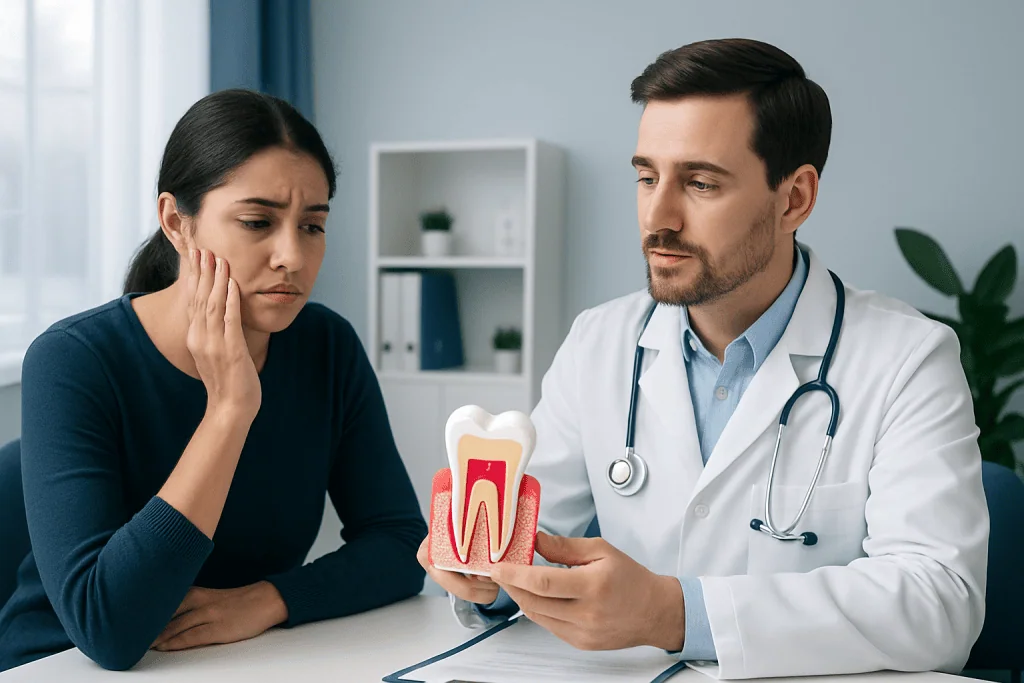
Yes. Plaque is the most common cause of bleeding gums. Bacteria in plaque collect around the gumline and trigger inflammation. This early inflammatory response is called gingivitis. The gums become more delicate and are more likely to bleed when touched.
If plaque is not removed regularly, it can harden into tartar, also called calculus. Tartar cannot be removed by brushing alone and usually requires professional cleaning. As tartar builds up, the gums may stay inflamed, and the risk of more advanced gum disease increases.
One important point is that bleeding during flossing does not necessarily mean flossing should stop. In many cases, the gums bleed because they are inflamed, and gentle, regular cleaning between the teeth helps the tissues recover over time. Stopping flossing may allow more plaque to build up and make the problem worse.
Professional dental care can help remove plaque and tartar thoroughly and assess whether the problem is limited to gingivitis or has progressed further. Many patients benefit from a review of brushing technique, interdental cleaning habits, and a general oral exam through general dentistry care.
Can Hormones Cause Bleeding Gums?
Hormonal changes can make the gums more sensitive and reactive to plaque. This means the same amount of plaque that caused mild irritation at one time may lead to more noticeable swelling or bleeding during certain life stages. Hormones do not usually act alone, but they can increase the gums’ inflammatory response.
Puberty, menstruation, pregnancy, and menopause are all times when gum changes may occur. During pregnancy, for example, some people develop pregnancy gingivitis, with redness, swelling, and easy bleeding. In some cases, a localized growth called a pregnancy tumor or pyogenic granuloma may develop on the gums; although usually noncancerous, it should still be assessed by a dentist or doctor.
Hormonal influences may also affect saliva and oral comfort, especially around menopause. A dry mouth can make the mouth feel more irritated and may contribute to plaque accumulation. Careful oral hygiene and regular dental visits are especially helpful during these times.
Because hormonal changes can overlap with existing dental issues, an examination is still important. Bleeding should not automatically be assumed to be “normal” in pregnancy or other hormonal stages, especially if it is persistent, heavy, or accompanied by pain.
Can Medication or Health Conditions Be the Cause?
Yes. Some medications can contribute to bleeding gums in different ways. Blood-thinning medicines may make minor gum irritation bleed more easily. Other drugs, such as some anti-seizure medications, calcium channel blockers, and immune-suppressing drugs, can affect the gums themselves and lead to gum overgrowth or inflammation, which may then bleed more easily.
Dry mouth caused by certain medicines can also indirectly worsen gum health. Saliva helps protect the mouth, so reduced saliva can encourage plaque accumulation, irritation, and tooth decay. In these situations, a dentist and the prescribing doctor may both be involved in evaluating the problem.
Some health conditions can also be linked with bleeding gums. Diabetes, vitamin C deficiency, clotting disorders, leukemia, and immune-related conditions are examples. These causes are less common than plaque-related gingivitis, but they are important to consider if the bleeding is severe, unusual, or associated with other symptoms such as easy bruising, fatigue, or recurrent infections.
It is important not to stop prescribed medication without medical advice. Instead, the person should tell both the dentist and physician about all medicines, supplements, and any history of unusual bleeding. In some cases, evaluation may overlap with dedicated dental pharmacology support and coordinated medical care.
How Bleeding Gums Are Diagnosed
Diagnosis usually begins with a dental history and examination. The dentist will ask when the bleeding happens, how long it has been present, and whether there are related symptoms such as swelling, pain, bad breath, or loose teeth. Questions about smoking, pregnancy, medications, and medical history are also important.
During the examination, the gums and teeth are checked for plaque, tartar, signs of inflammation, gum recession, and areas where the gums may have pulled away from the teeth. The dentist may gently measure the spaces between the teeth and gums to look for periodontal pockets, which can suggest more advanced gum disease.
Dental X-rays may be recommended if there is concern about bone loss or deeper infection. If the findings suggest a broader medical issue, blood tests or referral to a physician may be advised. This is especially relevant if the bleeding seems disproportionate to the amount of gum inflammation or if there are symptoms outside the mouth.
In some cases, bleeding gums may be part of a broader gum disease picture such as bleeding gums as a dental condition, and identifying the stage of disease helps guide treatment. Early assessment is useful because treatment tends to be simpler before damage becomes more advanced.
Treatment Options
Treatment depends on the cause. If plaque and gingivitis are responsible, the main approach is removing plaque and tartar and improving daily oral hygiene. Professional cleaning is often the first step, followed by tailored advice on brushing, flossing, or using interdental brushes. Many people improve significantly once the source of inflammation is controlled.
If there is periodontitis, treatment may need to go further. Deep cleaning below the gumline, closer monitoring, and sometimes referral to a gum specialist may be needed. If a broken tooth, dental appliance, or another local problem is irritating the gums, that issue may also need correction.
When medications or hormones contribute, treatment often includes managing plaque carefully while also reviewing the wider context. A physician may advise whether medication-related effects need attention, but any changes to medicines should only be made under medical supervision. Supportive care may include regular cleanings, treatment of dry mouth, and close follow-up.
For some patients, digital planning and detailed assessment tools can help guide dental care, especially if several oral issues are present. Depending on the situation, a clinic may use digital dentistry or provide further care through dental emergency and trauma services if bleeding is linked to injury or sudden oral pain.
Prevention, Self-care, and When to See a Doctor
The best prevention for bleeding gums is consistent oral hygiene. Teeth should be brushed twice daily with a soft-bristled toothbrush and fluoride toothpaste. Cleaning between the teeth once a day is also important because plaque often remains in areas a toothbrush cannot reach. Gentle technique matters; brushing or flossing too aggressively can irritate the gums.
Regular dental checkups and professional cleanings help prevent plaque from building up to the point where it causes persistent inflammation. Avoiding tobacco, eating a balanced diet, staying hydrated, and managing conditions such as diabetes can also support gum health. People who wear dentures, retainers, or other oral appliances should keep them clean and have the fit checked when needed.
A dentist should be consulted if bleeding gums continue for more than about one to two weeks despite improved oral care, or sooner if there is swelling, pain, bad breath, pus, gum recession, or loose teeth. Medical review is also important if the bleeding is heavy, starts after a new medication, or occurs with easy bruising, fatigue, or fever.
Near the end of the care pathway, some people may need coordinated support from both dental and medical specialists. Acibadem International’s multidisciplinary specialists and JCI-accredited hospitals diagnose and treat oral health concerns, including gum problems, for international patients. The key message is reassuring: bleeding gums are common, often treatable, and worth checking early.
Frequently asked questions
Are bleeding gums always a sign of gum disease?
Not always, but gum disease is one of the most common causes. Bleeding can also be linked to hormonal changes, certain medications, aggressive brushing, vitamin deficiencies, or medical conditions. A dental evaluation helps identify the reason.
Should a person stop flossing if the gums bleed?
Usually no, as long as flossing is done gently and correctly. Bleeding often happens because the gums are inflamed from plaque between the teeth, and regular cleaning can help them improve. If bleeding continues or becomes heavy, a dentist should assess it.
Can pregnancy cause bleeding gums?
Yes. Hormonal changes during pregnancy can make the gums more sensitive to plaque and more likely to swell or bleed. This is common, but persistent symptoms should still be checked because treatment and careful hygiene can help.
Which medications can make gums bleed more easily?
Blood thinners are a well-known cause because they can increase bleeding from already irritated gums. Some other medicines may affect gum tissue or cause dry mouth, which can worsen oral health. A person should tell the dentist about all medicines and supplements they take.
When are bleeding gums an urgent problem?
Urgent assessment is important if bleeding is heavy, does not stop, follows an injury, or happens with significant swelling, severe pain, fever, or loose teeth. Medical review is also needed if there are symptoms such as unusual bruising or marked tiredness. These features may suggest a problem beyond simple gingivitis.
Can bleeding gums be reversed?
In many cases, yes. If the cause is gingivitis, professional cleaning and improved daily oral hygiene can often return the gums to a healthier state. More advanced gum disease may need more intensive treatment, but early care gives the best chance of improvement.
References
- World Health Organization
- American Dental Association
- Centers for Disease Control and Prevention
- National Institute of Dental and Craniofacial Research
- Mayo Clinic
This article is for general information only and is not a substitute for professional medical advice. Please consult a qualified doctor about your individual situation.
Bleeding Gums in Turkey — costs, top hospitals & a free quote
JCI-accredited · board-certified surgeons · reply within 24h
Add us as a Preferred Source to see more of our trusted health content across Google Search, AI Overviews and Discover.

Dental & Oral Health
Full-scope dental care from implants and aesthetics to oral and maxillofacial surgery.
151 specialists in this unitRelated Treatments
More from the Health Library



Related Specialists

Assoc. Prof. Dr. Ferit Bayram
Oral & Dental Health
Assoc. Prof. Dr. Yeliz Çavuşoğlu Yüce
Oral & Dental Health
Assoc. Prof. Dr. Mutlu Keskin
Oral & Dental Health
Prof. Dr. Ülkü Noyan
Oral & Dental Health