Blepharitis: Early Signs, Risk Factors, and How It Is Treated

Blepharitis is inflammation of the eyelid edges that causes redness, crusting, and gritty or burning eyes. It is rarely dangerous and usually improves with daily eyelid cleaning and treatment of related problems such as blocked oil glands or skin conditions. See an eye doctor if symptoms persist, recur, or affect your vision.
Key Takeaways
- Blepharitis affects the edges of the eyelids and commonly causes irritation, crusting, and watery or dry-feeling eyes.
- It is often linked to meibomian gland dysfunction, dandruff-like skin conditions, bacteria on the eyelids, or Demodex mites.
- Diagnosis is usually based on an eye examination and a review of symptoms and eyelid hygiene habits.
- Treatment often includes warm compresses, gentle lid cleansing, artificial tears, and sometimes prescription medicines.
- Blepharitis can be chronic or recurring, but steady self-care usually helps control symptoms and prevent flare-ups.
Blepharitis is a common inflammation of the eyelid margins that often causes redness, crusting, burning, and a gritty sensation in the eyes. It is usually manageable with regular eyelid care and treatment of contributing problems such as oil gland dysfunction, skin conditions, or infection.
Overview: What blepharitis is and why it happens
Blepharitis is inflammation of the eyelid margins, usually where the eyelashes grow. It is one of the most common reasons for irritated, red, or crusted eyelids. Although it can be uncomfortable and frustrating, it is usually not dangerous and often improves with consistent care.
The condition develops when the delicate balance of oil, skin cells, and bacteria around the eyelids is disrupted. In many people, the tiny oil glands in the eyelids do not work properly, leading to thicker secretions, blocked glands, and irritation of the eye surface. This is one reason blepharitis often overlaps with dry eye symptoms.
Blepharitis is not a single disease with one cause. Instead, it is a pattern of inflammation that may be related to skin conditions, bacteria, allergies, or eyelash mites. Understanding the type and trigger can help guide treatment and reduce repeated flare-ups.
Early signs and common symptoms
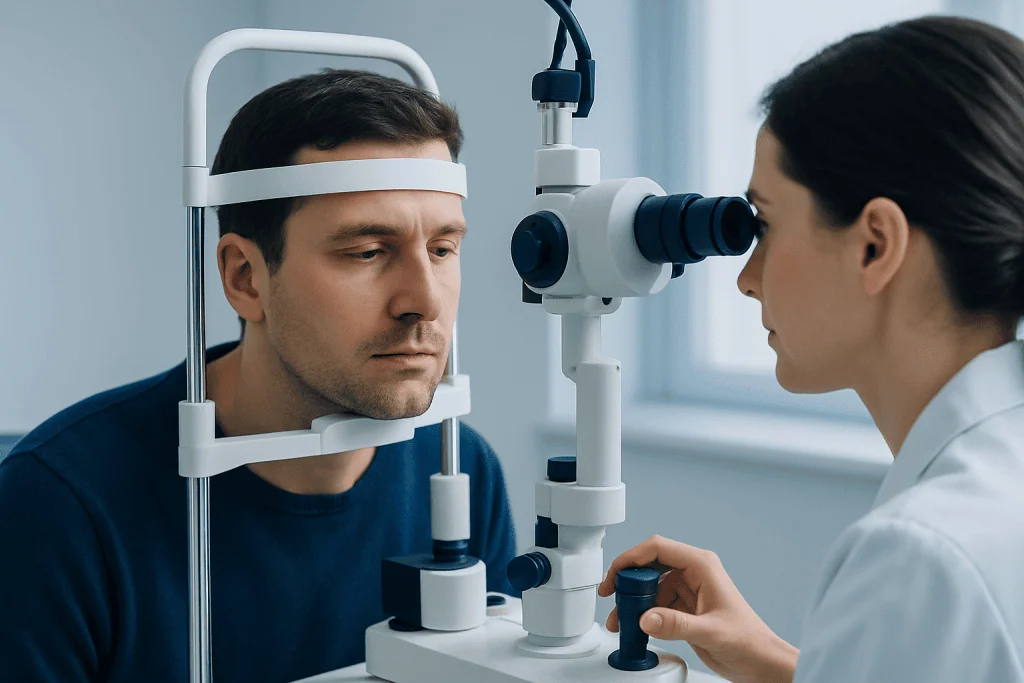
Blepharitis often starts with mild symptoms that may be mistaken for tired eyes or simple dryness. Early signs can include itching at the eyelid edges, burning, stinging, watery eyes, and a gritty or sandy feeling. Some people notice that their eyelids feel sticky in the morning or that their eyelashes collect flakes or crusts.
As inflammation continues, the eyelid margins may look red or swollen. The eyes may become more sensitive to light, contact lenses may feel less comfortable, and vision can seem blurry for short periods, especially when the tear film is unstable. Blurry vision that clears after blinking is a common clue that the eye surface is irritated.
Symptoms can vary from day to day. Common complaints include:
- Red, irritated eyelid edges
- Crusting around the eyelashes, especially on waking
- Burning, itching, or a foreign-body sensation
- Watery eyes or dry-feeling eyes
- Sensitivity to light
- Fluctuating blurred vision that improves with blinking
- Discomfort when wearing contact lenses
In some cases, small painful lumps called styes or painless blocked glands called chalazia can develop. Recurrent eyelid bumps may suggest underlying meibomian gland dysfunction or chronic blepharitis.
What causes blepharitis and who is at risk

Blepharitis has several possible causes, and more than one may be present at the same time. A major contributor is meibomian gland dysfunction, in which the oil-producing glands in the eyelids become blocked or produce poor-quality oil. This can destabilize the tear film and irritate both the lids and the surface of the eye.
Another common factor is excess bacteria living along the eyelid margin. These bacteria are normally present on the skin, but overgrowth can trigger inflammation. Some people also have anterior blepharitis, which affects the outer eyelid and lash line and is linked to dandruff-like skin conditions such as seborrheic dermatitis or irritation from cosmetics.
Demodex mites, which live in hair follicles and sebaceous glands, are increasingly recognized as a contributor to chronic blepharitis, especially when there is eyelash debris that looks like sleeves around the lashes. In other cases, allergies, rosacea, environmental irritants, or poor eyelid hygiene can worsen symptoms. Because blepharitis often overlaps with dry eye, both conditions may need attention for symptoms to improve fully.
Risk factors include older age, rosacea, seborrheic dermatitis, oily skin, a history of recurrent styes or chalazia, prolonged screen use that reduces blinking, and contact lens wear. People with chronic inflammatory skin or eye conditions may also be more likely to develop recurrent blepharitis.
How doctors diagnose blepharitis
Blepharitis is usually diagnosed through a clinical eye examination. A doctor or eye specialist asks about symptoms, their timing, and any associated skin problems, dry eye complaints, allergies, contact lens use, or cosmetic products. This history helps identify patterns and likely triggers.
During the exam, the eyelid margins, eyelashes, tear film, and eye surface are carefully inspected. The clinician looks for redness, crusting, blocked oil glands, abnormal gland secretions, lash changes, and signs of irritation on the cornea or conjunctiva. Magnified examination can also help identify Demodex-related findings or complications such as styes and chalazia.
Additional testing is not always needed, but it may be useful when symptoms are severe, recurring, or not responding to routine care. Tear film assessment, evaluation for dry eye, or examination for skin conditions such as rosacea may be part of the workup. If an eyelid lesion appears unusual or persistent, the doctor may recommend further evaluation to rule out other conditions.
Treatment options for blepharitis
The main treatment for blepharitis is regular eyelid hygiene. Warm compresses help soften crusts and loosen thickened oils inside the meibomian glands. After warming the lids, gentle cleansing of the eyelid margins can remove debris, bacteria, and excess oil. This simple routine is often the foundation of treatment and may need to be continued long term, especially in recurring cases.
Lubricating eye drops can help if dry eye symptoms are also present. When inflammation is more significant, doctors may prescribe medications such as antibiotic ointments or drops, short courses of anti-inflammatory eye treatments, or oral medicines in selected cases, particularly when rosacea or gland dysfunction plays a role. If Demodex is suspected, targeted lid treatments may be recommended.
Some patients benefit from office-based procedures that improve meibomian gland function or address chronic lid inflammation. Depending on the findings, an eye specialist may discuss evaluation in a comprehensive eye examination and treatment approaches used for dry eye treatment. If recurrent chalazia or other eyelid conditions are present, related care may also be considered alongside management of the underlying blepharitis.
Treatment works best when it matches the cause. For example, a person with seborrheic dermatitis may need scalp and skin care, while someone with rosacea may need a broader plan for inflammation control. Because blepharitis often returns, the goal is usually long-term control rather than a one-time cure.
Self-care, prevention, and daily habits that help
Daily self-care plays a central role in controlling blepharitis. A consistent routine of warm compresses and gentle lid cleansing can reduce flare-ups and improve comfort over time. Even when symptoms improve, continuing maintenance care may help prevent recurrence.
Supportive habits can also make a difference. Good hand hygiene, avoiding rubbing the eyes, replacing old eye makeup, and removing makeup thoroughly before sleep can reduce irritation around the eyelids. Contact lens wearers may need to limit lens use during flare-ups and follow lens hygiene instructions carefully.
Helpful prevention and self-care steps include:
- Apply warm compresses as advised by a clinician
- Clean the eyelid margins gently and regularly
- Use artificial tears if dryness is present
- Take breaks from screens and blink fully and often
- Manage dandruff, rosacea, or other skin conditions
- Avoid sharing eye cosmetics and replace them regularly
- Seek review if symptoms keep returning despite home care
For some people, controlling related conditions is essential. If there are symptoms of rosacea, chronic dry eye, or repeated eyelid lumps, treating those issues can improve blepharitis control. An eye specialist can help tailor a practical routine based on the person’s symptoms, skin type, and daily habits.
When to seek medical care
Mild blepharitis symptoms often improve with lid hygiene and supportive care, but medical evaluation is important if symptoms are persistent, severe, or worsening. A doctor should assess redness or irritation that does not improve, repeated styes or chalazia, ongoing blurred vision, or discomfort that interferes with daily activities.
Urgent medical attention is needed if there is marked eye pain, significant sensitivity to light, sudden vision loss, pus-like discharge, or rapidly increasing swelling and redness around the eye. These features may point to a problem beyond simple blepharitis and should not be ignored.
Professional care is also helpful when the diagnosis is uncertain or when another eye condition may be present. In some cases, eyelid inflammation overlaps with infections, allergies, or corneal irritation that need different treatment. Acibadem International’s multidisciplinary specialists in JCI-accredited hospitals evaluate and treat eye conditions for international patients, including blepharitis and related ocular surface problems.
Frequently asked questions
Is blepharitis contagious?
Blepharitis itself is usually not considered contagious. Although bacteria can contribute to inflammation, the condition is generally related to eyelid gland problems, skin conditions, or irritation rather than a spreading infection.
Can blepharitis go away on its own?
Mild symptoms may settle temporarily, but blepharitis often tends to recur without regular eyelid care. Many people do best with a consistent maintenance routine rather than waiting for symptoms to pass.
What is the difference between blepharitis and dry eye?
Blepharitis affects the eyelid margins, while dry eye affects the tear film and eye surface. The two conditions often occur together because abnormal oil glands in blepharitis can make tears evaporate more quickly.
Can blepharitis cause blurred vision?
Yes, blepharitis can cause temporary blurred vision when inflammation and poor tear quality disrupt the eye surface. This blurring often improves after blinking, but persistent or significant vision changes should be checked by a doctor.
Are warm compresses enough to treat blepharitis?
Warm compresses are an important first step, but they are not always enough on their own. Some people also need lid cleansing, lubricating eye drops, or prescription treatment depending on the cause and severity.
Can eye makeup make blepharitis worse?
Yes, eye makeup can worsen symptoms in some people, especially if it irritates the eyelid margins or is not removed fully. Old or contaminated products can also add to eyelid irritation, so careful makeup hygiene is important.
This article is for general information only and is not a substitute for professional medical advice. Please consult a qualified doctor about your individual situation.
Explore treatments in Turkey — costs, top hospitals & a free quote
JCI-accredited · board-certified surgeons · reply within 24h
Add us as a Preferred Source to see more of our trusted health content across Google Search, AI Overviews and Discover.

Otorhinolaryngology Specialists at Acibadem





More from the Health Library

Tummy Button Infection: Early Signs, Risk Factors, and How It Is Treated

Ovarian Teratoma Treatment: How It Works, Results and What to Expect

Axial Spondyloarthritis: Diagnosis, Outlook, and Modern Treatment Approaches

Best Areds 2 Eye Supplements for AMD Treatment: How It Works, Results and What to Expect

Understanding Costochondritis Causes: A Complete Patient Guide