Blood Pressure Chart: An Evidence-Based Guide for Patients

A blood pressure chart classifies readings by systolic and diastolic pressure. A single blood pressure reading does not always confirm a diagnosis.
Key Takeaways
- A blood pressure chart classifies readings by systolic and diastolic pressure.
- A single blood pressure reading does not always confirm a diagnosis.
- Repeated measurements taken correctly at home can give a clearer picture.
- High blood pressure often causes no symptoms, so screening matters.
- Very high or very low readings may need prompt medical attention.
A blood pressure chart helps patients understand whether a reading falls into a normal, elevated, high, or low range. It is a useful guide, but blood pressure should be interpreted in context, using repeated readings and a clinician’s advice rather than a single number alone.
Overview: what a blood pressure chart shows
A blood pressure chart is a quick reference that shows how a blood pressure reading is categorized. In adults, blood pressure is written as two numbers, such as 120/80 mmHg. The top number is systolic pressure, which reflects the pressure in the arteries when the heart contracts. The bottom number is diastolic pressure, which reflects the pressure when the heart relaxes between beats.
In general, a normal reading is less than 120 systolic and less than 80 diastolic. Elevated blood pressure means the systolic pressure is 120 to 129 while the diastolic pressure remains below 80. High blood pressure, also called hypertension, is usually defined as 130 or higher systolic, 80 or higher diastolic, or both, depending on repeated measurements and clinical evaluation.
A practical blood pressure chart for adults is:
- Normal: less than 120 and less than 80
- Elevated: 120-129 and less than 80
- Hypertension stage 1: 130-139 or 80-89
- Hypertension stage 2: 140 or higher or 90 or higher
- Hypertensive crisis: 180 or higher and/or 120 or higher
Low blood pressure does not have one single universal cutoff for every person, but many clinicians consider readings below about 90/60 mmHg low, especially if symptoms are present. Because age, pregnancy, medical conditions, medications, and activity level can affect readings, a blood pressure chart is most helpful when it is used as a guide rather than a diagnosis by itself.
How to read the numbers and why both matter
Many patients focus on the top number, and it is true that systolic pressure often becomes especially important with aging because blood vessels gradually stiffen over time. However, the lower number also matters. A person may have a normal systolic reading but an elevated diastolic reading, and that can still be clinically important.
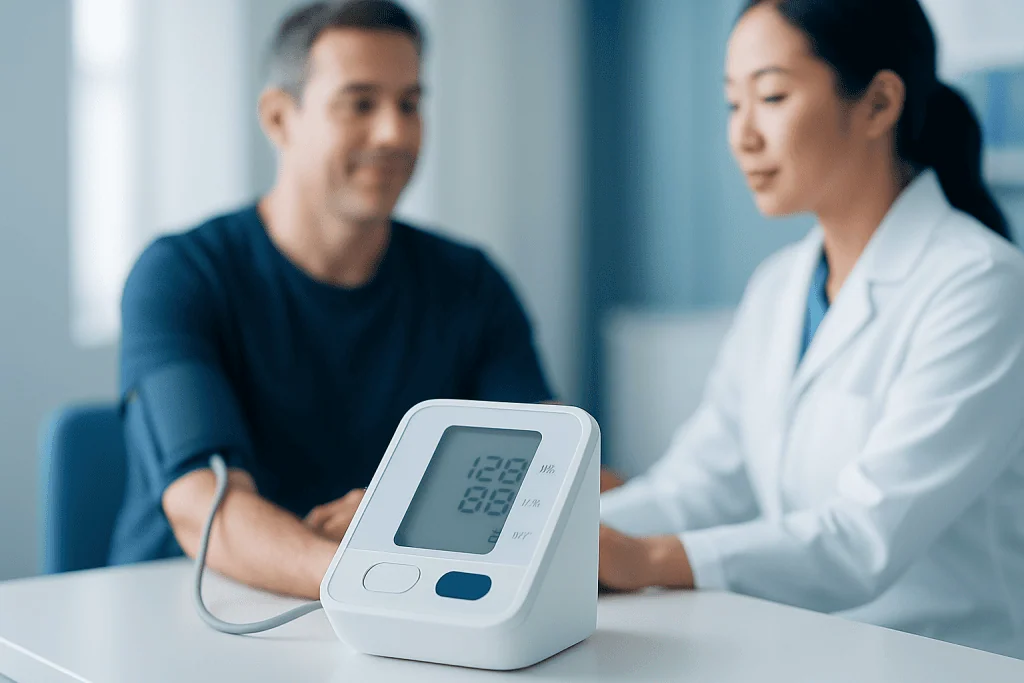
Doctors interpret the reading by looking at whichever number falls into the higher category. For example, a reading of 128/82 is not considered merely elevated because the diastolic pressure is in the high range. Likewise, 142/78 falls into stage 2 hypertension because the systolic number is high even though the diastolic number is not.
Trends are often more informative than one isolated result. Blood pressure naturally changes through the day and may rise temporarily with stress, exercise, pain, caffeine, nicotine, or poor sleep. For this reason, clinicians often recommend several readings taken over time at home or in the clinic before deciding whether a patient has sustained hypertension or another problem such as white coat hypertension.
Pulse pressure, which is the difference between systolic and diastolic numbers, can also be relevant in some situations. Still, for most patients, the main goal is first to understand the basic chart and then to discuss personal targets with a healthcare professional, especially if they have diabetes, kidney disease, heart disease, pregnancy-related concerns, or are older adults.
What affects blood pressure readings

Blood pressure is influenced by the heart, the blood vessels, the kidneys, hormones, and the nervous system. It also responds to everyday factors such as body position, hydration, physical activity, emotional stress, and the size and placement of the blood pressure cuff. A reading can appear higher or lower than usual simply because it was measured under less-than-ideal conditions.
Common factors that can raise a reading for a short time include recent exercise, caffeine, smoking, alcohol, anxiety, talking during the measurement, a full bladder, or sitting with the feet unsupported. On the other hand, dehydration, prolonged bed rest, some medications, and standing up quickly may lower blood pressure.
Long-term high blood pressure is associated with several risk factors. These include increasing age, family history, excess body weight, a high-salt diet, physical inactivity, chronic stress, poor sleep, obstructive sleep apnea, kidney disease, diabetes, and some endocrine disorders. Low blood pressure may occur in healthy people without causing problems, but it may also be related to dehydration, blood loss, infection, heart conditions, or side effects of medicines.
Because blood pressure reflects overall cardiovascular health, abnormal readings may lead doctors to evaluate related conditions. In some patients, this may include assessment for hypertension or broader cardiovascular risk factors, not just the numbers on a chart alone.
How to measure blood pressure correctly at home
Home monitoring can be very helpful because it shows blood pressure in a more typical daily setting. To improve accuracy, patients should use a validated upper-arm monitor with the correct cuff size. They should avoid exercise, caffeine, and smoking for about 30 minutes beforehand if possible, and rest quietly for at least 5 minutes before taking a reading.
The person should sit with the back supported, feet flat on the floor, and legs uncrossed. The arm should be supported at heart level. It is best not to talk during the measurement. Two readings, taken about one minute apart, are often more useful than one alone, and readings should ideally be recorded at the same times each day for several days.
A home blood pressure log may include the date, time, reading, heart rate if shown, and any relevant notes such as symptoms, medication timing, stress, or exercise. These details can help a doctor identify patterns and decide whether a reading reflects normal variation, an equipment problem, or a true health issue.
If home readings remain high, a clinician may recommend additional evaluation or treatment. Depending on the situation, assessment may include cardiovascular review or cardiology care to look at heart and vascular health in a broader context.
What high and low blood pressure can mean
Persistently high blood pressure usually does not cause obvious symptoms, which is why it is sometimes discovered during routine screening. Over time, untreated hypertension can increase the strain on blood vessels and vital organs. It may raise the risk of heart attack, stroke, heart failure, kidney disease, vision problems, and other complications.
A diagnosis of high blood pressure is generally not based on one reading alone unless the numbers are very high or there are warning signs. Doctors often confirm the pattern with repeat clinic readings, home monitoring, or ambulatory blood pressure monitoring. They may also review medications, diet, sleep, stress, kidney function, and other health conditions.
Low blood pressure may be normal for some people, especially if they feel well. It becomes more concerning when it causes symptoms such as dizziness, fainting, blurred vision, nausea, unusual fatigue, or confusion. In those cases, the cause matters more than the number by itself.
When blood pressure is significantly abnormal or difficult to control, treatment focuses on the underlying reason as well as the reading. In selected patients, care may involve hypertension treatment and evaluation for related vascular or metabolic factors.
Treatment, lifestyle changes, and blood pressure goals
Treatment depends on how high the blood pressure is, whether the pattern is persistent, and whether the person has other medical risks. For some patients with elevated blood pressure or stage 1 hypertension, doctors may begin with lifestyle changes. These often include reducing sodium intake, maintaining a healthy weight, staying physically active, limiting alcohol, not smoking, improving sleep, and following a balanced eating pattern rich in fruits, vegetables, legumes, and whole grains.
When lifestyle changes are not enough, medication may be recommended. The choice of medicine depends on age, other health conditions, kidney function, pregnancy status, and possible side effects. Patients should not stop or adjust prescribed blood pressure medicine on their own, even if home readings improve, unless their doctor advises it.
Blood pressure goals are individualized. A target that is appropriate for one patient may not be ideal for another. Older adults, people with diabetes, patients with chronic kidney disease, and those with cardiovascular disease may need more tailored treatment plans and follow-up.
Because hypertension can affect the heart, kidneys, brain, and eyes, a multidisciplinary approach may sometimes be useful. Near the end of the care pathway, patients who need coordinated evaluation may benefit from comprehensive check-up services to review blood pressure together with other health indicators.
When to seek medical care
Medical advice is appropriate if blood pressure readings are repeatedly above normal, if there is a sudden unexplained change from a person’s usual range, or if low readings are causing symptoms. It is also sensible to seek evaluation if a patient has risk factors such as kidney disease, diabetes, pregnancy, obesity, or a strong family history of cardiovascular disease.
Urgent medical attention is needed if a reading is 180/120 mmHg or higher and is accompanied by symptoms such as chest pain, shortness of breath, severe headache, weakness, confusion, vision changes, or trouble speaking. These symptoms may signal an emergency and should not be ignored.
Likewise, patients with fainting, severe dizziness, signs of dehydration, or possible blood loss should be assessed promptly, especially if low blood pressure is persistent. For children, pregnant patients, and adults with complex medical conditions, blood pressure interpretation should always be individualized by a qualified clinician.
Acibadem International’s multidisciplinary specialists and JCI-accredited hospitals diagnose and treat blood pressure disorders for international patients when further assessment or treatment is needed.
Frequently asked questions
What is a normal blood pressure reading for adults?
For most adults, a normal blood pressure reading is below 120/80 mmHg. However, a healthy target can vary depending on age, pregnancy, and certain medical conditions, so a doctor may recommend a personal goal.
Can one high reading mean someone has hypertension?
Not usually. Blood pressure can rise temporarily because of stress, pain, caffeine, exercise, or anxiety, so doctors usually look for repeated high readings over time before diagnosing hypertension.
Is low blood pressure always dangerous?
No. Some people naturally have lower blood pressure and feel completely well. It becomes more important when it causes symptoms such as dizziness, fainting, weakness, or confusion, or when it happens suddenly.
How often should blood pressure be checked at home?
That depends on the reason for monitoring. Many patients are asked to check it at the same times each day for several days or weeks, but the schedule should follow a clinician’s advice so the results are interpreted correctly.
Why are home readings different from clinic readings?
Blood pressure changes throughout the day, and clinic readings may be affected by anxiety, activity, or timing. Home monitoring can provide a more typical picture, especially when measurements are taken carefully with a validated device.
What lifestyle changes help improve blood pressure?
Healthy habits that may help include reducing salt intake, staying active, keeping a healthy weight, limiting alcohol, avoiding tobacco, managing stress, and improving sleep. These steps can support overall heart and vascular health even when medication is also needed.
This article is for general information only and is not a substitute for professional medical advice. Please consult a qualified doctor about your individual situation.
Explore treatments in Turkey — costs, top hospitals & a free quote
JCI-accredited · board-certified surgeons · reply within 24h
Add us as a Preferred Source to see more of our trusted health content across Google Search, AI Overviews and Discover.
Check your numbers in seconds
BMI, calories, due date, blood pressure and 30+ more clinical calculators — free, instant, doctor-reviewed ranges.

More from the Health Library

Jellyfish Sting: What Patients Need to Know

Babymoon: An Evidence-Based Guide for Patients

Blind in One Eye: An Evidence-Based Guide for Patients

Hydrocortisone Cream — Explained by Medical Evidence, Not Myths

Intermittent Catheter — Explained by Medical Evidence, Not Myths