Body Contouring: An Evidence-Based Guide for Patients

Body contouring can target stubborn fat, loose skin, or body shape concerns, but it is not a substitute for weight loss. Treatments range from non-surgical fat reduction and skin tightening to operations such as liposuction or tummy tuck surgery.
Key Takeaways
- Body contouring can target stubborn fat, loose skin, or body shape concerns, but it is not a substitute for weight loss.
- Treatments range from non-surgical fat reduction and skin tightening to operations such as liposuction or tummy tuck surgery.
- Results depend on skin elasticity, weight stability, medical history, and realistic expectations.
- A medical assessment helps determine whether a person is a good candidate and which technique is safest and most appropriate.
- Recovery time, scarring, and risks vary widely between non-surgical and surgical body contouring methods.
Body contouring is a group of treatments that reshape body areas by reducing fat, tightening skin, or removing excess tissue. The best approach depends on a person’s anatomy, skin quality, overall health, and whether they want a surgical or non-surgical option.
Overview: what body contouring means
Body contouring is the term used for treatments that improve the shape and proportions of specific body areas. In practical terms, this may mean reducing localized fat, tightening mild to moderate skin laxity, or surgically removing extra skin and tissue after weight changes, pregnancy, or aging. The goal is contour improvement rather than major weight reduction.
Patients often ask whether body contouring is the same as weight-loss treatment. It is not. Body contouring works best when a person is already close to a stable, healthy weight and wants to address areas that do not respond as expected to diet and exercise. Examples include the abdomen, flanks, thighs, arms, back, under-chin area, and buttocks.
There are two broad categories. Non-surgical body contouring uses technologies such as cooling, heat, ultrasound, or radiofrequency to reduce small fat deposits or encourage skin tightening. Surgical body contouring includes procedures that physically remove fat or excess skin, such as liposuction, tummy tuck surgery, or body lift procedures. Each option has different benefits, limitations, and recovery needs.
Who may consider body contouring
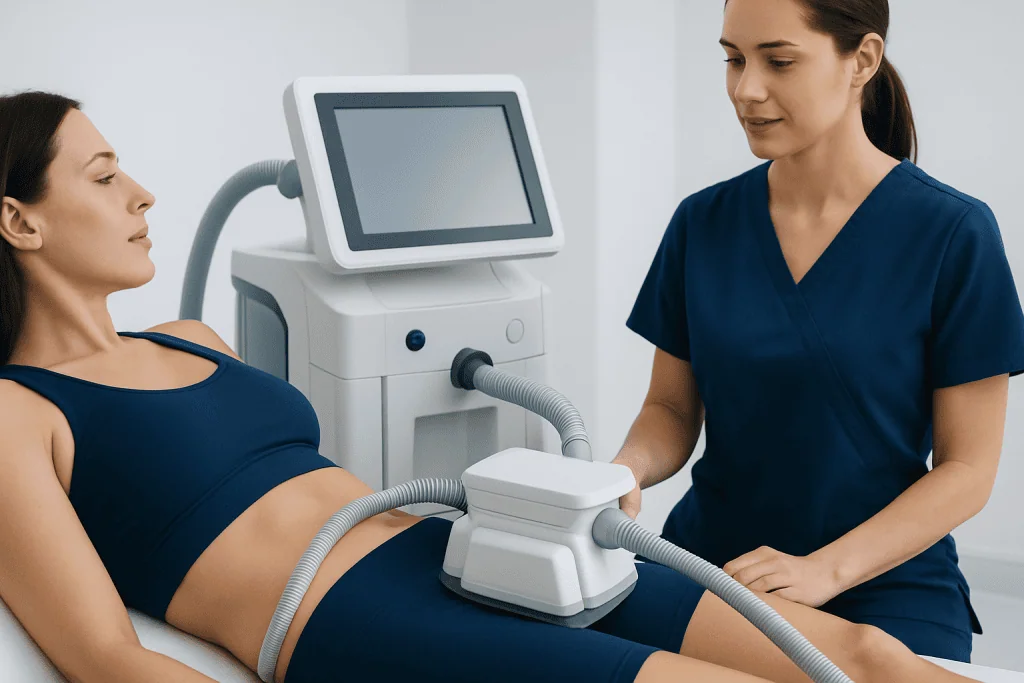
Body contouring may be considered by adults who are bothered by stubborn fat pockets, loose skin, or body shape changes that remain after lifestyle efforts. Common reasons include post-pregnancy abdominal changes, contour changes related to aging, or loose tissue after significant weight loss.
Good candidates usually have realistic expectations and understand that body contouring refines shape rather than creating a completely new body. They are generally in good overall health, at a relatively stable weight, and able to follow aftercare instructions. For surgery, not smoking or being willing to stop smoking before and after treatment is especially important because smoking can slow healing and increase the risk of complications.
Some people are better suited to non-surgical treatments, especially if concerns are mild and they prefer minimal downtime. Others may need surgery because extra skin is the main issue, not just fat. For example, a person with a hanging abdominal apron after major weight loss may gain more benefit from skin-removal surgery than from a device-based treatment alone.
Body contouring is sometimes discussed after obesity treatment or major weight loss. In that context, clinicians may also assess related issues such as skin irritation in folds, hygiene difficulty, or reduced comfort with movement. These concerns can overlap with obesity care and long-term weight management.
Common types of body contouring
Non-surgical body contouring includes treatments designed to reduce small areas of fat or improve skin firmness without incisions. Depending on the technology used, these methods may cool fat cells, heat tissue, deliver focused ultrasound, or stimulate collagen remodeling. Because the body clears treated fat cells gradually, changes appear over weeks to months rather than immediately.
These non-surgical options can be helpful for people with good skin tone and limited, well-defined problem areas. They usually involve less recovery time than surgery, but they also have limits. They do not remove large amounts of fat, and they cannot correct moderate to severe loose skin. More than one session may be needed.
Surgical body contouring includes procedures that remove fat, skin, or both. Liposuction reshapes areas by suctioning fat through small incisions. A body lift can address loose tissue around the abdomen, hips, thighs, or buttocks after major weight loss. In selected cases, a combined contouring approach after pregnancy may be considered when several areas need attention.
Doctors choose among these options based on body area, tissue quality, goals, and the person’s general health. Sometimes the best plan uses more than one technique, such as fat reduction plus surgical skin removal, but combination treatment should always be individualized.
Benefits, limits, and realistic expectations
The main benefit of body contouring is improved shape in areas that have been resistant to lifestyle measures or altered by pregnancy, aging, or major weight change. Many patients also value better fit in clothing, reduced rubbing or heaviness in skin folds, and greater comfort during activity.
At the same time, body contouring has clear limits. It is not a treatment for obesity, and it does not replace healthy eating, physical activity, or medical weight management. It also does not stop future weight gain or natural aging changes. If weight fluctuates significantly after treatment, results may change.
Expectations are especially important. Surgical treatments can make larger changes but involve scars, anesthesia, and recovery time. Non-surgical treatments usually have smaller, more gradual results and may require repeat sessions. Neither approach guarantees symmetry or perfection, because the human body naturally varies from side to side and tissue response differs from person to person.
A thorough consultation should include discussion of what can reasonably improve, what may not improve, and what trade-offs are involved. This evidence-based, personalized planning often matters as much as the procedure itself.
Risks and possible side effects
All body contouring methods carry some risk, although the type and severity of risk depend on the procedure. Non-surgical treatments commonly cause temporary redness, swelling, tenderness, numbness, bruising, or skin sensitivity. These effects often settle within days to weeks, but a clinician should review what is expected for the specific device being used.
Surgical body contouring has broader risks because it involves incisions and, in many cases, anesthesia. Potential complications can include bleeding, infection, delayed wound healing, fluid collection, contour irregularities, changes in skin sensation, scarring, or blood clots. The risk profile may be higher in people who smoke, have uncontrolled chronic disease, or undergo extensive combined procedures.
Some risks are specific to the chosen technique. For example, liposuction may leave unevenness if tissue healing is irregular, while skin-removal surgery can create longer scars. Device-based fat reduction can occasionally lead to unexpected changes in treated tissue, although serious problems are uncommon when treatment is selected appropriately and performed by trained professionals.
Safety starts with careful patient selection, realistic planning, and qualified medical care. People should ask who will perform the procedure, whether it is suitable for their anatomy, what preparation is needed, and how complications would be managed if they occur.
Assessment, planning, and preparation
Before body contouring, a doctor reviews medical history, medications, allergies, previous surgeries, and lifestyle factors such as smoking. The examination usually focuses on fat distribution, skin elasticity, muscle tone, scars, and whether the concern is mainly excess fat, excess skin, or both. Photos may be used for planning and to help compare results over time.
Preparation depends on the procedure. A person may be advised to keep weight stable, stop smoking, avoid certain medications or supplements that increase bleeding risk, and arrange help at home if surgery is planned. In some cases, laboratory tests or medical clearance are needed, especially for larger operations or patients with ongoing health conditions.
This planning stage is also the time to discuss recovery honestly. People often focus on the procedure itself, but the healing period strongly affects the overall experience. Questions about downtime, compression garments, activity restrictions, scar care, and return to work should be reviewed in advance so expectations are practical.
If body changes are related to abdominal muscle separation after pregnancy, a hernia, or persistent skin problems in folds, the assessment may involve more than cosmetic goals alone. Identifying the true source of concern helps match the treatment to the problem rather than choosing a procedure based only on trends or marketing language.
Recovery, self-care, and long-term results
Recovery is usually brief after non-surgical body contouring, and many people return to routine activities quickly. Mild swelling or tenderness may temporarily affect comfort, but this often improves on its own. Results typically develop gradually as the body responds to treatment.
After surgery, recovery is more structured. Temporary swelling, bruising, drainage, and discomfort are common, and compression garments may be recommended depending on the procedure. Walking is usually encouraged early to support circulation, but strenuous exercise and heavy lifting often need to wait until the surgeon says it is safe.
Long-term results depend on weight stability and ongoing self-care. Body contouring removes or reduces targeted tissue, but remaining fat cells can still enlarge with future weight gain. A balanced diet, regular movement, adequate sleep, and smoking avoidance help support healing and maintain contour changes.
Near the end of treatment planning, some patients benefit from care in centers with coordinated specialties, especially when body contouring follows major weight loss or involves multiple body areas. Acibadem International’s multidisciplinary specialists and JCI-accredited hospitals diagnose and treat this condition for international patients when advanced assessment and individualized treatment are needed.
When to seek medical care
A qualified doctor should assess anyone considering body contouring if they have significant loose skin, symptoms in skin folds, major recent weight change, or medical conditions that may affect healing. Professional guidance is also important when choosing between non-surgical treatment and surgery, because these options are not interchangeable.
After a procedure, medical review is important if symptoms seem more severe than expected or do not improve as advised. Warning signs can include increasing redness, fever, worsening swelling, significant bleeding, sudden shortness of breath, chest pain, severe calf pain, or wounds that open or drain unexpectedly. These symptoms may not always mean a serious complication, but they should be assessed promptly.
People should also contact their care team if they are distressed by asymmetry, prolonged numbness, or a result that seems very different from what was discussed. Follow-up visits allow the clinician to check healing, answer questions, and decide whether observation, supportive care, or further treatment is appropriate.
Frequently asked questions
Is body contouring the same as weight loss?
No. Body contouring is designed to reshape specific areas, not to produce major overall weight reduction. It is usually most effective for people who are already near a stable weight and want to address stubborn fat or loose skin.
What is the difference between surgical and non-surgical body contouring?
Non-surgical body contouring uses energy-based technologies to reduce small fat deposits or tighten mild skin laxity without incisions. Surgical body contouring removes fat or excess skin more directly and can create larger changes, but it involves downtime, scars, and a higher risk of complications.
How long do body contouring results last?
Results can last for years if weight remains stable and overall health habits are maintained. However, future weight gain, pregnancy, and natural aging can change the body over time, even after successful treatment.
Does body contouring remove loose skin?
Some non-surgical treatments may help mild skin laxity, but they cannot remove large amounts of extra skin. When loose skin is significant, surgery is often the more effective option because it can physically remove excess tissue.
Is body contouring painful?
Comfort levels vary by treatment type and body area. Non-surgical procedures may cause temporary cold, heat, pulling, or tenderness, while surgery involves postoperative discomfort that is managed with a recovery plan provided by the treating team.
Who is not a good candidate for body contouring?
A person may not be an ideal candidate if they have unrealistic expectations, unstable weight, uncontrolled medical conditions, or habits such as smoking that can impair healing. A medical evaluation is important to decide whether treatment is safe and likely to be helpful.
This article is for general information only and is not a substitute for professional medical advice. Please consult a qualified doctor about your individual situation.
Body Contouring in Turkey — costs, top hospitals & a free quote
JCI-accredited · board-certified surgeons · reply within 24h
Add us as a Preferred Source to see more of our trusted health content across Google Search, AI Overviews and Discover.

Plastic, Reconstructive & Aesthetic Surgery
Reconstructive and aesthetic procedures for the face and body, performed by experienced surgeons.
35 specialists in this unitMore from the Health Library

Liver Cyst: What Patients Need to Know

De Calcium: What Patients Need to Know

Bean Sprouts: What Patients Need to Know

Pessary: What Patients Need to Know

Breztri Cost — Explained by Medical Evidence, Not Myths

HPV Warts: What Patients Need to Know
Aesthetic Plastic & Reconstructive Surgery Specialists at Acibadem
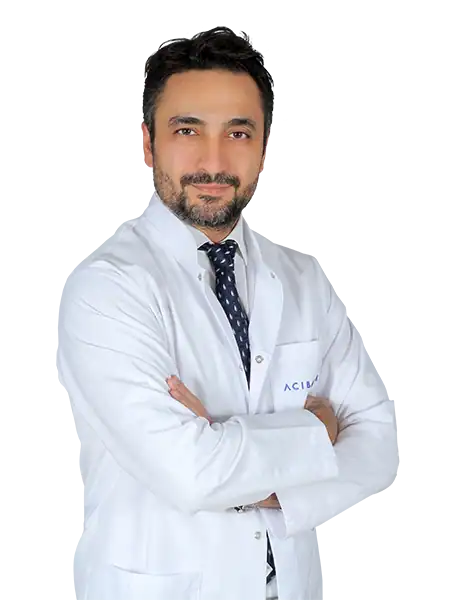
Assoc. Prof. Dr. Mehmet Altıparmak
Aesthetic Plastic & Reconstructive Surgery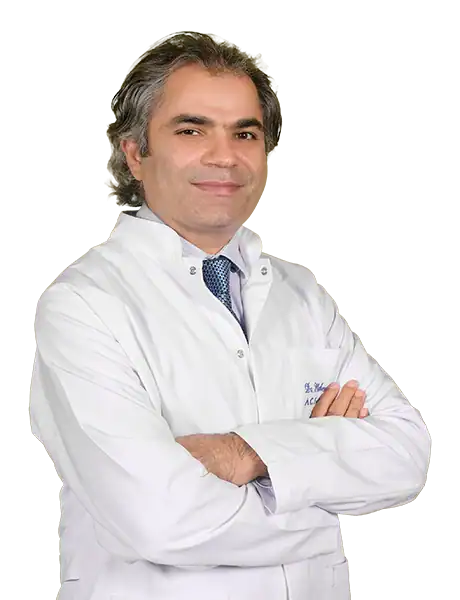
Assoc. Prof. Dr. Mehmet Sağır
Aesthetic Plastic & Reconstructive Surgery
Dr. Mehmet Severcan
Aesthetic Plastic & Reconstructive Surgery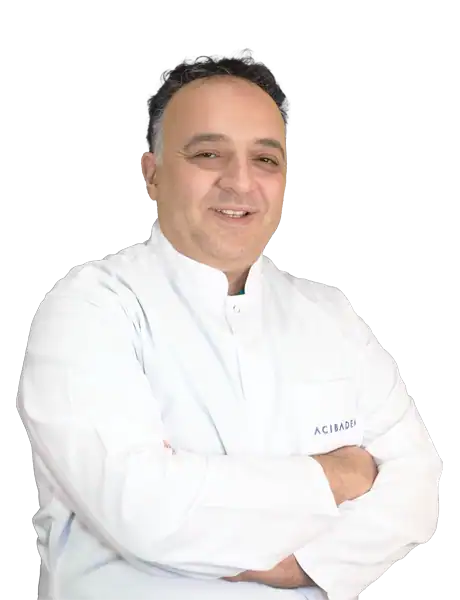
Prof. Dr. Mehmet Veli Karaaltın
Aesthetic Plastic & Reconstructive Surgery