Body weight for 5’3 female: Symptoms, Causes, and Treatment — Complete Patient Guide

There is no single ideal weight for every 5'3 female; healthy weight is individualized. A BMI-based healthy range for 5'3 is often estimated at about 104–141 pounds.
Key Takeaways
- There is no single ideal weight for every 5'3 female; healthy weight is individualized.
- A BMI-based healthy range for 5'3 is often estimated at about 104–141 pounds.
- Weight changes can reflect lifestyle factors, hormones, medications, or medical conditions.
- Doctors assess weight together with waist circumference, body composition, diet, activity, and lab results.
- Sustainable habits usually work better than restrictive diets or rapid weight-loss plans.
Body weight for 5'3 female does not come down to one perfect number. A commonly used BMI-based healthy range is roughly 104 to 141 pounds, but overall health, muscle mass, waist size, age, and medical history also matter.
Overview: what is a healthy body weight for a 5'3 female?
For many adults, body weight for 5’3 female is often estimated using body mass index, or BMI. At a height of 5 feet 3 inches, a BMI in the generally accepted healthy range of 18.5 to 24.9 corresponds to about 104 to 141 pounds. This can be a useful starting point, but it is not a diagnosis and it does not define health on its own.
A person can fall outside that range and still need a thoughtful, individualized medical assessment. Muscle mass, frame size, age, menstrual status, pregnancy history, ethnicity, activity level, and long-term health conditions can all influence what is healthy for one person. For example, an athlete with more muscle may weigh more without having excess body fat, while someone within the BMI range may still have metabolic risk factors.
That is why clinicians look beyond a chart. They may consider waist circumference, blood pressure, sleep quality, energy levels, cholesterol, blood sugar, thyroid function, and eating patterns. The goal is not to reach a cosmetic target, but to support overall health, function, and well-being.
How weight relates to symptoms and daily health
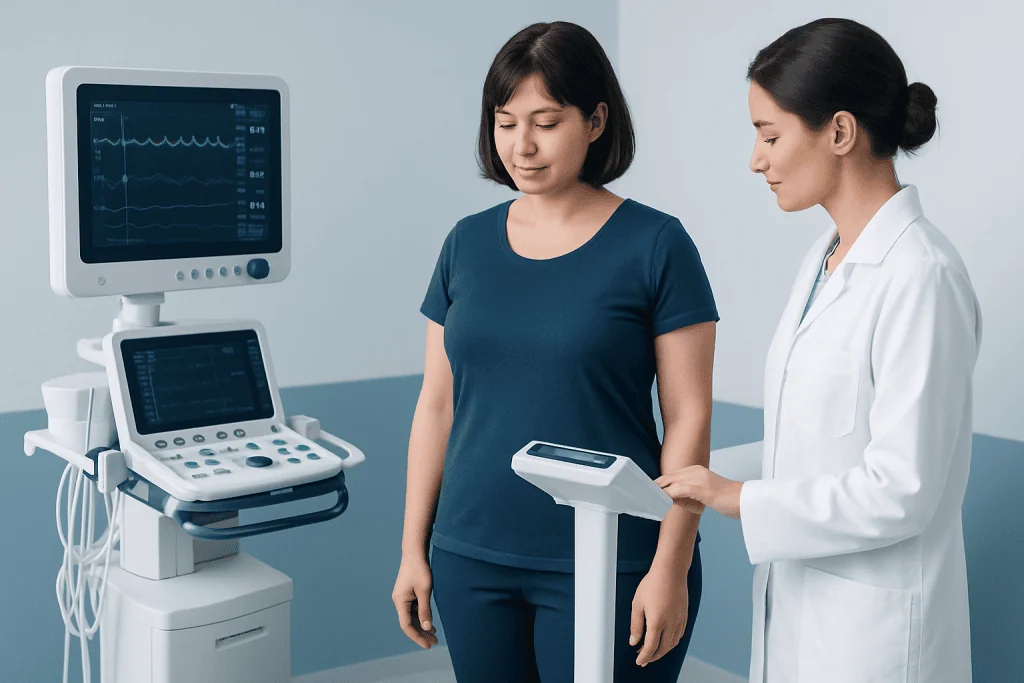
Body weight itself is not a disease, but being below or above a person’s healthy range can sometimes be linked with symptoms. When weight is too low for the body’s needs, a person may notice fatigue, feeling cold, dizziness, hair thinning, missed or irregular periods, reduced strength, or more frequent illness. Unintentional weight loss can also be a sign that something else is affecting nutrition, absorption, mood, or hormones.
When weight is higher than the body comfortably manages, symptoms may include shortness of breath with activity, joint discomfort, snoring, low energy, swelling in the legs, heartburn, or difficulty sleeping. Some people also develop changes in blood sugar, cholesterol, or blood pressure before they feel obvious symptoms.
It is also common for weight concerns to affect emotional health. Repeated dieting, body image distress, and social pressure can contribute to anxiety, low mood, and disordered eating behaviors. A balanced medical approach pays attention to both physical and mental well-being rather than focusing only on the number on the scale.
- Possible signs of underweight: fatigue, feeling faint, irregular periods, low immunity
- Possible signs linked with excess weight: reduced stamina, joint pain, snoring, reflux
- Warning sign in either direction: unplanned weight change over weeks to months
What influences weight at this height?

Many factors help explain why one 5’3 female may naturally weigh more or less than another. Genetics influence appetite regulation, body shape, and how the body stores fat. Daily habits also matter, including nutrition quality, portion sizes, physical activity, sleep, alcohol intake, and stress levels.
Hormones can have a major effect on body weight. Conditions involving the thyroid, insulin, cortisol, or reproductive hormones may lead to weight gain or weight loss. Polycystic ovary syndrome, for example, can make weight management more difficult in some women and may occur alongside irregular periods or acne. Clinicians may also think about polycystic ovary syndrome or other endocrine causes if symptoms suggest them.
Medicines can contribute as well. Some antidepressants, steroids, diabetes treatments, and other long-term medications may change appetite, fluid balance, or metabolism. In other situations, low body weight may be related to digestive disorders, chronic infection, overexercise, depression, or an eating disorder such as anorexia nervosa.
Life stage is another consideration. Weight commonly shifts during adolescence, after pregnancy, around menopause, and with aging. These changes do not automatically mean something is wrong, but they can be worth discussing if they are rapid, distressing, or accompanied by other symptoms.
How doctors assess healthy weight
A healthcare professional usually starts with a detailed history and a physical examination. They may ask about recent weight changes, diet, exercise, menstrual cycles, digestive symptoms, sleep, stress, medications, and family history. This helps clarify whether the main issue is simply finding a realistic target weight or whether there may be an underlying medical cause.
Measurements often include weight, height, BMI, and waist circumference. Waist size can be helpful because abdominal fat is more strongly linked with cardiometabolic risk than weight alone. In some settings, body composition tests may estimate the proportion of body fat and muscle, although these tools are interpreted with caution and are not always necessary.
If symptoms or history raise concern, tests may be recommended. These can include blood sugar, cholesterol, thyroid tests, liver function, kidney function, iron levels, vitamin levels, or hormone-related testing. When there are signs of nutritional problems, disordered eating, or obesity-related complications, a doctor may expand the assessment. Depending on the situation, clinicians may also evaluate related conditions such as obesity.
Treatment options and healthy weight management
Treatment depends on the reason for the weight concern. If a 5’3 female is generally healthy and simply wants to know whether her weight is appropriate, the focus may be on lifestyle guidance and realistic goals rather than medical treatment. If weight change is driven by a condition such as thyroid disease, PCOS, depression, digestive illness, or medication effects, treatment targets that underlying problem first.
For weight gain concerns, care usually begins with a structured plan built around nutritious eating, regular physical activity, sleep, and behavior change. A registered dietitian can help create an eating pattern that is balanced, sustainable, and appropriate for personal preferences and medical needs. Some people benefit from a specialist-led diet and nutrition program to support gradual, evidence-based progress.
If excess weight is affecting health and lifestyle measures are not enough, doctors may discuss additional treatments. These can include prescription weight-management medications for selected patients or, in some cases, bariatric surgery after careful evaluation. Such decisions are individualized and based on overall health, BMI, complications, and previous treatment efforts.
For underweight or unintentional weight loss, treatment may include increasing calorie and protein intake, managing digestive symptoms, reviewing medications, and addressing any hormonal or mental health factors. When eating behaviors are restrictive or distressing, multidisciplinary support is important and may include medical, nutrition, and psychological care.
Prevention and self-care: building a healthier range over time
Healthy weight management is usually more successful when it centers on daily routines rather than short-term restriction. Meals built around vegetables, fruit, whole grains, beans, nuts, and adequate protein can support satiety and nutrition. Regular movement helps preserve muscle, improve metabolic health, and support mood, even when the scale changes slowly.
Sleep and stress deserve attention too. Poor sleep can affect hunger hormones and food choices, while ongoing stress may increase emotional eating or make meals more irregular. Keeping a consistent sleep schedule, limiting ultra-processed snacks, and planning meals ahead can make healthy choices easier in real life.
Helpful self-care habits may include:
- Tracking trends rather than weighing too often
- Strength training to maintain muscle and bone health
- Choosing gradual changes instead of crash diets
- Limiting sugary drinks and excess alcohol
- Seeking support early if eating feels out of control or overly restrictive
For people with repeated difficulty losing weight despite consistent effort, a formal medical review may help uncover hidden contributors such as sleep apnea, endocrine problems, or medication effects. In selected cases, clinicians may recommend a structured weight loss program as part of long-term care.
When to seek medical care
Medical advice is worth seeking if weight changes significantly without trying, if fatigue or dizziness develops, or if periods become irregular or stop. A person should also be evaluated if weight concerns come with chest symptoms, severe shortness of breath, swelling, persistent vomiting, bowel changes, or signs of poor nutrition.
It is also a good idea to speak with a doctor if efforts to gain or lose weight are not working after several months of consistent, healthy habits. Professional support can help identify whether metabolism, hormones, sleep, stress, medications, or eating behaviors are playing a role. Early guidance may prevent frustration and reduce the chance of unsafe dieting.
If needed, Acibadem International’s multidisciplinary specialists in JCI-accredited hospitals assess weight-related concerns for international patients, including nutritional, hormonal, and metabolic causes, and provide individualized treatment planning.
Frequently asked questions
What is the healthy body weight for a 5'3 female?
A commonly used BMI-based healthy range for a 5'3 female is about 104 to 141 pounds. However, this range is only a screening tool, and healthy weight may vary depending on muscle mass, body composition, age, and medical history.
Is there an ideal weight for every 5'3 woman?
No, there is no single ideal number that fits everyone. Doctors usually look at weight together with waist size, fitness, eating habits, lab results, and how a person feels and functions day to day.
Can someone be healthy even if they are outside the BMI range?
Yes, sometimes they can. BMI is useful for population screening, but it does not directly measure body fat, muscle, or metabolic health, so it should be interpreted in context.
Why might a 5'3 female gain weight even without major diet changes?
Weight gain can be influenced by stress, sleep loss, hormonal shifts, aging, medications, and reduced physical activity as well as calorie intake. Conditions such as thyroid problems or PCOS may also contribute and should be considered if other symptoms are present.
When is low body weight a medical concern?
Low body weight deserves attention if it is accompanied by fatigue, frequent illness, dizziness, hair loss, missed periods, or unintentional weight loss. These signs may point to inadequate nutrition, hormonal changes, digestive issues, or mental health concerns.
What is the safest way to reach a healthier weight?
The safest approach is usually gradual and based on sustainable habits, such as balanced meals, regular exercise, enough sleep, and professional guidance when needed. Extreme diets, detox plans, or rapid weight-loss methods can be hard to maintain and may be harmful.
This article is for general information only and is not a substitute for professional medical advice. Please consult a qualified doctor about your individual situation.
Medical weight-loss options in Turkey — costs & eligibility
JCI-accredited · board-certified surgeons · reply within 24h
Add us as a Preferred Source to see more of our trusted health content across Google Search, AI Overviews and Discover.
Check your numbers in seconds
BMI, calories, due date, blood pressure and 30+ more clinical calculators — free, instant, doctor-reviewed ranges.

More from the Health Library

Infected Piercing Belly: What Patients Need to Know

Tongue Thrust: A Complete Medical Overview

Cervical cancer causes: A Complete Medical Guide for Patients

Vision: An Evidence-Based Guide for Patients

Common Cold: An Evidence-Based Guide for Patients