Cervical cancer causes: A Complete Medical Guide for Patients

Persistent infection with high-risk HPV is the main cause of cervical cancer. Most HPV infections clear on their own, but some remain and can lead to precancerous cervical changes.
Key Takeaways
- Persistent infection with high-risk HPV is the main cause of cervical cancer.
- Most HPV infections clear on their own, but some remain and can lead to precancerous cervical changes.
- Smoking, immune suppression, and lack of regular screening can increase risk.
- Cervical cancer often develops slowly, which is why Pap and HPV testing are important.
- HPV vaccination and routine screening are the most effective ways to reduce risk.
Cervical cancer causes are most often related to a long-lasting infection with high-risk types of human papillomavirus (HPV). Not everyone with HPV develops cancer, but certain factors such as smoking, a weakened immune system, and missed screening can increase the chance of abnormal cervical cells progressing over time.
Overview: What causes cervical cancer?
Cervical cancer causes are closely tied to persistent infection with certain high-risk types of human papillomavirus, or HPV. HPV is a very common virus spread through intimate skin-to-skin contact, and in most people the body clears it naturally. Cervical cancer usually develops only when a high-risk HPV infection stays in the cervix for years and causes cell changes that are not found and treated early.
This means cervical cancer is not caused by one single event. Rather, it develops through a step-by-step process in which normal cervical cells become abnormal, then precancerous, and in some cases cancerous. Regular screening is important because this process often happens silently, without symptoms in the early stages.
Understanding cervical cancer causes can help patients focus on prevention. HPV vaccination, routine cervical screening, and avoiding tobacco are among the most effective ways to reduce risk. It can also help to know that having HPV does not mean a person will definitely develop cancer; it simply means monitoring and follow-up matter.
How HPV leads to cervical cancer
HPV includes many different types. Some low-risk types may cause genital warts, while high-risk types can affect cells in the cervix. The two high-risk strains most often linked with cervical cancer are HPV 16 and HPV 18, although other high-risk types can also play a role.
When a high-risk HPV infection persists, it can interfere with the normal controls that regulate cell growth. Over time, infected cervical cells may begin to grow abnormally. These changes are often called cervical dysplasia or precancerous lesions. If they are not detected and treated, they may progress to cervical cancer.
It is important to remember that HPV infection is common, but cancer is much less common. In many cases, the immune system clears the virus before it causes lasting harm. The main concern is not simply exposure to HPV, but persistent infection combined with other risk factors or lack of screening.
Other risk factors that increase the chance of cervical cancer

Although persistent high-risk HPV infection is the main cause, several other factors can make cervical cancer more likely. These factors do not necessarily cause cancer on their own, but they can make it easier for HPV-related cell changes to develop or persist.
Important risk factors include:
- Smoking or regular tobacco exposure
- A weakened immune system, such as from HIV infection or immunosuppressive medicines
- Not having regular Pap or HPV screening tests
- A history of precancerous cervical changes
- Long-term HPV infection
- Early sexual activity or multiple sexual partners, which can increase the chance of HPV exposure
- Other sexually transmitted infections that may affect cervical health
Smoking is especially relevant because tobacco byproducts can damage cervical cells and reduce the body’s ability to clear HPV. Immune suppression also matters because the immune system plays a central role in controlling viral infections. In practice, cervical cancer usually results from a combination of persistent HPV infection and conditions that allow abnormal cells to remain unnoticed or untreated.
Symptoms and why early disease may be silent
Early HPV infection and precancerous cervical changes often do not cause symptoms. This is one of the main reasons regular screening is so valuable. A person can feel completely well while abnormal cells are developing on the cervix.
When symptoms do occur, they may include abnormal vaginal bleeding, bleeding after sex, bleeding between periods, bleeding after menopause, unusual vaginal discharge, or pelvic pain. These symptoms do not always mean cancer; they can also be caused by infections, benign growths, or other gynecologic conditions. Still, they should be assessed by a doctor.
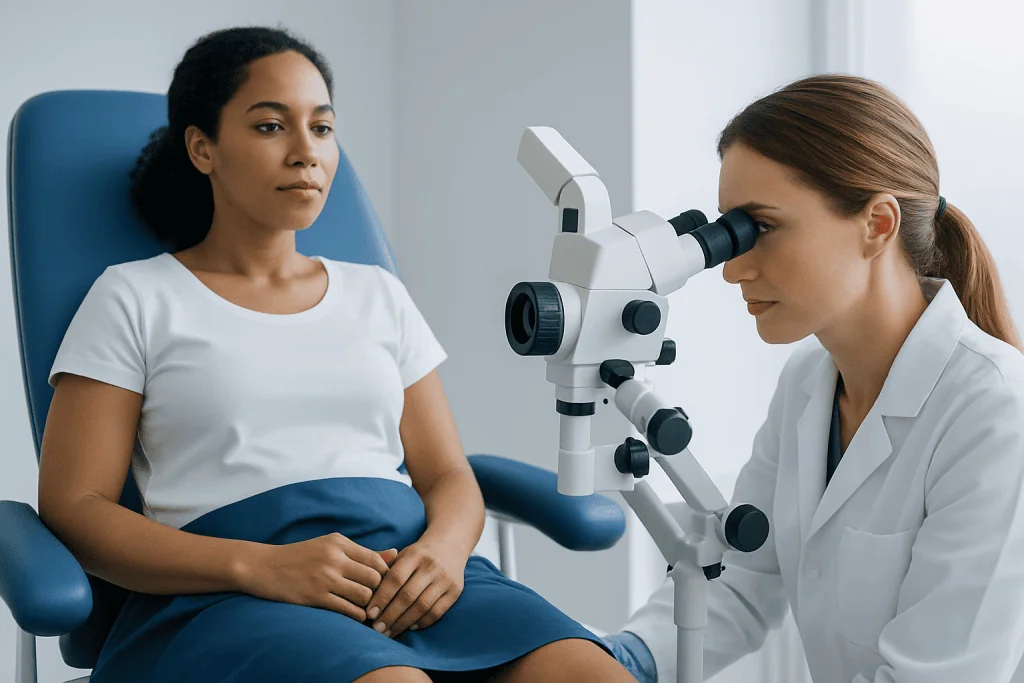
As disease advances, symptoms may become more noticeable, but it is best not to wait for them to appear. Screening can identify abnormal cells before cancer develops and can also help detect disease at an earlier, more treatable stage. If a clinician is concerned, they may recommend further testing and, when appropriate, colposcopy to examine the cervix more closely.
How doctors diagnose the cause and check for cervical changes
Diagnosis usually begins with cervical screening rather than with symptoms alone. Depending on age and local guidelines, screening may include a Pap test, an HPV test, or both. A Pap test looks for abnormal cervical cells, while an HPV test checks for high-risk viral strains linked to cervical cancer causes.
If a screening result is abnormal, the next step may be closer evaluation of the cervix. This can include a detailed colposcopy exam and, if needed, a biopsy to study a small tissue sample. A biopsy can show whether changes are mild, precancerous, or cancerous.
If cancer is diagnosed, further tests may be used to understand its extent and guide treatment planning. Imaging studies and specialist assessments help determine stage and the best treatment approach. In some patients, this process may involve referral to teams experienced in oncology care and gynecologic cancer management.
Treatment options and whether the cause can be removed
Treatment depends on whether the person has HPV infection alone, precancerous cervical changes, or established cancer. HPV itself is often managed through monitoring because many infections clear naturally. What doctors actively treat are the abnormal cell changes caused by persistent infection, especially when they are moderate or severe.
Precancerous lesions may be treated with procedures that remove or destroy abnormal tissue. If cancer is present, treatment may involve surgery, radiation therapy, chemotherapy, or a combination of these. The exact plan depends on the cancer stage, overall health, and fertility considerations. In some cases, management may include radiation oncology treatment as part of a broader care plan.
Because cervical cancer develops over time, treating precancerous changes can often prevent cancer from forming. This is why follow-up after abnormal screening results is so important. Near the end of the care pathway, some patients may seek treatment in specialized centers; Acibadem International’s multidisciplinary specialists and JCI-accredited hospitals diagnose and treat this condition for international patients.
Prevention and self-care: reducing cervical cancer risk
The most effective way to reduce cervical cancer risk is to prevent or detect HPV-related cervical changes early. HPV vaccination offers strong protection against the most important high-risk strains and is recommended according to age and local health guidance. Vaccination does not replace screening, because it does not cover every cancer-related HPV type and may be given after some exposures have already occurred.
Routine screening remains essential even for vaccinated individuals. Pap tests and HPV tests can identify changes before they become dangerous. Attending follow-up visits, repeating tests when advised, and completing any recommended evaluation are all key parts of prevention.
Self-care also matters. Avoiding smoking, practicing safer sex, and supporting overall immune health may help lower risk. While no lifestyle step can fully prevent HPV exposure or cervical cancer, combining vaccination, screening, and healthy habits gives the best protection.
When to seek medical care
Medical advice should be sought promptly for symptoms such as bleeding after sex, bleeding between periods, bleeding after menopause, ongoing pelvic pain, or unusual vaginal discharge. These symptoms often have causes other than cancer, but they deserve evaluation by a qualified clinician.
It is also important to seek care after any abnormal Pap or HPV test result, even if there are no symptoms. Following the recommended next steps can help detect precancerous changes early, when treatment is often simpler and more effective.
Anyone with risk factors such as immune suppression, a history of cervical cell changes, or missed screening should discuss an appropriate screening schedule with a doctor. Patients who have questions about HPV, abnormal results, or prevention can benefit from a gynecology consultation and individualized guidance.
Frequently asked questions
Is HPV the main cause of cervical cancer?
Yes. Persistent infection with high-risk HPV is the main underlying cause of most cervical cancers. However, not everyone with HPV develops cancer, because many infections clear naturally and additional factors influence whether abnormal cells progress.
Can someone get cervical cancer without having symptoms first?
Yes. Early cervical changes and even early cervical cancer may cause no noticeable symptoms. That is why routine Pap and HPV screening are so important, even when a person feels well.
Does having HPV mean a person will definitely get cervical cancer?
No. HPV infection is common, and most infections do not lead to cancer. Risk becomes more concerning when high-risk HPV persists for a long time and is combined with factors such as smoking, immune suppression, or lack of screening.
What increases the risk of cervical cancer besides HPV?
Important risk factors include smoking, a weakened immune system, prior abnormal cervical cells, and not having regular screening. These factors can make it harder for the body to clear HPV or easier for cervical cell changes to progress.
Can cervical cancer be prevented?
In many cases, risk can be greatly reduced through HPV vaccination, regular screening, and prompt follow-up of abnormal results. Avoiding smoking and discussing individual risk with a doctor can also help support prevention.
What should a person do after an abnormal Pap or HPV test?
They should follow their clinician's recommendations for repeat testing or further evaluation. An abnormal result does not automatically mean cancer, but it does mean the cervix needs closer attention to rule out or treat precancerous changes.
References
- World Health Organization
- Centers for Disease Control and Prevention
- National Cancer Institute
- American Cancer Society
- American College of Obstetricians and Gynecologists
This article is for general information only and is not a substitute for professional medical advice. Please consult a qualified doctor about your individual situation.
Cervical Cancer in Turkey — costs, top hospitals & a free quote
JCI-accredited · board-certified surgeons · reply within 24h
Add us as a Preferred Source to see more of our trusted health content across Google Search, AI Overviews and Discover.

Medical Oncology Department
Medical treatment of cancer with chemotherapy, immunotherapy and targeted therapies under a multidisciplinary tumor board.
60 specialists in this unit