Bone and Joint Myths: 10 Common Beliefs That Can Delay Proper Orthopedic Care

Not all bone and joint pain is a normal part of aging or exercise. Persistent swelling, stiffness, weakness, or limited movement should be medically assessed.
Key Takeaways
- Not all bone and joint pain is a normal part of aging or exercise.
- Persistent swelling, stiffness, weakness, or limited movement should be medically assessed.
- Early orthopedic care may help prevent worsening damage and improve recovery.
- Imaging is helpful in some cases, but diagnosis also depends on history and physical examination.
- Self-treatment alone is not enough when symptoms are severe, recurrent, or affecting daily life.
Many people delay orthopedic evaluation because common beliefs about bones, joints, back pain, and aging seem harmless but are not always accurate. Understanding which myths are misleading can help people seek timely care, reduce pain, and protect mobility.
Overview: Why Bone and Joint Myths Matter
Beliefs about bone, joint, and spine problems are often passed down through family, sports culture, or everyday advice. Some of these ideas contain a grain of truth, but others can lead people to ignore symptoms, postpone evaluation, or rely only on home remedies when a medical assessment is needed. Delayed orthopedic care can allow pain, inflammation, instability, or wear-and-tear to progress.
Orthopedic problems affect people of all ages, not only older adults or athletes. A child with a limp, an office worker with neck pain, a runner with knee swelling, or an older adult with a painful hip may all need different types of evaluation. The right diagnosis is important because symptoms that seem similar can come from very different causes, including tendon injury, arthritis, fracture, nerve compression, overuse, or infection.
This article reviews 10 common bone and joint myths that may delay proper care. It also explains when symptoms may need professional attention, how orthopedic conditions are diagnosed, and what treatment options may help. Clear, evidence-based information can help people make safer decisions and avoid unnecessary suffering.
Myth 1 to 4: Common Beliefs About Pain, Age, and Activity
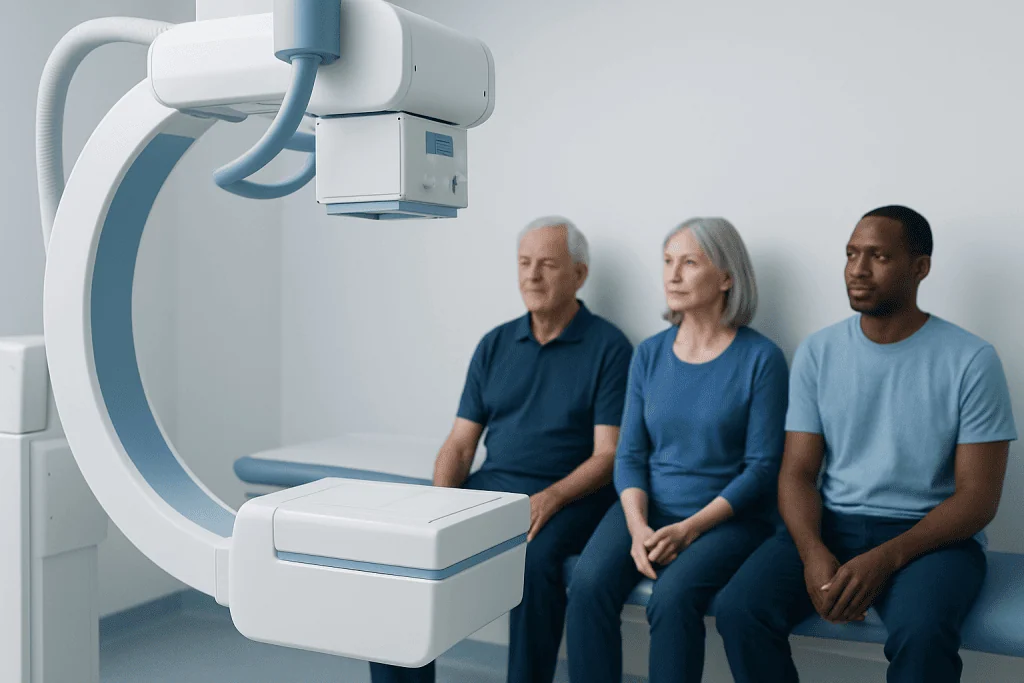
Myth 1: “Bone and joint pain is just a normal part of aging.” While some age-related changes are common, ongoing pain is not something a person should simply accept. Joint pain may be linked to osteoarthritis, tendon disorders, bursitis, spinal problems, or other treatable conditions. Assuming pain is “normal” can delay evaluation and reduce the chance to manage symptoms early.
Myth 2: “If a person can still walk on it, it is not serious.” It is possible to walk with a stress fracture, ligament injury, meniscus tear, or significant sprain. Weight-bearing alone does not rule out an important injury. If pain, swelling, bruising, instability, or reduced range of motion continues after a fall or twist, medical advice is wise.
Myth 3: “Exercise always wears out the joints.” Appropriate movement usually supports joint health by strengthening muscles, maintaining flexibility, and helping control body weight. High-impact or poorly performed activity can aggravate some conditions, but complete inactivity can also worsen stiffness and weakness. The goal is not to avoid movement entirely, but to choose the right kind and amount of activity for the person’s condition.
Myth 4: “Pain means a person should stop all activity until it disappears.” Rest can be helpful in the early phase of an injury, but prolonged immobility may slow recovery in many orthopedic conditions. Guided movement, stretching, and rehabilitation are often important parts of treatment. A clinician can help distinguish between pain that signals harmful strain and pain that can be managed safely during recovery.
Myth 5 to 7: Cracking Joints, Weather Pain, and Back Problems

Myth 5: “Cracking knuckles causes arthritis.” Joint cracking is usually related to pressure changes and gas bubbles within the joint fluid, or to normal movement of tendons and ligaments. For most people, this habit does not directly cause arthritis. However, painful, swollen, or frequently locking joints should still be checked because those symptoms may point to another issue.
Myth 6: “Weather changes are the main reason joints hurt.” Some people do notice that pain feels worse in cold, damp, or changing weather. Even so, weather is not usually the root cause of joint disease. Persistent symptoms still deserve evaluation for conditions such as arthritis, inflammation, old injuries, or muscle imbalance rather than being explained only by the forecast.
Myth 7: “Back pain always means a slipped disc.” Back pain has many possible causes, including muscle strain, joint irritation, poor posture, spinal stenosis, osteoporosis-related fracture, or degenerative disc changes. In some cases, a disc problem is involved, but not every episode of back pain is caused by one. Because treatment depends on the cause, a careful assessment matters more than assumptions about a single diagnosis such as a herniated disc.
These myths can lead people either to dismiss symptoms or to fear the wrong problem. A more helpful approach is to look at the full pattern: when the pain began, what makes it better or worse, whether there is numbness or weakness, and how much it limits sleep, walking, lifting, or daily tasks.
Myth 8 to 10: Surgery, Imaging, and Self-Treatment
Myth 8: “Seeing an orthopedic specialist means surgery is inevitable.” In reality, many bone and joint conditions are treated without surgery. Orthopedic care may include activity modification, bracing, medication, injections, rehabilitation, or monitoring over time. Surgery is usually considered when symptoms are severe, function is significantly affected, or nonsurgical care has not provided enough relief.
Myth 9: “An X-ray or MRI is always needed right away.” Imaging can be very useful, but it is not required for every complaint on the first visit. Doctors usually begin with the medical history and physical examination, then choose imaging based on suspected cause and the presence of warning signs. An X-ray may help identify fracture or joint narrowing, while MRI can evaluate soft tissues such as cartilage, ligaments, tendons, and discs.
Myth 10: “If swelling and pain improve with home care, there is no need to follow up.” Mild symptoms may improve with rest and self-care, but recurring pain, repeated ankle sprains, loss of strength, or reduced motion can indicate an ongoing problem. Temporary improvement does not always mean complete healing. Follow-up is especially important if symptoms return with activity or begin to interfere with work, exercise, or sleep.
Home care has a place, especially after minor strains, but it should not replace assessment when symptoms are intense, unusual, or persistent. Early professional guidance may help patients avoid chronic pain and may reduce the need for more invasive treatment later.
When Symptoms Should Not Be Ignored
Many orthopedic conditions begin gradually. A person may first notice morning stiffness, occasional clicking, discomfort when climbing stairs, or a shoulder that becomes harder to lift. Because symptoms often build slowly, they can be easy to downplay. Yet progressive symptoms may signal joint damage, tendon injury, inflammatory disease, or spinal nerve involvement.
Warning signs that should prompt medical assessment include:
- pain lasting more than a few days or recurring often
- visible swelling, warmth, redness, or deformity
- joint locking, catching, or giving way
- numbness, tingling, or weakness
- loss of range of motion or difficulty bearing weight
- pain after a fall, sports injury, or sudden twist
- back or neck pain with radiating symptoms into an arm or leg
In some situations, prompt care is particularly important, such as suspected fracture, severe pain, inability to move a limb, signs of infection, or sudden swelling after injury. For chronic conditions, evaluation can also help identify whether symptoms are related to osteoarthritis, overuse, or another musculoskeletal disorder requiring a different approach.
How Orthopedic Problems Are Diagnosed
Diagnosis starts with a detailed discussion of symptoms, daily activities, previous injuries, and general health. The doctor may ask when the pain began, whether it is sharp or dull, whether there is stiffness in the morning, and what activities worsen it. This information helps narrow the possible causes and guides the examination.
During the physical exam, the clinician may assess posture, joint alignment, tenderness, swelling, strength, balance, gait, flexibility, and range of motion. Special tests may be used to evaluate ligament stability, meniscus injury, rotator cuff problems, or nerve irritation. The exam often provides important clues that imaging alone cannot show.
If needed, tests such as X-rays, ultrasound, MRI, CT, or blood work may be recommended. The choice depends on whether the concern involves bone, cartilage, soft tissue, nerves, or inflammation. In some cases, patients may also benefit from a focused rehabilitation assessment to identify movement patterns or muscle weakness contributing to pain. Accurate diagnosis helps guide care, whether that means physical therapy and rehabilitation, medication, activity changes, or a procedure.
Treatment Options and the Value of Early Care
Treatment for orthopedic conditions is tailored to the diagnosis, symptom severity, age, activity level, and personal goals. For many people, early treatment begins with conservative measures such as short-term rest from aggravating activities, ice or heat when appropriate, supportive footwear, posture correction, guided exercise, or anti-inflammatory strategies advised by a doctor. Strengthening and flexibility work are often central to recovery.
Rehabilitation can be especially helpful for knee pain, back pain, shoulder injuries, and recovery after sprains. Bracing, orthotics, or supportive devices may be recommended in selected cases. Injections may sometimes help reduce inflammation or improve comfort, although they are not appropriate for every diagnosis.
When structural damage is significant or symptoms do not improve with conservative care, surgical treatment may be considered. Depending on the problem, this might involve arthroscopy for certain joint conditions or joint replacement when severe joint damage greatly limits quality of life. Early assessment does not mean surgery will happen sooner; rather, it helps ensure that the right treatment is chosen at the right time.
Near the end of the care pathway, some patients may seek evaluation in specialized centers. Acibadem International’s multidisciplinary specialists and JCI-accredited hospitals diagnose and treat bone and joint conditions for international patients, with treatment plans based on individual clinical needs.
Prevention, Self-care, and When to See a Doctor
Good bone and joint care starts with practical habits. Regular low-impact exercise, balanced nutrition, adequate calcium and vitamin D intake when advised by a clinician, healthy body weight, and smoking avoidance all support musculoskeletal health. Strength training can help stabilize joints, while stretching and mobility work may improve function and reduce stiffness.
People can also lower injury risk by warming up before sports, increasing training gradually, using proper technique, wearing suitable footwear, and listening to early warning signs rather than pushing through repeated pain. Workplace ergonomics matter as well, especially for those who sit for long periods or perform repetitive lifting. Prevention does not eliminate every problem, but it can reduce strain on vulnerable joints and the spine.
A doctor should be consulted if symptoms are severe, last longer than expected, keep returning, or limit normal activities. It is also sensible to seek care for pain at night, unexplained swelling, visible deformity, or numbness and weakness. Reassurance is important, but so is timely evaluation: many orthopedic problems can be managed more effectively when addressed early rather than after months of compensation and worsening discomfort.
Frequently asked questions
Is joint pain always a sign of arthritis?
No. Joint pain can also be caused by tendon or ligament injuries, bursitis, overuse, inflammation, infection, or referred pain from nearby structures. A medical evaluation helps identify the cause and the most appropriate treatment.
Should a person avoid all exercise if a joint hurts?
Not usually. The right type of movement often helps maintain strength and flexibility, although high-impact or painful activities may need to be reduced temporarily. A doctor or physiotherapist can suggest safer alternatives based on the diagnosis.
When is bone or joint pain serious enough to seek care?
Medical advice is important if pain is severe, follows an injury, causes swelling or instability, or lasts more than a few days without improvement. Numbness, weakness, fever, deformity, or inability to bear weight should be assessed promptly.
Do all orthopedic problems require surgery?
No. Many conditions improve with nonsurgical care such as rehabilitation, activity modification, bracing, and medication recommended by a doctor. Surgery is usually reserved for specific injuries, advanced joint damage, or symptoms that do not improve with conservative treatment.
Can imaging alone diagnose the cause of pain?
Imaging is helpful, but it is only one part of diagnosis. Doctors also rely on the patient’s history and physical examination because scan findings do not always match the person’s symptoms. The most useful test depends on the suspected condition.
Is it safe to wait if symptoms improve with rest and ice?
For a minor strain, short-term improvement can be reassuring. However, if pain returns, movement remains limited, or the same problem keeps happening, follow-up is sensible because the underlying issue may not be fully resolved.
References
- World Health Organization
- American Academy of Orthopaedic Surgeons
- National Institute of Arthritis and Musculoskeletal and Skin Diseases
- National Health Service
- Centers for Disease Control and Prevention
This article is for general information only and is not a substitute for professional medical advice. Please consult a qualified doctor about your individual situation.
Joint and spine care in Turkey — expert assessment & treatment
JCI-accredited · board-certified surgeons · reply within 24h
Add us as a Preferred Source to see more of our trusted health content across Google Search, AI Overviews and Discover.