Bone and Joint Pain at Night: Possible Causes and When to Get Checked

Nighttime bone and joint pain is often related to arthritis, overuse, injury, or pressure on a joint during sleep. Pain that regularly wakes a person, lasts for weeks, or is associated with swelling, fever, weight loss, or weakness needs medical assessment.
Key Takeaways
- Nighttime bone and joint pain is often related to arthritis, overuse, injury, or pressure on a joint during sleep.
- Pain that regularly wakes a person, lasts for weeks, or is associated with swelling, fever, weight loss, or weakness needs medical assessment.
- Evaluation may include a physical exam, blood tests, and imaging such as X-ray or MRI depending on symptoms.
- Treatment depends on the cause and may involve rest, physiotherapy, medication, sleep-position changes, or specialist care.
- Self-care can help, but new, severe, or unexplained pain should not be ignored.
Bone and joint pain at night is common and often linked to arthritis, overuse, past injury, or sleeping position. Persistent, worsening, or unexplained nighttime pain should be assessed to rule out inflammation, infection, nerve-related problems, or other underlying conditions.
Overview
Bone and joint pain at night refers to discomfort in the bones, joints, or surrounding tissues that becomes more noticeable in the evening, when resting, or during sleep. Many people notice pain more clearly at night because daytime activity and distraction are reduced. In some cases, the way a person lies in bed can place pressure on a sore joint or strain nearby muscles and tendons.
Common explanations include osteoarthritis, inflammatory joint disease, old injuries, overuse, tendon irritation, bursitis, and back or neck problems that refer pain into the arms or legs. Sometimes pain that feels as if it is coming from the bone or joint is actually related to muscles, nerves, or the spine. This is why the pattern of symptoms matters as much as the location.
Most nighttime bone and joint pain is not caused by a serious illness. However, persistent pain, pain that steadily worsens, or pain associated with red-flag symptoms should be checked by a doctor. A careful assessment helps identify whether the cause is mechanical, inflammatory, infectious, metabolic, or, less commonly, linked to a more serious condition.
Symptoms and patterns that can offer clues
The exact symptoms vary depending on the cause. Some people feel a dull ache deep in a joint such as the hip, knee, shoulder, or spine. Others have sharp pain with movement, stiffness after lying still, throbbing discomfort, or pain that wakes them from sleep. Swelling, warmth, reduced range of motion, clicking, or a feeling of instability may point more strongly toward a joint problem.
The timing of pain can provide useful clues. Pain that worsens after a busy day and improves with rest may suggest overuse or osteoarthritis. Pain with prolonged morning stiffness, warmth, and swelling can be more consistent with inflammatory arthritis. Pain that is worse when lying on one side can occur with shoulder or hip bursitis, while pain radiating down an arm or leg may come from the neck or lower back rather than the joint itself.
Other associated symptoms deserve attention. Numbness, tingling, weakness, fever, fatigue, skin rash, weight loss, or night sweats can suggest a broader medical issue. If bone or joint pain is part of a known condition such as rheumatoid arthritis or osteoporosis, nighttime symptoms may reflect a flare, a change in treatment needs, or a complication that should be reviewed.
Possible causes and risk factors

One of the most common causes of bone and joint pain at night is osteoarthritis. In this condition, the smooth cartilage that cushions a joint gradually wears down, which can lead to stiffness and aching after activity and while resting. Previous injury, older age, excess body weight, repetitive strain, and poor joint alignment can all increase the risk. Pain from osteoarthritis is often felt in the knees, hips, hands, or spine.
Inflammatory conditions are another important group of causes. Rheumatoid arthritis, psoriatic arthritis, ankylosing spondylitis, gout, and other inflammatory diseases may produce pain that disturbs sleep, along with swelling, warmth, and morning stiffness. These conditions may affect people at different ages and often require targeted medical treatment rather than simple pain relief alone.
Soft-tissue problems around a joint can also become worse at night. Tendinitis, bursitis, rotator cuff problems, plantar fasciitis, and muscle strain may hurt more when a person lies in one position for a long time. Spine conditions such as a herniated disc, spinal arthritis, or nerve compression can cause pain that seems to come from the hip, shoulder, or leg. In some cases, pain in the leg or arm is referred from the back or neck rather than from the limb itself.
Less common but important causes include infection in a bone or joint, fractures including stress fractures, reduced bone strength, poor circulation, and certain tumors. Bone pain after cancer treatment, long-term steroid use, or in people with known bone disease needs particularly careful review. Although serious causes are less frequent, unexplained night pain that persists should always be assessed.
How doctors diagnose the cause
Diagnosis begins with a detailed history. A doctor will usually ask when the pain started, where it is felt, whether it wakes the person from sleep, what makes it better or worse, and whether there has been injury, fever, swelling, weight loss, or numbness. Questions about work, exercise, footwear, medical conditions, medications, and family history can also help narrow down the possibilities.
A physical examination may include looking for tenderness, swelling, redness, warmth, deformity, weakness, and limits in movement. The doctor may assess the spine, nearby muscles, nerves, and gait because pain may be referred from another area. In children or older adults, even mild symptoms may deserve extra attention because the causes and risks can be different.
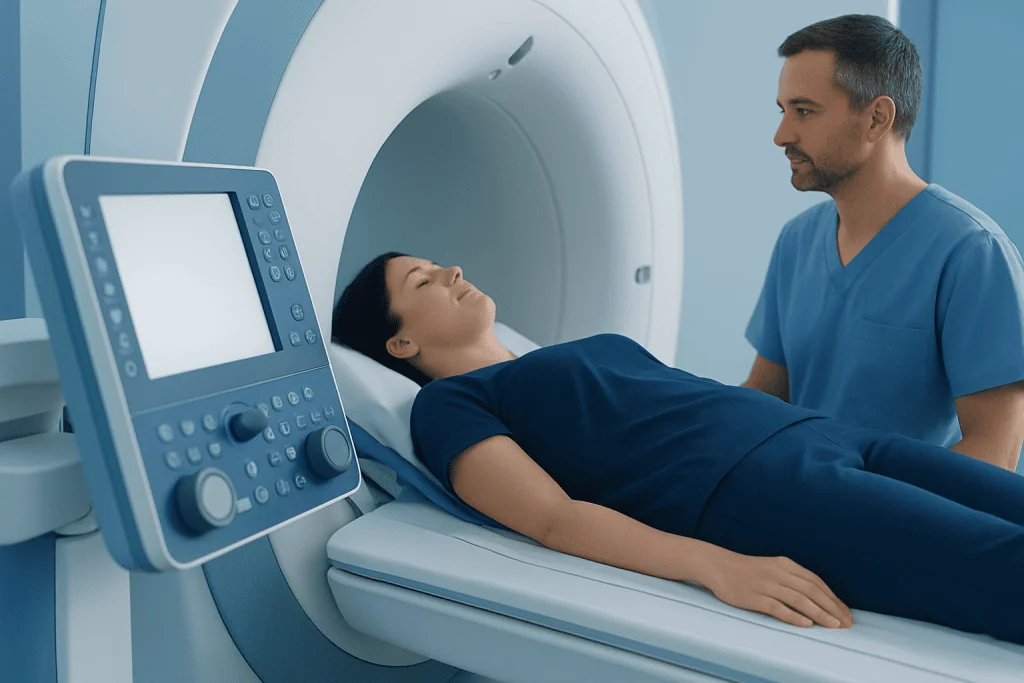
Tests are chosen based on the suspected cause. X-rays may show arthritis, fractures, or alignment problems, while blood tests can look for inflammation, infection, autoimmune disease, or metabolic issues. Ultrasound or MRI scans may be useful when soft tissues, bone marrow, or nerves need closer assessment. In selected cases, joint fluid analysis, bone density testing, or referral to an orthopedics, rheumatology, or rehabilitation specialist may be recommended.
Treatment options
Treatment depends on the diagnosis rather than on the symptom alone. For mechanical or overuse-related pain, initial care often includes activity modification, temporary rest from aggravating movements, heat or cold, supportive footwear, and a plan to gradually restore strength and flexibility. Many people benefit from structured physical therapy and rehabilitation to improve joint mechanics, posture, and muscle support around the painful area.
Medication may help reduce pain and inflammation, but it should be tailored to the individual and their medical history. A doctor may advise short-term pain relievers, anti-inflammatory medicines, topical treatments, or other options depending on whether the problem is arthritis, bursitis, gout, or another condition. In inflammatory diseases, targeted treatments may be needed to control the underlying process. If infection is suspected, urgent treatment is required.
For some conditions, supportive devices or procedures can be useful. Braces, splints, orthotics, or walking aids may reduce strain on a joint. In certain cases, injections, aspiration of joint fluid, or treatment of a structural problem may be considered. Surgery is usually reserved for specific problems such as severe joint damage, unstable injury, or compression of a nerve that has not improved with conservative care. When advanced joint degeneration is present, specialists may discuss options such as knee replacement or hip replacement where appropriate.
Prevention and self-care at home
Although not every cause can be prevented, several steps can reduce strain on bones and joints. Regular low-impact activity such as walking, swimming, or cycling helps maintain joint mobility and muscle strength. A gradual warm-up before exercise, sensible training loads, and good technique can lower the risk of overuse injuries. Maintaining a healthy weight can also reduce pressure on weight-bearing joints.
Sleep setup matters more than many people realize. A mattress and pillow that support the spine comfortably may reduce nighttime discomfort. Side sleepers often do better with a pillow between the knees, while some back sleepers find that a pillow under the knees eases lower-back tension. Avoiding direct pressure on a painful shoulder or hip can also help. Gentle stretching in the evening may be useful, but painful exercises should be stopped.
At home, people can keep a simple symptom diary noting where the pain occurs, whether it follows activity, and what relieves it. This information can help a doctor identify patterns. It is generally wise to avoid self-diagnosing persistent bone pain, repeated use of pain medicine without guidance, or delaying assessment when symptoms are getting worse.
When to get checked
A person should arrange medical review if bone or joint pain at night lasts more than a few weeks, is getting worse, or keeps returning. It is also sensible to seek advice if the pain is affecting sleep, daily activities, work, or mobility. New pain without a clear reason, especially in an older adult or someone with a history of bone disease, deserves attention.
More urgent assessment is needed if there is fever, redness, marked swelling, sudden inability to bear weight, significant weakness, numbness, loss of bladder or bowel control, unexplained weight loss, or pain after a fall or injury. Severe pain in a child, nighttime limb pain with limping, or any concern about possible infection should be evaluated promptly. These situations do not always mean something serious, but they should not be ignored.
Early evaluation often leads to simpler treatment and better symptom control. Toward the end of the diagnostic pathway, some people may need coordinated care from orthopedics, rheumatology, physiotherapy, pain medicine, or imaging specialists. Acibadem International’s multidisciplinary specialists and JCI-accredited hospitals diagnose and treat bone and joint conditions for international patients when further evaluation is needed.
Frequently asked questions
Is bone and joint pain at night always a sign of arthritis?
No. Arthritis is a common cause, but night pain can also come from overuse, tendon or bursa irritation, past injury, nerve compression, poor sleep position, or less commonly infection or a bone problem. A doctor looks at the location, timing, and associated symptoms to identify the cause.
Why does pain feel worse at night?
Pain may seem stronger at night because there are fewer distractions and the body is at rest. Lying in one position can place pressure on an inflamed joint or surrounding soft tissues. Stiffness after inactivity can also make discomfort more noticeable when trying to sleep.
When should nighttime bone or joint pain be considered urgent?
Urgent assessment is important if pain is accompanied by fever, redness, major swelling, inability to walk, weakness, numbness, recent injury, or unexplained weight loss. Pain that is severe, sudden, or associated with a child limping should also be checked promptly. These features can suggest a condition that needs faster treatment.
Can sleeping position make joint pain worse?
Yes. Sleeping directly on a sore shoulder or hip can increase pressure and pain, and poor spinal alignment may worsen neck or back-related symptoms. Adjusting pillows and avoiding prolonged pressure on the painful side often helps.
What tests are usually needed for bone and joint pain at night?
Not everyone needs extensive testing. Many people start with a medical history, physical examination, and possibly an X-ray or blood tests depending on symptoms. MRI, ultrasound, or other tests may be added if soft tissues, inflammation, nerve problems, or hidden bone changes are suspected.
Can home care relieve nighttime bone and joint pain?
Home care may help when the cause is mild or mechanical. Rest from aggravating activity, gentle movement, heat or cold, good sleep positioning, and guided exercises can reduce symptoms. If pain persists, worsens, or has no clear explanation, medical review is the safest next step.
References
- World Health Organization
- National Institute of Arthritis and Musculoskeletal and Skin Diseases
- American Academy of Orthopaedic Surgeons
- National Health Service
- Arthritis Foundation
This article is for general information only and is not a substitute for professional medical advice. Please consult a qualified doctor about your individual situation.
Joint and spine care in Turkey — expert assessment & treatment
JCI-accredited · board-certified surgeons · reply within 24h
Add us as a Preferred Source to see more of our trusted health content across Google Search, AI Overviews and Discover.