Bone Density Test: DEXA Scan for Osteoporosis Risk
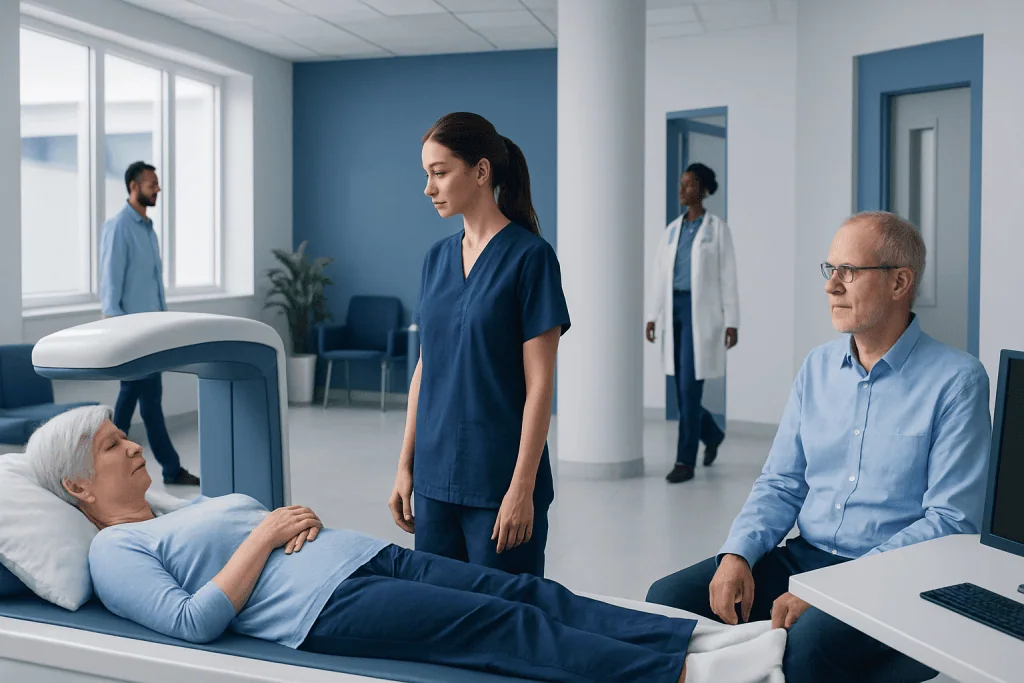
A DEXA scan is the most common and widely accepted test for measuring bone mineral density. Bone density testing helps diagnose osteopenia or osteoporosis and estimate fracture risk.
Key Takeaways
- A DEXA scan is the most common and widely accepted test for measuring bone mineral density.
- Bone density testing helps diagnose osteopenia or osteoporosis and estimate fracture risk.
- The test uses a very low dose of X-ray radiation and usually takes only a few minutes.
- Results are reported mainly as T-scores and sometimes Z-scores, which should be interpreted by a qualified doctor.
- Lifestyle measures, fall prevention, and medication when appropriate can help reduce fracture risk.
A bone density test, most often performed with a DEXA scan, measures bone mineral density and helps estimate the risk of osteoporosis-related fractures. The test is quick, painless, and useful for guiding prevention and treatment decisions.
Overview
A bone density test is a diagnostic imaging exam that measures how much mineral, mainly calcium and phosphorus, is present in a person’s bones. The most common method is dual-energy X-ray absorptiometry, usually called a DEXA or DXA scan. It is considered the standard test for assessing bone mineral density and identifying people who may have osteopenia, osteoporosis, or an increased risk of fracture.
Osteoporosis is a condition in which bones become less dense and more fragile over time. It often develops silently, without pain or visible symptoms, until a fracture occurs. For this reason, bone density testing plays an important preventive role, especially for people with age-related bone loss or risk factors such as menopause, long-term steroid use, low body weight, or a previous fragility fracture.
A DEXA scan is noninvasive, painless, and does not require injections or sedation. It usually focuses on the hip and lower spine because fractures in these areas are clinically important and closely related to osteoporosis risk. In some cases, the forearm is scanned, particularly when the hip or spine cannot be assessed accurately.
What a DEXA Scan Measures
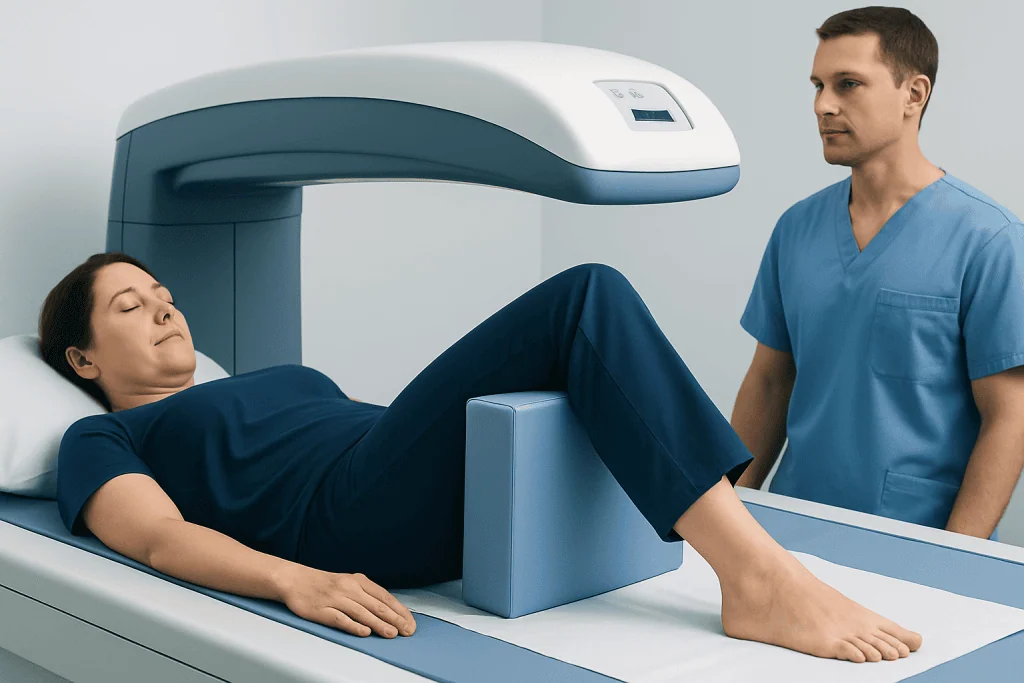
A DEXA scan uses two low-dose X-ray beams at different energy levels to estimate bone mineral density. The technology can distinguish bone from soft tissue and calculate the amount of mineral content in a specific area. The result helps doctors understand whether bone density is within the expected range or lower than normal.
The test does not show bone strength in every possible way. Bone quality, bone structure, balance, vision, medications, and risk of falls also influence fracture risk. However, bone mineral density is one of the most important measurable factors, and DEXA results are often combined with clinical risk assessment tools to guide care.
DEXA is different from a routine X-ray. A standard X-ray can sometimes show advanced bone loss or a fracture, but it is not sensitive enough to diagnose early osteoporosis. DEXA provides a more precise measurement and is also used to monitor changes over time, especially after starting osteoporosis treatment or when a person has ongoing risk factors.
Who May Need a Bone Density Test
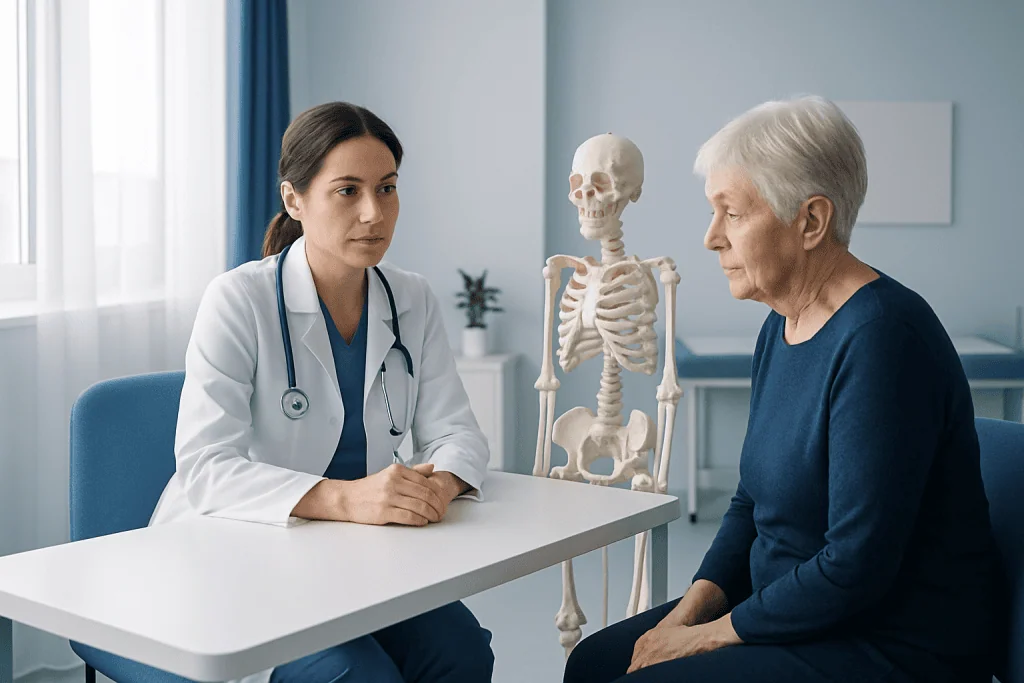
Doctors recommend bone density testing based on age, sex, medical history, medication use, and fracture risk. Many guidelines advise routine testing for women aged 65 and older and for men aged 70 and older. Testing may be considered earlier when risk factors are present, because osteoporosis can affect both women and men.
A DEXA scan may be recommended for people who have had a fracture after a minor fall or low-impact injury, especially after midlife. It may also be appropriate for postmenopausal women under 65 or men under 70 who have risk factors such as low body weight, smoking, heavy alcohol use, family history of hip fracture, or certain chronic diseases.
Common reasons a doctor may request a bone density test include:
- Early menopause or low estrogen levels
- Long-term use of corticosteroid medicines or some hormone-suppressing treatments
- Rheumatoid arthritis, chronic kidney disease, thyroid or parathyroid disorders, or malabsorption conditions
- Height loss, stooped posture, or suspected vertebral compression fracture
- Monitoring response to osteoporosis medication or significant changes in health status
Preparing for the Test and What to Expect
Preparation for a DEXA scan is usually simple. Patients are often advised to wear comfortable clothing without metal zippers, hooks, or buttons around the area being scanned. Jewelry, belts, or removable metal objects may need to be taken off because metal can interfere with image quality.
Calcium supplements are commonly avoided for a short period before the test, often 24 hours, but patients should follow the instructions given by their imaging center or doctor. It is important to tell the healthcare team about recent contrast studies, such as a barium exam or CT scan with contrast, because these can affect results if performed too close to the DEXA scan.
During the exam, the patient lies on a padded table while the scanner passes over the body. For a spine scan, the legs may be supported to position the lower back properly. For a hip scan, the foot may be gently positioned to align the hip. The patient remains still for short periods while images are collected. The procedure is typically quick, and most people can return to normal activities immediately afterward.
Understanding Bone Density Results
Bone density results are usually reported using a T-score. The T-score compares a person’s bone density with that of a healthy young adult reference population. A T-score in the normal range indicates that bone density is not significantly reduced. Lower T-scores may indicate osteopenia, which means low bone mass, or osteoporosis, which means bone density is low enough to increase fracture risk.
A Z-score may also be included, especially for younger adults, children, and some premenopausal women. The Z-score compares bone density with what is expected for someone of the same age, sex, and body size. A very low Z-score may prompt a doctor to look for secondary causes of bone loss, such as hormonal disorders, nutritional problems, or medication effects.
Results should not be interpreted in isolation. A person with moderately reduced bone density may still have a high fracture risk if they have frequent falls or a previous fragility fracture. Conversely, treatment decisions may differ for someone with low bone density but few other risk factors. A doctor may combine DEXA findings with fracture risk assessment, blood tests, medical history, and physical examination to create an individualized plan.
Benefits, Safety, and Limitations
The main benefit of a bone density test is early identification of people at increased risk of fracture. Finding low bone density before a fracture occurs allows time for preventive steps, lifestyle changes, evaluation of underlying causes, and treatment when needed. For patients already diagnosed with osteoporosis, DEXA can help monitor whether bone density is stable, improving, or declining.
DEXA scans use a very low dose of ionizing radiation. The exposure is generally much lower than many other diagnostic imaging tests. Even so, pregnancy or the possibility of pregnancy should always be reported before any X-ray-based procedure, so the medical team can decide whether the test should be postponed or modified.
Like all tests, DEXA has limitations. Differences between machines, body positioning, arthritis in the spine, previous surgery, fractures, or calcium deposits can affect measurements. This is one reason follow-up scans are ideally performed on the same machine or at the same facility when possible. The test also does not directly measure fall risk, muscle strength, vision, or home safety, which are important parts of fracture prevention.
Treatment and Self-Care After Low Bone Density Is Found
If a bone density test shows osteopenia or osteoporosis, the next step is not the same for everyone. A doctor may recommend blood tests or additional evaluation to check vitamin D levels, calcium balance, kidney function, thyroid function, or other possible contributors. The care plan depends on age, fracture history, T-score, overall health, and personal preferences.
Self-care is an important part of bone health. A balanced diet with adequate calcium and vitamin D, regular weight-bearing exercise, resistance training, and avoiding tobacco can support bone strength. Limiting excessive alcohol, improving balance, reviewing medicines that cause dizziness, and making the home safer can also reduce the chance of falls.
Some patients benefit from prescription medication to reduce fracture risk. Several types of osteoporosis medicines are available, and they work in different ways, such as slowing bone breakdown or supporting bone formation. The choice of treatment depends on fracture risk, other medical conditions, kidney function, tolerance, and treatment goals. Patients should discuss benefits, risks, and follow-up monitoring with a qualified healthcare professional rather than starting or stopping treatment on their own.
When to See a Doctor
A person should speak with a doctor about bone density testing if they are in an age group recommended for screening or if they have risk factors for osteoporosis. Medical advice is also important after any fracture from a standing-height fall or minor injury, as this may be a sign of fragile bones. New height loss, persistent back pain, or a stooped posture may also require evaluation for possible vertebral compression fractures.
People taking long-term corticosteroids or medicines that affect hormones should ask whether bone protection or monitoring is needed. Those with digestive conditions that reduce nutrient absorption, eating disorders, kidney disease, thyroid or parathyroid disorders, or a strong family history of hip fracture may also benefit from earlier assessment.
International patients seeking evaluation can access bone density testing and related specialist care at Acibadem International, where multidisciplinary teams in JCI-accredited hospitals diagnose and manage osteoporosis and fracture risk. As with any medical decision, patients should bring previous imaging, medication lists, and lab results to help the care team interpret findings accurately.
Frequently asked questions
Is a bone density test painful?
No. A DEXA scan is painless and noninvasive. The patient lies still on a scanning table while the machine measures bone density, and there are no injections or incisions.
How long does a DEXA scan take?
The scan itself usually takes only a few minutes, although the appointment may take longer for registration, positioning, and review of safety questions. Most people can return to normal activities immediately after the test.
Does a DEXA scan expose the patient to radiation?
Yes, but the radiation dose from a standard DEXA scan is very low. Patients should still inform the imaging team if they are pregnant or may be pregnant, because any X-ray-based test requires appropriate precautions.
What is the difference between osteopenia and osteoporosis?
Osteopenia means bone density is lower than normal but not low enough to meet the usual definition of osteoporosis. Osteoporosis indicates more significant bone loss and a higher risk of fragility fractures. A doctor interprets these results together with the patient’s overall risk factors.
Can bone density improve after a low result?
In some cases, bone density can improve or stabilize with appropriate treatment, nutrition, exercise, and management of underlying causes. Even when bone density changes are modest, the main goal is to reduce fracture risk. Follow-up should be guided by a healthcare professional.
How often should bone density testing be repeated?
The timing depends on the initial result, age, risk factors, and whether treatment has started. Some people need repeat testing in a few years, while others may need closer monitoring. The same facility or machine is preferred when possible for more reliable comparison.
Should men have bone density tests?
Yes, men can develop osteoporosis, especially with increasing age or risk factors such as low testosterone, long-term steroid use, smoking, heavy alcohol use, or previous fragility fracture. A doctor can decide whether and when testing is appropriate.
References
- World Health Organization
- International Osteoporosis Foundation
- National Osteoporosis Foundation
- American College of Radiology
- Endocrine Society
This article is for general information only and is not a substitute for professional medical advice. Please consult a qualified doctor about your individual situation.
Joint and spine care in Turkey — expert assessment & treatment
JCI-accredited · board-certified surgeons · reply within 24h
Add us as a Preferred Source to see more of our trusted health content across Google Search, AI Overviews and Discover.

More from the Health Library



Related Specialists

Prof. Dr. Ercan Karaarslan
Radiology
Prof. Dr. Bora Peynircioğlu
Interventional Radiology
Prof. Dr. Koray Güven
Interventional Radiology
Assoc. Prof. Dr. Deniz Can Aliş
Radiology