Botoxon: Procedure, Recovery and Results

Botoxon treatment involves small, precisely placed injections and is usually completed during an outpatient visit. Cosmetic results commonly begin to appear within several days, with the full effect developing over about two weeks.
Key Takeaways
- Botoxon treatment involves small, precisely placed injections and is usually completed during an outpatient visit.
- Cosmetic results commonly begin to appear within several days, with the full effect developing over about two weeks.
- Effects are temporary, and repeat treatment may be considered when movement and lines gradually return.
- A qualified clinician should assess facial anatomy, medical history, expectations and suitability before treatment.
- Although side effects are usually mild and temporary, urgent medical attention is needed for breathing, swallowing or severe allergic symptoms.
Botoxon commonly refers to treatment with botulinum toxin injections, a minimally invasive procedure used to temporarily relax targeted muscles. It is best known for softening dynamic facial lines, but clinicians also use carefully selected formulations for several medical conditions.
What Is Botoxon?
Botoxon is a term sometimes used to describe injections of botulinum toxin, a prescription medicine that temporarily reduces activity in selected muscles. In aesthetic care, it is commonly used to soften expression lines that form with repeated facial movement, such as horizontal forehead lines, vertical lines between the eyebrows and lines at the outer corners of the eyes. It does not remove every type of wrinkle: lines caused mainly by sun damage, skin laxity or loss of facial volume may require a different approach.
The medicine works at the junction between a nerve and a muscle. It reduces the nerve signals that tell the injected muscle to contract, allowing the muscle to relax for a limited period. When treatment is appropriately planned, the aim is usually to preserve natural expression while reducing unwanted movement in specific areas.
Botulinum toxin products are also used for medical reasons, including some movement disorders, chronic migraine, excessive sweating and muscle spasticity. The product, dose, injection sites and expected outcomes vary by indication. Aesthetic treatment should therefore be performed only after an individual clinical assessment, rather than copied from another person’s treatment plan.
How the Procedure Is Planned and Performed
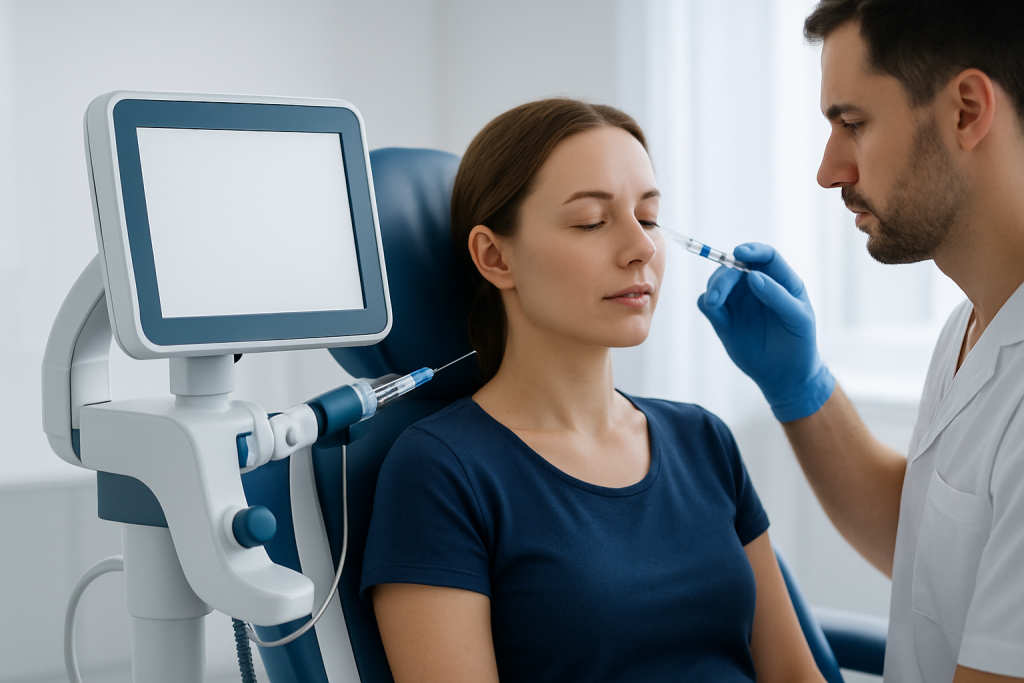
A consultation is the most important part of a Botoxon procedure. The clinician discusses the person’s concerns, desired degree of change, previous treatments, allergies, medicines and medical history. They examine facial movement at rest and during expression, assess skin quality and facial balance, and explain which concerns botulinum toxin may or may not address.
On the day of treatment, the skin is cleaned and injection points may be marked. Using a very fine needle, the clinician places small amounts of botulinum toxin into carefully selected muscles. The procedure often takes only a short time, although the full appointment may be longer because planning and consent are essential. Most people describe brief pinching or stinging sensations; a topical numbing product may be considered in some circumstances.
There is usually no need for sedation or an operating room. However, treatment is not simply a beauty service: it is a medical procedure requiring knowledge of anatomy, product handling and complication management. People should choose a properly qualified, licensed healthcare professional and ensure that an approved product is being used for the intended purpose.
Who May Be a Suitable Candidate?

Adults seeking a temporary reduction in movement-related facial lines may be suitable candidates after assessment. Realistic expectations are important. Botoxon can soften a line’s appearance by reducing the underlying muscle pull, but it may not fully erase deeply etched lines and does not replace treatments that improve skin texture, pigmentation, scars or volume loss.
Clinicians commonly postpone or avoid cosmetic botulinum toxin treatment during pregnancy or breastfeeding because safety data are limited. People should also disclose a history of neuromuscular disorders, previous facial surgery, difficulty swallowing, bleeding disorders, infection or inflammation at the intended injection area, and any prior reaction to botulinum toxin products.
Some medicines and supplements can affect bruising risk or interact with neuromuscular function. A clinician needs a complete and accurate medication list, including over-the-counter medicines, vitamins and herbal products. It is particularly important to mention any previous botulinum toxin treatment, as results and safety planning can depend on the timing, product and areas previously injected.
Recovery and Aftercare
Recovery after Botoxon is generally brief. Small red marks, mild swelling, tenderness or tiny bruises can occur at injection sites, especially in areas with delicate skin. These effects usually settle over hours to a few days. Many people return to routine daily activities shortly after their appointment.
The treating clinician should provide individualized aftercare instructions. In general, patients may be advised not to rub or massage treated areas on the day of treatment, and to avoid strenuous exercise, heat exposure or lying flat for a period recommended by their clinician. These precautions are intended to reduce irritation and support accurate placement of the medicine.
Makeup may be applied only when the skin is no longer bleeding or irritated and according to the clinician’s advice. If bruising occurs, it can often be covered after the area has settled. Before any future treatment, it is helpful to report how long results lasted, whether there were side effects and whether the outcome matched the original goals.
Botoxon Results and How Long They Last
Results do not appear immediately. Many people begin to notice reduced muscle movement within several days, while the final effect is commonly assessed at around two weeks. At this point, the clinician can evaluate facial balance, residual movement and whether any follow-up is appropriate. It is safer not to judge the final result too early.
The visible effect is temporary because nerve signaling gradually returns. Duration differs between individuals and depends on factors such as the treatment area, muscle strength, product used, dose, metabolism and previous treatment history. Repeat sessions may be considered once movement gradually returns, but timing should be determined with the clinician rather than through frequent unscheduled injections.
A natural-looking result depends on more than reducing movement. The injector considers facial proportions, eyebrow position, asymmetry, skin condition and the patient’s preference for subtle or more noticeable change. Good communication during consultation helps establish a treatment plan that is measured, medically appropriate and aligned with the person’s goals.
Risks, Side Effects and When to Seek Medical Care
Most side effects from cosmetic botulinum toxin injections are localized and temporary. They can include injection-site pain, swelling, redness, headache, bruising or a sensation of tightness. Depending on the area treated, temporary asymmetry, an unintended change in eyebrow position or eyelid drooping may occur if nearby muscles are affected. These effects often improve as the medicine wears off, but patients should contact their treating clinician for advice.
Medical care should be sought promptly for trouble breathing, swallowing or speaking; widespread muscle weakness; severe dizziness or fainting; vision changes; or signs of a serious allergic reaction such as facial swelling, wheezing or widespread hives. These reactions are uncommon, but they require urgent assessment. Patients should also contact a clinician if there is increasing redness, warmth, pain, discharge or fever after injections.
A properly trained clinician reduces risk through careful patient selection, appropriate dosing and precise injection technique. Acibadem International’s multidisciplinary specialists and JCI-accredited hospitals diagnose and treat patients requiring aesthetic and medical botulinum toxin care, including international patients. Any concerns after treatment should be discussed directly with the treating healthcare team.
Maintaining Skin Health Between Treatments
Botoxon does not stop skin aging, but daily skin care can support overall skin quality and may help reduce factors that make lines more noticeable. Broad-spectrum sun protection, protective clothing, avoidance of tanning and a gentle routine suited to the person’s skin type are practical foundations. Smoking cessation, adequate sleep and balanced nutrition can also support general skin health.
People considering other aesthetic procedures should tell each provider about recent injections. Some treatments, such as fillers, chemical peels, laser procedures or surgery, may need to be planned in a particular sequence. The best combination depends on the concern being treated, the condition of the skin and the individual’s medical history.
It is useful to avoid unregulated injectables, informal settings and online products intended for self-injection. These may carry serious risks related to counterfeit products, inaccurate dosing, infection or incorrect placement. A medical consultation offers the safest opportunity to discuss benefits, limitations, alternatives and expected recovery.
Frequently asked questions
Is Botoxon the same as Botox?
Botoxon is often used informally to refer to botulinum toxin injection treatment. Botox is a brand name for one botulinum toxin product, while other approved products may also be available depending on the country and clinical indication. A clinician can explain which product is appropriate for the planned treatment.
How long does a Botoxon procedure take?
The injections themselves commonly take only a short time. However, a safe appointment includes consultation, facial assessment, discussion of consent and aftercare instructions. The total visit length can therefore vary.
When will Botoxon results be visible?
Reduced movement may become noticeable within several days. Results generally continue to develop over approximately two weeks. The treating clinician may recommend reviewing the outcome after this period rather than assessing it immediately.
How long do Botoxon results last?
Results are temporary, and their duration varies between people and treatment areas. Muscle activity gradually returns over time. A clinician can advise on suitable timing if repeat treatment is desired.
Does Botoxon hurt?
Most people experience brief, mild discomfort from the small injections. Some areas may be more sensitive than others, and mild tenderness can occur afterward. The clinician can discuss comfort measures before treatment.
Can Botoxon remove deep wrinkles?
Botulinum toxin works best on lines caused by repeated muscle movement. Deep lines that remain visible when the face is relaxed may soften but may not disappear completely. A clinician can discuss whether skin-focused treatments, volume restoration or another approach may be more suitable.
References
- U.S. Food and Drug Administration
- American Society of Plastic Surgeons
- American Academy of Dermatology Association
- National Health Service
This article is for general information only and is not a substitute for professional medical advice. Please consult a qualified doctor about your individual situation.
Explore treatments in Turkey — costs, top hospitals & a free quote
JCI-accredited · board-certified surgeons · reply within 24h
Add us as a Preferred Source to see more of our trusted health content across Google Search, AI Overviews and Discover.

More from the Health Library



Related Specialists

Prof. Dr. Serap Semiz
Pediatric Endocrinology
Dr. Parvana Mıkaılova
Clinical Laboratory
Assoc. Prof. Dr. Sevgi Topal
Pediatric Intensive Care Unit
Prof. Dr. Funda Vesile Çorapcıoğlu
Pediatric Oncology