Brain Aneurysm: Early Warning Signs, Causes, and Diagnosis

Many brain aneurysms are found incidentally and never rupture, but some need close monitoring or treatment. Sudden, severe headache, neck stiffness, nausea, fainting, or vision changes can be warning signs of rupture.
Key Takeaways
- Many brain aneurysms are found incidentally and never rupture, but some need close monitoring or treatment.
- Sudden, severe headache, neck stiffness, nausea, fainting, or vision changes can be warning signs of rupture.
- Smoking, high blood pressure, family history, and certain inherited conditions can raise risk.
- Diagnosis usually relies on imaging such as CT angiography, MR angiography, or catheter angiography.
- Treatment may include observation, endovascular procedures, or surgery depending on aneurysm size, shape, and location.
A brain aneurysm is a weakened, bulging area in a blood vessel in the brain. Many aneurysms cause no symptoms, but a ruptured aneurysm is a medical emergency and needs immediate care.
Overview
A brain aneurysm is a weak, bulging area in the wall of an artery in the brain. It is often described as a small ballooning of the blood vessel. Many aneurysms are unruptured and cause no symptoms, so they may only be found during imaging done for another reason.
Not every brain aneurysm needs immediate treatment. Doctors consider the aneurysm’s size, location, shape, the person’s age, and overall health when deciding whether to monitor it or treat it. Aneurysm care is individualized, because the main goal is to reduce the chance of rupture while avoiding unnecessary procedures.
When rupture occurs, blood can leak into the space around the brain and cause a subarachnoid hemorrhage. This is a medical emergency. Anyone with sudden severe headache or other concerning neurologic symptoms should seek urgent evaluation right away.
Symptoms
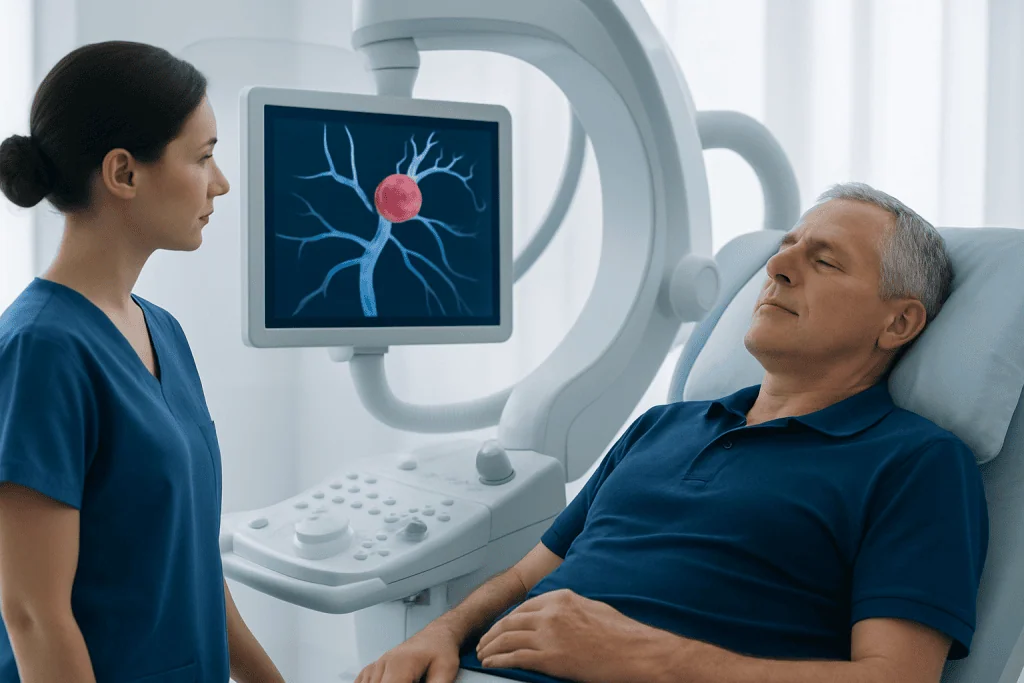
Unruptured brain aneurysms often have no symptoms. When symptoms do occur, they may be related to pressure on nearby nerves or brain structures. These can include pain above or behind one eye, blurred or double vision, a drooping eyelid, facial numbness, or weakness.
Symptoms of a ruptured aneurysm are usually sudden and dramatic. A common warning sign is an abrupt, very severe headache, sometimes described as the “worst headache” of a person’s life. Other possible signs include neck stiffness, nausea, vomiting, sensitivity to light, confusion, seizures, loss of consciousness, or neurologic weakness.
Some people experience a “sentinel” headache or warning leak before a major rupture. This is not always easy to recognize, but a new, unusual, or unusually intense headache deserves prompt medical attention, especially if it occurs with vomiting, vision changes, or neurologic symptoms.
Causes & Risk Factors

Brain aneurysms form when a vessel wall weakens over time. The exact reason is not always clear, but the vessel may become vulnerable because of inherited factors, long-term pressure on the artery wall, or changes related to age and vascular health. Some aneurysms are present from birth, while others develop later in life.
Risk factors include high blood pressure, smoking, older age, and a personal or family history of aneurysm or subarachnoid hemorrhage. Certain connective tissue disorders and kidney conditions can also increase risk. In some people, multiple aneurysms are present, and risk assessment becomes especially important.
Lifestyle and health conditions that affect blood vessels may contribute to aneurysm growth or rupture risk. For example, uncontrolled hypertension can place ongoing stress on artery walls. Doctors often recommend aggressive management of blood pressure and smoking cessation as part of prevention and long-term care.
Diagnosis
Diagnosis begins with a medical history and neurological examination. If a ruptured aneurysm is suspected, emergency imaging is usually performed quickly to look for bleeding and identify the source. The type of test depends on the symptoms and how urgently the situation needs to be clarified.
Common imaging studies include CT scan, CT angiography (CTA), MR angiography (MRA), and catheter-based cerebral angiography. A CTA or MRA can show the blood vessels in detail and help detect an aneurysm. Catheter angiography remains a highly detailed test and is often used when treatment planning is needed.
If the aneurysm is unruptured, doctors may also recommend follow-up imaging over time. This helps determine whether the aneurysm is stable or changing. The imaging schedule is tailored to the individual, since different aneurysms carry different levels of risk.
Treatment Options
Treatment depends on whether the aneurysm has ruptured, its location and size, and the person’s overall health. A small unruptured aneurysm may be monitored with periodic imaging and risk-factor control. Larger, irregular, or higher-risk aneurysms may be treated to lower the chance of bleeding.
Two common treatment approaches are endovascular treatment and microsurgical clipping. Endovascular procedures use catheters passed through the blood vessels to place coils or other devices inside the aneurysm. Surgical clipping involves placing a small clip at the aneurysm’s neck to keep blood from entering it. In some situations, a doctor may discuss endovascular treatment or brain aneurysm surgery based on anatomy and risk.
If an aneurysm has ruptured, care is urgent and often includes hospital treatment, close monitoring, blood pressure management, and procedures to secure the aneurysm. Recovery may also involve rehabilitation if there has been brain injury, stroke, or complications from bleeding. The treatment plan is always guided by a neurology, neurosurgery, and interventional team working together.
Prevention & Self-care
Not all aneurysms can be prevented, but healthy blood vessel habits can lower overall risk. Blood pressure control is especially important, because high pressure can strain artery walls. Quitting smoking is another key step, since tobacco use is linked with aneurysm growth and rupture risk.
People with a known aneurysm are often advised to keep follow-up appointments and take medications exactly as prescribed. They should ask their doctor which activities are safe, how often imaging should be repeated, and whether any medicines or supplements should be avoided. If a person has a family history of aneurysm, they may want to ask whether screening is appropriate.
General wellness habits can support vascular health, including regular physical activity as recommended by a clinician, balanced nutrition, sleep, and management of diabetes or cholesterol when present. These steps do not guarantee prevention, but they help reduce strain on the cardiovascular system.
When to See a Doctor
Immediate emergency care is needed for a sudden, severe headache, especially if it starts abruptly and is different from usual headaches. Emergency evaluation is also important for headache with neck stiffness, vomiting, fainting, confusion, seizures, weakness, trouble speaking, or vision loss. These symptoms can signal rupture and should not be watched at home.
A non-urgent doctor visit is appropriate for headaches that recur, a known family history of aneurysm, or symptoms such as double vision, eyelid drooping, or unexplained eye pain. A clinician can decide whether imaging is needed and whether the person should see a neurologist, neurosurgeon, or vascular specialist.
Acibadem International’s multidisciplinary specialists and JCI-accredited hospitals diagnose and treat brain aneurysms for international patients, coordinating imaging, specialist review, and procedural care when needed. However, any concerning acute symptom should still be treated as urgent wherever the person is located.
Living with an Unruptured Brain Aneurysm
Many people live safely with an unruptured aneurysm under observation. The key is to understand the follow-up plan and recognize which symptoms require urgent help. Regular communication with the care team helps ensure that changes are detected early.
It is also useful to keep a record of imaging dates, medications, blood pressure readings, and any new symptoms. This can make appointments more productive and help the doctor compare changes over time. Patients should ask questions if anything in the plan is unclear, especially about travel, exercise, or blood pressure goals.
If the aneurysm is small and stable, the doctor may recommend ongoing monitoring rather than immediate intervention. If risk changes, treatment options can be revisited. In this way, care can remain flexible and responsive to the individual person’s needs.
Frequently asked questions
What is the first sign of a brain aneurysm?
Many brain aneurysms cause no symptoms before they are found. If an aneurysm ruptures, the first sign is often a sudden, severe headache that starts abruptly and feels very different from usual headaches.
Can a brain aneurysm go away on its own?
Most brain aneurysms do not simply disappear. Some remain stable for years, and others can grow or rupture, which is why doctors may recommend monitoring or treatment depending on the individual case.
How is a brain aneurysm found?
Doctors usually find it with imaging studies such as CTA, MRA, or cerebral angiography. The choice of test depends on whether symptoms are urgent and how much detail is needed for diagnosis or treatment planning.
Are all brain aneurysms dangerous?
Not all aneurysms rupture, and some are low risk. However, every aneurysm deserves specialist assessment because size, shape, location, and personal risk factors can change the treatment decision.
Does high blood pressure affect brain aneurysms?
Yes. High blood pressure can put extra stress on artery walls and is an important risk factor for aneurysm growth and rupture, so good blood pressure control is part of prevention and long-term care.
When should someone go to the emergency room?
Anyone with a sudden, severe headache, especially with vomiting, neck stiffness, fainting, weakness, confusion, seizure, or vision changes, should seek emergency care right away. These can be signs of a ruptured aneurysm or bleeding in the brain.
References
- National Institute of Neurological Disorders and Stroke
- American Heart Association
- Mayo Clinic
- World Federation of Neurology
This article is for general information only and is not a substitute for professional medical advice. Please consult a qualified doctor about your individual situation.
Explore treatments in Turkey — costs, top hospitals & a free quote
JCI-accredited · board-certified surgeons · reply within 24h
Add us as a Preferred Source to see more of our trusted health content across Google Search, AI Overviews and Discover.
Check your numbers in seconds
BMI, calories, due date, blood pressure and 30+ more clinical calculators — free, instant, doctor-reviewed ranges.