Brain Aneurysm Screening: Who Should Consider Testing?
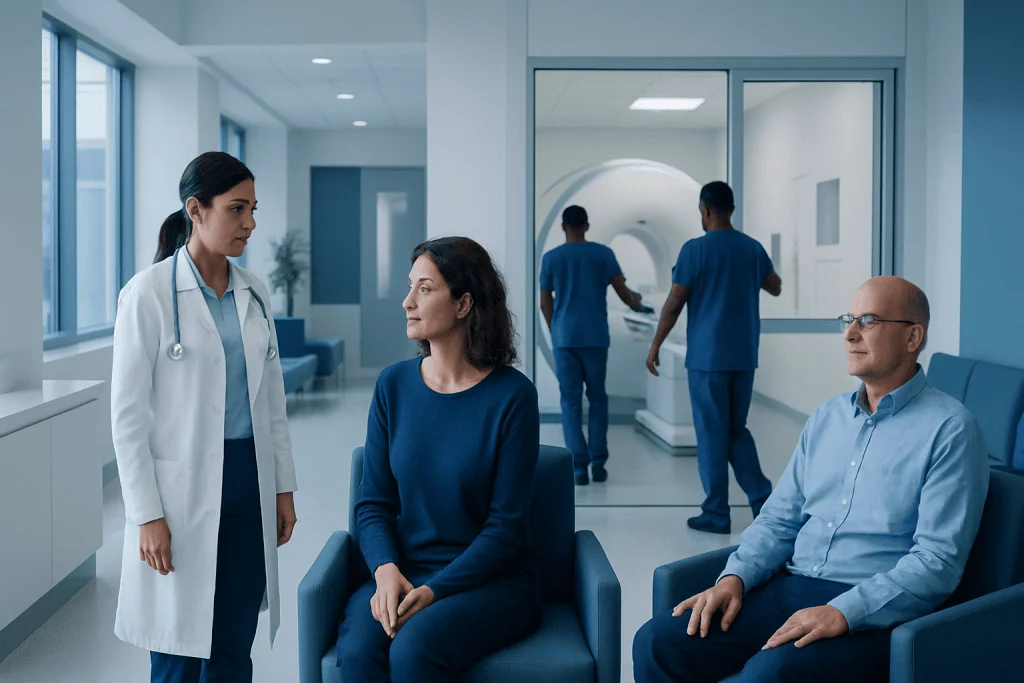
Most people do not need routine brain aneurysm screening. Screening is more often considered for people with a strong family history or certain inherited conditions.
Key Takeaways
- Most people do not need routine brain aneurysm screening.
- Screening is more often considered for people with a strong family history or certain inherited conditions.
- Magnetic resonance angiography, or MRA, is a common noninvasive screening test.
- The decision to screen should balance possible benefits, limits, and follow-up needs.
- Anyone with sudden severe headache or stroke-like symptoms needs urgent medical care, not screening.
Brain aneurysm screening is not recommended for everyone, but it can be appropriate for some people with higher-than-average risk. Understanding who may benefit from testing helps patients discuss screening thoughtfully with a qualified doctor.
Overview
A brain aneurysm is a weakened area in the wall of a blood vessel in the brain that bulges outward. Some aneurysms remain small and never cause problems, while others can grow, leak, or rupture. A ruptured brain aneurysm is a medical emergency because it can cause bleeding around the brain, called a subarachnoid hemorrhage.
Brain aneurysm screening means using imaging tests to look for an aneurysm before symptoms appear. Screening is different from emergency testing. It is usually considered in people who feel well but may have a higher chance of developing an aneurysm because of family history or certain medical conditions.
For the general population, routine screening is not usually recommended. This is because most people have a low overall risk, and screening can sometimes find small aneurysms that may never cause harm but can lead to worry, repeat imaging, or decisions about treatment that require careful judgment.
The most important question is not simply whether screening exists, but who is most likely to benefit from it. A neurologist, neurosurgeon, or other experienced specialist can review personal and family risk factors and help decide whether screening is appropriate.
Who Should Consider Brain Aneurysm Screening?
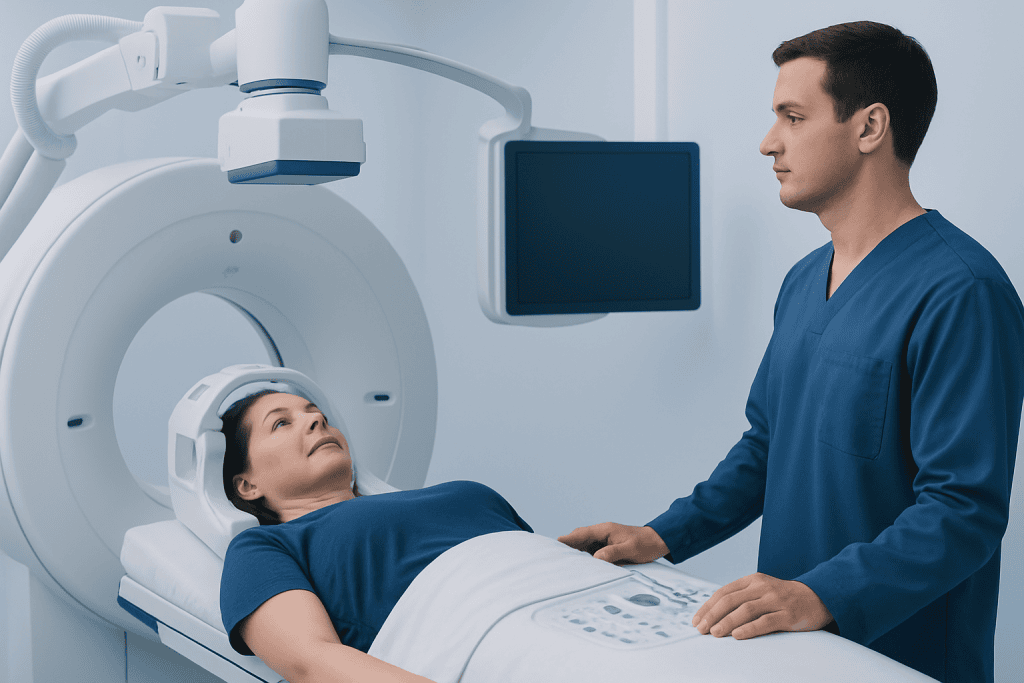
Screening may be considered for people with a higher-than-average risk of having or developing a brain aneurysm. One of the clearest reasons is a strong family history. In general, screening is more often discussed when two or more first-degree relatives, such as a parent, sibling, or child, have had a brain aneurysm or aneurysmal bleeding.
Some inherited or structural conditions can also increase risk. These may include autosomal dominant polycystic kidney disease, certain connective tissue disorders, and some abnormalities of the aorta or blood vessels. In these situations, the need for screening depends on the specific condition, the person’s age, family history, and overall health.
People who have had a brain aneurysm in the past may also need follow-up imaging to look for recurrence or new aneurysms. This is not routine population screening, but it is an important part of long-term care in selected patients. Those with a history of brain aneurysm should follow the schedule advised by their specialist.
Screening may also be discussed in people with multiple risk factors, such as smoking and poorly controlled high blood pressure, especially if these occur together with family history. However, these factors alone do not automatically mean screening is needed. The decision is individualized and should be made with a doctor who can explain expected benefits and possible downsides.
Symptoms: Screening vs. Urgent Warning Signs

Most unruptured brain aneurysms do not cause symptoms and are found incidentally or through screening in higher-risk individuals. This is one reason why imaging may be considered in people with known risk factors. However, screening is intended for people without urgent symptoms.
When symptoms do occur, they may depend on the aneurysm’s size and location. A larger aneurysm can sometimes press on nearby nerves or brain structures and cause headache, pain around the eye, double vision, a drooping eyelid, changes in vision, or numbness. These symptoms do not always mean an aneurysm is present, but they do require medical evaluation.
A ruptured aneurysm often causes a sudden, severe headache that is commonly described as the worst headache of a person’s life. It may also cause nausea, vomiting, neck stiffness, sensitivity to light, confusion, seizure, loss of consciousness, or stroke-like symptoms. This situation requires emergency care immediately and is not a screening matter.
Anyone with sudden severe headache or new neurological symptoms should seek urgent medical help right away. Emergency teams may use tests such as MRI or other brain imaging depending on the clinical situation, but the first priority is rapid assessment and treatment.
Causes and Risk Factors
Brain aneurysms are thought to develop from a combination of blood vessel wall weakness and stress on the vessel over time. Not every cause is fully understood, but inherited factors, aging, and blood flow patterns may all play a role. Some aneurysms are associated with conditions that affect connective tissue or the structure of blood vessels.
Several risk factors are linked to aneurysm formation, growth, or rupture. Smoking and high blood pressure are among the most important modifiable risks. Others may include increasing age, female sex, a family history of aneurysm, and certain inherited disorders.
Examples of conditions that may raise concern include:
- Two or more first-degree relatives with brain aneurysm or aneurysmal subarachnoid hemorrhage
- Autosomal dominant polycystic kidney disease
- Some connective tissue disorders, such as vascular Ehlers-Danlos syndrome
- Certain vascular abnormalities or a history of aortic disease
- A previous personal history of treated or untreated brain aneurysm
Even when risk factors are present, the best next step is not always immediate screening. Doctors also consider age, kidney function, ability to have imaging safely, and what would be done if a small aneurysm were found. Shared decision-making is important because the value of screening depends on the whole clinical picture.
How Brain Aneurysm Screening Is Done
The most common screening test for brain aneurysm is magnetic resonance angiography, or MRA. This test uses magnetic fields to create detailed images of blood vessels and usually does not require radiation. In many cases it can detect aneurysms large enough to be clinically important, making it a useful option for screening higher-risk people.
Another imaging method is computed tomography angiography, or CTA. This test uses X-rays and contrast dye to visualize blood vessels. CTA can provide excellent detail, but because it involves radiation and contrast material, it may be chosen selectively rather than as a first screening option in every person.
If a scan suggests an aneurysm or if the anatomy is unclear, more specialized vascular imaging may be needed. In some cases, doctors use neuroradiology techniques to clarify findings and help decide on monitoring or treatment. The choice of imaging depends on the person’s risks, medical history, and the expertise available.
Before testing, the doctor may ask about kidney disease, implanted devices, pregnancy, claustrophobia, allergies to contrast material, and previous imaging results. These details help the team select the safest and most informative test. Imaging is only one part of screening; understanding what the result means is just as important.
What Happens If Screening Finds an Aneurysm?
Finding an aneurysm does not automatically mean that immediate treatment is necessary. Many small, unruptured aneurysms are managed with careful observation, repeat imaging, and aggressive control of risk factors such as blood pressure and smoking. The main goal is to estimate the chance of rupture compared with the risks of treatment.
Doctors consider several features when planning next steps, including the aneurysm’s size, shape, location, whether it has changed over time, and the person’s age and overall health. Aneurysms in certain locations or with irregular features may deserve closer attention. A multidisciplinary review can be especially helpful when the best approach is not obvious.
Treatment options may include minimally invasive endovascular techniques or open surgery in selected cases. Depending on the anatomy, some patients may be evaluated for interventional neuroradiology procedures or neurosurgery. The aim is to reduce future risk while preserving brain function and minimizing treatment-related complications.
Living with the knowledge of an unruptured aneurysm can be emotionally difficult for some people. Clear communication, scheduled follow-up, and support from an experienced care team can help patients understand their choices and feel more confident about the plan.
Prevention and Self-Care
There is no guaranteed way to prevent every brain aneurysm, but healthy habits can help reduce vascular risk. Avoiding smoking is one of the most important steps. For people who smoke, stopping can benefit overall blood vessel health and may reduce the risk of aneurysm growth or rupture.
Managing high blood pressure is also essential. Regular checkups, appropriate medication when prescribed, and heart-healthy lifestyle changes can all support better blood vessel health. Moderating alcohol intake, staying physically active, and following a balanced diet may also be helpful as part of general cardiovascular prevention.
People with a known family history should try to gather accurate information about affected relatives, including who was diagnosed, at what age, and whether bleeding occurred. This information can guide the screening discussion with a doctor. It is also helpful to keep copies of previous brain imaging reports when available.
Routine screening should not be started without medical advice simply because of anxiety or a single risk factor. A well-informed conversation with a specialist can help avoid unnecessary testing while identifying people who may truly benefit from surveillance.
When to See a Doctor
A person should speak with a doctor about brain aneurysm screening if there is a strong family history of aneurysm or subarachnoid hemorrhage, especially when two or more first-degree relatives are affected. Medical advice is also important for people with inherited conditions associated with aneurysms or those who previously had an aneurysm themselves.
Medical review is also reasonable for people who are worried about risk because of smoking, high blood pressure, or a combination of vascular risk factors. A doctor can explain whether screening is likely to help, which test is most suitable, and how often imaging might be needed if surveillance is recommended.
Urgent evaluation is needed for sudden severe headache, fainting, seizure, sudden confusion, weakness, trouble speaking, or vision loss. These are emergency symptoms and should not wait for a routine clinic appointment. Emergency services should be contacted right away.
For patients seeking evaluation across borders, Acibadem International’s multidisciplinary specialists and JCI-accredited hospitals diagnose and treat brain aneurysm-related conditions for international patients. The most appropriate care plan always begins with an individualized medical assessment.
Frequently asked questions
Should everyone be screened for a brain aneurysm?
No. Routine brain aneurysm screening is not recommended for most people because the overall risk is low and testing can lead to incidental findings that may never cause harm. Screening is usually reserved for people with higher risk, such as those with a strong family history or certain inherited conditions.
Who is most likely to benefit from brain aneurysm screening?
People with two or more first-degree relatives who have had a brain aneurysm or related brain bleeding are often the main group considered for screening. Some people with inherited disorders, such as autosomal dominant polycystic kidney disease, may also benefit after discussion with a specialist.
What test is usually used for brain aneurysm screening?
Magnetic resonance angiography, or MRA, is commonly used because it can image blood vessels without radiation. In some cases, CT angiography may be used instead, depending on the person's health needs and the details the doctor wants to assess.
If an aneurysm is found, does it always need treatment?
Not always. Some small, unruptured aneurysms are monitored over time with repeat imaging and risk-factor control rather than treated immediately. The decision depends on size, location, shape, changes over time, and the person's overall health.
Can lifestyle changes lower brain aneurysm risk?
Healthy habits can help reduce risk, especially avoiding smoking and controlling high blood pressure. While lifestyle changes cannot prevent every aneurysm, they support blood vessel health and are an important part of prevention and follow-up care.
What symptoms should be treated as an emergency rather than a screening issue?
A sudden severe headache, especially if it is the worst headache of someone's life, needs emergency evaluation. Other urgent warning signs include fainting, seizure, confusion, weakness, trouble speaking, or sudden vision changes.
References
- American Heart Association
- National Institute of Neurological Disorders and Stroke
- Brain Aneurysm Foundation
- National Health Service
- European Stroke Organisation
This article is for general information only and is not a substitute for professional medical advice. Please consult a qualified doctor about your individual situation.
Explore treatments in Turkey — costs, top hospitals & a free quote
JCI-accredited · board-certified surgeons · reply within 24h
Add us as a Preferred Source to see more of our trusted health content across Google Search, AI Overviews and Discover.
Check your numbers in seconds
BMI, calories, due date, blood pressure and 30+ more clinical calculators — free, instant, doctor-reviewed ranges.