Brain Aneurysm Treatment Cost in Turkey: What Affects the Price?

There is no single fixed price for brain aneurysm treatment because each aneurysm is different. Costs are commonly influenced by treatment type, urgency, hospital stay, imaging, and specialist team involvement.
Key Takeaways
- There is no single fixed price for brain aneurysm treatment because each aneurysm is different.
- Costs are commonly influenced by treatment type, urgency, hospital stay, imaging, and specialist team involvement.
- Endovascular coiling and surgical clipping have different resource needs and recovery patterns.
- A clear treatment plan and itemized estimate can help patients understand what is included.
- Safety, experience, and access to advanced neurovascular care are as important as price.
Brain aneurysm treatment cost in Turkey varies because care is highly individualized. The final price usually depends on whether treatment is urgent, which procedure is used, and how much hospital, imaging, and follow-up care is needed.
Overview: Why the Cost Can Vary
A brain aneurysm is a weak or bulging area in a blood vessel in the brain. Some aneurysms are found before they cause symptoms, while others are discovered during an emergency after bleeding. Because the condition can range from stable and unruptured to life-threatening and urgent, the cost of treatment in Turkey can vary widely from one patient to another.
When people ask about brain aneurysm treatment cost in Turkey, the answer usually depends on several medical details rather than a single standard fee. The size and location of the aneurysm, whether it has ruptured, and the type of procedure recommended all affect the overall treatment pathway. In many cases, the evaluation itself is an important part of planning, because imaging and specialist review help determine the safest option.
Turkey offers advanced neurovascular care in many large hospitals, and treatment may be performed by neurosurgeons, interventional neuroradiologists, neurologists, anesthesiologists, and critical care teams. This multidisciplinary approach is one reason the final cost is individualized. Patients are often advised to compare not only the quoted price, but also what is included before, during, and after treatment.
What Main Factors Affect Brain Aneurysm Treatment Cost in Turkey?
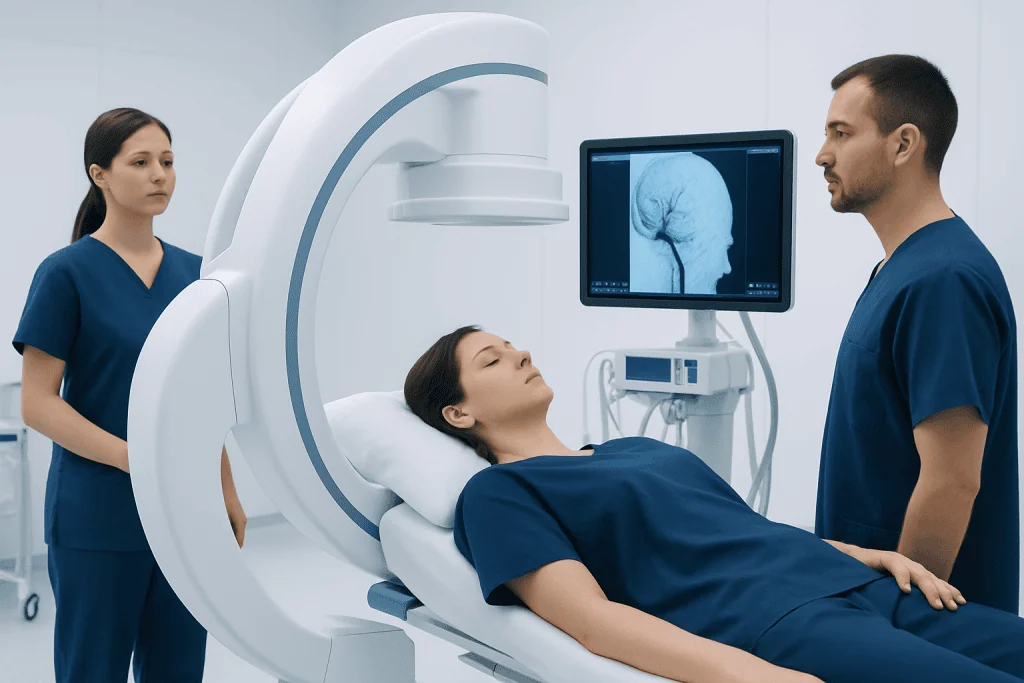
The biggest cost factor is the type of aneurysm and how urgently it needs treatment. An unruptured aneurysm found on routine imaging may allow time for planned consultations and scheduling. A ruptured aneurysm, by contrast, usually requires emergency care, intensive monitoring, and a faster, more complex treatment process.
The choice of treatment also matters. In general, doctors may consider minimally invasive endovascular approaches such as interventional neuroradiology procedures or open surgery through neurosurgery techniques. Each method uses different equipment, operating time, hospital resources, and recovery support, so the price structure is not the same.
Other common cost factors include:
- Detailed imaging such as CT, MRI, or angiography
- Operating room or catheter laboratory use
- Anesthesia and specialist physician fees
- Length of hospital stay, including intensive care if needed
- Implants or devices used during treatment
- Post-procedure monitoring and follow-up appointments
Travel-related issues can also influence total expenses for international patients. These may include interpretation services, airport transfers, local accommodation before discharge, and the timing of return travel. While these are not part of the medical procedure itself, they can meaningfully affect the overall budget.
How the Treatment Method Changes the Price

There are two main treatment approaches for many brain aneurysms: endovascular treatment and surgical clipping. Endovascular treatment is performed from inside the blood vessels, usually through a catheter. Depending on the aneurysm, this may involve coiling or other device-based methods. Open surgery involves placing a clip across the aneurysm neck through a craniotomy.
Because these methods differ in technique, they also differ in cost drivers. Endovascular treatment may involve advanced imaging guidance, specialized catheters, and implanted devices. Surgical clipping may involve a longer operating room procedure, different surgical resources, and a different recovery pathway. In some situations, one method is clearly preferred for safety reasons, while in others, both may be considered and discussed with the patient.
Cost should never be the only reason to choose one treatment over another. The aneurysm’s shape, size, location, risk of rupture, and the patient’s age and overall health are usually more important. A center with experienced teams in both endovascular aneurysm treatment and surgical aneurysm care can explain why one option may be more suitable.
Some patients are also evaluated for related neurovascular conditions during the same process. For example, if symptoms or imaging raise concern for another issue, doctors may need to rule out conditions such as stroke or other structural brain problems before finalizing the treatment plan.
Pre-Treatment Tests, Hospital Stay, and Follow-Up Costs
Brain aneurysm treatment usually includes more than the procedure itself. Before treatment, patients often need laboratory tests, brain imaging, contrast studies, cardiology assessment if appropriate, and anesthesia evaluation. These steps help define the anatomy of the aneurysm and support safe planning.
Hospital stay is another major cost component. Some people with unruptured aneurysms who have a straightforward treatment course may stay for a shorter time. Others, especially after rupture or if complications are possible, may need intensive care observation, neurologic monitoring, and a longer inpatient recovery. The room type and level of care can therefore change the total price.
Follow-up care should also be clarified in advance. After treatment, doctors may recommend repeat imaging, neurologic review, medication guidance, and rehabilitation if there has been bleeding or neurologic deficit. In some cases, additional follow-up with neurology specialists is part of long-term recovery and monitoring.
When requesting a quote, patients may find it helpful to ask whether the estimate includes pre-operative imaging, physician fees, hospital stay, medications during admission, pathology or laboratory work, post-treatment scans, and routine follow-up visits. A transparent breakdown makes it easier to compare plans fairly.
Why Urgency and Complexity Matter
An emergency aneurysm is usually more expensive to treat than a planned one because emergency care requires rapid coordination and higher-intensity support. A ruptured aneurysm may cause subarachnoid hemorrhage, a type of bleeding around the brain that often needs immediate imaging, close monitoring, and treatment to prevent rebleeding. This can add intensive care time, more medications, and additional specialist input.
Complex aneurysms may also increase cost regardless of whether they are ruptured. Examples include aneurysms in difficult locations, large or wide-neck aneurysms, or cases where more than one procedure is needed. Some patients need extended observation or staged treatment, which naturally changes the overall expense.
Doctors also consider the patient’s general health. Chronic conditions such as hypertension, heart disease, kidney disease, or clotting problems may require extra assessment and monitoring. These steps are important for safety, but they may increase the number of consultations, tests, and treatment resources involved.
If an aneurysm is associated with a broader neurological evaluation, the team may also assess for symptoms like severe headache, weakness, confusion, or vision changes. In a few cases, the work-up overlaps with other conditions, such as brain tumor or vascular abnormalities, until the diagnosis is fully clear.
How to Compare Prices Safely and Sensibly
Price comparison is understandable, especially for international patients, but the lowest quote is not always the best indicator of value. Brain aneurysm care is specialized and should be delivered by teams with appropriate experience, imaging capability, operating or endovascular facilities, and access to intensive care. A lower quote may exclude important elements of treatment or follow-up.
Patients can compare estimates more confidently by asking practical questions:
- Is the quote based on clipping, coiling, or another planned technique?
- Are doctor fees, anesthesia, and hospital stay included?
- Does the estimate cover intensive care if needed?
- Are devices, implants, and contrast imaging included?
- What follow-up imaging or visits are part of the package?
- What costs might change if the aneurysm is more complex than expected?
It is also reasonable to ask who will be involved in treatment and whether the case will be discussed by a multidisciplinary team. Good communication helps patients understand not only the likely cost, but also the rationale for the proposed plan. In serious neurological conditions, clarity and safety are essential parts of value.
Planning for International Patients in Turkey
For international patients, treatment planning often begins with review of medical records and existing scans. Hospitals may request MRI, CT, angiography images, medication lists, and a short medical summary before estimating costs. This helps the team decide whether more tests are needed after arrival and whether urgent treatment should be prioritized.
Travel planning should take recovery time into account. Some patients may travel home relatively soon after an uncomplicated planned procedure, while others need longer observation before flying, especially after open surgery or treatment for a ruptured aneurysm. The treating team should advise when it is medically appropriate to travel and what follow-up is needed after discharge.
Patients may also wish to ask about language support, airport transfer, accommodation coordination, and how emergency issues are handled after treatment. These details do not replace medical quality, but they can make a stressful process easier to manage. A well-organized pathway is particularly helpful when care involves multiple specialists.
Near the end of the decision process, some patients choose centers that can provide both endovascular and surgical options in one setting. Acibadem International’s multidisciplinary specialists and JCI-accredited hospitals diagnose and treat brain aneurysms for international patients, allowing care plans to be tailored to the individual case.
When to Seek Medical Advice Urgently
Anyone with a known brain aneurysm should follow a doctor’s advice about monitoring or treatment timing. Even if the aneurysm was found incidentally, new symptoms should not be ignored. A specialist can explain whether observation, repeat imaging, or active treatment is most appropriate.
Emergency medical attention is important for sudden severe headache, loss of consciousness, seizures, new weakness, confusion, trouble speaking, or sudden vision changes. These symptoms can have different causes, but they require urgent evaluation because they may signal bleeding or another serious neurological event.
For people exploring brain aneurysm treatment cost in Turkey, the safest first step is a specialist assessment rather than focusing on price alone. A clear diagnosis and treatment recommendation usually come before any meaningful cost estimate. Once the medical plan is defined, a more accurate and useful financial discussion can follow.
Frequently asked questions
What is included in brain aneurysm treatment cost in Turkey?
It often includes the procedure itself, doctor fees, anesthesia, hospital stay, and standard in-hospital medications. However, inclusions vary by hospital, so patients should ask whether imaging, intensive care, implants, and follow-up visits are part of the estimate.
Is endovascular coiling cheaper than surgical clipping?
Not always. Endovascular treatment may use costly devices and advanced imaging equipment, while surgical clipping may involve different operating room and recovery costs. The total depends on the aneurysm's anatomy, hospital resources, and how complex the case is.
Why can the price change after the initial quote?
A preliminary quote may change if additional imaging shows that the aneurysm is more complex than expected or if emergency care becomes necessary. A longer hospital stay, intensive care needs, or extra procedures can also affect the final bill.
Does a ruptured aneurysm cost more to treat than an unruptured aneurysm?
In many cases, yes. A ruptured aneurysm often requires emergency assessment, possible intensive care, and closer monitoring, which increases the resources needed. The treatment plan may also be more complex because the priority is to stabilize the patient and prevent further bleeding.
How can patients compare hospitals fairly?
They can ask for an itemized estimate and confirm what is included before treatment, during admission, and after discharge. It is also wise to compare the experience of the neurovascular team, availability of emergency support, and whether both surgical and endovascular options are offered.
Can a patient get a price estimate before traveling to Turkey?
Often yes, especially if the hospital can review prior scans and medical records in advance. Still, the estimate may remain provisional until specialists assess the aneurysm directly and confirm the most suitable treatment plan.
References
- World Health Organization
- American Stroke Association
- National Institute of Neurological Disorders and Stroke
- Brain Aneurysm Foundation
- European Stroke Organisation
This article is for general information only and is not a substitute for professional medical advice. Please consult a qualified doctor about your individual situation.
Explore treatments in Turkey — costs, top hospitals & a free quote
JCI-accredited · board-certified surgeons · reply within 24h
Add us as a Preferred Source to see more of our trusted health content across Google Search, AI Overviews and Discover.