Brain bleed symptoms: A Complete Medical Guide for Patients

Brain bleed symptoms usually start suddenly and should never be ignored. Common warning signs include severe headache, weakness, numbness, speech difficulty, confusion, vomiting, seizures, and fainting.
Key Takeaways
- Brain bleed symptoms usually start suddenly and should never be ignored.
- Common warning signs include severe headache, weakness, numbness, speech difficulty, confusion, vomiting, seizures, and fainting.
- Different types of brain bleeding can cause different symptom patterns, but all require prompt medical evaluation.
- A CT scan is often the first test used to confirm bleeding in the brain.
- Treatment depends on the cause, location, and size of the bleed and may include close monitoring, medicines, or surgery.
- High blood pressure control, injury prevention, and regular medical follow-up can reduce risk in some people.
Brain bleed symptoms often begin suddenly and may include a severe headache, weakness on one side, trouble speaking, confusion, vomiting, seizures, or loss of consciousness. Because bleeding in or around the brain is a medical emergency, these symptoms should be assessed urgently, even if they seem to improve.
Overview: what brain bleed symptoms can feel like
Brain bleed symptoms are the warning signs of bleeding inside the brain tissue or in the spaces surrounding the brain. They often appear suddenly because blood can quickly irritate brain tissue, raise pressure inside the skull, and interfere with normal brain function. For patients and families, the most important point is simple: a sudden severe headache, new weakness, trouble speaking, confusion, collapse, or a seizure should be treated as urgent.
Not every brain bleed looks the same. Some people have a dramatic “worst headache of my life,” while others develop more subtle symptoms such as unusual drowsiness, imbalance, or changes in behavior. Symptoms depend on where the bleeding occurs, how much bleeding is present, and whether pressure on the brain is increasing.
The term “brain bleed” is commonly used for intracranial hemorrhage. This includes bleeding within the brain itself and bleeding around it, such as a subarachnoid hemorrhage. In some cases, a brain bleed happens suddenly after a burst blood vessel. In others, it follows a head injury or develops in someone taking blood-thinning medication.
Common symptoms and early warning signs
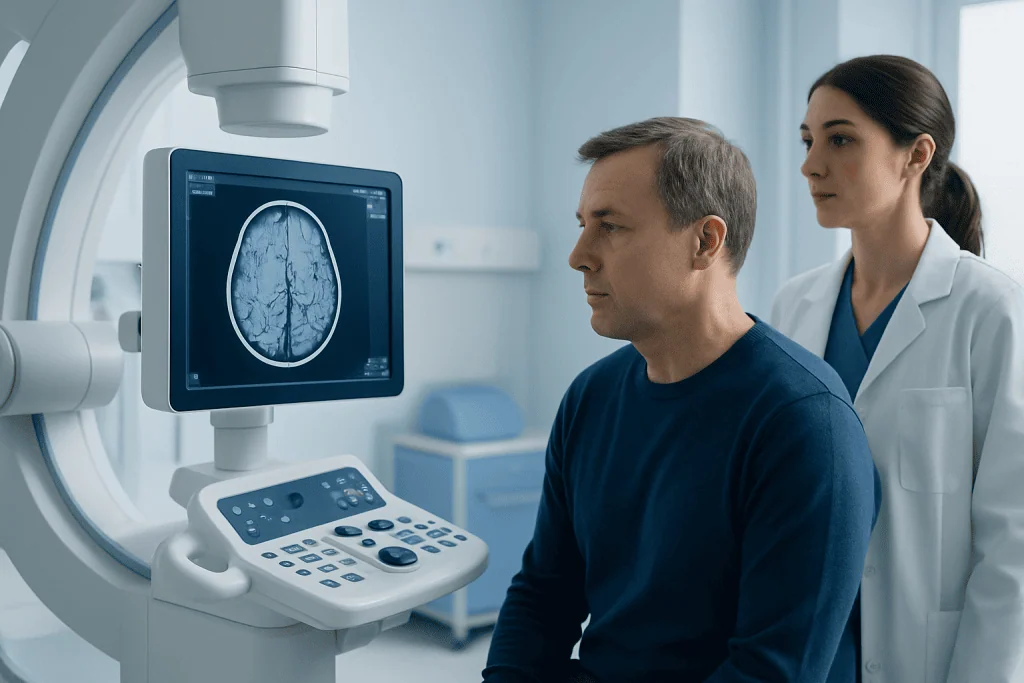
Brain bleed symptoms usually begin quickly, over seconds to hours. A sudden severe headache is one of the best-known signs, especially when the bleeding is around the brain rather than deep within it. However, headache is only one possible symptom, and some people with a serious bleed do not report much pain.
Other common symptoms can include weakness or numbness of the face, arm, or leg, especially on one side of the body; trouble speaking or understanding speech; blurred or double vision; dizziness; loss of balance; and new difficulty walking. Confusion, unusual sleepiness, vomiting, or personality change can also occur as pressure builds in the skull.
A seizure, fainting episode, or sudden loss of consciousness may be the first sign in some people. Family members sometimes notice that the person is staring, not responding normally, or seems suddenly very different. Symptoms that can suggest a bleed rather than a less urgent problem include abrupt onset, rapidly worsening condition, severe headache with neck pain, repeated vomiting, or neurological changes such as weakness or slurred speech.
- Sudden severe headache
- Weakness or numbness, often on one side
- Trouble speaking, understanding, or reading
- Vision changes
- Confusion, drowsiness, or unusual behavior
- Nausea or repeated vomiting
- Seizure
- Loss of balance, collapse, or loss of consciousness
Why symptoms vary: types of brain bleeding

Symptoms can differ because “brain bleed” includes several related conditions. Bleeding inside the brain tissue is called an intracerebral hemorrhage. This often causes stroke-like symptoms such as weakness, facial droop, numbness, speech difficulty, and reduced alertness. If the bleeding affects areas that control movement or sensation, those deficits may be especially noticeable.
Bleeding around the brain may produce a different pattern. A subarachnoid hemorrhage often causes a very sudden, explosive headache, sometimes with neck stiffness, light sensitivity, nausea, or brief loss of consciousness. A subdural hematoma, which can happen after a head injury, may cause symptoms right away or more gradually over days to weeks, especially in older adults.
Epidural bleeding, another trauma-related emergency, can sometimes involve a brief period of seeming well before the person worsens. This is one reason any concerning neurological symptom after a significant head injury needs urgent attention. Some brain bleeds also occur in relation to an abnormal blood vessel, such as an aneurysm or arteriovenous malformation, and the treatment plan may include aneurysm treatment or other specialized neurovascular care.
Causes and risk factors
High blood pressure is one of the most important causes of spontaneous bleeding in the brain. Over time, uncontrolled blood pressure can weaken small blood vessels and make them more likely to rupture. This is why long-term blood pressure control is a central part of prevention and recovery planning.
Head trauma is another major cause. Falls, vehicle accidents, sports injuries, and other blows to the head can lead to bleeding around or within the brain. Older adults are at higher risk of some trauma-related bleeds because the brain naturally shrinks somewhat with age, stretching the veins that can tear during a fall.
Other risk factors include blood-thinning medicines, bleeding disorders, heavy alcohol use, certain illegal stimulant drugs, brain tumors, aneurysms, and vascular malformations. In some people, a bleed is related to a weakened vessel wall from cerebral amyloid angiopathy or other age-related vessel changes. People who have had prior strokes, uncontrolled diabetes, or smoking-related vascular disease may also have a higher risk of serious cerebrovascular events, including stroke.
How doctors diagnose a brain bleed
Diagnosis begins with urgent clinical assessment. Doctors look at when symptoms started, how they progressed, whether there was a head injury, and what medicines the person takes. A neurological examination helps identify which parts of the brain may be affected and whether there are signs of rising pressure inside the skull.
A non-contrast CT scan of the head is commonly the first imaging test because it is fast and usually very effective at showing fresh bleeding. Depending on the situation, doctors may also use MRI, CT angiography, or catheter angiography to look for an aneurysm, vessel malformation, or other structural cause. Blood tests can help assess clotting, infection, kidney function, and whether blood-thinning effects need to be reversed.
If a bleed is confirmed, the next steps focus on determining the exact location, size, likely cause, and whether surgery or intensive monitoring is needed. Patients with severe symptoms may be managed in an emergency department, stroke unit, neurocritical care unit, or neurosurgical center. In selected cases, advanced procedures such as interventional neuroradiology may help diagnose or treat the source of bleeding.
Treatment options and what recovery may involve
Treatment depends on the type of bleed, the patient’s condition, and the cause. The first priorities are stabilizing breathing and circulation, controlling blood pressure when appropriate, managing pain, preventing complications, and treating seizures if they occur. If the person takes anticoagulants or other blood-thinning medicines, doctors may use reversal treatments when suitable.
Some smaller bleeds can be managed with close observation, repeat imaging, and supportive care. Others require urgent procedures to relieve pressure or stop ongoing bleeding. This may include draining a hematoma, placing a device to remove fluid, or performing neurosurgery to reach and treat the affected area. If an aneurysm caused the bleeding, treatment may involve clipping or endovascular repair.
Recovery varies widely. Some people improve steadily over days to weeks, while others need a longer period of rehabilitation for speech, movement, balance, memory, or daily activities. Follow-up often includes management of blood pressure, medication review, repeat imaging, and therapy with rehabilitation specialists. Near the end of the care pathway, Acibadem International’s multidisciplinary specialists in JCI-accredited hospitals also diagnose and treat brain bleeds for international patients when advanced neurological and neurosurgical care is needed.
Prevention and self-care after a brain bleed or high-risk warning signs
Not all brain bleeds can be prevented, but risk can often be reduced. Good blood pressure control is one of the most effective protective steps. Taking prescribed medicines regularly, attending follow-up visits, and reducing excess salt, smoking, and heavy alcohol intake may all support brain and blood vessel health.
Injury prevention matters as well. Wearing seat belts, using helmets for appropriate sports or cycling, improving home fall safety, and reviewing balance problems with a doctor can reduce the chance of trauma-related bleeding. People taking blood thinners should use these medicines exactly as prescribed and discuss falls, unusual bruising, or new neurological symptoms promptly.
After a brain bleed, self-care should follow the medical team’s advice. This may include rest, gradual activity, rehabilitation exercises, strict blood pressure monitoring, and avoiding driving or hazardous activities until cleared by a doctor. New headaches, worsening weakness, confusion, or any sudden neurological change during recovery should be reported urgently.
When to seek medical care
Brain bleed symptoms should be treated as an emergency when they are sudden, severe, or accompanied by neurological changes. Emergency care is especially important for a sudden severe headache, weakness on one side, facial droop, trouble speaking, repeated vomiting, seizure, collapse, or reduced responsiveness. It is safer to seek immediate evaluation and find that the cause is less serious than to wait during a possible brain hemorrhage.
Anyone with new symptoms after a head injury should also be assessed urgently, even if they seemed well at first. This is particularly true for older adults, people taking anticoagulants, and anyone who becomes drowsy, confused, or increasingly unwell after the injury.
If symptoms are mild but unexplained, such as new imbalance, unusual headache, or subtle speech difficulty, same-day medical advice is still appropriate. Early diagnosis can guide treatment quickly and may reduce the risk of complications.
Frequently asked questions
What are the first brain bleed symptoms most people notice?
The first symptoms are often sudden and may include a severe headache, weakness, numbness, trouble speaking, confusion, or vomiting. Some people collapse or have a seizure as the first sign. The pattern depends on where the bleeding happens and how quickly pressure builds.
Can a brain bleed start with only a headache?
Yes, especially with bleeding around the brain, a sudden severe headache may be the main first symptom. However, even if headache is the only symptom at first, urgent assessment is important when it is abrupt, unusually intense, or unlike prior headaches. Other symptoms can develop soon afterward.
How is a brain bleed different from an ischemic stroke?
A brain bleed is caused by bleeding into or around the brain, while an ischemic stroke happens when blood flow is blocked by a clot. Both can cause weakness, speech difficulty, and confusion. Because treatment is different, urgent brain imaging is needed to tell them apart.
Can brain bleed symptoms come on slowly?
Yes, some types, especially certain subdural hematomas after head injury, can develop gradually over days or weeks. Symptoms may include headache, increasing sleepiness, confusion, memory problems, or worsening balance. Gradual symptoms still need medical attention, particularly after a fall or if the person takes blood thinners.
Who is at higher risk for a brain bleed?
People with uncontrolled high blood pressure, head trauma, aneurysms, vascular malformations, or blood-thinning medication use may be at higher risk. Older age, heavy alcohol use, smoking, and certain bleeding disorders can also contribute. A doctor can help assess individual risk based on medical history.
Is a brain bleed always fatal?
No, not all brain bleeds are fatal. Outcomes vary depending on the location and size of the bleed, the cause, how quickly treatment begins, and the person’s overall health. Prompt diagnosis and specialist care can make an important difference.
This article is for general information only and is not a substitute for professional medical advice. Please consult a qualified doctor about your individual situation.
Explore treatments in Turkey — costs, top hospitals & a free quote
JCI-accredited · board-certified surgeons · reply within 24h
Add us as a Preferred Source to see more of our trusted health content across Google Search, AI Overviews and Discover.
Check your numbers in seconds
BMI, calories, due date, blood pressure and 30+ more clinical calculators — free, instant, doctor-reviewed ranges.

More from the Health Library

Meditation Techniques for Anxiety — Explained by Medical Evidence, Not Myths

Mixome: A Complete Medical Overview

Pili Multigemini: What Patients Need to Know

Sleeplessness Doctor: An Evidence-Based Guide for Patients

Abdominal cavity: Symptoms, Causes, and Treatment — Complete Patient Guide