Brain Checkups in Older Adults: When a Second Opinion in Geriatric Neurology Helps

Not all changes in memory or thinking are a normal part of aging. A geriatric neurology evaluation looks at cognition, movement, mood, sleep, medications, and overall function.
Key Takeaways
- Not all changes in memory or thinking are a normal part of aging.
- A geriatric neurology evaluation looks at cognition, movement, mood, sleep, medications, and overall function.
- A second opinion can help confirm a diagnosis, rule out reversible causes, and refine treatment plans.
- Early assessment may improve safety, independence, and quality of life.
- Family observations are often an important part of the evaluation.
Brain checkups in older adults can help identify causes of memory, movement, balance, sleep, or behavior changes that may otherwise be dismissed as normal aging. A second opinion in geriatric neurology may be especially helpful when symptoms are unclear, progressing, or not improving with initial treatment.
Overview
Brain checkups in older adults are medical evaluations used to understand changes in memory, attention, language, balance, mobility, sleep, mood, or day-to-day function. These checkups are not only for people with dementia. They may also help when an older adult has frequent falls, tremor, slowed movement, confusion, unusual behavior, headaches, or a recent decline after illness or hospitalization.
Aging affects the brain, but not every change is simply due to getting older. Mild forgetfulness can occur with age, yet ongoing confusion, getting lost in familiar places, personality change, or difficulty managing medications and finances deserve a closer look. A structured evaluation can separate expected aging from medical conditions that need treatment.
Geriatric neurology focuses on nervous system conditions in older adults, including memory disorders, Parkinsonism, stroke-related changes, neuropathy, sleep disorders, and medication-related cognitive problems. Because many older adults have more than one health condition at the same time, this specialty takes a broad view of brain health and daily functioning.
When a Second Opinion in Geriatric Neurology Helps
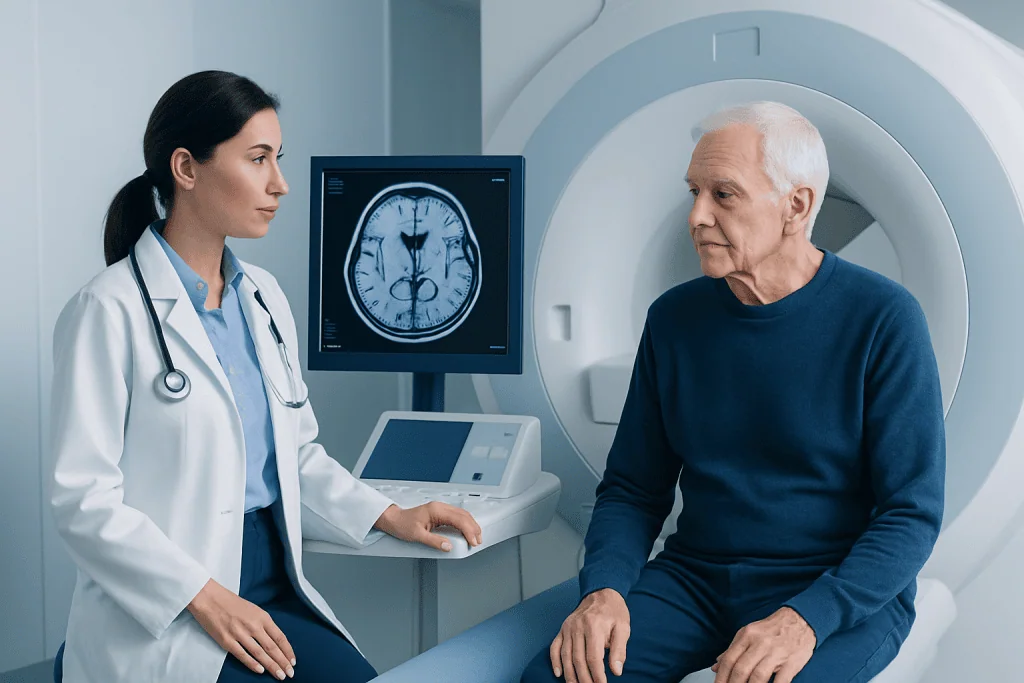
A second opinion can be valuable when the diagnosis is uncertain, symptoms do not fit a clear pattern, or treatment is not helping as expected. It may also help when an older adult has been told that symptoms are “just aging,” but the family notices clear changes in memory, language, judgment, gait, or behavior.
Families often seek a second opinion after mixed test results, rapid decline, repeated falls, episodes of confusion, or side effects from medications. Another common reason is when several possible conditions overlap, such as memory loss together with depression, sleep problems, hearing loss, or movement symptoms. In these situations, a specialist may help clarify whether symptoms are due to neurodegenerative disease, vascular changes, medication effects, or another cause.
A second opinion may also be helpful before major treatment decisions, such as starting long-term cognitive medications, changing Parkinson’s therapy, or planning care after a stroke. For some patients, the main benefit is reassurance that the current diagnosis and care plan are appropriate. For others, it leads to additional testing or a more tailored treatment strategy.
- Symptoms are worsening faster than expected
- Test results are unclear or seem to conflict
- Several doctors have offered different explanations
- Treatment has not improved symptoms or has caused side effects
- The family needs guidance about safety, driving, or future planning
Symptoms and Situations That Merit a Brain Checkup
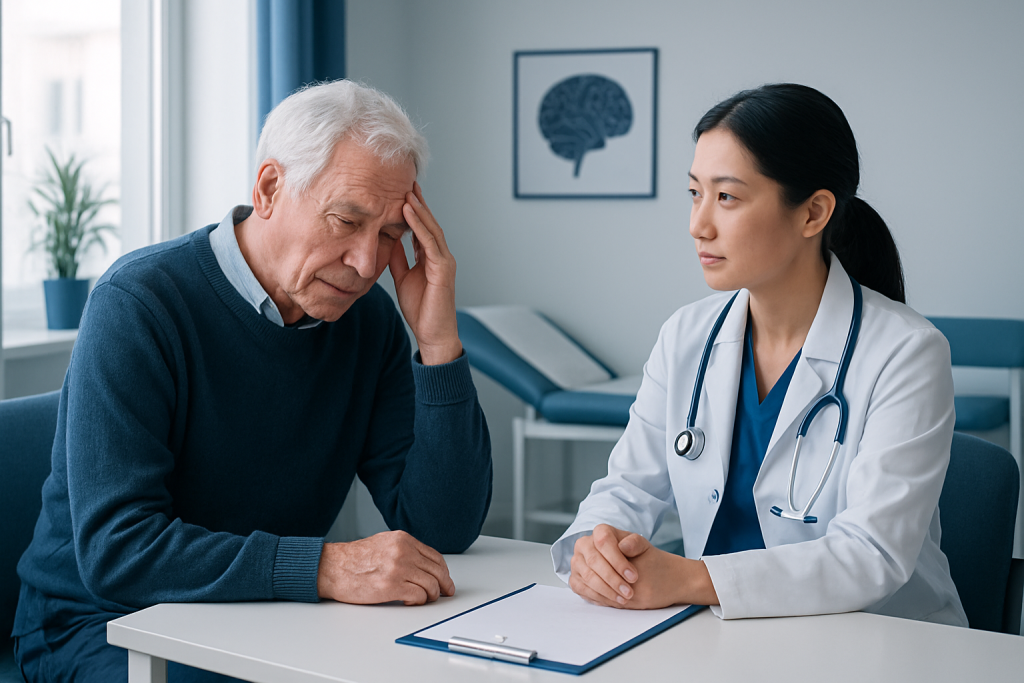
A brain checkup may be appropriate when an older adult has persistent memory lapses that interfere with daily life, such as repeating questions, missing appointments, losing track of conversations, or struggling with familiar tasks. Problems with word-finding, decision-making, attention, or spatial awareness can also be important signs. Some people first notice changes in managing bills, cooking, or taking medicines correctly.
Not all brain-related symptoms are about memory. Tremor, stiffness, slower walking, poor balance, new falls, dizziness, facial masking, or changes in handwriting can suggest movement-related neurological conditions. Sleep disturbances, dream enactment, daytime sleepiness, or sudden episodes of confusion may also need specialist review.
Mood and behavior changes can sometimes be early signs of neurological illness. Withdrawal from social activities, apathy, depression, anxiety, irritability, suspiciousness, or seeing things that are not there should not be ignored. These symptoms can have many possible causes, from medication effects to infections to conditions such as Alzheimer’s disease or Parkinson’s disease.
A brain checkup is also sensible after a stroke, head injury, serious infection, anesthesia-related confusion, or a hospital stay followed by lasting mental changes. Even when symptoms seem mild, an evaluation can create a useful baseline for future comparison.
Possible Causes and Risk Factors
Changes in memory or thinking may come from many different causes. Some are neurodegenerative, such as Alzheimer’s disease or other dementias. Others relate to blood flow in the brain, as in small vessel disease or the long-term effects of stroke. Conditions affecting movement, including Parkinsonian disorders, may also involve thinking, mood, and sleep changes over time.
Importantly, some causes are potentially reversible or treatable. These include medication side effects, interactions between multiple drugs, dehydration, thyroid disease, low vitamin levels, sleep apnea, depression, hearing or vision loss, infections, and metabolic problems. In older adults, even a mild physical illness can sometimes trigger sudden confusion.
Risk factors for brain health problems include increasing age, high blood pressure, diabetes, high cholesterol, smoking, prior stroke, poor sleep, social isolation, and family history of some neurological diseases. Reduced physical activity and untreated sensory loss can also make cognitive symptoms more noticeable in everyday life.
Because symptoms often overlap, it is not always possible to identify the cause from history alone. That is one reason a comprehensive geriatric neurology review can be useful. It looks beyond a single symptom and considers the whole picture, including mobility, mood, sleep, medications, and underlying medical conditions.
How Doctors Diagnose Brain and Cognitive Changes
The evaluation usually begins with a detailed history from both the patient and, when possible, a family member or caregiver. The doctor asks when symptoms started, whether they are getting worse, and how they affect everyday activities. Questions may cover memory, language, walking, sleep, mood, bladder function, falls, driving, and medication use.
A neurological examination checks strength, reflexes, coordination, balance, sensation, gait, eye movements, and signs of tremor or stiffness. Cognitive screening tests may assess memory, attention, naming, planning, orientation, and visuospatial skills. These tests do not provide the whole diagnosis on their own, but they help guide next steps.
Depending on the situation, further tests may include blood work, hearing assessment, formal neuropsychological testing, brain imaging, or sleep evaluation. Imaging can be especially helpful when doctors need to assess stroke-related changes, tumors, hydrocephalus, or patterns of brain atrophy. In selected patients, brain MRI or CT imaging may support diagnosis by showing structural changes that match the person’s symptoms.
When a second opinion is requested, specialists often review previous records, scans, and medication lists in detail. This can help identify missed clues, avoid duplicated testing, and provide a clearer explanation of what is known, what remains uncertain, and what should be monitored over time.
Treatment Options and Care Planning
Treatment depends on the cause. If symptoms are linked to medication side effects, poor sleep, vitamin deficiency, thyroid problems, depression, or infection, addressing those issues may improve brain function. When symptoms reflect a neurodegenerative disorder, treatment may focus on slowing progression where possible, controlling symptoms, and supporting independence and safety.
Care plans often combine medication review with non-drug strategies. These may include physical therapy for gait and balance, occupational therapy for daily tasks, speech therapy for communication or swallowing issues, hearing support, sleep treatment, and management of cardiovascular risks. When movement symptoms are prominent, specialized neurological treatment may help with stiffness, tremor, or walking difficulties.
For some patients, additional procedures or specialty care may be relevant. Examples include neurological rehabilitation after stroke or functional decline, or treatment planning after stroke if thinking or mobility changes persist. A personalized plan should also address driving, fall prevention, medication management, and caregiver support.
Near the end of the process, patients and families often benefit from practical discussion about expectations and follow-up. A diagnosis may evolve over time, so repeat assessment can be important. Acibadem International’s multidisciplinary specialists and JCI-accredited hospitals evaluate and treat older adults with neurological concerns, including those seeking a second opinion from abroad.
Prevention, Self-care, and Preparing for an Appointment
Not every brain condition can be prevented, but healthy habits can support brain health at any age. Good blood pressure, blood sugar, and cholesterol control are especially important because they protect blood vessels in the brain. Regular physical activity, good sleep, social engagement, hearing care, and avoiding smoking may also help preserve function.
Families can support older adults by watching for gradual changes rather than isolated forgetful moments. Keeping a simple symptom diary can be useful: note when problems began, whether they fluctuate, any recent illnesses, and which tasks have become harder. It also helps to bring a complete list of medications, supplements, and previous test results to the appointment.
Practical home measures may improve safety while an evaluation is underway. These can include better lighting, reducing fall hazards, using pill organizers, simplifying routines, and arranging hearing or vision checks. If there are concerns about driving, cooking safety, wandering, or managing finances, it is wise to discuss these early with a clinician.
A second opinion visit is often more productive when a trusted family member attends. Their observations can provide details the patient may not notice, especially if symptoms involve memory, judgment, or changes in personality.
When to See a Doctor Urgently
Some brain-related symptoms need prompt or emergency medical attention rather than a routine checkup. Sudden weakness, facial drooping, trouble speaking, severe imbalance, sudden vision loss, or abrupt confusion may be signs of a stroke or another acute neurological event. These symptoms should be treated as urgent.
Medical care is also important if confusion develops quickly over hours or days, especially with fever, dehydration, injury, or a new medication. Sudden changes in alertness, seizures, fainting, a severe new headache, or repeated unexplained falls should also be assessed promptly.
For non-urgent but persistent concerns, a planned geriatric neurology appointment is appropriate. The main reason not to wait is that earlier evaluation can identify treatable causes, improve safety, and provide a clearer roadmap for care. If symptoms are affecting independence, relationships, or confidence, it is reasonable to ask for specialist review or a second opinion.
Frequently asked questions
Are memory problems always a sign of dementia?
No. Some mild forgetfulness can happen with aging, stress, poor sleep, or sensory problems such as hearing loss. However, persistent memory changes that interfere with daily life should be assessed because they can also reflect medical or neurological conditions.
What does a geriatric neurologist do differently?
A geriatric neurologist focuses on brain and nervous system conditions in older adults. The evaluation often considers memory, mobility, medications, mood, sleep, falls, and day-to-day function together, which can be especially helpful when several issues overlap.
When is a second opinion a good idea?
A second opinion may help when the diagnosis is unclear, symptoms are progressing, or treatment is not working as expected. It can also be useful before making major care decisions or when family members feel the full picture has not yet been explained.
What tests might be included in a brain checkup?
Doctors may use a medical history, neurological examination, memory and thinking tests, blood tests, and sometimes brain imaging. Depending on symptoms, they may also recommend hearing testing, sleep evaluation, or formal neuropsychological assessment.
Can medication cause confusion or memory changes in older adults?
Yes. Older adults can be more sensitive to medication side effects and interactions, especially when taking several medicines at once. Reviewing prescriptions, over-the-counter products, and supplements is an important part of the evaluation.
How can families prepare for the appointment?
It helps to bring a list of symptoms, medications, prior test results, and examples of changes in daily life. A family member or caregiver can provide useful observations about memory, behavior, safety, and function that the patient may not fully notice.
References
- World Health Organization
- National Institute on Aging
- Alzheimer's Association
- American Academy of Neurology
- Centers for Disease Control and Prevention
This article is for general information only and is not a substitute for professional medical advice. Please consult a qualified doctor about your individual situation.
Geriatric Neurology in Turkey — costs, top hospitals & a free quote
JCI-accredited · board-certified surgeons · reply within 24h
Add us as a Preferred Source to see more of our trusted health content across Google Search, AI Overviews and Discover.

Neurology
Diagnosis and treatment of disorders of the brain, spinal cord, nerves and muscles.
51 specialists in this unitMore from the Health Library



Related Specialists

Dr. Oya Duran
Pediatrics
Prof. Dr. Mehmet Veli Karaaltın
Aesthetic Plastic & Reconstructive Surgery
Prof. Dr. Ahmet Ümit Güllü
Cardiovascular Surgery
Dr. Özlem Türkcanoğlu
Emergency Service