Brain eating bacteria: Common Causes, Warning Signs, and When to Worry
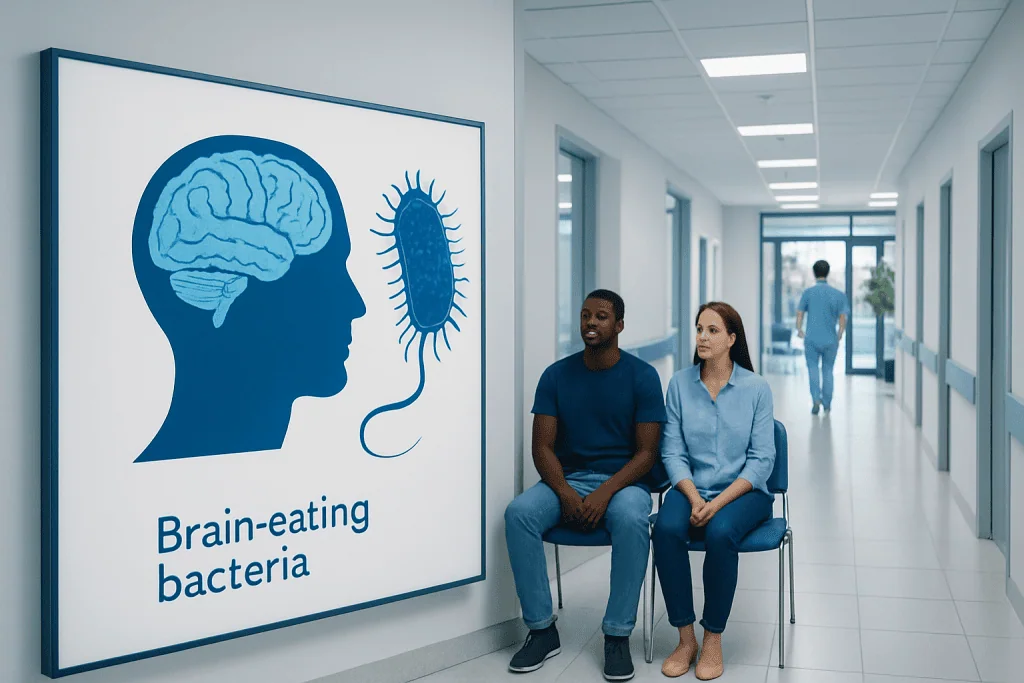
Brain eating bacteria is a nonmedical phrase often used for severe infections such as bacterial meningitis or brain abscess. Symptoms can progress quickly and may include fever, severe headache, vomiting, neck stiffness, confusion, seizures, and drowsiness.
Key Takeaways
- Brain eating bacteria is a nonmedical phrase often used for severe infections such as bacterial meningitis or brain abscess.
- Symptoms can progress quickly and may include fever, severe headache, vomiting, neck stiffness, confusion, seizures, and drowsiness.
- Diagnosis usually involves urgent examination, blood tests, brain imaging, and sometimes a lumbar puncture.
- Prompt treatment with hospital-based antibiotics and supportive care can be lifesaving.
- Any sudden neurological symptoms, especially with fever or altered mental status, need immediate medical attention.
The term brain eating bacteria is not a formal medical diagnosis, but people often use it to describe rare, serious infections that damage brain tissue or its protective coverings. These illnesses are uncommon, yet warning signs such as fever, severe headache, neck stiffness, confusion, seizures, or sudden weakness should be treated as urgent.
What does "brain eating bacteria" mean?
“Brain eating bacteria” is a dramatic phrase used in news reports and online searches, but it is not a standard medical term. In most cases, it refers to rare but serious infections that affect the brain itself or the tissues around it, including <a href="https://acibademinternational.com/diseases/bacterial-meningitis/”>bacterial meningitis, encephalitis caused by infection, and brain abscess. These conditions can inflame or damage delicate nervous system tissue, which is why they require urgent medical attention.
It is also important to separate this phrase from other causes of severe brain infection. Some people use it loosely for organisms that are not bacteria at all, such as amoebae. Because symptoms can overlap, the safest approach is not to self-diagnose based on headlines. Instead, any combination of fever and neurological symptoms should be assessed quickly by a qualified doctor.
Although these infections are uncommon, they matter because the brain has limited tolerance for swelling and inflammation. Early recognition can help doctors begin treatment sooner, reduce complications, and improve recovery. For patients and families, understanding the warning signs is more useful than focusing on a misleading label.
Which conditions are most often behind this term?
Several different medical problems may be described as brain eating bacteria. One is bacterial meningitis, an infection of the membranes that cover the brain and spinal cord. Another is a brain abscess, which is a pocket of infection within brain tissue. Less commonly, severe bloodstream infections or infections spreading from the ear, sinuses, teeth, or skull can reach the brain.
Doctors also consider infections that are not bacterial but can seem similar at first. Viral or autoimmune inflammation may cause confusion, seizures, or behavioral changes. In some situations, symptoms can resemble other neurological emergencies, including stroke or severe brain tumor-related pressure effects, which is why careful diagnosis is essential.
The underlying cause often matters because treatment differs. Bacterial infections need urgent antibiotics, while an abscess may also require drainage. For this reason, clinicians focus on identifying the exact source rather than using the broad phrase alone.
Warning signs and symptoms to watch for

Symptoms depend on the type of infection, the part of the brain involved, and how quickly inflammation develops. Some people become unwell over hours, while others worsen over several days. A severe headache with fever is a common early clue, especially when it feels different from usual headaches or is accompanied by vomiting or light sensitivity.
Neurological symptoms are especially important. These can include confusion, unusual sleepiness, difficulty speaking, poor balance, seizures, weakness in an arm or leg, personality or behavior changes, and reduced alertness. In bacterial meningitis, neck stiffness can also occur. In infants, symptoms may be less specific, such as poor feeding, irritability, a weak cry, or unusual limpness.
Possible warning signs include:
- High fever or chills
- Severe or rapidly worsening headache
- Neck stiffness or pain
- Nausea and vomiting
- Confusion or trouble waking up
- Seizures
- New weakness, numbness, or trouble speaking
- Sensitivity to light
- Behavioral changes or agitation
Not every person has every symptom. However, when fever appears together with confusion, seizures, severe headache, or neck stiffness, urgent evaluation is needed. Waiting to see if the symptoms pass can be risky.
Causes and risk factors
Bacteria can reach the brain or its surrounding tissues in several ways. They may spread through the bloodstream from an infection elsewhere in the body, extend directly from nearby areas such as the middle ear or sinuses, or enter after head trauma or neurosurgery. Rarely, certain bacteria can cause infection in otherwise healthy people, but the risk is often higher when the immune system is weakened.
Risk factors may include chronic ear or sinus infections, recent skull injury, immune suppression, uncontrolled diabetes, certain cancers, and implanted medical devices involving the nervous system. Age also matters: newborns, young children, older adults, and people with significant medical conditions may be more vulnerable to severe infection.
Some infections are preventable through vaccination. Vaccines against organisms that can cause meningitis, such as pneumococcus, meningococcus, and Haemophilus influenzae type b, have reduced many serious infections. Good management of chronic infections and prompt treatment of severe dental, ear, or sinus disease may also lower risk.
How doctors diagnose a suspected brain infection
When brain infection is suspected, doctors act quickly because treatment often starts before every test result is back. The first steps usually include checking temperature, blood pressure, oxygen levels, mental status, and a focused neurological examination. Blood tests may look for signs of infection and help identify the organism.
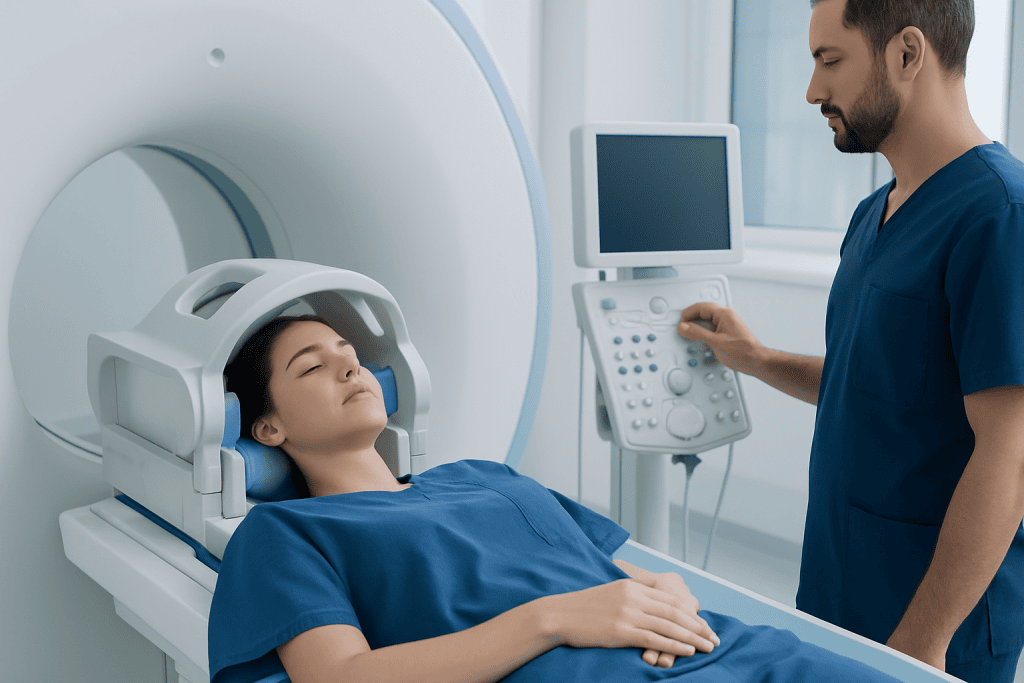
Imaging plays an important role. A brain CT or MRI can show swelling, abscess, bleeding, or other causes of symptoms. In some cases, doctors perform a lumbar puncture to examine cerebrospinal fluid and look for bacteria, inflammation, or other abnormalities. This test is particularly important when meningitis is suspected, but imaging may be needed first if there is concern about increased pressure inside the skull.
Further evaluation depends on the clinical picture. Doctors may order cultures, PCR-based infectious testing, EEG for seizures, or scans to search for a source such as sinus, ear, lung, or heart infection. If symptoms could reflect another neurological emergency, tests may also help distinguish infection from conditions such as epilepsy or stroke.
Treatment options and hospital care
Suspected bacterial brain infection is a medical emergency. Treatment usually begins in the hospital with intravenous antibiotics chosen to cover the most likely bacteria while test results are pending. Doctors may also give medications to reduce inflammation in specific situations, treat fever, control seizures, maintain hydration, and support breathing or blood pressure if needed.
If a brain abscess is present, treatment may involve both antibiotics and a procedure to drain the infected area. Care is often coordinated by specialists in infectious diseases, neurology, neurosurgery, and intensive care. Depending on the findings, patients may need brain MRI, lumbar puncture, or brain surgery as part of diagnosis or treatment.
Recovery varies widely. Some people improve steadily with early treatment, while others need prolonged rehabilitation for weakness, cognitive changes, speech problems, or seizure management. Follow-up is important because even after the infection is controlled, the nervous system may need time and support to heal.
For international patients who need expert assessment, Acibadem International’s multidisciplinary specialists and JCI-accredited hospitals diagnose and treat serious neurological infections and their complications.
Prevention and self-care
There is no home remedy for a suspected brain infection, but there are practical ways to reduce risk. Staying current with recommended vaccines is one of the most effective steps. Prompt treatment of ear infections, sinus infections, severe dental infections, and skin infections may also help prevent spread to deeper tissues.
People with chronic illnesses or weakened immune systems should follow their doctor’s advice closely, especially when they develop fever or signs of infection. Good hand hygiene, avoiding sharing personal items when ill, and seeking care for worsening symptoms are sensible general measures. After head trauma or neurosurgery, any fever, wound drainage, increasing headache, or neurological change should be reported without delay.
Self-care after treatment may include rest, hydration, medication adherence, follow-up appointments, and rehabilitation if needed. Family members should watch for ongoing confusion, memory changes, recurrent seizures, or new weakness and report these to the care team. Recovery can continue for weeks or months, so patience and structured support are important.
When to seek medical care
Medical care should be sought immediately for fever with severe headache, neck stiffness, confusion, fainting, new seizures, trouble speaking, sudden weakness, or increasing drowsiness. These symptoms can point to a serious infection or another neurological emergency and should not be monitored at home. Emergency care is especially important if symptoms are rapidly worsening.
Parents should seek urgent help for babies or young children with fever plus poor feeding, unusual sleepiness, persistent vomiting, seizures, a bulging soft spot, or difficulty waking. Older adults may present more subtly, sometimes with confusion or reduced alertness rather than a clear complaint of headache.
If a person has already been diagnosed with an infection and develops worsening symptoms despite treatment, they should contact their doctor or return for urgent reassessment. Early intervention can make a meaningful difference in outcomes.
Frequently asked questions
Is brain eating bacteria a real medical diagnosis?
No. It is an informal phrase rather than a specific diagnosis. Doctors instead identify the exact condition, such as bacterial meningitis, encephalitis, or a brain abscess, because treatment depends on the true cause.
How rare are these infections?
Serious bacterial infections involving the brain are uncommon, but they are medically urgent when they occur. Their importance comes from how quickly they can affect brain function, not from how often they happen.
What is the first sign of a serious brain infection?
There is no single first sign for everyone, but fever with a new severe headache is a common early pattern. Confusion, vomiting, neck stiffness, or unusual drowsiness make the situation more concerning and should prompt urgent medical evaluation.
Can a sinus or ear infection spread to the brain?
Yes, in rare cases an untreated or severe sinus or ear infection can spread to nearby tissues and contribute to a brain abscess or other complication. Most routine infections do not do this, but worsening pain, fever, swelling, or neurological symptoms need prompt medical review.
How is a suspected brain infection tested?
Doctors usually combine a physical and neurological examination with blood tests and brain imaging such as CT or MRI. A lumbar puncture may also be done to examine cerebrospinal fluid, especially if meningitis is suspected.
Can brain infections be treated successfully?
Many can be treated, especially when diagnosis and treatment happen early. Treatment may include intravenous antibiotics, supportive care, seizure management, and sometimes surgery if there is an abscess or pressure problem.
References
- Centers for Disease Control and Prevention
- World Health Organization
- National Institute of Neurological Disorders and Stroke
- Mayo Clinic
- Infectious Diseases Society of America
This article is for general information only and is not a substitute for professional medical advice. Please consult a qualified doctor about your individual situation.
Explore treatments in Turkey — costs, top hospitals & a free quote
JCI-accredited · board-certified surgeons · reply within 24h
Add us as a Preferred Source to see more of our trusted health content across Google Search, AI Overviews and Discover.