Brain Fog and Fatigue: Could a Sleep-Related Neurological Disorder Be the Cause?

Brain fog and fatigue may be related to underlying sleep-related neurological disorders, not just stress or a busy lifestyle. Conditions such as sleep apnea, narcolepsy, restless legs syndrome, and circadian rhythm disorders can affect daytime thinking and energy.
Key Takeaways
- Brain fog and fatigue may be related to underlying sleep-related neurological disorders, not just stress or a busy lifestyle.
- Conditions such as sleep apnea, narcolepsy, restless legs syndrome, and circadian rhythm disorders can affect daytime thinking and energy.
- Diagnosis often involves a medical history, sleep assessment, and sometimes overnight sleep studies or daytime testing.
- Treatment depends on the cause and may include lifestyle changes, behavioral strategies, medical devices, or medication.
- Persistent symptoms, loud snoring, sudden sleep attacks, or unusual nighttime movements should be assessed by a doctor.
Brain fog and fatigue are common symptoms with many possible causes, including sleep-related neurological disorders. When sleep is disrupted or the brain cannot properly regulate sleep and wakefulness, concentration, memory, mood, and daytime energy can all suffer.
Overview
Many people describe brain fog as feeling mentally slow, unfocused, forgetful, or “not fully awake.” Fatigue is a related but different symptom that often includes low energy, reduced motivation, and a sense of physical or mental exhaustion. While these complaints are common, they should not always be dismissed as simply stress, aging, or poor sleep habits.
In some cases, brain fog and fatigue are linked to a sleep-related neurological disorder. These conditions affect how the brain controls sleep, wakefulness, breathing during sleep, movement during sleep, or the body clock that regulates daily sleep timing. When sleep is repeatedly interrupted or is not restorative, the brain may struggle with attention, memory, mood regulation, and reaction time during the day.
Sleep-related neurological disorders can affect adults of any age, and some also occur in children and adolescents. Because symptoms may build gradually, a person may not realize how much poor-quality sleep is affecting daily life until work performance, school, driving safety, or relationships begin to suffer.
How Sleep Problems Can Cause Brain Fog and Fatigue
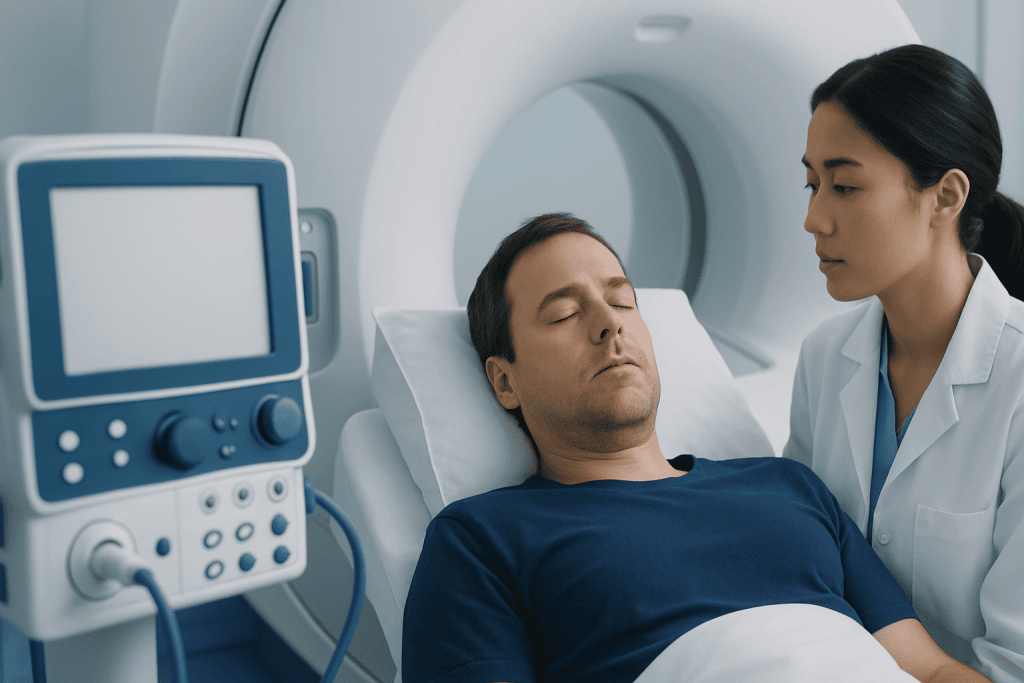
Healthy sleep supports learning, concentration, emotional balance, and physical recovery. During the night, the brain cycles through different sleep stages that are important for memory processing, hormone regulation, and nervous system function. If these stages are fragmented or shortened, a person may wake feeling unrefreshed even after spending enough time in bed.
Repeated awakenings, low oxygen levels during sleep, abnormal movements, or poor alignment of the sleep-wake cycle can all contribute to daytime symptoms. As a result, the person may notice slower thinking, difficulty multitasking, irritability, reduced productivity, or a strong need to nap. Some people also develop headaches, poor exercise tolerance, or mood changes such as anxiety or low mood.
Brain fog and fatigue are not specific to one diagnosis. They can appear in conditions such as sleep apnea, narcolepsy, restless legs syndrome, periodic limb movement disorder, REM sleep behavior disorder, insomnia, and circadian rhythm sleep-wake disorders. Because several conditions may overlap, a careful evaluation is often needed.
Possible Sleep-Related Neurological Disorders

One common cause is obstructive sleep apnea, in which the airway repeatedly narrows or closes during sleep. This can lead to snoring, pauses in breathing, restless sleep, and daytime sleepiness or mental clouding. Central sleep apnea, which involves disrupted brain signals that control breathing, is less common but also important to recognize.
Narcolepsy is a neurological disorder that affects the brain’s regulation of sleep and wakefulness. It may cause overwhelming daytime sleepiness, sudden sleep episodes, vivid dream-like experiences when falling asleep or waking, sleep paralysis, and sometimes cataplexy, which is a sudden loss of muscle tone triggered by strong emotions. These symptoms can interfere with work, school, and safety.
Movement-related sleep disorders can also lead to daytime fatigue. Restless legs syndrome causes uncomfortable leg sensations and an urge to move, especially in the evening or at rest. Periodic limb movements during sleep may cause repeated kicking or jerking that fragments sleep, even if the person does not remember waking up.
Other possibilities include circadian rhythm disorders, in which the internal body clock is shifted, and parasomnias, which involve unusual behaviors during sleep. In some situations, fatigue and cognitive slowing may also occur alongside neurologic conditions that affect sleep, such as epilepsy or neurodegenerative disorders.
Symptoms and Warning Signs
Brain fog related to sleep disorders may include poor concentration, forgetfulness, slower processing speed, difficulty finding words, and trouble staying mentally engaged. Fatigue may feel like heavy tiredness, loss of stamina, or needing far more effort to complete ordinary tasks. Some people mainly notice a decline in attention, while others experience both mental and physical exhaustion.
Nighttime clues can be just as important as daytime symptoms. Loud snoring, gasping, witnessed breathing pauses, frequent awakenings, vivid dreams, acting out dreams, leg discomfort, repeated limb movements, sleepwalking, or unusual sleep schedules may suggest an underlying disorder. A bed partner is often the first person to notice these signs.
Symptoms that deserve medical attention include:
- Excessive daytime sleepiness that affects driving, work, or school
- Falling asleep unintentionally during quiet activities
- Morning headaches or waking up short of breath
- Sudden muscle weakness with emotions
- Persistent insomnia despite good sleep habits
- Confusion, memory problems, or fatigue that continue for weeks
Although these symptoms often have treatable causes, they should be assessed rather than ignored, especially if they are getting worse or affecting safety.
Causes, Risk Factors, and Related Conditions
Sleep-related neurological disorders can arise for different reasons. In some people, anatomy and airway structure contribute to sleep apnea. In others, the issue involves brain chemicals that regulate wakefulness, such as in narcolepsy. Genetics, aging, certain neurological diseases, iron deficiency, shift work, medications, alcohol use, and chronic sleep deprivation can also play a role depending on the condition.
Risk factors for poor sleep quality and daytime cognitive symptoms include obesity, high blood pressure, nasal obstruction, irregular sleep schedules, and family history of sleep disorders. Anxiety, depression, chronic pain, and endocrine or metabolic conditions can make symptoms more noticeable and may coexist with a primary sleep disorder.
Brain fog and fatigue may also overlap with other medical causes outside sleep medicine, such as thyroid disease, anemia, vitamin deficiencies, infection, medication side effects, or mood disorders. This is one reason evaluation should be broad and individualized. A doctor will usually consider both sleep-related and non-sleep-related explanations before making a diagnosis.
How Diagnosis Is Made
Diagnosis begins with a detailed history. The doctor will ask about sleep schedule, snoring, breathing pauses, dream-related behaviors, leg symptoms, daytime sleepiness, medications, caffeine and alcohol use, and any neurologic or psychiatric symptoms. Keeping a sleep diary can be helpful, especially when symptoms vary from day to day.
A physical examination may look for signs such as airway narrowing, obesity, high blood pressure, neurologic abnormalities, or other clues to an underlying condition. Questionnaires about sleepiness and sleep quality may also be used, although they do not replace formal testing.
When needed, testing may include overnight polysomnography, also called a sleep study, which measures breathing, oxygen levels, brain waves, heart rhythm, and body movements during sleep. Some people may need daytime testing such as a multiple sleep latency test to evaluate excessive sleepiness and help diagnose narcolepsy. Depending on the situation, blood tests or brain imaging may be recommended to rule out other causes.
If symptoms suggest a breathing-related disorder, a doctor may discuss overnight polysomnography and further evaluation in a sleep center. In more complex cases, specialists in neurology, pulmonology, ENT, or mental health may work together to clarify the diagnosis.
Treatment Options
Treatment depends on the exact cause. For sleep apnea, improving nighttime breathing often leads to better daytime alertness and clearer thinking. Management may include weight-related strategies, positional measures, treatment of nasal blockage, oral appliances, or CPAP therapy to keep the airway open during sleep. Some patients may also be evaluated for procedures if anatomy is a major factor.
Narcolepsy and certain hypersomnia disorders are usually managed with a combination of medication and structured sleep habits. Scheduled naps, a consistent sleep routine, and safety planning for driving or operating machinery may be part of care. Restless legs syndrome may improve by addressing contributing factors such as low iron, medication triggers, or sleep deprivation, along with specific medical treatment when needed.
For circadian rhythm disorders, treatment may involve timed light exposure, gradual schedule shifts, and changes to sleep timing. Insomnia often responds to behavioral approaches that retrain sleep patterns. When upper airway structure is part of the problem, targeted care from an ENT specialist may be considered in selected cases.
Many patients benefit from multidisciplinary care. Near the end of the care pathway, some may seek assessment at centers such as Acibadem International, where multidisciplinary specialists and JCI-accredited hospitals evaluate and treat sleep-related neurological disorders for international patients.
Self-Care, Prevention, and When to See a Doctor
Good sleep habits can support treatment and sometimes reduce symptoms, although self-care alone may not be enough if a true sleep disorder is present. Helpful steps include keeping a regular sleep schedule, limiting alcohol near bedtime, reducing late caffeine, creating a dark and quiet sleep environment, and avoiding screen exposure close to bedtime when possible. Regular physical activity during the day may also support sleep quality.
It is also important to manage health conditions that can worsen sleep, such as nasal congestion, chronic pain, anxiety, or reflux. People who snore loudly, gain weight, work rotating shifts, or feel sleepy while driving should be especially cautious and seek advice early. Drowsy driving can be dangerous even when symptoms seem mild.
A doctor should be consulted if brain fog and fatigue persist for several weeks, interfere with daily functioning, or come with red-flag features such as breathing pauses, sudden sleep attacks, dream enactment, or unexplained neurologic symptoms. Early diagnosis can improve quality of life and reduce the impact on memory, mood, work, and safety.
Frequently asked questions
Can lack of sleep really cause brain fog?
Yes. Poor-quality or insufficient sleep can affect attention, memory, reaction time, and emotional balance. If the problem is ongoing, a sleep-related disorder may be preventing restorative sleep even when a person spends enough time in bed.
What sleep disorders most often cause fatigue and mental cloudiness?
Common causes include sleep apnea, insomnia, narcolepsy, restless legs syndrome, periodic limb movement disorder, and circadian rhythm disorders. These conditions affect sleep continuity, oxygen levels, or the brain's control of sleep and wakefulness. A proper evaluation helps identify which one is responsible.
How can someone tell whether fatigue is from a sleep disorder or another medical problem?
It is not always easy to tell without medical assessment. Clues such as loud snoring, witnessed breathing pauses, unplanned naps, leg discomfort at night, or acting out dreams may point toward a sleep disorder. Doctors also consider other causes such as anemia, thyroid disease, medication effects, mood disorders, and chronic illness.
What tests are used to diagnose a sleep-related neurological disorder?
Doctors may use a sleep history, physical examination, sleep questionnaires, and a sleep diary. An overnight sleep study can measure breathing, oxygen levels, brain activity, and movements during sleep. In some cases, daytime testing is added to assess excessive sleepiness or confirm narcolepsy.
Can treatment improve brain fog and fatigue?
In many cases, yes. When the underlying sleep problem is treated, people often notice better alertness, clearer thinking, improved mood, and more stable energy. The degree of improvement depends on the diagnosis, how long symptoms have been present, and whether other medical conditions also contribute.
When should someone seek urgent medical advice?
Urgent assessment is important if a person has dangerous daytime sleepiness, falls asleep while driving, severe breathing problems during sleep, sudden weakness with emotions, or confusion with new neurologic symptoms. These signs may need prompt evaluation. Even less dramatic but persistent symptoms should still be discussed with a doctor.
References
- American Academy of Sleep Medicine
- National Institute of Neurological Disorders and Stroke
- National Heart, Lung, and Blood Institute
- Centers for Disease Control and Prevention
- Mayo Clinic
This article is for general information only and is not a substitute for professional medical advice. Please consult a qualified doctor about your individual situation.
Explore treatments in Turkey — costs, top hospitals & a free quote
JCI-accredited · board-certified surgeons · reply within 24h
Add us as a Preferred Source to see more of our trusted health content across Google Search, AI Overviews and Discover.