Brain Injury Rehabilitation: Cognitive, Physical, and Behavioral Recovery After TBI
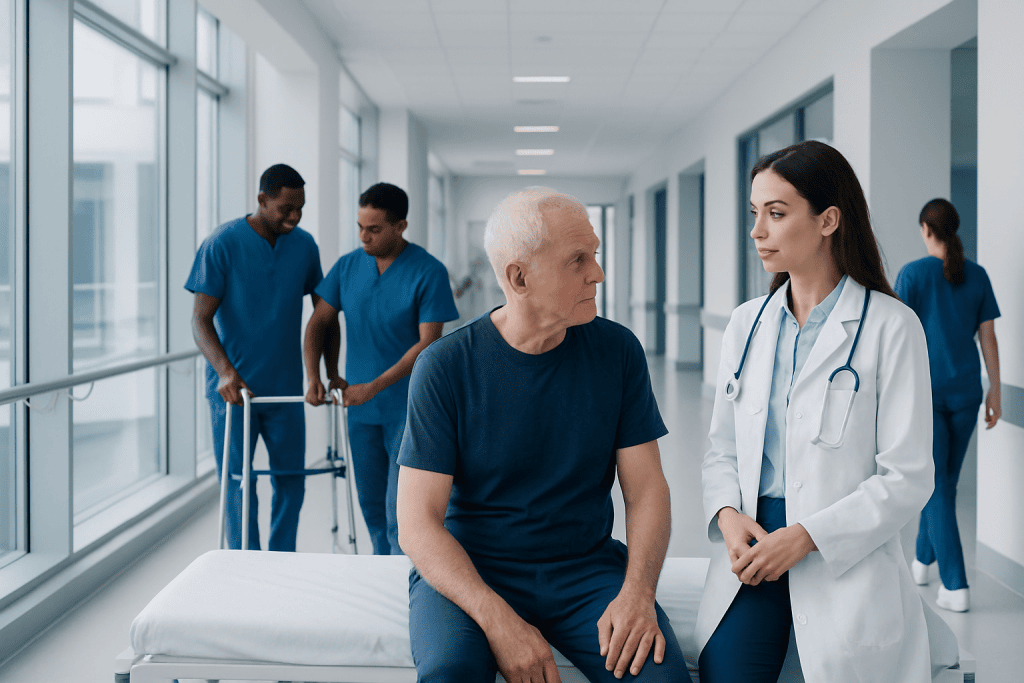
Brain injury rehabilitation is tailored to the person’s symptoms, goals, and stage of recovery. Treatment may include physical, occupational, speech, cognitive, and psychological therapies.
Key Takeaways
- Brain injury rehabilitation is tailored to the person’s symptoms, goals, and stage of recovery.
- Treatment may include physical, occupational, speech, cognitive, and psychological therapies.
- Recovery after TBI can continue for months or longer, often with gradual improvements.
- Behavioral and emotional changes are common and should be treated as part of rehabilitation.
- Early assessment and coordinated specialist care can support safer, more effective recovery.
Brain injury rehabilitation is a personalized process that helps a person recover physical, cognitive, emotional, and behavioral function after traumatic brain injury. Progress can take time, but structured therapy, family support, and regular medical follow-up can improve independence and quality of life.
Overview of Brain Injury Rehabilitation
Brain injury rehabilitation is the structured treatment and support used to help a person recover after a traumatic brain injury, also called TBI. The goals are to improve function, reduce complications, and help the person return as much as possible to daily activities, work, school, and social life. Rehabilitation may begin in the hospital soon after injury and continue in an inpatient unit, outpatient center, home program, or community setting.
TBI can affect many parts of life at the same time. Some people have problems with balance, strength, speech, memory, concentration, mood, or behavior. Others may look physically well but still struggle with fatigue, planning, irritability, or sensory sensitivity. Because these effects can be complex, rehabilitation usually involves a team rather than a single treatment.
Recovery is not the same for everyone. It depends on factors such as the severity of the injury, the area of the brain affected, age, overall health, and how quickly treatment starts. Improvement often happens in stages, and it is common for goals to change over time as the person regains skills and faces new challenges.
Symptoms and Challenges After TBI
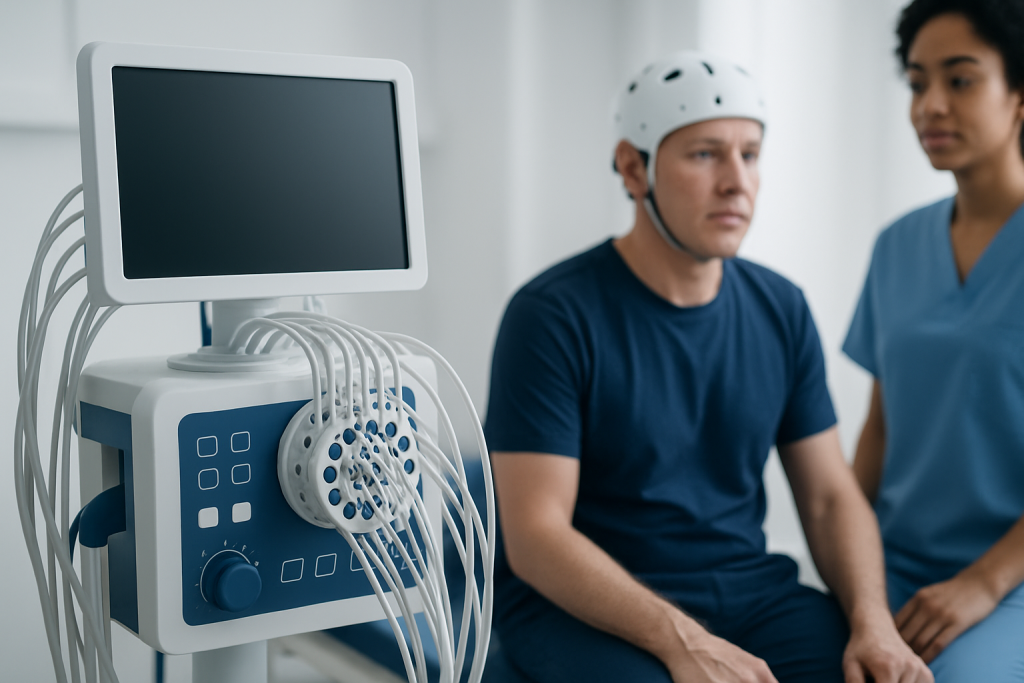
The effects of TBI can be physical, cognitive, emotional, and behavioral. Physical symptoms may include weakness, poor coordination, dizziness, headaches, vision changes, fatigue, sleep problems, pain, or difficulty swallowing. Some people also experience seizures or problems with bladder and bowel control, especially after more severe injuries.
Cognitive symptoms are often a major reason for rehabilitation. These can include trouble with attention, memory, learning new information, problem-solving, planning, language, and mental speed. Everyday activities such as following instructions, managing appointments, or handling finances may become harder than before the injury.
Behavioral and emotional changes are also common and can be distressing for both the person and family members. A person may become impulsive, easily frustrated, anxious, depressed, apathetic, or socially withdrawn. Others may have reduced awareness of their own difficulties, which can affect safety and relationships.
- Physical: balance problems, weakness, fatigue, headaches
- Cognitive: memory loss, slowed thinking, poor concentration
- Communication: trouble speaking, understanding, reading, or writing
- Behavioral: irritability, impulsivity, poor judgment
- Emotional: anxiety, depression, mood swings
Causes, Severity, and Risk Factors
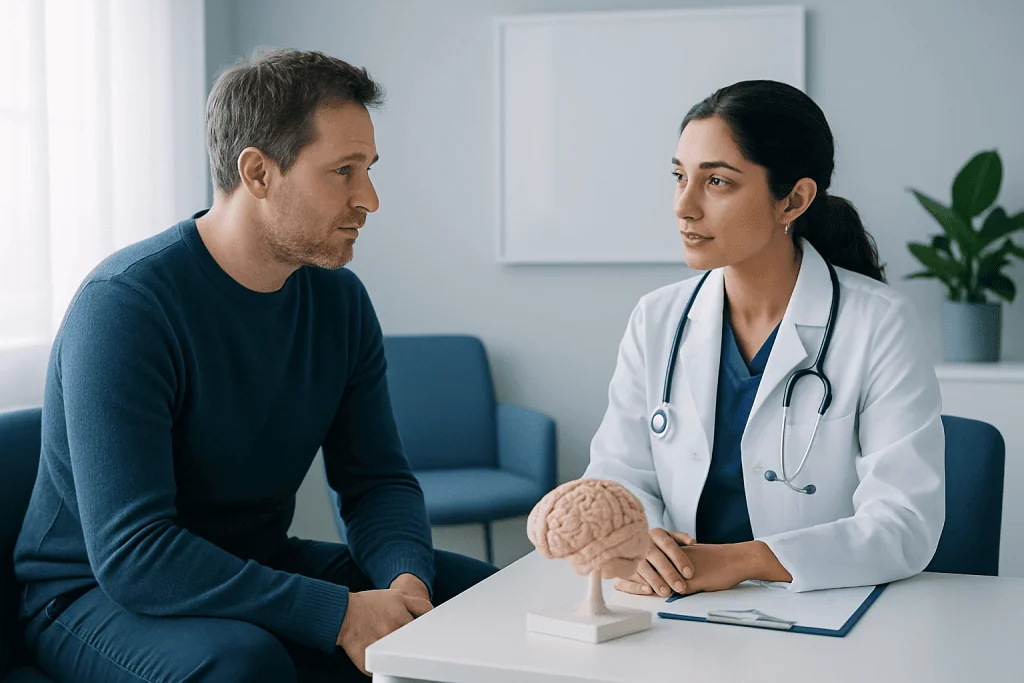
Traumatic brain injury happens when an external force injures the brain. Common causes include falls, road traffic accidents, sports injuries, workplace trauma, and violence. The injury may be mild, moderate, or severe. Even so-called mild injuries can cause symptoms that last for weeks or longer in some people, especially if there have been repeated head injuries.
Doctors also consider whether there are complications such as bleeding, swelling, skull fracture, lack of oxygen, or injury to other organs. These factors can influence the type of rehabilitation needed. Some patients may also need treatment for related conditions such as stroke-like deficits caused by brain damage, although TBI itself is a distinct diagnosis.
Certain groups may face a higher risk of prolonged recovery, including older adults, people with previous brain injury, and those with pre-existing neurological, psychiatric, or substance use conditions. Limited sleep, unmanaged pain, stress, and lack of social support can also slow progress. Identifying these factors early helps the team build a more realistic and supportive rehabilitation plan.
How Rehabilitation Needs Are Assessed
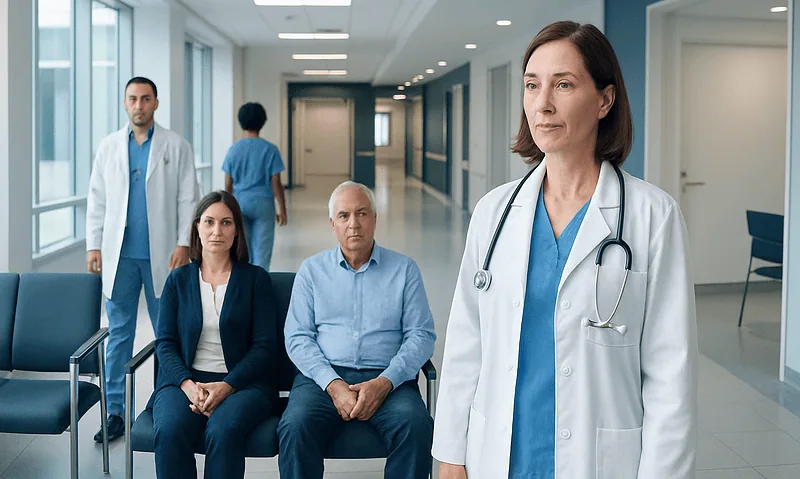
Assessment begins with a detailed medical and neurological evaluation. The care team looks at the person’s level of consciousness, movement, sensation, speech, memory, attention, mood, behavior, and ability to manage daily activities. Family members often provide valuable information about changes from the person’s usual baseline.
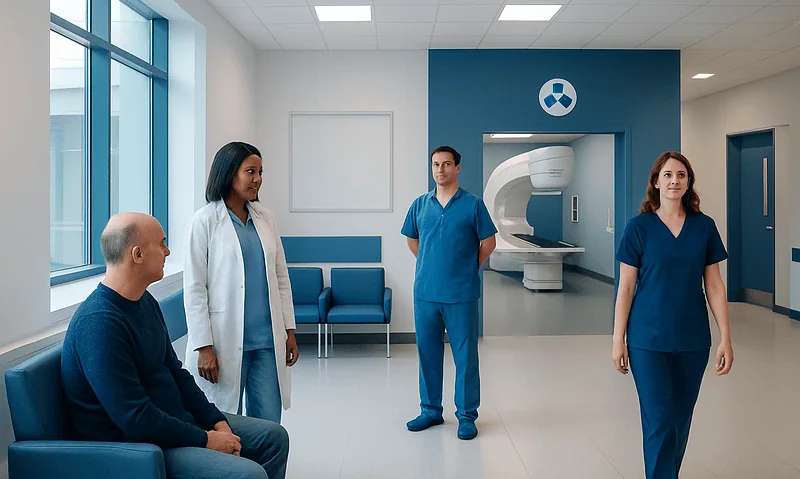
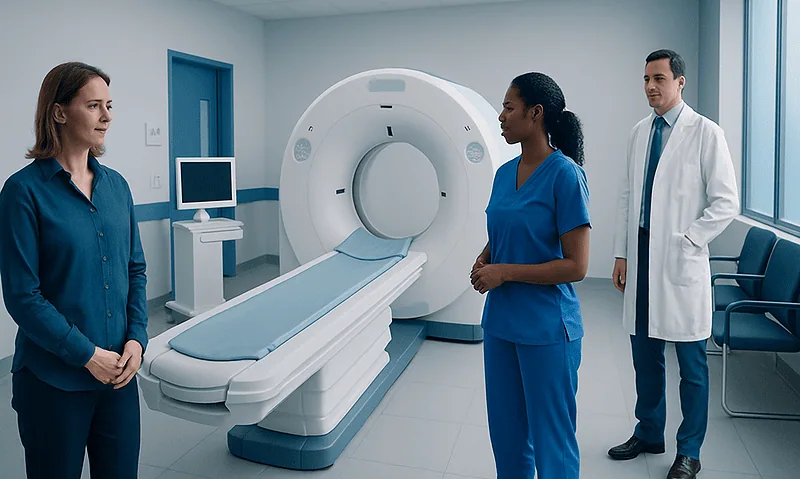
Imaging tests and other studies may help define the injury and guide treatment. Depending on the situation, a doctor may request brain MRI or CT scanning to assess structural damage or complications. Neuropsychological testing may also be used to measure attention, memory, executive function, and emotional health in a more detailed way.
The assessment does not end after the first visit. Rehabilitation needs change as healing progresses, and repeat evaluations are often necessary. This helps the team set practical goals, measure progress, and adjust the treatment plan when symptoms improve or new problems become more noticeable.
Treatment Options: Cognitive, Physical, and Behavioral Recovery
Brain injury rehabilitation usually combines several therapies. Physical therapy focuses on strength, mobility, balance, endurance, and safe movement. Occupational therapy helps with everyday activities such as dressing, bathing, cooking, handwriting, and returning to work or school tasks. Speech and language therapy supports communication, swallowing, and higher-level cognitive skills such as attention and organization when these are affected.
Cognitive rehabilitation is a key part of care for many patients. It may include exercises and real-life strategies to improve attention, memory, planning, problem-solving, and self-monitoring. Therapists often teach practical tools such as written schedules, phone reminders, step-by-step routines, and environmental changes that reduce distraction. When appropriate, care may overlap with approaches used in cognitive disorders or other neurological conditions, although treatment is always personalized to TBI.
Behavioral and emotional recovery is equally important. A psychologist, psychiatrist, or neuropsychiatry team may help manage depression, anxiety, agitation, impulsivity, sleep problems, trauma-related symptoms, or changes in personality. Counseling, behavior plans, stress management, family education, and carefully selected medicines may all play a role. If swallowing, prolonged weakness, or severe mobility loss are present, additional therapies and assistive devices may be recommended.
For some people, rehabilitation is delivered in a specialized inpatient program, while others benefit from outpatient follow-up and community-based therapy. In selected cases, clinicians may use tools such as electroencephalography (EEG) to evaluate related neurological symptoms, including suspected seizures or altered brain activity. Near the end of the recovery pathway, coordinated follow-up with rehabilitation physicians, neurologists, and therapists helps support long-term function and participation in daily life.
Prevention, Self-care, and Family Support During Recovery
Self-care after TBI is not only about rest. It also includes a structured routine, regular follow-up, healthy sleep habits, safe physical activity, good nutrition, hydration, and gradual return to work, school, driving, or exercise according to medical advice. Overexertion can worsen symptoms, so pacing and rest breaks are often important, especially early in recovery.
Families and caregivers play a central role. They may help with medication schedules, appointments, home safety, emotional support, and communication with employers or schools. It is often helpful for caregivers to learn how TBI affects behavior and thinking so they can respond with clear routines, simple instructions, and patience rather than blame.
Practical prevention also matters. Avoiding another head injury is essential while the brain is healing. Depending on age and lifestyle, this may include seat belt use, helmets, fall-prevention measures, safe sports participation, and reviewing medicines that increase dizziness or fall risk. A rehabilitation team may also recommend home adjustments such as grab bars, improved lighting, or assistive equipment.
When to See a Doctor and Long-Term Outlook
Medical review is important if symptoms do not improve as expected or if new problems appear. A person should seek prompt medical attention for worsening headaches, repeated vomiting, increasing confusion, new weakness, seizures, major behavior change, difficulty waking, or any sudden decline in speech, balance, or vision. These symptoms can signal complications that need urgent assessment.
Long-term outlook varies widely. Some people recover quickly and return to most activities with little support, while others need longer rehabilitation for persistent cognitive, physical, or emotional symptoms. It is common for progress to be uneven, with good days and more difficult days, especially when stress or fatigue is high.
Regular follow-up helps keep recovery on track and supports decisions about work, school, driving, exercise, and independence at home. When specialized care is needed, Acibadem International’s multidisciplinary specialists and JCI-accredited hospitals provide diagnosis, rehabilitation planning, and treatment for international patients recovering from brain injury.
Frequently asked questions
What is brain injury rehabilitation?
Brain injury rehabilitation is a coordinated program of therapies that helps a person recover abilities affected by traumatic brain injury. It may address movement, daily activities, communication, memory, behavior, mood, and safety.
How long does TBI rehabilitation take?
Recovery time varies from person to person. Some improve within weeks, while others need months or longer of therapy and follow-up. Progress often continues gradually, especially when treatment is tailored and consistent.
Can a person recover memory and thinking skills after a brain injury?
Many people improve with time and cognitive rehabilitation, although the degree of recovery differs. Therapy may strengthen attention, memory, and problem-solving while also teaching practical strategies to manage ongoing difficulties.
Why do behavior and mood change after TBI?
A brain injury can affect areas involved in emotional control, judgment, and self-awareness. Stress, pain, sleep problems, and adjustment to disability can also contribute. These changes are common and should be evaluated as part of treatment, not seen as a personal failure.
Who is involved in a brain injury rehabilitation team?
The team may include a rehabilitation physician, neurologist, neurosurgeon, physical therapist, occupational therapist, speech therapist, psychologist, psychiatrist, nurse, and social worker. Family caregivers are also an important part of the recovery process.
When should someone seek urgent help after a head injury?
Urgent medical attention is needed for worsening headache, repeated vomiting, seizures, increasing confusion, unusual drowsiness, new weakness, or sudden changes in speech or vision. These symptoms may indicate a complication that needs prompt care.
References
- World Health Organization
- Centers for Disease Control and Prevention
- National Institute of Neurological Disorders and Stroke
- Brain Injury Association of America
- American Congress of Rehabilitation Medicine
This article is for general information only and is not a substitute for professional medical advice. Please consult a qualified doctor about your individual situation.
Explore treatments in Turkey — costs, top hospitals & a free quote
JCI-accredited · board-certified surgeons · reply within 24h
Add us as a Preferred Source to see more of our trusted health content across Google Search, AI Overviews and Discover.