Brain Surgery Games: Procedure, Recovery and Results
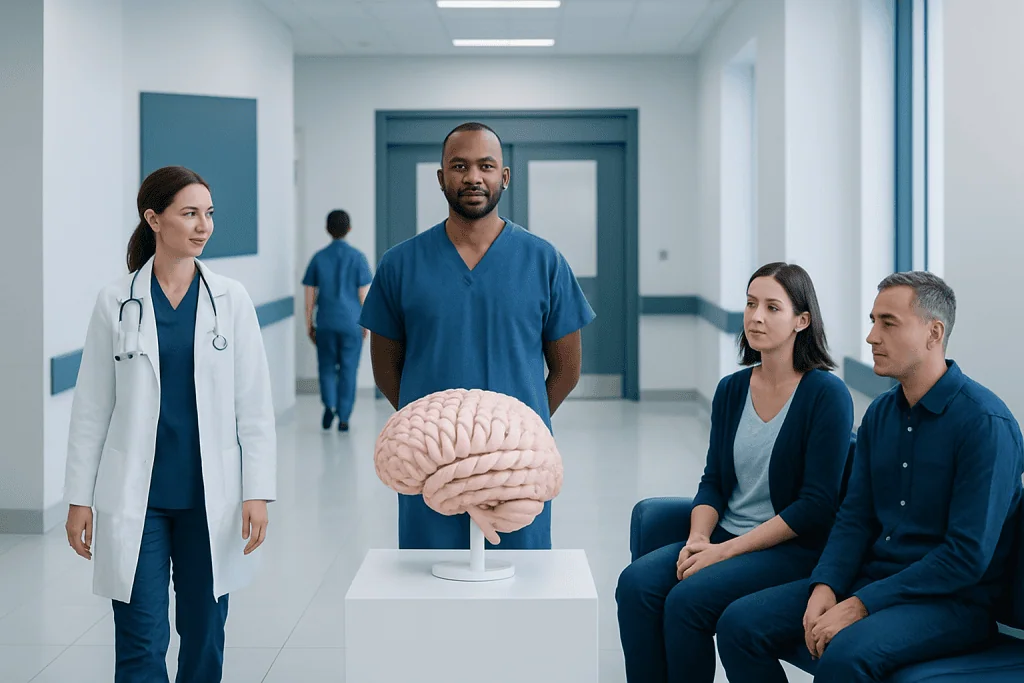
Brain surgery games are simplified simulations and should not be used as a source of medical advice or to predict an individual outcome. Real neurosurgery may be performed for tumors, bleeding, blood vessel disorders, epilepsy, infection, injury or pressure on the brain.
Key Takeaways
- Brain surgery games are simplified simulations and should not be used as a source of medical advice or to predict an individual outcome.
- Real neurosurgery may be performed for tumors, bleeding, blood vessel disorders, epilepsy, infection, injury or pressure on the brain.
- Recovery can take weeks to months, with some people needing rehabilitation for movement, speech, thinking or daily activities.
- Pain is usually managed with a personalized plan; new or worsening neurological symptoms require urgent medical assessment.
- The safest recovery plan includes follow-up appointments, prescribed medicines, gradual activity and specialist rehabilitation when advised.
Brain surgery games can help people understand basic surgical concepts or explore a healthcare career, but they do not accurately reproduce the clinical decisions, technology, teamwork or risks of real neurosurgery. Recovery after brain surgery is individualized and is guided by the reason for surgery, the brain area involved and a person’s rehabilitation needs.
Overview: What Brain Surgery Games Can and Cannot Show
Brain surgery games are digital activities that present surgery as a puzzle, simulation or entertainment experience. They may show a cartoon-like operation, basic anatomy or a sequence of tasks such as removing a virtual tumor. Although some educational simulations can introduce general concepts, they are not a realistic representation of a brain operation and cannot teach a person to perform surgery.
Real neurosurgery involves detailed imaging, careful planning and a coordinated team that may include neurosurgeons, anesthesiologists, neurologists, neuroradiologists, nurses, rehabilitation clinicians and other specialists. Decisions are tailored to the individual’s diagnosis, symptoms, anatomy and overall health. A game cannot reproduce the precision, uncertainty and safety measures involved in clinical care.
People searching for brain surgery games online, including brain surgery games unblocked or brain surgery games free online, may be looking for reassurance before an operation. In that situation, reliable information from the treating team is more useful than entertainment content. Patients can ask to see imaging explanations, surgical diagrams or clinician-approved educational materials that relate directly to their condition.
How Real Brain Surgery Works
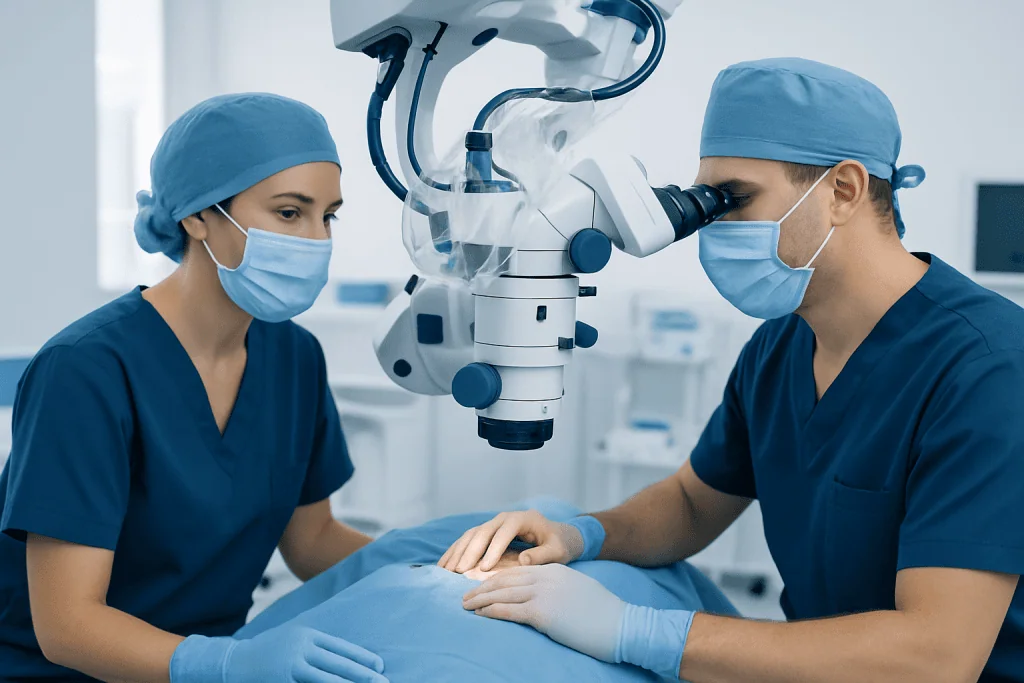
Brain surgery, also called neurosurgery, describes several procedures used to diagnose or treat conditions affecting the brain and nearby structures. Depending on the goal, surgery may remove or sample abnormal tissue, relieve pressure, repair a blood vessel problem, control seizures, drain fluid or place a device. Not every procedure requires a large opening in the skull; some use minimally invasive, endoscopic or image-guided approaches.
Before surgery, the clinical team reviews symptoms, neurological examination findings and scans such as MRI or CT. Additional tests may include blood tests, heart and lung assessment, functional imaging, language or memory testing, or monitoring for seizures. These steps help the team weigh expected benefits against possible effects on movement, sensation, speech, vision, memory or other functions.
During a craniotomy, a surgeon temporarily removes a small section of skull to reach the brain. The patient receives anesthesia and is closely monitored throughout. In selected operations near areas controlling language or movement, an awake technique may be considered so the team can test function while protecting important brain pathways. The approach is determined by the condition and is not appropriate for everyone.
For people who need evaluation or treatment for a brain mass, brain tumor information can help explain why surgery may be considered alongside observation, medicines, radiation therapy or other treatments.
Candidacy and Step-by-Step Planning
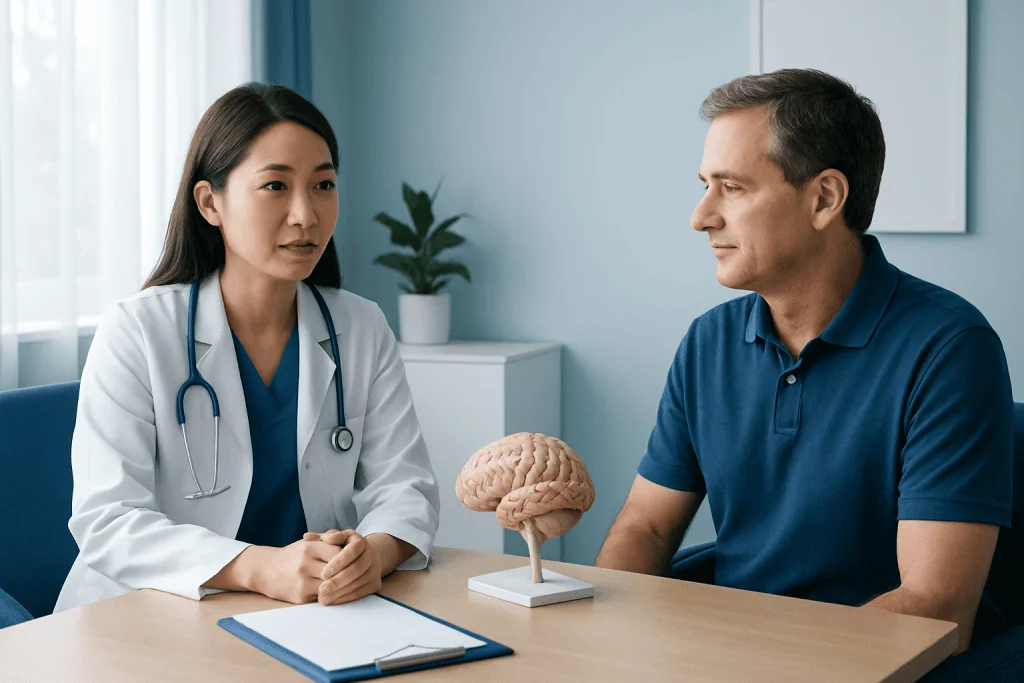
A person may be considered for brain surgery when a condition is causing symptoms, poses a risk of future harm, or cannot be adequately treated with monitoring or medicines alone. Common reasons include a brain tumor, bleeding around or within the brain, certain aneurysms or vascular abnormalities, hydrocephalus, severe head injury, infection, and medication-resistant epilepsy. The need for surgery is always assessed individually.
Suitability depends on the diagnosis, location and size of the problem, rate of change, symptoms, age, general health, current medicines and personal goals. The team also considers whether less invasive options are available. In some cases, a biopsy or a small procedure may provide the information needed before a larger treatment decision is made.
Preparation typically includes reviewing medicines, especially blood thinners, arranging practical support at home and following instructions about eating, drinking and arrival on the day of surgery. The care team explains the planned procedure, expected hospital stay, alternatives and important risks. Patients should tell the team about allergies, medical conditions, supplements and any new symptoms before the operation.
On the day of surgery, the patient is admitted, checked by the anesthesia and surgical teams, and taken to the operating room. After the procedure, close monitoring occurs in a recovery area or intensive care setting when needed. Imaging may be performed afterward to assess the surgical result and guide next steps.
Benefits, Risks and Expected Results
The potential benefit of brain surgery depends on its purpose. Surgery may remove or reduce a tumor, stop or prevent bleeding, reduce pressure, obtain a diagnosis, improve seizure control or preserve neurological function by addressing a threatening problem. For some conditions, surgery is one part of a broader plan that may include medicines, radiotherapy, chemotherapy, rehabilitation or ongoing imaging.
All brain procedures carry risks, although the specific likelihood varies substantially by operation and individual circumstances. Possible complications include bleeding, infection, swelling, seizures, stroke, cerebrospinal fluid leakage, blood clots, anesthesia-related problems and changes in neurological function. Depending on the brain area involved, some people may experience temporary or lasting difficulties with strength, balance, speech, vision, sensation, thinking, mood or behavior.
The surgeon discusses the risks that are most relevant to the planned operation and the alternatives to surgery. It is appropriate to ask what the procedure is intended to achieve, what recovery may involve, which symptoms should prompt urgent contact and whether further treatments are likely. Clear discussions help patients and families make informed decisions.
Results are assessed through symptoms, neurological examinations, imaging and, when relevant, laboratory or tissue findings. Improvement may be immediate for some pressure-related symptoms, while other changes develop gradually with healing and rehabilitation. A surgical result cannot always be predicted in advance, particularly when a condition affects essential brain networks.
Recovery Timeline and Brain Surgery Recovery Activities
Hospital recovery often begins with frequent checks of alertness, pupils, strength, speech and vital signs. The length of stay varies from a short admission after some procedures to a longer period when surgery is complex or neurological symptoms require closer monitoring. Tiredness, headaches, scalp tenderness, swelling around the incision and emotional changes can occur during early recovery.
At home, recovery commonly continues for weeks to months. The brain and body need time to heal, and the pace is influenced by the original condition, type of surgery, complications, age, general health and whether further treatment is needed. The surgical team provides individualized guidance about wound care, driving, work, exercise, travel and the safe return to usual activities.
Useful brain surgery recovery activities are selected according to individual needs. They may include short walks that gradually increase, gentle daily routines, physiotherapy for balance or strength, occupational therapy for practical tasks, and speech-language therapy for communication or swallowing concerns. Cognitive rehabilitation may support attention, planning, memory and fatigue management when appropriate. Rest is important, but prolonged inactivity without medical advice may delay conditioning.
Families can help by keeping follow-up appointments, supporting prescribed medicines and allowing the person time to recover without pressure. A written list of symptoms, questions and activity changes can make follow-up visits more productive. The treating team should be contacted before starting strenuous exercise, returning to driving or making major changes to medication.
What Is the Fastest Way to Recover From Brain Surgery?
There is no safe shortcut to recovery from brain surgery. The fastest practical path is to follow the personalized plan provided by the surgical and rehabilitation teams, including wound-care instructions, medication schedules, follow-up visits and activity restrictions. Healing too quickly or returning to demanding activity before clearance can increase the chance of setbacks.
Patients can support recovery by getting adequate sleep, eating regular nourishing meals, staying hydrated when permitted, avoiding tobacco and recreational drugs, and limiting alcohol as advised by their clinicians. Taking only medicines approved by the care team is important, because some over-the-counter medicines and supplements can affect bleeding risk or interact with prescription treatment.
Gradual activity is usually preferable to complete bed rest after the team says it is safe. Small, manageable goals—such as short walks, structured rest breaks and rehabilitation exercises—can help rebuild stamina. Recovery should be adjusted when fatigue, headache or neurological symptoms worsen, and new concerns should be discussed with a clinician rather than pushed through.
How Long Is the Average Recovery From Brain Surgery?
There is no single average recovery period that applies to all brain operations. Many people need several weeks before they feel ready for a fuller daily routine, while recovery of strength, concentration, mood, speech or endurance may take several months or longer. A minor procedure and a complex operation for a large or deep brain condition can have very different timelines.
Recovery may also include treatment of the underlying condition. For example, someone treated for a tumor may need additional therapies, while a person undergoing epilepsy surgery may need ongoing seizure monitoring and medication review. Rehabilitation can begin in hospital and continue on an outpatient basis or at home.
The most reliable estimate comes from the treating neurosurgical team, because they know the procedure performed and the person’s postoperative progress. Follow-up care is essential even when someone feels well, as imaging, wound assessment and medication adjustment may be needed.
Acibadem International’s multidisciplinary specialists and JCI-accredited hospitals support diagnosis, neurosurgical treatment and rehabilitation planning for international patients. Patients considering brain surgery treatment can discuss the appropriate approach and expected recovery with a qualified neurosurgical team.
Does Recovery From Brain Surgery Hurt? When to Seek Medical Care
Recovery from brain surgery can involve discomfort, but pain is usually monitored and treated with an individualized plan. Pain often comes from the scalp incision, muscles and tissues around the surgical area rather than from the brain tissue itself, which does not sense pain in the same way as skin or muscle. Headaches, pressure, fatigue and tenderness can occur, especially in the early period.
It is important to use pain medicines exactly as prescribed and report pain that is poorly controlled, suddenly severe or different from expected. Some medicines may need adjustment, and clinicians can also advise on safe positioning, sleep and gradual activity. People should not add non-prescribed medicines or supplements without checking with their care team.
Seek urgent medical care for a new or worsening severe headache, repeated vomiting, fever, increasing redness or drainage from the wound, a seizure, confusion, fainting, severe drowsiness, new weakness or numbness, difficulty speaking, vision changes, chest pain or shortness of breath. These symptoms do not always mean a serious complication, but they need prompt assessment after brain surgery.
For non-urgent questions, patients should contact their surgeon or care coordinator. Early communication about persistent symptoms, mood changes, sleep difficulties or challenges with daily activities allows the team to recommend appropriate follow-up or rehabilitation support.
Frequently asked questions
How realistic are surgery games?
Most surgery games are designed for entertainment and use simplified anatomy, controls and outcomes. Even educational simulations cannot reproduce the imaging, sterile technique, anesthesia, risk assessment and highly specialized decisions involved in real neurosurgery. They should not be used to judge whether surgery is needed or what an individual recovery will be like.
Are brain surgery games useful before an operation?
A game may help some people become familiar with broad ideas such as anatomy or the sequence of an operation, but it may also create unrealistic expectations. Information from the neurosurgeon, nursing team and approved patient resources is more relevant. Patients can ask their team for diagrams or explanations tailored to their planned procedure.
What is the fastest way to recover from brain surgery?
The safest approach is to follow the surgical team’s recovery plan, attend follow-up appointments and progress activity gradually. Good sleep, adequate nutrition, medication adherence and rehabilitation when recommended can support healing. There is no reliable shortcut, and pushing through severe fatigue or symptoms can be counterproductive.
How long is the average recovery from brain surgery?
Recovery varies widely, but many people need weeks to resume more routine activities and months for fuller physical or cognitive recovery. The timeline depends on the condition treated, the type and location of surgery, complications and rehabilitation needs. The operating team can provide the most meaningful estimate for an individual.
Does recovery from brain surgery hurt?
Some pain, headache or incision tenderness is common after brain surgery and is usually treatable with a clinician-guided pain plan. Pain that becomes severe, new or difficult to control should be reported promptly. Urgent assessment is needed if pain occurs with symptoms such as weakness, confusion, fever, seizure or repeated vomiting.
Can a person return to work or drive after brain surgery?
Return to work and driving should happen only after clearance from the treating team. Timing depends on symptoms, the type of work, medication effects, seizure risk, vision and cognitive function. A gradual return and workplace adjustments may be helpful for some people.
References
- National Institute of Neurological Disorders and Stroke
- American Association of Neurological Surgeons
- National Health Service
- Mayo Clinic
- World Health Organization
This article is for general information only and is not a substitute for professional medical advice. Please consult a qualified doctor about your individual situation.
Oncology care in Turkey — second opinion and treatment plan
JCI-accredited · board-certified surgeons · reply within 24h
Add us as a Preferred Source to see more of our trusted health content across Google Search, AI Overviews and Discover.