Breast Lift: What Is Normal, What Is Not, and When to Seek Care

Mild to moderate swelling, bruising, tightness, and fatigue are common after a breast lift. Healing is gradual, and breast shape, scar appearance, and sensation can change over several weeks to months.
Key Takeaways
- Mild to moderate swelling, bruising, tightness, and fatigue are common after a breast lift.
- Healing is gradual, and breast shape, scar appearance, and sensation can change over several weeks to months.
- Symptoms that worsen instead of improve may suggest a complication and deserve medical review.
- Following aftercare instructions closely can support healing and lower risk.
- Prompt medical care is important for fever, significant bleeding, breathing trouble, or sudden one-sided breast changes.
After a breast lift, some swelling, bruising, firmness, and temporary changes in sensation are usually normal as the body heals. Signs that are not typical include worsening pain, spreading redness, fever, drainage with odor, or sudden changes in breast shape, and these should be assessed by a qualified doctor.
Overview: what is normal after a breast lift?
A breast lift, also called mastopexy, reshapes and raises the breasts by removing excess skin and repositioning the breast tissue and nipple area. After surgery, it is normal for the breasts to look higher, feel firm, and appear somewhat swollen or uneven at first. Early recovery often looks and feels different from the final result.
Many people want to know what is expected and what is a warning sign. In general, normal healing after a breast lift includes soreness, bruising, swelling, a feeling of tightness, temporary changes in nipple or skin sensation, and scars that are initially pink or red. These symptoms should gradually improve, even if recovery has small day-to-day ups and downs.
What is not considered typical is a pattern of symptoms that becomes more intense rather than settling down. Examples include rapidly increasing swelling, severe or one-sided pain, heavy bleeding, bad-smelling drainage, fever, or skin color changes that look pale, dusky, or dark. These symptoms do not always mean a serious complication, but they do need timely medical assessment.
Expected recovery timeline and common symptoms
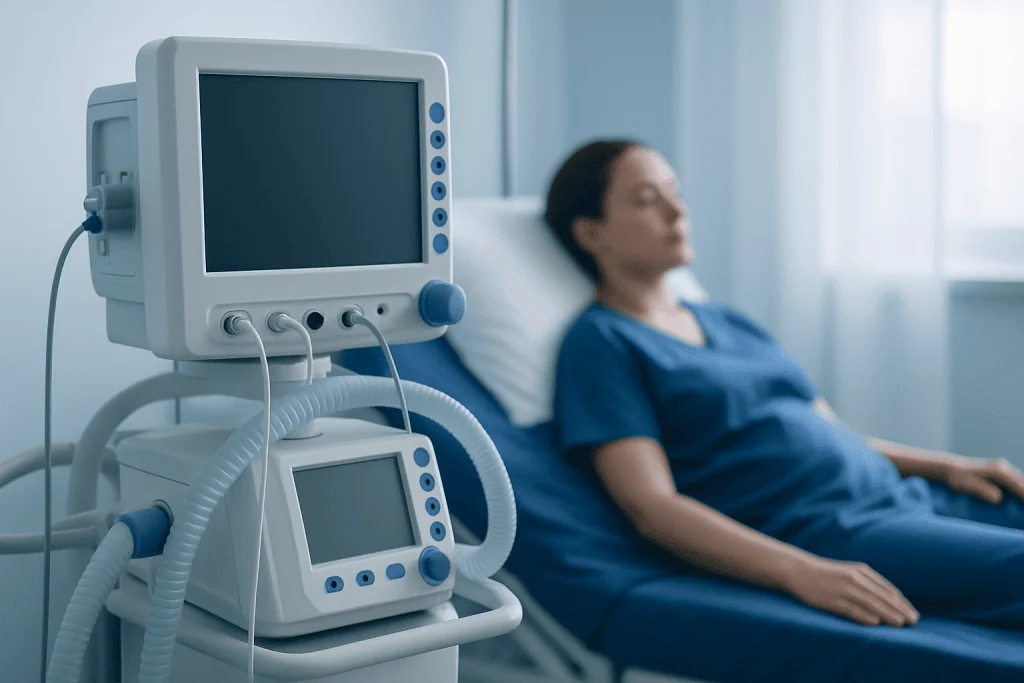
In the first few days after a breast lift, discomfort, tiredness, bruising, and swelling are common. The chest may feel tight, and raising the arms may be uncomfortable. Dressings, a support bra, and small drains may be used in some cases, depending on the surgical technique and the surgeon’s preference.
During the first two to six weeks, most swelling and bruising begin to settle, but the breasts may still look higher than expected or slightly uneven. This stage can be emotionally challenging because healing is not perfectly symmetrical. One breast may soften faster than the other, and numbness or extra sensitivity around the nipples and scars may come and go.
Over the following months, the breasts usually soften and settle into a more natural shape. Scars often become more noticeable before they start to fade. It can take many months for the final contour and scar maturity to become clearer, so early appearance should not be judged too quickly.
- Common early symptoms: swelling, bruising, soreness, tightness, fatigue
- Common short-term changes: asymmetry during healing, firmness, altered sensation
- Longer-term healing: scar maturation, softening of tissue, gradual settling of breast position
What is not normal: warning signs to watch for

Some symptoms suggest that healing may not be progressing as expected. Pain that suddenly becomes severe, swelling that rapidly increases, or one breast becoming noticeably larger and more tense than the other can suggest bleeding under the skin, called a hematoma. This needs prompt review because pressure on tissues can affect healing.
Signs of infection can include fever, chills, spreading redness, warmth, increasing tenderness, and drainage that is cloudy, yellow, green, or has an unpleasant odor. Mild redness around incisions can be part of normal healing, but redness that spreads or is accompanied by worsening pain is more concerning.
Other warning signs include wound separation, darkening skin near the incision or nipple, shortness of breath, chest pain, calf swelling, or persistent vomiting. These are not expected parts of routine recovery. While uncommon, they may point to complications that should not be ignored.
People who are considering surgery may also find it helpful to understand the broader range of breast reduction complications, since some postoperative concerns such as infection, wound healing problems, scarring, or asymmetry can overlap across breast procedures.
Why complications can happen: risk factors and healing influences
No surgery is completely risk-free, even when performed carefully. Recovery after a breast lift is influenced by general health, skin quality, surgical technique, and how well the body heals. Smoking, diabetes, obesity, poor nutrition, and conditions that affect circulation can raise the risk of delayed healing or infection.
Medications and supplements also matter. Blood thinners, some anti-inflammatory medicines, and certain herbal products may increase bruising or bleeding risk if not reviewed before surgery. A history of poor scar healing, previous breast surgery, or major weight fluctuations may also affect the result and recovery process.
Breast lifts are sometimes combined with implants or reduction surgery, and combined procedures may change the pattern of healing. The surgeon should explain the expected timeline, scar placement, and possible complications in a way that matches the individual case. Realistic expectations are an important part of safe surgical planning.
How doctors assess healing after a breast lift
Follow-up visits are an important part of recovery, even when healing seems straightforward. During these appointments, the surgeon checks swelling, incision healing, breast symmetry, blood supply to the skin and nipple, and any fluid collection under the skin. Early problems are often easier to manage when found promptly.
If a concerning symptom appears between routine visits, the doctor may ask for photographs, arrange an urgent examination, or order tests when needed. Imaging is not always necessary, but ultrasound can sometimes help if there is concern about a fluid collection such as a hematoma or seroma. Blood tests may be used if infection or significant blood loss is suspected.
Patients should keep a clear record of symptoms, including when they started, whether they are getting better or worse, and whether one or both breasts are affected. This information can help the care team decide whether reassurance, a medication change, drainage, or another procedure is needed.
Treatment options for expected symptoms and complications
Normal postoperative symptoms are usually managed with rest, prescribed pain relief, a surgical bra or support garment, and temporary activity limits. Sleeping with the upper body slightly elevated may help reduce swelling. The care team may also recommend gentle walking, hydration, and careful incision care to support circulation and healing.
If a complication develops, treatment depends on the cause. Small areas of delayed healing may improve with local wound care, dressings, and close follow-up. Infections may require antibiotics, while larger hematomas or fluid collections may need drainage or a return to the operating room. Scar concerns, asymmetry, or contour issues are often assessed only after healing has matured.
For those exploring surgical options, related procedures may be discussed in context, such as breast lift surgery itself, breast reduction when heaviness or skin irritation is also a concern, or breast augmentation if volume restoration is part of the goal. The most appropriate approach depends on anatomy, skin elasticity, and personal preferences.
Near the end of recovery planning, some patients benefit from multidisciplinary support. Acibadem International’s specialists in JCI-accredited hospitals diagnose and treat breast surgery concerns for international patients, including postoperative assessment and follow-up when needed.
Self-care during recovery and how to lower risk
Good aftercare can make recovery smoother and may lower the chance of avoidable problems. The most important step is following the surgeon’s instructions closely, especially around dressings, bathing, lifting restrictions, driving, sleeping position, and follow-up appointments. Even if discomfort improves quickly, tissues are still healing underneath.
Smoking and nicotine exposure can interfere with blood flow and wound healing, so avoiding them before and after surgery is especially important. Eating balanced meals with adequate protein, staying hydrated, and managing chronic conditions such as diabetes can also support recovery. Returning to strenuous exercise too early can increase swelling, bleeding risk, and tension on incisions.
- Wear the recommended support bra as advised
- Keep incisions clean and dry according to instructions
- Avoid heavy lifting and high-impact exercise until cleared
- Do not smoke or use nicotine products during healing
- Attend all scheduled follow-up appointments
- Contact the surgical team if symptoms are worsening, not improving
Scar care should only begin when the surgeon says the incisions are ready. Depending on the case, this may include silicone-based scar therapy, sun protection, and massage techniques. The goal is steady healing rather than rushing the process.
When to seek medical care
Medical care should be sought promptly if there is fever, increasing redness, sudden or severe pain, heavy bleeding, pus-like drainage, or a breast that quickly becomes much more swollen or tight. These signs may indicate infection, a hematoma, or another complication that needs timely treatment.
Urgent medical attention is also needed for chest pain, shortness of breath, fainting, or leg swelling, because these symptoms are not typical after routine healing and can point to a serious problem. If the nipple or surrounding skin looks pale, blue, gray, or black, the surgeon should be contacted immediately.
Even when symptoms seem mild, it is reasonable to call the surgical team if something does not feel right. Reassurance is part of good postoperative care, and it is safer to ask early than to wait for a problem to become more difficult to manage.
Frequently asked questions
How long does breast lift recovery usually take?
Initial recovery often takes a few weeks, but healing continues for several months. Swelling, firmness, scar changes, and shifts in breast shape can improve gradually over time. The final result is usually not judged in the first few weeks.
Is uneven swelling normal after a breast lift?
Mild uneven swelling can be normal, especially early in recovery, because each side may heal at a slightly different pace. However, sudden one-sided swelling, marked tightness, or severe pain is not typical and should be assessed by a doctor.
When should bruising and soreness improve?
Bruising and soreness often improve noticeably within the first one to two weeks, though some tenderness can last longer. If pain is worsening instead of improving, or if bruising expands rapidly, the surgical team should be contacted.
Are numbness or tingling after a breast lift normal?
Yes, temporary numbness, tingling, or increased sensitivity in the breasts or nipples can happen as nerves recover. Sensation often changes over time and may improve gradually. In some cases, changes in sensation can last longer or be incomplete.
What are the signs of infection after a breast lift?
Possible signs include fever, increasing redness, warmth, worsening tenderness, and drainage that looks cloudy or smells unpleasant. Mild redness near an incision can be part of normal healing, but spreading redness or systemic symptoms need medical review.
Can scars after a breast lift look worse before they look better?
Yes, this is common. Scars are often redder, firmer, or more noticeable in the early months before they gradually soften and fade. Scar maturation takes time, and the surgeon may recommend specific scar care once the incisions have healed enough.
References
- American Society of Plastic Surgeons
- U.S. Food and Drug Administration
- National Health Service
- MedlinePlus
- Mayo Clinic
This article is for general information only and is not a substitute for professional medical advice. Please consult a qualified doctor about your individual situation.
Explore treatments in Turkey — costs, top hospitals & a free quote
JCI-accredited · board-certified surgeons · reply within 24h
Add us as a Preferred Source to see more of our trusted health content across Google Search, AI Overviews and Discover.

Plastic, Reconstructive & Aesthetic Surgery
Reconstructive and aesthetic procedures for the face and body, performed by experienced surgeons.
35 specialists in this unit