Breathing Problems in Neuromuscular Disease: Warning Signs and Respiratory Support
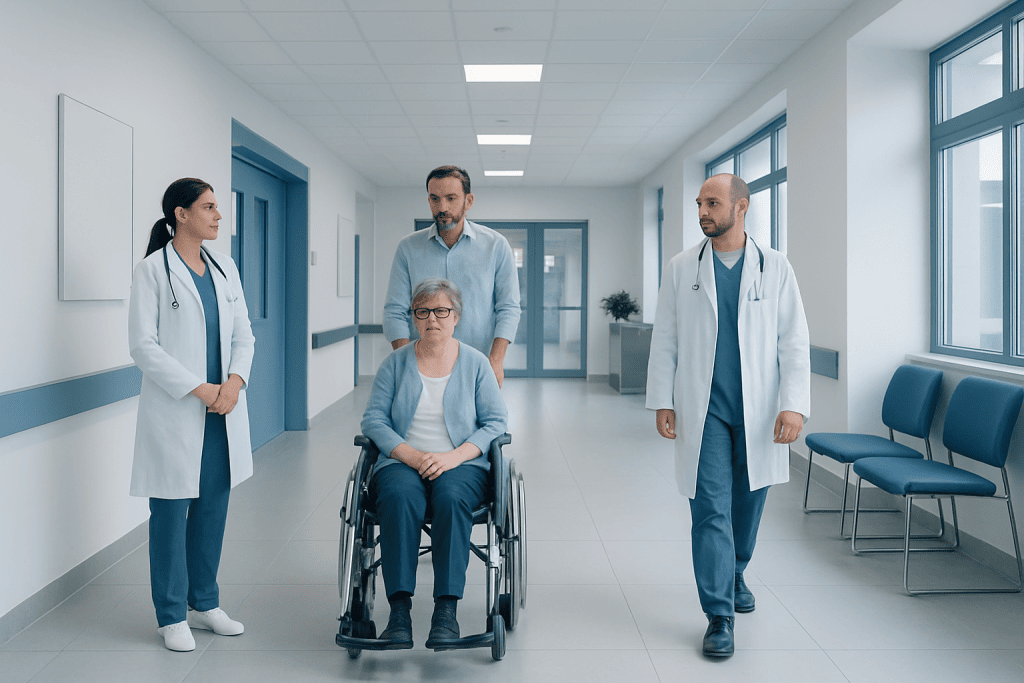
Breathing problems in neuromuscular disease often develop gradually and may first appear as morning headaches, poor sleep, weak cough or repeated chest infections. Regular respiratory testing helps detect muscle weakness before severe symptoms occur.
Key Takeaways
- Breathing problems in neuromuscular disease often develop gradually and may first appear as morning headaches, poor sleep, weak cough or repeated chest infections.
- Regular respiratory testing helps detect muscle weakness before severe symptoms occur.
- Non-invasive ventilation, cough-assist techniques and airway clearance can reduce strain on breathing muscles.
- Urgent medical advice is needed for severe breathlessness, bluish lips, confusion, drowsiness, choking or signs of chest infection.
- Respiratory care is most effective when neurology, pulmonology, rehabilitation, nutrition and sleep medicine teams work together.
Neuromuscular diseases can weaken the muscles used for breathing and coughing, sometimes before a person feels short of breath. Early recognition, regular lung function checks and timely respiratory support can improve comfort, safety and daily quality of life.
Overview
Breathing problems in neuromuscular disease occur when the nerves, muscles or the connection between them cannot support normal breathing and coughing as well as before. Conditions such as motor neuron disease, muscular dystrophies, spinal muscular atrophy, myasthenia gravis, inflammatory muscle disease, neuropathies and some inherited muscle disorders can affect the diaphragm, chest wall muscles and throat muscles. The lungs themselves may be healthy, but the muscles that move air in and out may become weak.
This type of breathing difficulty can be subtle. A person may not feel breathless during the day at first because the body compensates, especially while sitting upright. Early signs often appear during sleep, when breathing muscles naturally work less strongly. Low oxygen, high carbon dioxide or fragmented sleep may cause morning headaches, tiredness, poor concentration and daytime sleepiness.
Respiratory care is a core part of managing neuromuscular diseases. It focuses on monitoring breathing muscle strength, supporting ventilation when needed, improving cough effectiveness and preventing avoidable complications. With planned care, many people can maintain safer breathing, better sleep and greater participation in daily life.
Why Neuromuscular Disease Affects Breathing
Breathing depends on several muscle groups working together. The diaphragm is the main breathing muscle and moves downward to draw air into the lungs. Intercostal muscles between the ribs help expand the chest. Abdominal muscles assist with strong coughing, while throat and swallowing muscles help protect the airway from food, liquid and saliva.
Neuromuscular disease may weaken one or more of these muscle groups. If the diaphragm is weak, deeper breaths become difficult, especially when lying flat. If abdominal muscles are weak, coughing may not clear mucus effectively. If swallowing muscles are affected, small amounts of food or saliva may enter the airway, increasing the risk of aspiration and chest infections.
Another important issue is hypoventilation, which means breathing is too shallow or too slow to remove carbon dioxide properly. This can occur at night before daytime symptoms are obvious. Over time, untreated hypoventilation can lead to fatigue, poor sleep quality and increased strain during infections. Recognizing these patterns early allows doctors to recommend support before breathing becomes an emergency.
Warning Signs and Symptoms

Symptoms vary depending on the condition, its speed of progression and whether swallowing or coughing is also affected. Some people notice breathlessness during activity, while others first notice sleep-related symptoms. Family members or caregivers may observe changes such as restless sleep, pauses in breathing, weak voice, reduced cough or difficulty clearing phlegm.
Common warning signs include:
- Shortness of breath during activity, talking or lying flat
- Needing extra pillows or feeling better when sleeping upright
- Morning headaches, dry mouth or feeling unrefreshed after sleep
- Daytime sleepiness, poor concentration or mood changes
- Weak cough, difficulty clearing mucus or repeated chest infections
- Choking, coughing during meals or a wet-sounding voice after swallowing
- Unexplained weight loss, fatigue or reduced ability to exercise
Not every symptom means severe disease, but changes should be discussed with a qualified doctor. People with known progressive conditions, including motor neuron disease, are often advised to report new breathing or swallowing symptoms promptly because respiratory support works best when planned early.
Diagnosis and Monitoring
Diagnosis begins with a careful medical history, physical examination and review of the underlying neuromuscular condition. The doctor may ask about sleep quality, morning headaches, breathlessness when lying flat, cough strength, infections, swallowing and changes in voice. Because symptoms may be mild, objective tests are important even when the person feels relatively well.
Common tests include spirometry to measure lung volumes, forced vital capacity in sitting and lying positions, peak cough flow to assess cough strength and measurements of respiratory muscle pressure. Blood oxygen monitoring, carbon dioxide testing or blood gas analysis may be used when hypoventilation is suspected. Sleep studies, including overnight oximetry, capnography or polysomnography, can detect nocturnal breathing problems that are not obvious during the day.
Neurological tests may also help define the cause and extent of muscle weakness. These can include nerve conduction studies, electromyography and other assessments offered through clinical neurophysiology. Imaging, blood tests, genetic testing or muscle biopsy may be considered depending on the suspected diagnosis. Monitoring is usually repeated at regular intervals because respiratory function can change over time.
Treatment Options and Respiratory Support
Treatment is individualized according to symptoms, test results, diagnosis, rate of progression and personal goals. The aim is not only to treat low oxygen levels, but also to support adequate ventilation, improve sleep and help the person clear secretions. Oxygen alone is not always the right treatment for neuromuscular hypoventilation because it may not correct carbon dioxide retention; doctors decide when oxygen is appropriate and whether it should be combined with ventilatory support.
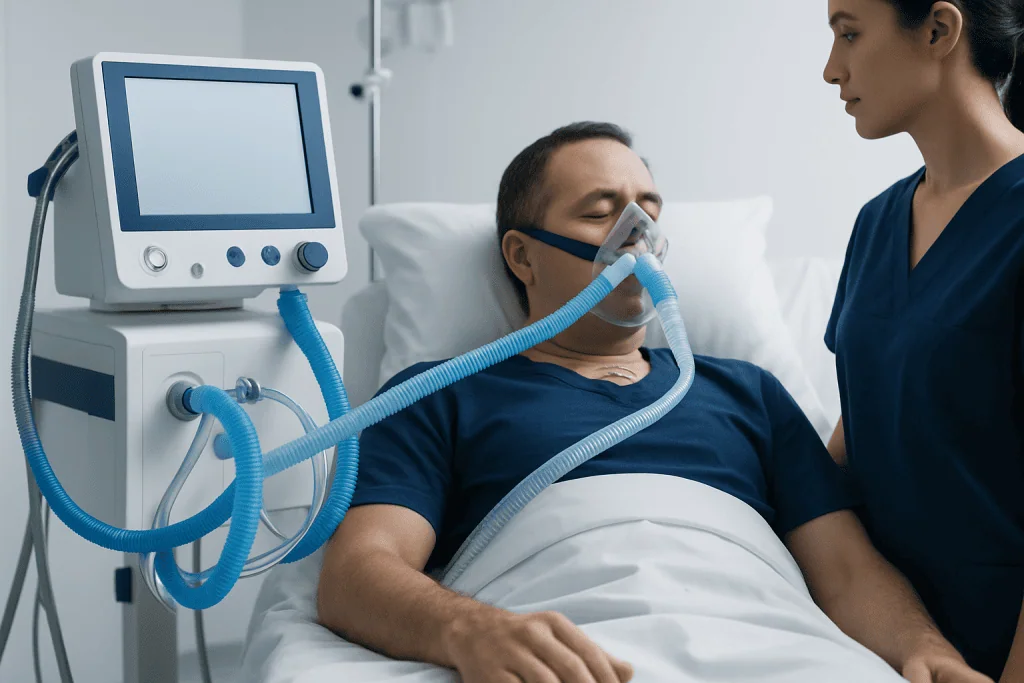
Non-invasive ventilation, often delivered through a mask, is a common support when breathing muscles become weak, especially at night. It helps move air in and out of the lungs, reduces the work of breathing and can improve sleep-related symptoms. Mask type, pressure settings and timing are adjusted by trained clinicians, and follow-up is needed to ensure comfort and effectiveness.
Airway clearance is equally important. A weak cough may be supported with breath-stacking techniques, manually assisted cough, suctioning when appropriate or a mechanical insufflation-exsufflation device, often called a cough-assist machine. Chest physiotherapy, hydration guidance and prompt treatment of respiratory infections may also be included. If swallowing difficulties are present, speech and swallowing therapy, nutrition support and aspiration prevention strategies become part of the plan.
In advanced or rapidly changing situations, some people may discuss invasive ventilation through a tracheostomy. This is a major decision involving medical, practical and personal considerations. The healthcare team should explain benefits, burdens, home care needs and alternatives in a clear, compassionate way so that patients and families can make informed choices.
Prevention, Self-care and Daily Living
Self-care cannot cure neuromuscular weakness, but it can reduce respiratory strain and help identify problems early. People should attend scheduled respiratory reviews, use prescribed ventilation or cough-assist equipment as instructed and report mask discomfort, air leaks, skin pressure or persistent dryness. Equipment should be cleaned and maintained according to the healthcare provider’s guidance.
Infection prevention is important because even a mild cold can be harder to clear when cough muscles are weak. Doctors may recommend appropriate vaccinations, hand hygiene, avoiding close contact with people who are acutely ill and having a clear action plan for chest infections. Adequate hydration, nutrition and safe swallowing habits can help reduce mucus thickness and aspiration risk, although advice should be personalized.
Positioning can make breathing easier. Some people feel better sleeping with the head elevated or using supportive seating that keeps the chest open. Gentle, supervised exercise or pulmonary rehabilitation-style activity may help maintain conditioning in selected patients, but it should be tailored to the diagnosis and fatigue level. A written care plan can help family members recognize warning signs and know whom to contact.
When to See a Doctor
A person with a neuromuscular condition should seek medical advice if they develop new or worsening breathlessness, difficulty lying flat, morning headaches, unusual sleepiness, repeated chest infections, weak cough, choking episodes or unexplained fatigue. These symptoms do not always mean a serious complication, but they should prompt assessment because respiratory support may be most helpful when started before symptoms become severe.
Urgent care is needed for severe breathing difficulty, bluish lips or fingers, confusion, fainting, marked drowsiness, chest pain, high fever with breathing symptoms, inability to clear mucus, or choking with ongoing distress. Families should follow any emergency plan provided by their healthcare team and bring information about the neuromuscular diagnosis and current respiratory equipment.
Respiratory care is often best coordinated by a multidisciplinary team that may include neurology, pulmonology, sleep medicine, rehabilitation, nutrition, speech and swallowing therapy, and palliative care when appropriate. Neurological sleep medicine can be especially helpful when symptoms occur mainly at night. Acibadem International’s multidisciplinary specialists and JCI-accredited hospitals diagnose and treat neuromuscular breathing problems for international patients, with care plans adapted to each person’s diagnosis and needs.
Frequently asked questions
Can neuromuscular disease cause breathing problems even if the lungs are normal?
Yes. In many neuromuscular diseases, the lung tissue may be healthy, but the muscles that expand the chest and clear mucus become weak. This can cause shallow breathing, poor cough and sleep-related hypoventilation.
What are the earliest signs of breathing muscle weakness?
Early signs may include morning headaches, waking often at night, daytime sleepiness, breathlessness when lying flat or a weaker cough. Some people also notice reduced exercise tolerance or more frequent chest infections. Because symptoms can be mild, routine lung function testing is important.
Is oxygen the main treatment for breathing problems in neuromuscular disease?
Not always. If the main problem is weak breathing muscles and carbon dioxide retention, non-invasive ventilation may be more appropriate than oxygen alone. Oxygen may be used in selected situations, but it should be prescribed and monitored by a doctor familiar with neuromuscular respiratory care.
What is non-invasive ventilation?
Non-invasive ventilation is breathing support delivered through a mask that helps move air in and out of the lungs. It is commonly used during sleep when breathing muscle weakness first becomes noticeable. Settings and mask fit are adjusted by trained clinicians to improve comfort and effectiveness.
How does a cough-assist device help?
A cough-assist device helps move air into the lungs and then quickly draws it out to simulate a stronger cough. It can help clear mucus when abdominal and chest muscles are too weak to cough effectively. The healthcare team teaches when and how to use it safely.
Can breathing problems be prevented?
The underlying muscle weakness may not always be preventable, but complications can often be reduced. Regular monitoring, timely ventilation support, airway clearance, vaccination, infection plans and swallowing assessment can all help. Patients should follow individualized advice from their neurology and respiratory teams.
When should a patient seek urgent medical care?
Urgent care is needed for severe breathlessness, blue lips, confusion, fainting, marked drowsiness, chest pain, choking with distress or inability to clear mucus. A high fever with breathing symptoms or rapidly worsening weakness also needs prompt assessment. Families should follow the emergency plan given by the care team.
References
- American Thoracic Society
- European Respiratory Society
- National Institute for Health and Care Excellence
- American Academy of Neurology
- MDA Care Center Network
This article is for general information only and is not a substitute for professional medical advice. Please consult a qualified doctor about your individual situation.
Joint and spine care in Turkey — expert assessment & treatment
JCI-accredited · board-certified surgeons · reply within 24h

Related Treatments
Related Conditions
More from the Health Library



Related Specialists

Prof. Dr. Ayşe Sağduyu Kocaman
Neurology
Prof. Dr. Mehmet Zafer Berkman
Neurosurgery
Prof. Dr. Pınar Yalınay Dikmen
Neurology
Prof. Dr. Elif Ilgaz Aydınlar
Neurology