Bullectomy Surgery: Procedure, Recovery and Results

Bullectomy removes large bullae while preserving as much functioning lung tissue as possible. The operation is most often performed using minimally invasive video-assisted thoracoscopic surgery, although open surgery is sometimes needed.
Key Takeaways
- Bullectomy removes large bullae while preserving as much functioning lung tissue as possible.
- The operation is most often performed using minimally invasive video-assisted thoracoscopic surgery, although open surgery is sometimes needed.
- Recovery varies, but many people spend several days in hospital and need weeks to gradually resume usual activities.
- Benefits depend on the amount of healthy lung remaining and the underlying cause, such as emphysema or prior pneumothorax.
- Stopping smoking and attending follow-up appointments are important parts of protecting lung health after surgery.
Bullectomy surgery is an operation that removes one or more large lung bullae—damaged, air-filled spaces that can compress healthier lung tissue or contribute to a collapsed lung. It may improve breathing and quality of life for selected people, particularly when a large bulla is causing symptoms or complications.
Overview: What Is Bullectomy Surgery?
Bullectomy surgery is a thoracic operation that removes a bulla, which is an enlarged air-filled space within the lung. Bullae form when lung tissue is damaged and the small air sacs merge into larger pockets. A very large bulla may take up space in the chest, press on healthier lung tissue and make breathing less efficient.
The aim is not to remove healthy lung unnecessarily. Instead, the surgeon removes the damaged, non-functioning or poorly functioning area so that compressed lung tissue may have more room to expand. Bullectomy may also be recommended after a pneumothorax, or collapsed lung, when a ruptured bulla is thought to be responsible.
This operation is not appropriate for every person with bullae or emphysema. A respiratory physician and thoracic surgeon consider symptoms, scan findings, lung function and overall health before advising whether surgery is likely to offer meaningful benefit.
How Serious Is a Lung Bullae?
A lung bulla can be small and cause no symptoms, particularly when it is found incidentally on imaging. However, a large bulla can be clinically important because it may compress nearby functioning lung tissue. This can contribute to breathlessness, reduced exercise tolerance, chest discomfort or repeated chest infections in some people.
Bullae can also rupture. When air escapes from the lung into the space around it, this may cause a pneumothorax. A collapsed lung can range from mild to urgent depending on its size, symptoms and whether it affects breathing or circulation. Sudden chest pain or new shortness of breath should be assessed promptly.
Underlying emphysema, including chronic obstructive pulmonary disease (COPD), is a common setting for bullae. In selected patients, bullectomy surgery for COPD may help when one or a few large bullae are disproportionately affecting healthier remaining lung. Diffuse, severe emphysema throughout both lungs generally requires a different treatment discussion.
Who May Be a Candidate for Bullectomy?
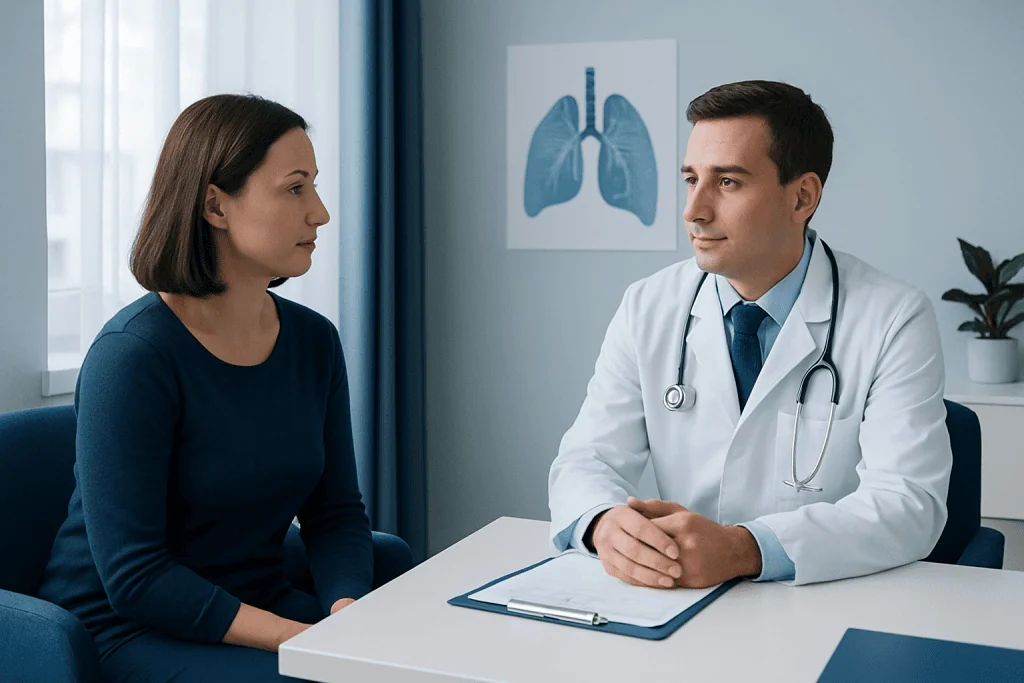
Potential candidates usually have a large bulla visible on chest computed tomography (CT), alongside symptoms or complications that match the imaging findings. Examples include significant breathlessness due to compression of healthier lung, recurrent pneumothorax associated with blebs or bullae, infection within a bulla, or bleeding that requires specialist evaluation.
Assessment commonly includes a medical history, physical examination, CT imaging, breathing tests and oxygen measurements. Depending on the individual, the team may also request heart tests, blood tests and exercise assessment. These investigations help estimate both surgical safety and the likelihood of improved breathing afterward.
Smoking cessation is essential. Continuing to smoke increases the risk of anesthesia and wound complications, prolonged air leak and further lung damage. Pulmonary rehabilitation, nutrition support and optimization of inhaled medicines may be advised before an operation to help prepare the body for surgery.
- Large, localized bullae causing compression or disabling symptoms may favor surgery.
- Recurrent or persistent pneumothorax may support surgical treatment.
- Very poor overall lung reserve, uncontrolled infection or significant untreated heart disease may increase risk and require individualized planning.
How Bullectomy Surgery Is Performed
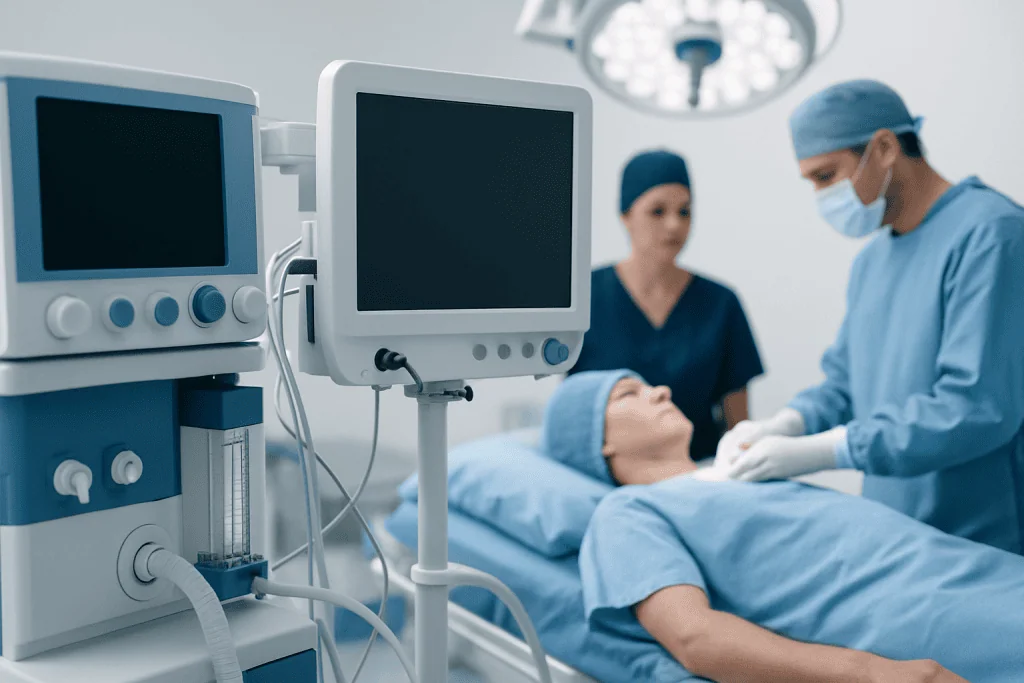
Bullectomy is performed under general anesthesia, meaning the patient is asleep and does not feel the procedure. The surgical approach is often video-assisted thoracoscopic surgery (VATS), which uses a small camera and instruments inserted through several small chest incisions. Some cases require thoracotomy, an open approach with a larger incision, when the anatomy or extent of disease makes this safer or more effective.
During the procedure, the surgeon identifies the bulla and separates it from surrounding tissue. Surgical stapling devices are commonly used to remove the damaged area and seal the lung edge. The remaining lung is checked carefully for air leaks. If necessary, the surgeon may also perform pleurodesis, which encourages the lung to adhere to the chest wall and can lower the chance of another pneumothorax.
One or more chest drains are placed before the operation ends. These tubes remove air and fluid from around the lung, helping it re-expand. The procedure length varies with the number, size and location of bullae, whether adhesions are present and whether another procedure is performed at the same time.
For people considering surgical options for lung disease, thoracic surgery assessment and treatment can help clarify the appropriate approach through coordinated respiratory, anesthesia and surgical evaluation.
Benefits, Limitations and Bullectomy Success Rate
The principal potential benefit of bullectomy is relief of compression on healthier parts of the lung. Some appropriately selected patients notice easier breathing, improved ability to be active and better quality of life after recovery. Surgery may also reduce recurrence risk when it is combined with measures intended to prevent future pneumothorax.
A single bullectomy success rate or bullectomy survival rate does not accurately describe every person’s outlook. Results depend on the underlying disease, the quantity of functioning lung that remains, whether bullae are localized or widespread, smoking status, age, other health conditions and the reason surgery is being performed. Clinicians therefore interpret expected benefit using an individual assessment rather than a universal number.
Bullectomy does not cure COPD or reverse emphysema in the rest of the lungs. Ongoing medical treatment, vaccination as recommended, respiratory rehabilitation and avoiding tobacco remain important. In some people with extensive emphysema, other treatments may be more suitable than removing one or two bullae.
What Are the Risks of a Bullectomy?
All chest operations carry risks, although teams take steps to reduce them. A prolonged air leak is one of the more specific concerns after bullectomy because the lung tissue may take time to seal. This can mean that a chest drain needs to stay in place longer than expected.
Other possible complications include pain, bleeding, infection, pneumonia, incomplete lung re-expansion, blood clots, anesthesia-related problems and changes in heart rhythm. Rarely, a person may need another procedure or surgery to manage a complication. People with advanced COPD or poor lung function can have a higher risk of breathing-related complications.
Before surgery, the team explains the anticipated benefits, alternatives and personal risk factors. Following instructions on breathing exercises, early movement, pain control and chest-drain care can support safer recovery. Patients should report worsening breathlessness, fever, increasing wound redness or sudden chest pain without delay.
How Long Does It Take to Recover From a Bullectomy?
Bullectomy recovery time differs between individuals and between minimally invasive and open operations. Many patients remain in hospital for several days, mainly while the chest drain is needed and the lung is confirmed to be expanded. A longer stay may be necessary if there is a persistent air leak, infection or another complication.
After discharge, fatigue, discomfort around the incisions and reduced stamina are common for a period of time. People are usually encouraged to walk regularly, use breathing exercises as directed and gradually increase activity. Desk-based work may be possible sooner than physically demanding work, but return-to-work timing should be agreed with the surgical team.
Bullectomy surgery recovery often continues over several weeks, and energy levels may take longer to fully return, especially for people with underlying COPD. Follow-up visits may include wound checks, chest X-rays and review of symptoms, oxygen needs and medications. The surgeon will advise when it is safe to drive, fly, lift heavier items or resume exercise.
Do Lungs Heal After a Pneumothorax? When to Seek Medical Care
After a pneumothorax, the lung can usually re-expand once the leaked air is absorbed or removed with a needle or chest drain. The lung surface can heal, but the underlying tendency to develop blebs or bullae may remain, particularly in people with smoking-related lung disease or certain inherited conditions. Surgery may be considered when a pneumothorax recurs, does not resolve, occurs on both sides or creates particular occupational or travel concerns.
Urgent medical assessment is needed for sudden chest pain, new or rapidly worsening shortness of breath, fainting, blue or gray lips, confusion, coughing up significant blood, or severe symptoms after a recent lung procedure. These symptoms can have several causes and should not be managed at home.
After treatment, people should attend planned follow-up and ask their clinician about air travel, scuba diving and strenuous activity. Smoking or vaping cessation is especially important because it can reduce further lung injury and may lower the risk of recurrence. Acibadem International’s multidisciplinary specialists in JCI-accredited hospitals support diagnosis and treatment planning for international patients with thoracic conditions.
Frequently asked questions
What is the difference between a bulla and a bleb?
A bleb is a small air-filled blister near the lung surface, while a bulla is a larger air space within or near the lung. Both can be associated with pneumothorax if they rupture. CT imaging helps clinicians identify their size, location and possible significance.
Can bullectomy improve breathing?
Bullectomy can improve breathing when a large, localized bulla is compressing healthier lung tissue. The degree of benefit varies and is often less predictable when emphysema is widespread. Lung function testing and CT findings help the team estimate likely benefit.
Is bullectomy minimally invasive?
Many bullectomies are performed using video-assisted thoracoscopic surgery, a minimally invasive approach using small incisions. However, an open operation may be needed in some circumstances. The best approach depends on the location of the bullae, scarring and the patient’s overall condition.
Will a bulla grow back after bullectomy?
The removed bulla does not grow back, but new bullae or blebs can develop elsewhere if the underlying lung disease continues. Avoiding smoking and following the respiratory care plan are important for limiting further lung injury. Regular follow-up helps monitor symptoms and lung health.
Can someone fly after a bullectomy or pneumothorax?
Flying should be postponed until the lung has fully re-expanded and a clinician confirms it is safe. The recommended timing depends on the individual’s recovery, imaging results and whether surgery was performed. Patients should ask their surgical or respiratory team before making travel plans.
Is bullectomy a cure for COPD?
No. Bullectomy does not cure COPD or repair emphysema throughout the lungs. It may be beneficial for selected people with a dominant large bulla, while long-term COPD care still includes smoking cessation, inhaled treatment when prescribed, vaccinations and pulmonary rehabilitation.
References
- American Thoracic Society
- European Respiratory Society
- National Heart, Lung, and Blood Institute
- Society of Thoracic Surgeons
This article is for general information only and is not a substitute for professional medical advice. Please consult a qualified doctor about your individual situation.
Explore treatments in Turkey — costs, top hospitals & a free quote
JCI-accredited · board-certified surgeons · reply within 24h
Add us as a Preferred Source to see more of our trusted health content across Google Search, AI Overviews and Discover.