CABG Before and After: Symptoms, Activity Level, and Realistic Results

CABG is designed to improve blood flow around blocked coronary arteries and may reduce angina, breathlessness, and activity limitation. Early recovery commonly includes tiredness, chest wall discomfort, sleep changes, and emotional ups and downs, which usually improve over time.
Key Takeaways
- CABG is designed to improve blood flow around blocked coronary arteries and may reduce angina, breathlessness, and activity limitation.
- Early recovery commonly includes tiredness, chest wall discomfort, sleep changes, and emotional ups and downs, which usually improve over time.
- Activity after CABG increases step by step, often with supervised cardiac rehabilitation and guidance on safe walking, lifting, driving, and returning to work.
- Bypass surgery treats blocked blood flow but does not cure coronary artery disease; long-term medications and risk-factor control remain essential.
- Urgent medical care is needed for new or worsening chest pain, severe shortness of breath, fainting, signs of infection, stroke symptoms, or a fast irregular heartbeat.
CABG can improve blood flow to the heart and reduce symptoms such as chest pain, but recovery is gradual and results depend on rehabilitation, medications, and long-term heart-healthy habits. Understanding what usually changes before and after surgery helps patients set realistic expectations and recognize when to seek medical advice.
Overview: What CABG Is Meant to Change
Coronary artery bypass grafting, often called CABG or heart bypass surgery, is an operation used to improve blood flow to the heart muscle when coronary arteries are narrowed or blocked. Surgeons create a new route for blood to travel around the blockage by using a healthy blood vessel from the chest, arm, or leg. The goal is to reduce symptoms, protect heart muscle, and help a person do more with less chest discomfort or breathlessness.
For many patients, the most noticeable CABG before and after difference is not immediate athletic ability, but a gradual improvement in daily life. Activities such as walking farther, climbing stairs with fewer symptoms, or feeling less limited by angina may become easier as healing progresses. However, recovery takes time because the body is healing from major surgery, and energy can fluctuate for several weeks.
CABG is a treatment for coronary artery disease, not a cure for the underlying tendency to develop plaque in the arteries. Long-term results depend on taking prescribed medicines, controlling cholesterol, blood pressure and diabetes when present, avoiding tobacco, eating a heart-healthy diet, and staying active. Patients considering coronary artery bypass surgery should discuss the expected benefits and limitations with their cardiologist and cardiac surgeon, because each case is different.
Symptoms Before CABG: Why Surgery May Be Recommended
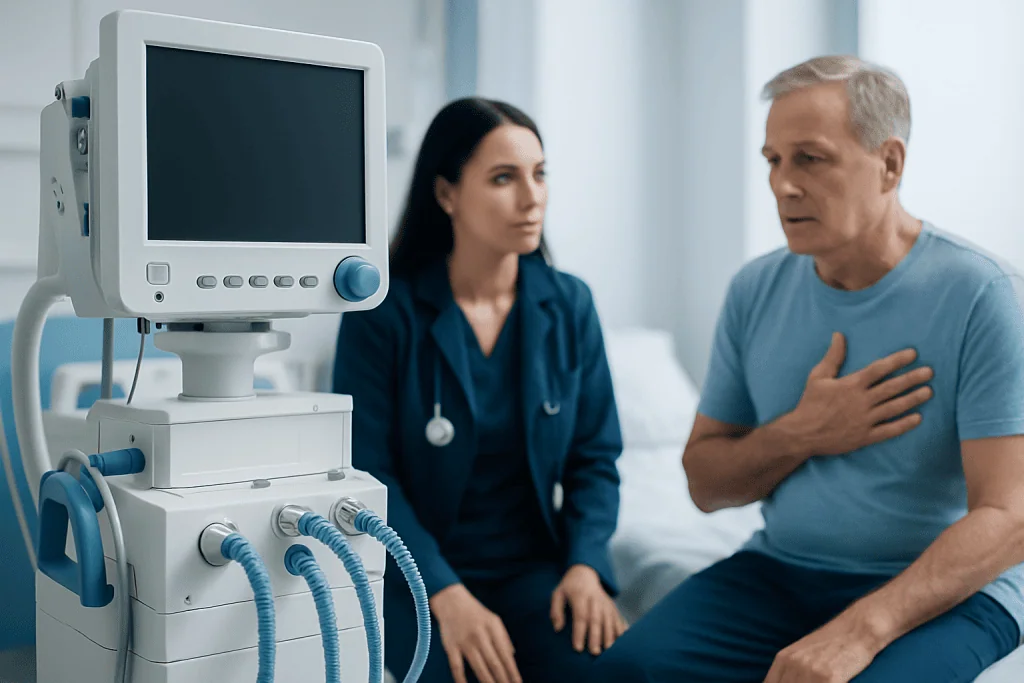
Before CABG, symptoms often come from reduced blood supply to the heart muscle. The classic symptom is angina, which may feel like pressure, heaviness, tightness, burning, or discomfort in the chest. Some people feel symptoms in the arm, shoulder, jaw, neck, back, or upper abdomen rather than the center of the chest.
Other symptoms can include shortness of breath, unusual fatigue, reduced exercise tolerance, nausea, sweating, or lightheadedness with exertion. People with diabetes, older adults, and some women may have less typical symptoms, such as breathlessness or tiredness without clear chest pain. Symptoms may appear during walking, climbing stairs, emotional stress, cold weather, or after meals, and they may improve with rest or prescribed angina medication.
Doctors may recommend CABG when coronary artery disease is severe, affects multiple vessels, involves important artery segments, or is not best treated with medication or stenting alone. The decision is based on symptoms, test results, overall heart function, other health conditions, and patient preferences. CABG may also be considered after a heart attack or when there is a high risk of future heart muscle damage.
Testing Before Surgery and Setting Expectations
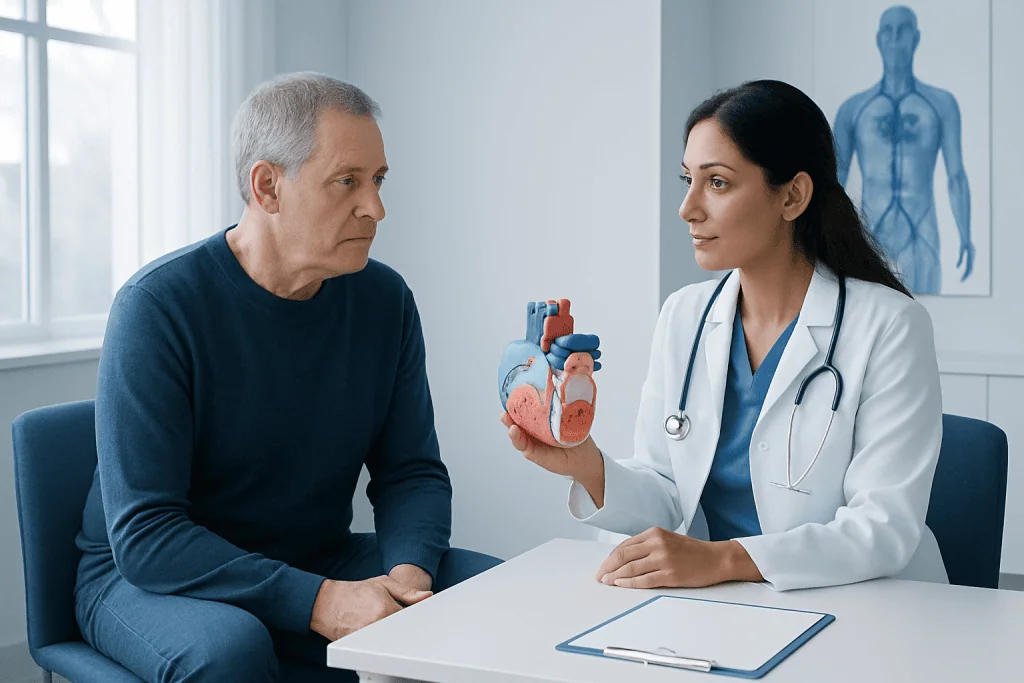
Before CABG, the medical team evaluates the pattern of artery narrowing, heart pumping function, valve function, rhythm, kidney function, lung health, and overall surgical risk. Common tests may include an electrocardiogram, echocardiogram, blood tests, chest imaging, stress testing, and coronary angiography to show the coronary arteries in detail. These tests help doctors plan whether bypass surgery is appropriate and how many grafts may be needed.
Preoperative discussions should include realistic goals. CABG can improve blood flow and reduce angina, but it does not always remove every symptom. Some breathlessness or fatigue may be related to lung disease, anemia, deconditioning, valve disease, rhythm problems, or heart failure rather than blocked arteries alone. Understanding all contributing factors helps patients and families interpret the recovery period more accurately.
Patients are usually advised to review all medicines, allergies, previous surgeries, bleeding history, kidney problems, and any recent infections with the care team. Smoking cessation, dental or infection assessment when needed, diabetes control, and planning for help at home can support safer recovery. The team also explains what to expect in the intensive care unit, how pain will be controlled, and when walking and breathing exercises will begin.
Immediately After CABG: The First Days in Hospital
After CABG, patients usually wake up in a closely monitored setting. Tubes, monitors, temporary pacing wires, drains, and intravenous lines can be present at first, and they are removed as recovery progresses. Nurses and doctors monitor heart rhythm, blood pressure, breathing, urine output, wound healing, pain level, and laboratory results.
It is common to feel groggy, thirsty, tired, or uncomfortable in the chest, shoulders, back, or leg where a graft was taken. Pain control is important because it helps patients breathe deeply, cough safely, and move. Breathing exercises and early sitting, standing, and short walks help reduce complications such as lung congestion and blood clots.
Many patients are surprised by how weak they feel at first. This early fatigue does not mean the surgery has failed; it reflects the stress of major surgery, anesthesia, inflammation, sleep disruption, and reduced activity. The care team typically encourages small, frequent efforts rather than overexertion, with progress measured by safe movement, stable vital signs, and improving independence.
Activity Level After CABG: Walking, Lifting, Driving, and Work
Activity after CABG is increased gradually. Walking is usually the foundation because it improves circulation, lung function, stamina, and confidence. At home, patients are often encouraged to take several short walks daily, slowly increasing distance or time as advised by their team. The right pace is usually one that allows conversation without significant chest discomfort, dizziness, or severe breathlessness.
Because the breastbone may need time to heal after traditional open surgery, patients are commonly given temporary precautions about heavy lifting, pushing, pulling, or using the arms to strain. Exact restrictions vary by surgical approach and individual healing, so the discharge plan should be followed closely. Driving, sexual activity, travel, and return to work are also individualized based on wound healing, pain control, alertness, rhythm stability, job demands, and the doctor’s assessment.
Supervised cardiac rehabilitation is one of the most helpful ways to rebuild safely after CABG. It combines monitored exercise, education, nutrition guidance, emotional support, and risk-factor management. Patients learn how to recognize safe exertion, warm up and cool down, manage fatigue, and make sustainable lifestyle changes. Participation is especially useful for people who feel uncertain about exercise or who had significant symptoms before surgery.
Realistic Results: What Improves and What May Not
The most realistic expectation after CABG is improved blood flow to areas of the heart supplied by the bypassed arteries. This often leads to fewer angina episodes, less need to stop during activity, and improved capacity for daily tasks. Some patients notice meaningful symptom relief within weeks, while others improve more gradually as anemia resolves, sleep improves, wounds heal, and fitness returns.
Not every symptom disappears. Incision discomfort, numbness near the chest or graft site, mild swelling where a leg vein was taken, appetite changes, constipation, sleep disturbance, and mood changes can occur during recovery. Anxiety or low mood after heart surgery is not unusual, and patients should mention it to their care team rather than trying to manage it alone.
It is also important to understand graft longevity and disease progression in a balanced way. Bypass grafts can remain open for many years, but new blockages can develop in native arteries or grafts, especially if risk factors are not controlled. Continuing antiplatelet medicines, cholesterol-lowering therapy, blood pressure treatment, diabetes care, and lifestyle measures as prescribed is central to protecting the result.
Long-Term Self-Care After CABG
Long-term success after CABG depends on treating coronary artery disease as an ongoing condition. A heart-healthy pattern usually includes vegetables, fruits, whole grains, legumes, fish or lean proteins, unsaturated fats, and limited highly processed foods, excess salt, and added sugars. Patients with diabetes, kidney disease, or other conditions may need a personalized nutrition plan.
Risk-factor control is a major part of preventing future heart problems. This includes not smoking, avoiding secondhand smoke, maintaining a healthy weight, managing stress, keeping follow-up appointments, and taking medicines exactly as prescribed. Conditions such as high blood pressure, high cholesterol, and diabetes should be monitored regularly because they can quietly affect grafts and coronary arteries.
Patients should ask their medical team for a clear written plan: which symptoms are expected, which symptoms require a call, how wounds should be cared for, when lab tests are needed, and when activity limits can change. For international patients, Acibadem International’s multidisciplinary specialists and JCI-accredited hospitals can evaluate and treat coronary artery disease, including CABG, with coordinated follow-up planning. Any travel after surgery should be discussed with the treating team in advance.
When to See a Doctor Urgently
Some symptoms after CABG require prompt medical attention. Patients should seek urgent care for new, severe, or worsening chest pain; chest pain with sweating, nausea, fainting, or shortness of breath; sudden weakness or numbness on one side of the body; trouble speaking; severe dizziness; or loss of consciousness. These symptoms need assessment even if the person recently had successful surgery.
The surgical team should also be contacted for fever, increasing redness or drainage from an incision, opening of the wound, worsening leg swelling, calf pain, sudden weight gain with breathlessness, persistent vomiting, uncontrolled pain, or a fast or irregular heartbeat. Mild tiredness and some discomfort can be part of recovery, but symptoms that are worsening rather than improving should not be ignored.
Follow-up visits are important even when recovery feels smooth. The cardiologist and surgeon can check wound healing, adjust medicines, review blood pressure and cholesterol goals, monitor rhythm concerns, and guide the next stage of activity. Patients should bring a current medicine list and any questions about work, travel, exercise, diet, or emotional well-being.
Frequently asked questions
How different will a person feel before and after CABG?
Many people have less angina and better tolerance for walking or daily tasks after recovery. However, improvement is usually gradual rather than immediate because the body must heal from major surgery. The final result depends on heart function, other health conditions, rehabilitation, and long-term risk-factor control.
Is chest discomfort normal after CABG?
Some incision, chest wall, shoulder, or back discomfort is common during early recovery and should improve over time. Pain should be controlled well enough to allow deep breathing, coughing, sleeping, and gentle walking. New pressure-like chest pain, worsening pain, or pain with shortness of breath, sweating, or fainting needs urgent medical assessment.
When can patients exercise after CABG?
Gentle movement and short walks often begin in the hospital under supervision. After discharge, walking usually increases step by step according to the discharge instructions and the patient’s symptoms. A cardiac rehabilitation program provides the safest structure for building stamina and confidence.
Can CABG cure coronary artery disease?
CABG improves blood flow by bypassing blocked arteries, but it does not remove the underlying process that caused plaque buildup. Coronary artery disease can progress in other arteries or grafts over time. Medicines, healthy eating, physical activity, not smoking, and control of blood pressure, cholesterol, and diabetes remain essential.
How long does it take to recover from CABG?
Recovery varies widely, but many patients need several weeks to regain basic energy and longer to rebuild full stamina. Healing time depends on age, fitness before surgery, heart function, surgical approach, complications, and participation in rehabilitation. The care team should guide decisions about lifting, driving, work, travel, and exercise.
Why might shortness of breath continue after CABG?
Shortness of breath can improve if it was mainly caused by poor blood flow to the heart. It may persist if there are other causes such as lung disease, anemia, fluid retention, rhythm problems, heart failure, pain limiting deep breaths, or deconditioning. Persistent or worsening breathlessness should be discussed with a doctor promptly.
What signs suggest a bypass graft problem?
Symptoms can include return of exertional chest pressure, shortness of breath, unusual sweating, nausea, or a drop in activity tolerance. These symptoms do not always mean a graft is blocked, but they deserve medical evaluation. Sudden or severe symptoms should be treated as urgent.
References
- American Heart Association
- European Society of Cardiology
- Society of Thoracic Surgeons
- National Heart, Lung, and Blood Institute
- National Institute for Health and Care Excellence
This article is for general information only and is not a substitute for professional medical advice. Please consult a qualified doctor about your individual situation.
Heart care in Turkey — expert evaluation and treatment
JCI-accredited · board-certified surgeons · reply within 24h
Check your numbers in seconds
BMI, calories, due date, blood pressure and 30+ more clinical calculators — free, instant, doctor-reviewed ranges.