Cachexia: An Evidence-Based Guide for Patients

Cachexia is a medical syndrome marked by involuntary weight loss, muscle wasting, weakness, and reduced appetite. It is commonly linked to chronic illnesses such as cancer, heart failure, COPD, kidney disease, and advanced infections.
Key Takeaways
- Cachexia is a medical syndrome marked by involuntary weight loss, muscle wasting, weakness, and reduced appetite.
- It is commonly linked to chronic illnesses such as cancer, heart failure, COPD, kidney disease, and advanced infections.
- Eating more alone often does not fully reverse cachexia because inflammation and metabolic changes also drive it.
- Treatment focuses on the underlying condition, symptom control, nutrition support, physical activity when possible, and close follow-up.
- Early recognition can help protect strength, function, and quality of life.
Cachexia is a complex syndrome that causes ongoing weight and muscle loss, reduced strength, and fatigue, usually in the setting of a serious long-term illness. It is not the same as simple poor appetite or ordinary weight loss, and it often needs medical treatment alongside nutrition support and care for the underlying disease.
What cachexia is and why it matters
Cachexia is a serious wasting syndrome that causes unintentional weight loss, loss of muscle mass, reduced strength, and tiredness. It usually develops in people living with a long-term illness such as cancer, heart failure, chronic lung disease, kidney disease, or advanced infection. Unlike ordinary weight loss, cachexia is driven not only by eating less but also by changes in metabolism and inflammation within the body.
This distinction matters because cachexia can affect daily function, recovery from illness, tolerance of medical treatment, and overall quality of life. A person may continue to lose muscle even if they try to eat more. That is why cachexia should be assessed as a medical condition rather than viewed simply as poor nutrition or normal illness-related weight loss.
In practice, doctors look at body weight, appetite, strength, energy levels, and the underlying disease. They may also assess whether there is less physical activity, more weakness, or difficulty completing normal tasks. Early recognition gives the best chance to support nutrition, preserve muscle, and treat symptoms that make eating difficult.
How cachexia affects the body
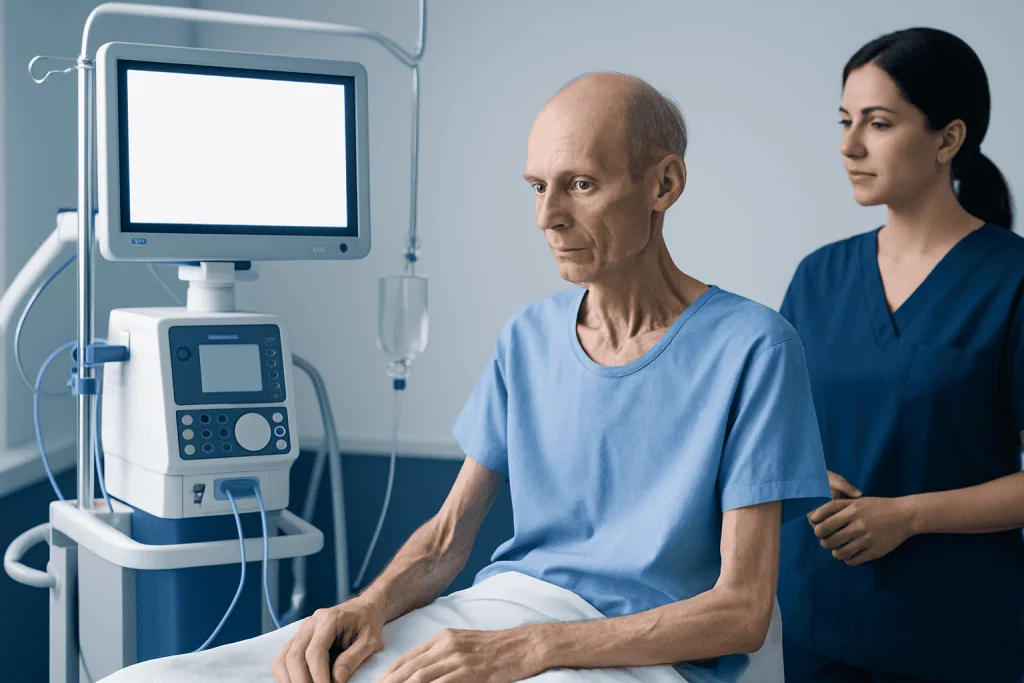
Cachexia changes the way the body uses energy, protein, and fat. Inflammation from chronic disease can signal the body to break down muscle faster than it can rebuild it. At the same time, appetite often drops, food may become less appealing, and symptoms such as nausea, pain, constipation, or shortness of breath may make eating harder.
Muscle loss is one of the most important features. This can lead to weakness, poor balance, slower walking, trouble climbing stairs, and more dependence on others for daily activities. Some people may appear thin overall, while others may still have a normal or higher body weight but lose muscle underneath.
Cachexia can also affect mood, social life, and family routines. Meals may become stressful when loved ones want the person to eat more, but the person feels full quickly or has little desire to eat. Understanding that cachexia is a biological syndrome—not a lack of effort—can help reduce guilt and support more realistic care goals.
Signs and symptoms to look for

The most common sign of cachexia is ongoing, unintentional weight loss. This may happen even when a person is trying to maintain their weight. Loss of muscle can show up as looser clothing around the arms or thighs, less grip strength, trouble standing from a chair, or increasing fatigue during normal activities.
Appetite changes are also common. A person may feel full after a small amount of food, have less interest in meals, or notice that familiar foods no longer taste good. Some people also experience nausea, vomiting, mouth sores, swallowing problems, pain, constipation, low mood, or breathlessness, all of which can further reduce food intake.
Possible symptoms include:
- Unplanned weight loss
- Visible or measurable muscle wasting
- Weakness and reduced stamina
- Loss of appetite or early fullness
- Fatigue and low energy
- Reduced physical activity
- Difficulty recovering from illness or treatment
These symptoms are not specific to cachexia alone, so they need proper medical evaluation. In some people, similar symptoms may also occur with malnutrition or other conditions that affect eating and digestion.
Causes and who is at risk
Cachexia is not a disease by itself; it is a syndrome caused by another illness. It is especially associated with advanced or ongoing inflammatory conditions. The best-known form is cancer cachexia, but it can also occur with chronic heart failure, chronic obstructive pulmonary disease, chronic kidney disease, liver disease, neurological disorders, and infections such as HIV.
Risk rises when an illness increases the body’s energy needs, triggers inflammation, or causes symptoms that limit eating. Repeated hospital stays, treatment side effects, chronic pain, depression, swallowing difficulty, and reduced mobility may all contribute. Older adults may be more vulnerable because aging can already lower muscle reserves.
Conditions linked with cachexia may include chronic respiratory disease such as COPD and serious heart disease such as heart failure. In people with cancer, tumors and cancer-related inflammation can disrupt normal metabolism and appetite regulation. For many patients, several factors act together rather than one single cause.
How doctors diagnose cachexia
There is no single test that confirms cachexia on its own. Diagnosis is usually based on a medical history, a review of weight changes over time, physical examination, and an assessment of the underlying disease. Doctors often ask about appetite, nausea, bowel habits, pain, physical activity, and whether daily tasks have become harder.
Body composition may be assessed in different ways. A clinician may measure weight, body mass index, arm circumference, or grip strength, and may review scans already done for other reasons to estimate muscle mass. Blood tests can help look for inflammation, anemia, kidney or liver problems, dehydration, or nutritional deficiencies, though blood tests alone cannot define cachexia.
The evaluation also looks for treatable contributors. These may include poorly controlled pain, depression, medication side effects, swallowing disorders, hormone problems, or digestive conditions that impair absorption. Depending on the person’s symptoms, doctors may recommend nutritional assessment, diet and nutrition support, swallowing evaluation, or rehabilitation planning.
Treatment options and supportive care
Cachexia treatment usually works best when several approaches are combined. The main goal is to treat or stabilize the underlying illness while also improving appetite, relieving symptoms, supporting nutrition, and maintaining strength. In cancer-related cases, treatment may be coordinated with medical oncology care, because successful control of the underlying disease can sometimes reduce the drivers of cachexia.
Nutrition support is important, but it is only one part of care. Dietitians may suggest small, frequent meals; protein-rich foods; energy-dense snacks; or oral nutrition supplements. If chewing, swallowing, nausea, or bowel symptoms are limiting intake, addressing those problems may help more than simply asking the person to eat more.
Exercise and rehabilitation can also play a role. Gentle resistance training, walking, or supervised activity may help preserve muscle and function in selected patients, especially when fatigue and weakness are significant. Some people benefit from physical therapy and rehabilitation to maintain mobility, balance, and independence.
Medication may sometimes be used to improve appetite or manage symptoms, depending on the person’s overall condition and medical history. Care is individualized, and not every option is suitable for every patient. In advanced illness, the focus may shift toward comfort, realistic goals, and support for both the patient and family, sometimes with input from palliative care teams.
Daily self-care and practical nutrition tips
Self-care for cachexia focuses on making eating and activity more manageable, not forcing large meals. Many people do better with smaller portions more often throughout the day. Keeping easy-to-eat foods available, choosing favorite flavors, and eating at times of better energy can help reduce pressure around meals.
Simple strategies may include adding calorie- and protein-rich ingredients to familiar foods, sipping nutritious drinks between meals, and limiting fluids right before eating if early fullness is a problem. It can also help to treat dry mouth, mouth sores, constipation, pain, or nausea promptly, since these symptoms can strongly affect food intake.
Gentle movement may support strength and appetite when approved by a doctor. Useful steps include:
- Short walks or light activity most days if tolerated
- Simple strength exercises under professional guidance
- Regular weight checks to track change over time
- Keeping a symptom diary for appetite, nausea, or fatigue
- Asking for a dietitian review when eating becomes difficult
Families often want to help by encouraging more food, but pressure can be exhausting for the patient. Supportive meal routines, flexible expectations, and open communication usually work better than insisting on large meals.
When to seek medical care
Medical review is important if a person has unexplained weight loss, noticeable muscle wasting, or a clear drop in strength or appetite over weeks to months. Early evaluation is especially important in anyone with cancer, heart failure, chronic lung disease, kidney disease, or another serious ongoing illness.
More urgent medical advice is needed if weight loss is rapid, eating or drinking becomes very difficult, swallowing is painful, vomiting persists, or there are signs of dehydration such as dizziness, confusion, or very dark urine. Severe weakness, repeated falls, or sudden changes in breathing should also be assessed promptly.
If cachexia is suspected, care often involves more than one specialist. Near the end of the care pathway, a center such as Acibadem International may coordinate assessment through multidisciplinary specialists in JCI-accredited hospitals for international patients, especially when complex chronic disease, nutritional problems, and rehabilitation needs overlap.
Frequently asked questions
Is cachexia the same as malnutrition?
No. Malnutrition mainly refers to not getting enough nutrients, while cachexia is a complex syndrome involving inflammation, metabolic changes, and muscle breakdown, often related to chronic disease. A person with cachexia may also have malnutrition, but the two are not identical.
Can cachexia happen without cancer?
Yes. Although cancer cachexia is well known, cachexia can also occur in heart failure, COPD, chronic kidney disease, advanced infections, and other long-term illnesses. The common feature is an underlying disease that changes appetite, metabolism, and muscle balance.
Will eating more cure cachexia?
Usually not by itself. Better nutrition can help support energy and strength, but cachexia often continues because the body is breaking down muscle due to inflammation and disease-related metabolic changes. Treatment usually needs to address both nutrition and the underlying condition.
What foods are best for someone with cachexia?
There is no single best diet for everyone. In general, easy-to-eat foods that are high in protein and calories, offered in small frequent meals, are often more manageable than large meals. A doctor or dietitian can tailor advice based on symptoms, swallowing ability, digestive problems, and the main illness.
Can exercise help with cachexia?
In some people, yes. Gentle activity and supervised strength exercises may help preserve muscle, improve function, and support well-being. Exercise plans should be individualized, especially if the person is very weak, breathless, or receiving intensive treatment.
Is cachexia reversible?
Sometimes parts of it can improve, especially if the underlying illness responds to treatment and symptoms affecting eating are controlled. In other cases, full reversal may not be possible, but supportive care can still help maintain comfort, strength, and quality of life. Early recognition generally offers more options.
This article is for general information only and is not a substitute for professional medical advice. Please consult a qualified doctor about your individual situation.
Medical weight-loss options in Turkey — costs & eligibility
JCI-accredited · board-certified surgeons · reply within 24h
Add us as a Preferred Source to see more of our trusted health content across Google Search, AI Overviews and Discover.

More from the Health Library

Bupropion: An Evidence-Based Guide for Patients

Bell’s Palsy — Explained by Medical Evidence, Not Myths

Leukodystrophy: A Complete Medical Overview
Bamboo Spine: An Evidence-Based Guide for Patients

Impetigo: An Evidence-Based Guide for Patients