Can You Drink Water Before a Blood Test or Scan?

Plain water is usually allowed before many blood tests and imaging exams. Fasting usually means no food and no drinks except small amounts of water, unless told otherwise.
Key Takeaways
- Plain water is usually allowed before many blood tests and imaging exams.
- Fasting usually means no food and no drinks except small amounts of water, unless told otherwise.
- Some scans require drinking water, while others may require avoiding fluids for a period beforehand.
- Coffee, tea, juice, milk, and flavored drinks can affect certain test results and are not the same as water.
- If instructions are unclear, patients should contact the clinic, laboratory, or doctor before the appointment.
In many cases, people can drink plain water before a blood test or scan, and it may even help with comfort and sample collection. However, some blood tests and imaging exams have special preparation rules, so the safest approach is to follow the instructions given for that specific test.
Overview
A common question before medical appointments is whether drinking water is allowed. The answer is often yes, but it depends on the reason for the test. Many routine blood tests permit plain water, and some scans even require a person to drink water beforehand. Other tests, especially fasting blood tests or exams involving contrast, may have more specific instructions.
Water matters because it can affect comfort, hydration, and sometimes the quality of the test. Being well hydrated may make it easier for a healthcare professional to draw blood. For imaging, the bladder, stomach, or intestines may need to be empty or full depending on the exam being performed.
The most important point is that preparation is not the same for every blood test or scan. Instructions may differ between hospitals, laboratories, and imaging centers. If a person receives written guidance, that advice should be followed even if it is different from general rules.
When Water Is Usually Allowed
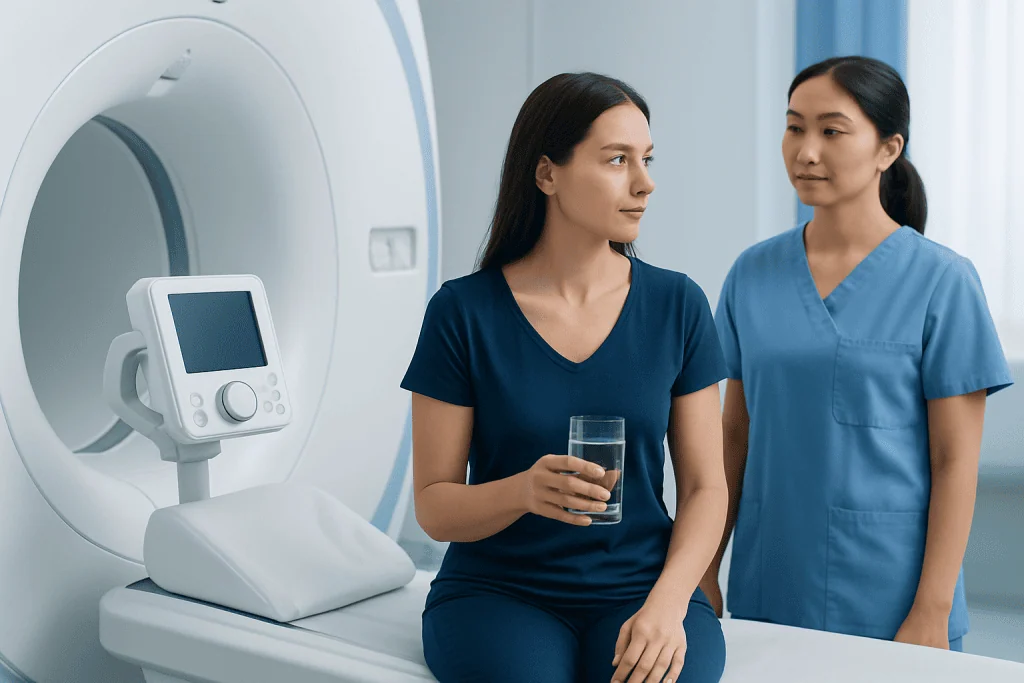
For many standard blood tests, plain water is allowed and sometimes encouraged. This is often true for routine blood counts, many vitamin and mineral checks, and a range of general laboratory tests. If a test does not require fasting, drinking water beforehand is usually not a problem.
Even when fasting is required, water is often still permitted unless the care team says otherwise. In medical settings, fasting commonly means no food and no beverages other than plain water for a set number of hours. Water does not contain calories, sugar, or caffeine, so it is less likely than other drinks to interfere with results.
Many imaging studies also allow water. For example, some ultrasound exams, CT scans, or MRI studies may permit normal water intake. In certain cases, drinking water is part of the preparation because it helps fill the bladder or improve visibility of structures during the scan.
- Plain still water is usually the safest choice.
- Small to moderate amounts are generally preferred over excessive drinking.
- If instructions mention fasting, patients should assume that coffee, tea, juice, milk, and soft drinks are not allowed unless specifically approved.
When Water May Be Limited or Directed

Some tests have special preparation rules, so water may need to be limited or timed carefully. A few blood tests and procedures require complete fasting, especially if sedation, anesthesia, or a special metabolic measurement is involved. In these situations, even water may be restricted for safety or accuracy.
Imaging tests vary widely. A pelvic ultrasound may require a full bladder, meaning the patient may be asked to drink a set amount of water before arrival and avoid urinating. By contrast, some abdominal imaging studies may require no food and only limited liquids for several hours. If contrast dye is used, preparation may depend on kidney function, the body area being examined, and the type of scan.
Tests of the digestive tract can have particularly specific instructions. Some exams require bowel preparation, no oral intake after a certain time, or only clear liquids. If the scan or procedure is related to the abdomen, gallbladder, stomach, or intestines, it is especially important not to assume that general advice applies.
Blood Tests: Fasting, Water, and Common Mistakes
Fasting blood tests are among the most common situations in which people wonder about water. Tests that may require fasting can include blood sugar, certain cholesterol and triglyceride measurements, and some metabolic studies. For these tests, plain water is often acceptable, but all other drinks and foods are usually avoided for the number of hours specified by the clinician or laboratory.
A frequent mistake is thinking that black coffee, tea, chewing gum, or flavored water count as fasting. These can sometimes affect blood sugar, stomach activity, hormones, or hydration status, and they may interfere with accurate results. Supplements, vitamins, and medications can also matter, so patients should ask whether they should be taken before testing.
Another common issue is overhydration. Drinking a normal amount of water is usually fine, but very large volumes shortly before testing are not necessary. The goal is simple hydration, not forcing fluids. Anyone scheduled for broader health check-up testing should review the preparation list in advance so repeat testing can be avoided.
Scans and Imaging: Why Instructions Differ
Imaging preparation depends on what body part is being examined and which technology is being used. Ultrasound, X-ray, CT, MRI, mammography, and nuclear medicine tests all have different goals. A scan of the bladder or pelvis may benefit from a full bladder, while a scan of the upper abdomen may require fasting to reduce stomach contents or bowel gas.
Contrast-enhanced studies add another layer of preparation. Some people need blood tests first to check kidney function before receiving certain contrast agents. Others may be told to stop eating for a period before the exam, while water may still be allowed. If a person has a known contrast allergy, kidney disease, diabetes, or is pregnant, they should tell the imaging team ahead of time.
People preparing for advanced imaging such as MRI or CT scan should use the instructions from the imaging center as their main guide. If a scan is being performed to investigate a specific condition, those instructions may differ from routine exams. For example, tests related to the urinary system may not match the preparation used for abdominal kidney stones assessment.
Special Situations: Medicines, Diabetes, Children, and Pregnancy
Medication instructions can be just as important as food and fluid rules. Some medicines should be taken as usual with a sip of water, while others may need to be delayed until after the test. This can be particularly important for insulin, diabetes tablets, blood pressure medicines, thyroid medicines, and drugs that affect kidney function or clotting.
People with diabetes should not make fasting changes without clear guidance. Going many hours without food can increase the risk of low or high blood sugar, especially if insulin or glucose-lowering medication is used. A doctor may adjust timing, change the appointment hour, or advise what to do if symptoms develop during the fast.
Children, older adults, and pregnant patients may have different needs. Young children can become uncomfortable or dehydrated more quickly, so the care team may adapt instructions. During pregnancy, imaging preparation depends on the type of scan and the reason it is needed; patients should always mention a current or possible pregnancy before any imaging exam.
Practical Preparation Tips
The simplest way to prepare is to read the appointment instructions carefully as soon as they are received. If the wording is unclear, contacting the laboratory or imaging center ahead of time can prevent delays, repeat visits, or inaccurate results. It helps to ask directly: Is plain water allowed? How much? Can regular medicines be taken?
On the day of the test, patients should bring identification, their test request if needed, and a list of medicines and supplements. Wearing comfortable clothing can make the visit easier, especially for blood draws or scans involving the abdomen, chest, or arms. If a full bladder is required, arriving on time matters because drinking too early or too late can affect the exam.
After the test, most people can return to normal eating and drinking unless they were given different instructions. If contrast was used or sedation was given, the care team may recommend extra fluids, short-term observation, or having someone accompany the patient home. At centers such as Acibadem International, multidisciplinary specialists and JCI-accredited hospitals support international patients through diagnosis and test preparation.
When to Contact a Doctor or Testing Center
A patient should contact the clinic, doctor, or imaging department whenever preparation instructions are missing, confusing, or difficult to follow. This is especially important if they have diabetes, kidney disease, pregnancy, a contrast allergy, or trouble fasting because of another health condition. It is better to ask in advance than risk an incomplete or inaccurate test.
Medical advice should also be sought if a person accidentally eats or drinks something that may break the fast. In some cases, the test can still proceed; in others, it may need to be rescheduled. The same applies if regular medicines were taken by mistake or if the patient cannot tolerate the preparation.
Urgent help may be needed if fasting leads to fainting, confusion, severe weakness, or symptoms of very low blood sugar. These situations are uncommon, but they should not be ignored. Safe preparation is part of good testing, and individualized advice from a qualified healthcare professional is always the best guide.
Frequently asked questions
Can a person drink water before a fasting blood test?
Often yes, plain water is allowed before a fasting blood test unless the doctor or laboratory says otherwise. Fasting usually means avoiding food and most drinks, but not necessarily water. Patients should still follow the exact instructions for their specific test.
Does drinking water affect blood test results?
Plain water usually does not affect most blood test results and may help with hydration. However, other drinks such as coffee, juice, milk, or flavored beverages can interfere with some tests. If there is any doubt, it is safest to choose only water.
Can a person drink water before an ultrasound, CT scan, or MRI?
Sometimes yes, and in certain cases water is part of the preparation. Some scans require a full bladder, while others require fasting or limited fluids. The correct approach depends on the body area being examined and whether contrast or sedation is planned.
How much water is safe to drink before testing?
A normal amount of plain water is usually enough unless the instructions specify a set volume. There is usually no need to drink excessive amounts. If the test requires a full bladder, the imaging center may tell the patient exactly how much to drink and when.
Are coffee, tea, or flavored water allowed if food is not?
Usually no, unless the care team specifically says they are allowed. These drinks are not the same as plain water and may affect fasting requirements or test accuracy. Even sugar-free or low-calorie drinks may not be suitable before some tests.
What should a person do if they accidentally eat or drink the wrong thing before a test?
They should contact the laboratory, clinic, or imaging center as soon as possible. The team can advise whether the test can still be done or whether it should be rescheduled. Being honest about what was consumed helps avoid misleading results.
This article is for general information only and is not a substitute for professional medical advice. Please consult a qualified doctor about your individual situation.
Explore treatments in Turkey — costs, top hospitals & a free quote
JCI-accredited · board-certified surgeons · reply within 24h
Add us as a Preferred Source to see more of our trusted health content across Google Search, AI Overviews and Discover.
Check your numbers in seconds
BMI, calories, due date, blood pressure and 30+ more clinical calculators — free, instant, doctor-reviewed ranges.

More from the Health Library

What Happens at a Diagnostic Imaging Consultation?

Biopsy: Types, Image Guidance, and What Pathology Results Mean
What Is a Diagnostic Mammogram for Men?

What Is a Diagnostic Mammogram Result Called Back For?
What Is an MRI Scan and How Should You Prepare?