

Can You Get a Tattoo While Pregnant? Here Is What the Evidence Says

Most pregnant people are advised to wait on a new tattoo until after birth. The main risks are infection, allergic skin reactions, and exposure to blood-borne viruses from unsafe tattoo practices.
Key Takeaways
- Most pregnant people are advised to wait on a new tattoo until after birth.
- The main risks are infection, allergic skin reactions, and exposure to blood-borne viruses from unsafe tattoo practices.
- A fresh tattoo that becomes red, hot, swollen, painful, or drains pus needs medical review.
- Doctors usually assess symptoms with a skin exam and may order tests if infection is suspected.
- If a tattoo was done before pregnancy and is healing normally, it is often harmless.
In most cases, getting a tattoo during pregnancy does not automatically cause harm, but experts generally advise postponing it until after delivery. The main concern is not the tattoo ink itself, but the avoidable risks of skin infection, allergic reaction, blood-borne infection exposure, and healing problems during pregnancy.
Overview: what the evidence says
Can you get a tattoo while pregnant? In many cases, nothing serious happens after a tattoo, and a healthy pregnancy is not usually affected by healed tattoos done in the past. However, most clinicians recommend waiting until after pregnancy because a new tattoo creates a wound in the skin, and any avoidable infection or allergic reaction is better prevented during this time.
The strongest reason to postpone is caution rather than proof of frequent harm. Research on tattoo safety specifically during pregnancy is limited, so recommendations rely on what is known about skin injury, infection risk, blood exposure, and the body’s healing response. Even when a studio follows good hygiene, no procedure that breaks the skin is completely risk-free.
For someone who already got a tattoo before realizing they were pregnant, reassurance is often appropriate if the area is healing well and there are no symptoms. The focus then shifts to watching for red flags such as increasing redness, swelling, warmth, fever, or unusual drainage, because these are signs a doctor may need to assess.
Why pregnancy changes the decision
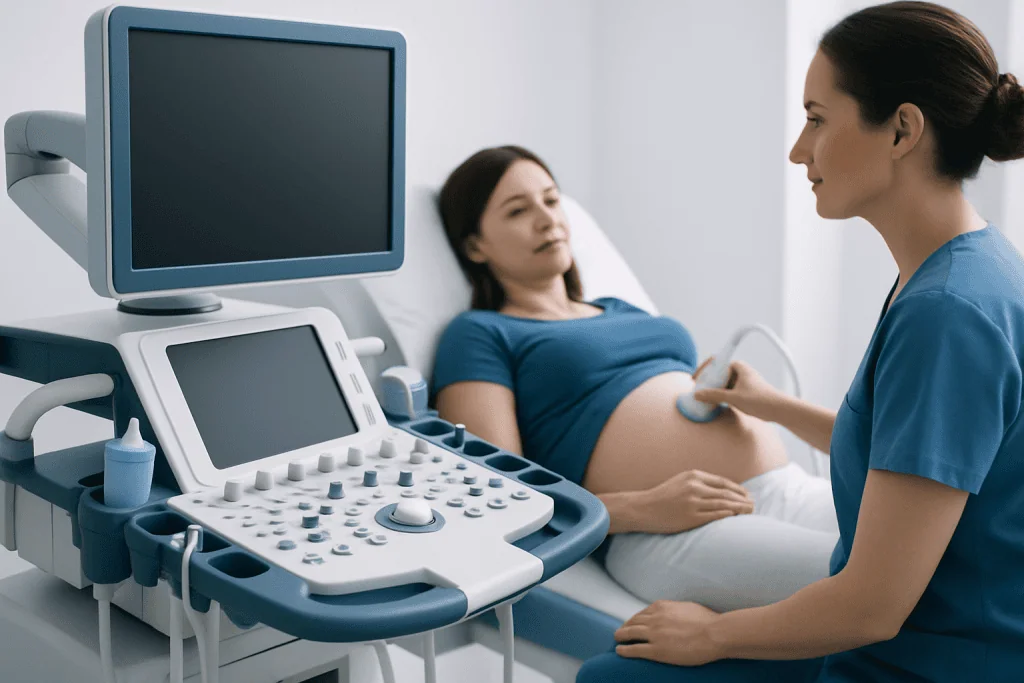
Pregnancy changes the immune system, circulation, and the skin itself. These shifts help support the developing baby, but they can also make skin more sensitive, healing less predictable, and treatment decisions more complicated if a problem develops.
A tattoo needle places pigment into the skin through repeated tiny punctures. That means the skin barrier is disrupted and must heal over days to weeks. During pregnancy, even a mild infection or a medication need that would normally be straightforward may require more careful evaluation because doctors aim to choose treatments that are safe for both mother and baby.
Skin changes in pregnancy also matter for cosmetic reasons. Areas such as the abdomen, breasts, hips, and thighs may stretch substantially, which can distort the look of a new tattoo over time. This does not create a medical danger, but it is one more reason many people prefer to wait.
People with a history of eczema, contact allergies, <a href="https://acibademinternational.com/diseases/keloid-scars/”>keloid scars, or chronic skin disease may need extra caution. Pregnancy can sometimes worsen existing skin sensitivity, so irritation from tattoo ink, bandages, or aftercare products may be harder to predict. If there is concern about an underlying skin condition, a review with a skin specialist for eczema or sensitive skin can help guide safer decisions.
Main risks of getting a tattoo while pregnant

The most important risks are infection, allergic reaction, and unsafe blood exposure. A tattoo can introduce bacteria into the skin, especially if equipment is not sterile or aftercare is poor. Local skin infection may stay limited to the tattooed area, but in some cases it can spread and require prompt treatment.
There is also a small but important concern about blood-borne infections such as hepatitis B, hepatitis C, and HIV if a studio does not use appropriate infection-control practices. Reputable tattoo settings reduce this risk greatly, but they cannot reduce it to zero. During pregnancy, avoiding any unnecessary blood-exposure risk is sensible.
Some people react to tattoo pigments or to products used during healing. The area may become itchy, blistered, raised, or inflamed. Red pigments are classically associated with more reactions, but irritation can happen with any color or from adhesives and ointments rather than the ink itself. A doctor may consider contact dermatitis or another inflammatory skin reaction if symptoms persist.
Other concerns include fainting from pain, worsening nausea, dehydration during a long session, and the practical challenge of treating a complication while pregnant. None of these are inevitable, but because a tattoo is optional, many obstetric and dermatology professionals advise delaying it until the postpartum period.
- Local skin infection
- Allergic or inflammatory skin reaction
- Exposure to blood-borne infections from unsafe equipment
- Scarring or poor healing
- Distortion of the tattoo from pregnancy-related skin stretching
Red flags after a tattoo
Most new tattoos are somewhat sore, mildly red, and tender at first. This is part of normal healing. What matters is whether symptoms steadily improve. If the area becomes more painful instead of less painful, or redness spreads beyond the tattoo, that is not typical and should be checked.
Possible warning signs include warmth, increasing swelling, pus, foul-smelling drainage, fever, chills, or red streaks moving away from the tattoo. Severe itching, widespread rash, blistering, or raised nodules can suggest an allergic or inflammatory reaction. These symptoms do not always mean a serious problem, but they do mean medical advice is appropriate.
During pregnancy, any fever deserves attention because it can be linked to infections beyond the skin. If a person feels faint, short of breath, or generally unwell after a tattoo, urgent assessment may be needed. If a trusted clinician suspects a deeper infection, they may evaluate for skin and soft tissue infection, including the possibility of cellulitis in more pronounced cases.
How a doctor evaluates a tattoo problem in pregnancy
If symptoms develop, a doctor usually starts with a careful history and skin examination. They ask when the tattoo was done, whether the symptoms are getting worse, what aftercare products were used, and whether there are systemic symptoms such as fever. The appearance of the skin often gives important clues about whether the issue is normal healing, irritation, allergy, or infection.
Doctors may also ask about the tattoo setting and safety practices, including single-use needles, fresh ink cups, gloves, and sterilization procedures. If blood-borne infection exposure is a concern, testing may be discussed. In someone with significant redness, pain, or drainage, the doctor may decide whether a swab, blood tests, or other investigations are needed.
Because medications in pregnancy need thoughtful selection, diagnosis matters. A clinician may treat a simple bacterial infection differently from an allergic rash or delayed pigment reaction. If needed, care may involve a dermatologist, obstetric clinician, or infectious diseases specialist, depending on the pattern of symptoms and the pregnancy stage.
Specialist support can be helpful when the diagnosis is uncertain or symptoms are more severe. In some cases, a dermatologist may recommend evaluation through dermatology assessment to clarify whether the problem is infection, eczema, contact allergy, or another skin condition.
Treatment options if complications happen
Treatment depends on the cause. A mild irritation may improve by stopping the offending aftercare product, keeping the area clean, and using pregnancy-appropriate skin care advised by a clinician. Bacterial infection may need medical treatment, sometimes including antibiotics considered suitable in pregnancy. Self-treating with leftover medicines or harsh antiseptics is not recommended.
If allergy or inflammation is suspected, the doctor may suggest gentle skin care and other targeted treatment based on the severity and the stage of pregnancy. The choice of creams or oral medicines is individualized, so it is best not to rely on general online advice. Preserving the skin barrier and preventing scratching are important because broken skin can become secondarily infected.
More extensive infection, severe swelling, or signs of systemic illness need prompt review. In unusual situations, hospital-based care may be appropriate, especially if there is fever or concern that the infection is spreading. Diagnostic support such as check-up and diagnostics can help confirm the cause and guide safe treatment.
Near the end of the care pathway, some patients prefer multidisciplinary review, particularly if they are pregnant and have persistent skin symptoms. Acibadem International’s multidisciplinary specialists in JCI-accredited hospitals diagnose and treat skin and pregnancy-related concerns for international patients when further evaluation is needed.
Safer choices, prevention, and self-care
The safest choice during pregnancy is usually to postpone a new tattoo until after delivery. If someone also plans to breastfeed, they may wish to discuss timing with their doctor, especially if there is any concern about healing problems or the need for medicines after the procedure. Waiting avoids an unnecessary skin injury at a time when the body is already undergoing major changes.
For people with older tattoos, routine skin care is generally enough. Moisturizing dry skin, protecting tattoos from sun exposure, and avoiding scratching can help keep the skin comfortable as it stretches. If a pre-existing tattoo changes because of pregnancy-related skin stretching, the appearance often stabilizes after the body recovers postpartum.
If a person is determined to have a tattoo later, choosing a licensed, reputable studio matters. Helpful questions include whether needles are single-use, equipment is sterilized correctly, hands and gloves are changed, and inks are handled in sterile single-use containers. Good aftercare instructions should be clear and easy to follow.
- Wait until after pregnancy when possible
- Avoid tattooing over irritated, infected, or actively inflamed skin
- Use only reputable, hygienic tattoo studios
- Follow aftercare exactly and keep the area clean
- Seek medical advice early if symptoms worsen instead of improve
When to seek medical care
Medical care should be sought if a tattooed area becomes increasingly red, hot, swollen, very painful, or starts draining pus. Fever, chills, red streaking, dizziness, or feeling unwell are also reasons to contact a doctor promptly. During pregnancy, it is reasonable to have a lower threshold for asking for advice, even if symptoms seem mild.
Urgent assessment is especially important if there is severe swelling, rapidly spreading redness, trouble breathing, or signs of a significant allergic reaction. People with diabetes, immune system problems, or a history of severe skin reactions should be particularly cautious. If there are pregnancy-specific concerns, such as reduced fetal movement or contractions along with illness, obstetric care should be contacted without delay.
For non-urgent concerns, a clinician can usually assess the skin, review aftercare, and decide whether reassurance, observation, or treatment is needed. If a skin problem appears complex or persistent, referral for skin care and dermatology may be useful to support diagnosis and recovery.
Frequently asked questions
Is it ever safe to get a tattoo while pregnant?
A tattoo during pregnancy does not always lead to harm, and many people would have no serious complication. Still, most doctors advise waiting because the procedure is optional and carries avoidable risks such as infection, allergic reaction, and exposure to unsafe equipment.
What if a person got a tattoo before knowing they were pregnant?
This is often reassuring if the tattoo is healing normally and there are no signs of infection or allergy. Watching for worsening redness, swelling, drainage, fever, or severe itching is important, and any concerning symptoms should be discussed with a clinician.
Can tattoo ink harm the baby?
There is not strong evidence showing that tattoo ink from a routine skin tattoo directly harms the baby. The bigger concern is the procedure itself, because it breaks the skin and can lead to infection, allergic reaction, or blood-borne infection exposure if safety standards are poor.
Do older tattoos cause problems during pregnancy?
Older, fully healed tattoos are usually not a medical problem during pregnancy. They may stretch or change appearance as the skin expands, especially on the abdomen or breasts, but this is usually cosmetic rather than dangerous.
How can someone tell normal tattoo healing from infection?
Normal healing usually involves mild soreness, redness, and tenderness that gradually improve over several days. Infection is more likely if symptoms are getting worse, the skin feels increasingly hot or swollen, there is pus or bad-smelling drainage, or fever develops.
Should tattoo removal be avoided during pregnancy too?
In most cases, yes. Tattoo removal can irritate the skin and may require multiple sessions, so it is commonly postponed until after pregnancy unless a doctor recommends otherwise for a specific reason.
References
- American College of Obstetricians and Gynecologists
- Centers for Disease Control and Prevention
- American Academy of Dermatology
- National Health Service
- World Health Organization
This article is for general information only and is not a substitute for professional medical advice. Please consult a qualified doctor about your individual situation.
Explore treatments in Turkey — costs, top hospitals & a free quote
JCI-accredited · board-certified surgeons · reply within 24h
Add us as a Preferred Source to see more of our trusted health content across Google Search, AI Overviews and Discover.

More from the Health Library



Related Specialists

Prof. Dr. Nurzen Sezgin
Clinical Laboratory
Prof. Dr. Mitat Bahçeci
Endocrinology
Gizem Gürzoğlu
Physical Medicine & Rehabilitation
Dyt. Zehra Mevce Abatay Bıkmaz
Nutrition & Diet