Can You Get Pregnant After Ovulation? Causes, Explanations, and Next Steps

Pregnancy is most likely during the fertile window, which includes the days before ovulation and the day of ovulation. After ovulation, conception is usually only possible for about 12 to 24 hours while the egg remains viable.
Key Takeaways
- Pregnancy is most likely during the fertile window, which includes the days before ovulation and the day of ovulation.
- After ovulation, conception is usually only possible for about 12 to 24 hours while the egg remains viable.
- Cycle apps, symptoms, and calendar methods can estimate ovulation, but they cannot pinpoint it with complete accuracy.
- Bleeding, pain, or unusual symptoms after ovulation are often harmless, but some patterns need medical review.
- A doctor can assess cycle timing, pregnancy status, hormone patterns, and related gynecologic conditions when needed.
Yes, pregnancy is still possible shortly after ovulation, because an egg can usually be fertilized for about 12 to 24 hours after it is released. In many cases, confusion comes from the fact that ovulation timing and cycle tracking are not perfectly exact, so pregnancy may happen when a person believes ovulation has already passed.
Overview: can pregnancy happen after ovulation?
Yes, pregnancy can happen after ovulation, but usually only within a short window. Once the ovary releases an egg, that egg can typically be fertilized for about 12 to 24 hours. If sperm are already present in the reproductive tract during that time, conception may occur.
In practice, this question is often less straightforward than it seems. Many people assume they know exactly when ovulation happened, but ovulation can shift from one cycle to another, and common tracking methods are estimates rather than precise measurements. This means a pregnancy may seem to have happened “after ovulation” when the actual timing was slightly different.
Most situations are not a sign that anything is wrong. A late period, mild cramping, light spotting, or uncertainty about cycle timing often has a harmless explanation. Still, some symptoms deserve medical attention, especially severe pelvic pain, heavy bleeding, fainting, fever, or a positive pregnancy test with one-sided pain, because these can point to complications such as ectopic pregnancy.
If there is uncertainty, doctors usually begin with simple steps: reviewing the menstrual cycle, discussing sex timing and contraception, checking a pregnancy test, and considering ultrasound or hormone testing when needed. This step-by-step approach helps clarify whether symptoms are related to normal cycle changes, early pregnancy, or another gynecologic issue.
How ovulation and the fertile window work
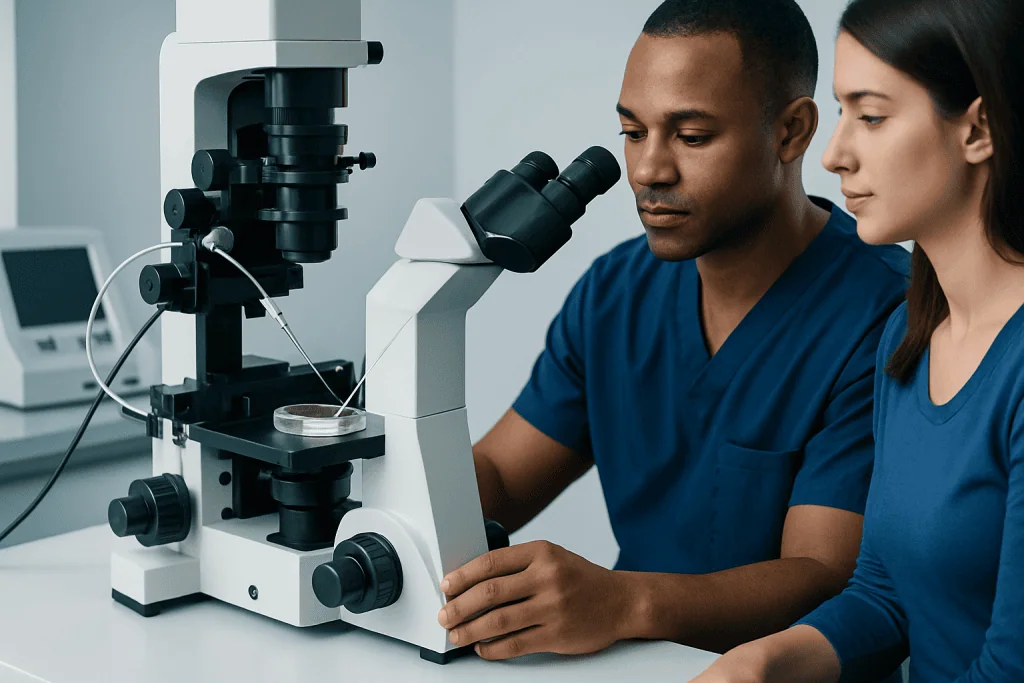
Ovulation is the point in the menstrual cycle when an ovary releases an egg. This usually happens about midway through the cycle, but the exact day varies between individuals and even from month to month in the same person. Stress, illness, travel, sleep disruption, weight changes, and hormonal conditions can all affect timing.
The fertile window is broader than the lifespan of the egg alone. Sperm can survive in the female reproductive tract for up to five days under favorable conditions, so pregnancy is often most likely when intercourse happens in the days before ovulation or on the day ovulation occurs. By contrast, once the egg is no longer viable, conception becomes unlikely.
This is why the phrase “after ovulation” needs context. If intercourse occurs one day after confirmed ovulation, pregnancy is less likely than in the days just before ovulation. But if ovulation was estimated rather than confirmed, the real fertile period may still have been ongoing.
People may try to identify ovulation using methods such as:
- Calendar tracking
- Ovulation predictor kits
- Basal body temperature charting
- Cervical mucus changes
- Cycle tracking apps
These tools can be helpful, but none is perfect on its own. For those trying to conceive or trying to avoid pregnancy, understanding the limits of each method is important.
Why someone may think pregnancy happened after ovulation
The most common explanation is that ovulation was not timed as precisely as expected. A positive ovulation test predicts a rise in luteinizing hormone, but it does not guarantee the exact moment the egg is released. Basal body temperature confirms that ovulation likely happened, but only after the event. Apps rely on past cycle patterns and may be less accurate when cycles are irregular.
Another reason is that sperm can live for several days. Intercourse that happens before ovulation may lead to pregnancy even if the positive test or symptoms appear later. In this case, conception did not truly occur long after ovulation; rather, sperm were already present when the egg was released.
Some people also confuse implantation timing with fertilization timing. Fertilization usually happens near ovulation, while implantation happens several days later, when the embryo attaches to the uterine lining. Light spotting or cramping around implantation may create the impression that pregnancy began much later than it actually did.
Finally, cycle irregularities can make interpretation difficult. Conditions that affect hormones and ovulation, including polycystic ovary syndrome (PCOS), can shift ovulation timing or make it harder to predict. In these cases, medical guidance may help make sense of patterns and symptoms.
Symptoms after ovulation: what is normal and what may need review
Many body changes after ovulation are caused by progesterone, the hormone that rises in the second half of the cycle. Breast tenderness, bloating, mild pelvic discomfort, fatigue, mood changes, and changes in vaginal discharge can all happen whether or not pregnancy occurs. These symptoms alone cannot reliably confirm conception.
Some people notice light spotting after ovulation. This can be related to hormonal fluctuations, mid-cycle changes, or the start of a period. In some cases, light spotting may occur around implantation, but it is not a dependable sign of pregnancy and can also have unrelated causes.
Most post-ovulation symptoms are not dangerous, especially if they are mild and short-lived. However, medical review is more important if symptoms are persistent, unusually painful, or different from a person’s usual pattern. Examples include severe cramping, very heavy bleeding, fever, fainting, dizziness, pain during sex, or significant cycle irregularity.
Some symptoms can overlap with conditions such as ovarian cysts, pelvic infection, endometriosis, or pregnancy complications. If symptoms are concerning, a doctor may assess for common gynecologic causes and discuss appropriate next steps, including imaging or referral for fertility evaluation and IVF care when pregnancy is desired but not happening.
How doctors evaluate timing, pregnancy, and related concerns
When someone asks whether they could be pregnant after ovulation, the evaluation usually starts with a careful history. A clinician may ask about the first day of the last menstrual period, cycle length, whether cycles are regular, the timing of intercourse, contraception use, ovulation testing, and current symptoms such as bleeding or pain.
A home pregnancy test is often the first practical step. These tests are more reliable after a missed period or around 10 to 14 days after ovulation, depending on the test and the person’s cycle. If the result is unclear or symptoms suggest pregnancy despite a negative test, repeat testing or a blood pregnancy test may be advised.
If there is pain, abnormal bleeding, or uncertainty about where a pregnancy is located, pelvic ultrasound can be helpful. Ultrasound may also be used to look for structural issues affecting the uterus or ovaries. In some cases, clinicians combine imaging with blood hormone tests to better understand ovulation, early pregnancy, or a possible complication.
For people with repeated cycle irregularity, infertility concerns, or suspected pelvic disease, the workup may expand. Depending on symptoms, this may include assessment through a gynecology check-up, hormone testing, or pelvic ultrasonography to clarify what is happening.
Treatment and next steps depend on the cause
If the main issue is simply uncertainty about timing, treatment may not be needed. Education about the fertile window, better cycle tracking, and guidance on when to test for pregnancy are often enough. This can be especially reassuring for people who are trying to conceive and are unsure how to interpret symptoms after ovulation.
If pregnancy is confirmed, next steps depend on symptoms and gestational timing. A normal early pregnancy may only require routine follow-up, but pain or bleeding may call for urgent assessment to confirm that the pregnancy is developing in the uterus and not elsewhere.
When ovulation is irregular or cycles are unpredictable, doctors may look for underlying causes such as thyroid disorders, elevated prolactin, ovarian dysfunction, or PCOS. Treatment then focuses on the specific diagnosis and the person’s goals, whether that is conception, symptom control, or cycle regulation.
For those having difficulty becoming pregnant despite regular attempts, fertility treatment may be discussed. Depending on the situation, options can range from cycle monitoring and ovulation support to advanced care such as infertility treatment. The best plan is individualized after medical evaluation.
Self-care, cycle tracking, and prevention of confusion
One helpful step is to track menstrual cycles over several months rather than relying on a single cycle. Recording period dates, ovulation test results, cervical mucus changes, and symptoms can provide a clearer picture of patterns. Even so, tracking should be seen as informative rather than perfectly exact.
For those trying to conceive, intercourse during the days leading up to ovulation and around the expected day of ovulation generally offers the best chance of pregnancy. For those trying to avoid pregnancy, it is important to know that fertile days may vary and that natural tracking alone may be less reliable than expected, especially with irregular cycles.
General reproductive health habits can also support cycle awareness. These include adequate sleep, balanced nutrition, stress management, regular physical activity, and seeking care for major changes in weight or menstrual patterns. None of these guarantees a specific ovulation day, but they may help maintain overall hormonal health.
Near the end of the process, some people benefit from specialist input simply for clarity and reassurance. Acibadem International’s multidisciplinary specialists in JCI-accredited hospitals diagnose and treat fertility and gynecologic conditions for international patients when further evaluation is needed.
When to seek medical care
Medical review is advisable if there is a positive pregnancy test with pelvic pain, one-sided abdominal pain, fainting, shoulder pain, or bleeding. These symptoms can require prompt assessment because they may occur with pregnancy complications, including ectopic pregnancy.
Care is also important for heavy bleeding, fever, severe cramps, repeated irregular cycles, or symptoms that keep returning without a clear explanation. Even when the cause is not urgent, a clinician can help distinguish normal hormonal changes from conditions affecting the ovaries, uterus, or reproductive hormones.
People trying to conceive may also wish to seek advice if pregnancy has not happened after a reasonable period of regular unprotected intercourse, or sooner if cycles are irregular or known reproductive health issues are present. Early assessment can identify treatable factors and guide appropriate testing.
In many cases, the answer to “can you get pregnant after ovulation?” is reassuring: only for a limited time, and apparent exceptions are often explained by normal variations in timing. If symptoms are unusual or cycle patterns are difficult to interpret, a qualified doctor can provide accurate evaluation and next steps.
Frequently asked questions
Can you get pregnant one day after ovulation?
It is possible, but the chance is usually lower than before ovulation. An egg is typically viable for only about 12 to 24 hours after release, so timing is very important. If ovulation timing was estimated rather than confirmed, pregnancy may still occur because ovulation could have happened later than expected.
How long after ovulation can the egg be fertilized?
In most cases, the egg can be fertilized for about 12 to 24 hours after ovulation. After that, conception becomes unlikely in that cycle. This is why the days before ovulation are often more important than many people realize.
Can ovulation tests prove exactly when ovulation happened?
No. Ovulation predictor kits detect a hormone surge that usually happens before ovulation, but they do not show the exact moment the egg is released. They are useful tools, but best interpreted together with cycle history and other signs.
Are cramps or spotting after ovulation a sign of pregnancy?
Not necessarily. Mild cramping or light spotting can happen due to normal hormonal changes in the second half of the cycle and may occur whether or not pregnancy happens. If symptoms are severe, heavy, or persistent, medical advice is recommended.
When should someone take a pregnancy test after ovulation?
A pregnancy test is usually most reliable after a missed period. Some tests may become positive earlier, but testing too soon can lead to a false-negative result. If the first test is negative and pregnancy is still suspected, repeating it after a few days can help.
If periods are irregular, can someone still know when they ovulate?
They can estimate it, but prediction is often less accurate with irregular cycles. Tracking symptoms, ovulation kits, and medical evaluation may help identify patterns. If cycles are frequently irregular, a doctor may check for hormone-related causes or other reproductive health conditions.
References
- American College of Obstetricians and Gynecologists
- Office on Women's Health
- Mayo Clinic
- National Health Service
- American Society for Reproductive Medicine
This article is for general information only and is not a substitute for professional medical advice. Please consult a qualified doctor about your individual situation.
IVF & fertility treatment in Turkey — success rates and costs
JCI-accredited · board-certified surgeons · reply within 24h
Add us as a Preferred Source to see more of our trusted health content across Google Search, AI Overviews and Discover.
Check your numbers in seconds
BMI, calories, due date, blood pressure and 30+ more clinical calculators — free, instant, doctor-reviewed ranges.

More from the Health Library



Related Specialists

Dr. Adnan Abbasoğlu
Orthopedic Surgery & Traumatology
Dr. Berhan Bayram
Orthopedic Surgery & Traumatology
Prof. Dr. Ilgaz Doğusoy
Thoracic Surgery
Dr. Begüm Uzsezer Güler
Gynecology & Obstetrics