Can You Live with One Lung?

A person can live with one lung, and many return to an active, independent life. The remaining lung often adapts and works harder, but overall exercise tolerance may be lower.
Key Takeaways
- A person can live with one lung, and many return to an active, independent life.
- The remaining lung often adapts and works harder, but overall exercise tolerance may be lower.
- One lung may be present from birth or result from surgical removal after disease or injury.
- Recovery usually includes breathing exercises, rehabilitation, and gradual return to activity.
- Regular follow-up helps monitor lung function, symptoms, and long-term health.
Yes, many people can live with one lung and continue daily activities after recovery. The body often adapts over time, but breathing capacity is reduced and long-term medical follow-up, healthy habits, and individualized care remain important.
Overview: Is It Possible to Live with One Lung?
The short answer to “can you live with one lung” is yes. Many people live with one functioning lung, either because they were born that way, lost part of lung function due to illness, or had one lung surgically removed in a procedure called a pneumonectomy. While breathing capacity is not the same as it was with two healthy lungs, the body can often adapt remarkably well over time.
The lungs supply oxygen to the body and remove carbon dioxide. When one lung is absent or no longer working, the remaining lung usually expands somewhat and takes on more of the work. The heart, chest wall, muscles, and circulation also adjust. This adaptation does not mean there are no limitations, but it does mean many people can walk, work, travel, and manage daily life successfully.
How well someone does depends on several factors. These include age, overall fitness, the health of the remaining lung, smoking history, and the reason one lung is missing or removed. Someone with a strong, healthy remaining lung may function quite differently from a person who also has asthma, chronic obstructive pulmonary disease, or heart disease.
It is also important to separate living with one lung from living with one partially damaged lung. Some people have two lungs but significantly reduced function from conditions such as lung cancer or severe infection. In those cases, symptoms and treatment needs may be different. A specialist can explain the outlook based on the exact diagnosis.
Why Someone May Have One Lung
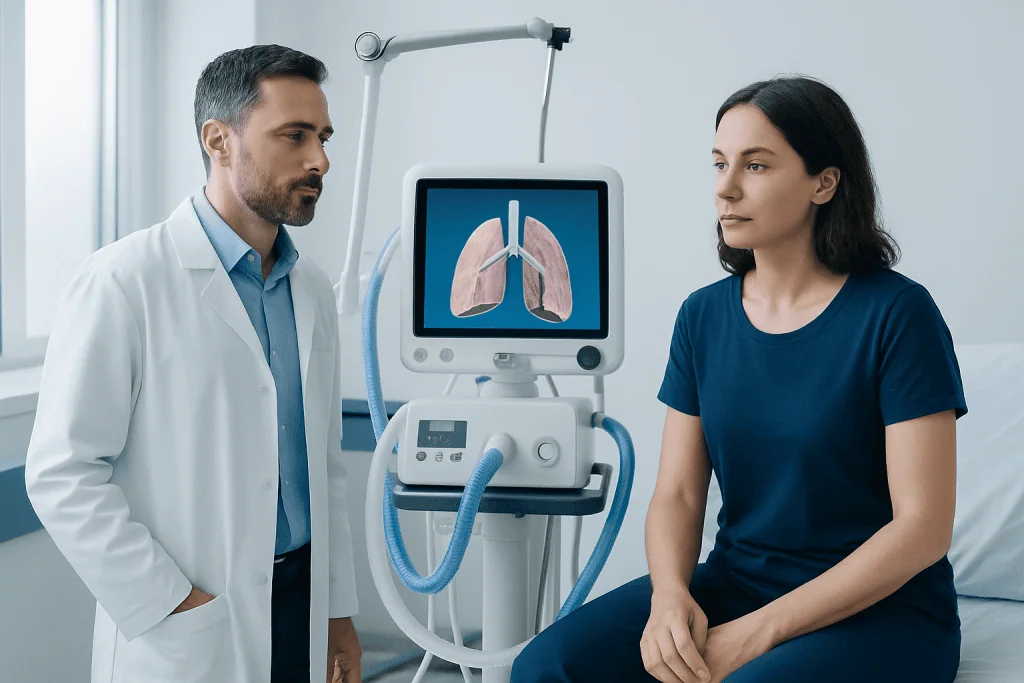
There are several reasons a person may end up living with one lung. One of the most common is surgical removal of a lung, usually because of cancer, severe trauma, serious infection, or advanced damage that cannot be treated in other ways. The operation to remove an entire lung is called a pneumonectomy. In some cases, a less extensive operation, such as a lobectomy, is enough, but this article focuses on the situation where one whole lung is absent or no longer functional.
Some people are born with only one working lung, or with one lung that never developed normally. This is uncommon, but the body may adapt during growth. Others may have one lung that remains present but contributes very little because of scarring, airway blockage, or long-term disease.
Doctors may recommend surgery only after careful evaluation, because removing a lung has a major effect on breathing reserve. In cancer care, for example, the goal is to balance complete treatment of disease with preserving as much lung function as possible. When needed, surgery may be part of a broader plan that can also include lung cancer treatment such as other procedures or oncology care.
Less commonly, a lung may stop functioning well after complications from severe infection, damage to blood flow, or major chest injury. In every case, the key question is not only whether a person has one lung, but how well the remaining lung works and whether the rest of the body can support normal oxygen needs.
What Symptoms or Limitations Can Occur?
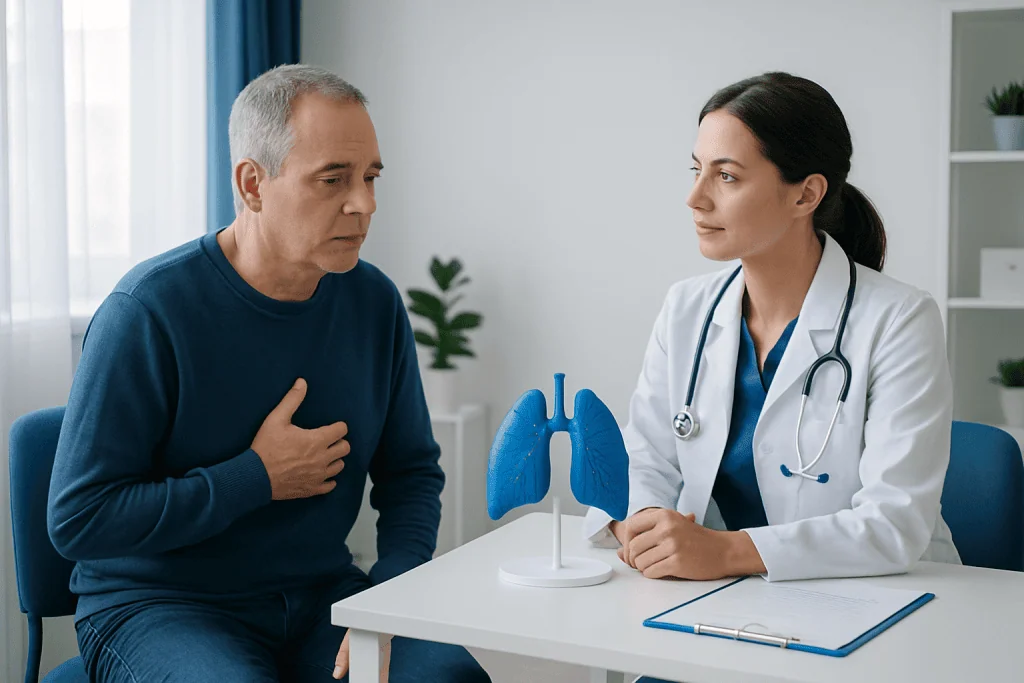
Many people with one lung notice shortness of breath more easily than before, especially during exertion. Climbing stairs, carrying heavy bags, brisk walking, or intense exercise may feel more difficult. This does not always mean something is wrong; it often reflects reduced breathing reserve. Over time, endurance may improve with recovery, training, and pulmonary rehabilitation.
Some people have few symptoms at rest and can manage routine tasks comfortably. Others may experience fatigue, a faster breathing rate, cough, or a feeling of reduced stamina. These differences depend on the remaining lung’s condition and whether there are other medical problems such as obesity, heart disease, sleep apnea, or chronic lung disease.
Common day-to-day challenges may include:
- Becoming breathless during strenuous activity
- Taking longer to recover after exercise
- Finding it harder to tolerate respiratory infections
- Feeling chest tightness or discomfort during early recovery after surgery
- Needing to pace activities and rest more often
Warning signs are different from expected limitations. New or worsening shortness of breath, chest pain, coughing up blood, blue lips, high fever, or confusion need urgent medical attention. These symptoms may suggest infection, a blood clot, heart strain, or another serious complication rather than normal adjustment to one lung.
How Doctors Assess Life with One Lung
When doctors evaluate whether a person can live safely with one lung, they look at much more than a scan image alone. They assess breathing tests, oxygen levels, heart function, exercise tolerance, and overall health. If surgery is being considered, this assessment helps predict how well the person may function afterward and whether alternative treatments would be safer.
Common tests may include pulmonary function tests, imaging such as chest X-ray or computed tomography, and blood oxygen measurement. Some people also need a cardiac evaluation because the heart and lungs work closely together. Exercise testing can show how the body responds to activity and how much reserve remains.
After surgery or in long-term follow-up, doctors continue to monitor symptoms, oxygenation, and the risk of complications. If shortness of breath seems worse than expected, they may look for problems in the remaining lung, such as infection, fluid buildup, airway narrowing, or chronic conditions like COPD.
Assessment is not only about safety; it also helps guide rehabilitation and daily planning. Knowing how the remaining lung performs can help a care team recommend suitable exercise, travel advice, nutrition support, and whether respiratory therapy or a structured medical check-up would be useful over time.
Treatment, Recovery, and Rehabilitation
Living with one lung is not usually treated by replacing the lost lung function directly; instead, care focuses on supporting the remaining lung and helping the body adapt. If a pneumonectomy has been performed, early recovery often includes pain control, breathing exercises, coughing techniques, movement as soon as it is safe, and prevention of complications such as pneumonia or blood clots.
Pulmonary rehabilitation can be especially helpful. This is a supervised program that may include breathing training, gradual physical conditioning, education, and techniques to conserve energy. Such programs can improve confidence, endurance, and quality of life. People often learn how to recognize their limits without becoming overly fearful of activity.
Treatment may also involve managing other conditions that affect breathing. Inhalers, vaccinations, treatment for sleep apnea, weight management, or cardiac care can all make a meaningful difference. If symptoms arise from a condition in the remaining lung, doctors may recommend tests such as bronchoscopy or other targeted therapies depending on the cause.
In selected situations, surgery involving the chest may require ongoing thoracic follow-up. Centers with experience in thoracic surgery can help monitor healing, lung mechanics, and long-term function. Near the end of the care journey, some international patients choose centers such as Acibadem International, where multidisciplinary specialists in JCI-accredited hospitals evaluate and treat complex respiratory and thoracic conditions.
Self-care and Protecting the Remaining Lung
Self-care becomes especially important when there is only one functioning lung. The single most important step is avoiding smoking and secondhand smoke. Tobacco exposure can damage the remaining lung, reduce oxygen exchange, and increase the risk of infection, cancer, and chronic respiratory disease.
Vaccination and infection prevention also matter. Seasonal flu vaccination, up-to-date pneumonia vaccination when appropriate, hand hygiene, and prompt attention to respiratory infections can help protect lung health. For some people, a doctor may advise masks in high-risk environments or caution during periods of heavy air pollution.
Helpful habits often include:
- Staying physically active within a doctor’s recommendations
- Maintaining a healthy weight
- Practicing breathing exercises if prescribed
- Avoiding smoking, vaping, and inhaled irritants
- Managing asthma, allergies, or other chronic conditions carefully
- Keeping regular follow-up appointments
People often ask about exercise, travel, and altitude. Many can travel and remain active, but tolerance varies. Long flights, mountain destinations, or strenuous sports may require planning, especially if oxygen levels run low. A doctor can advise whether oxygen testing, travel clearance, or a gradual conditioning plan is needed.
When to See a Doctor
Anyone living with one lung should have regular medical follow-up, even when feeling well. Routine review helps track lung function, identify changes early, and update vaccinations, rehabilitation plans, or medications. Follow-up is especially important after surgery, cancer treatment, or severe respiratory illness.
A doctor should be consulted if there is increasing breathlessness, reduced exercise tolerance, unexplained fatigue, persistent cough, wheezing, fever, swelling in the legs, or unintentional weight loss. These symptoms do not always signal a serious problem, but they should not be ignored. Early assessment can often prevent a small issue from becoming a larger one.
Emergency care is needed for severe shortness of breath, sudden chest pain, fainting, confusion, blue discoloration of the lips or fingertips, or coughing up significant blood. These symptoms can point to urgent problems such as pulmonary embolism, heart complications, severe infection, or respiratory failure.
With the right support, many people living with one lung do well over the long term. Clear communication with a qualified healthcare team, attention to symptoms, and healthy daily habits can make a meaningful difference in comfort, safety, and independence.
Frequently asked questions
Can a person live a normal life with one lung?
Many people can live a full and independent life with one lung. What feels “normal” varies from person to person, but many return to daily routines, work, and moderate physical activity after recovery. They may still notice lower exercise capacity than before.
How much lung function is lost with one lung?
Overall breathing reserve is reduced, but the exact amount differs widely. The remaining lung can adapt and often becomes more efficient over time. Function depends on age, fitness, and whether the remaining lung is healthy.
Can you exercise with one lung?
Yes, many people can exercise with one lung, especially after medical clearance and gradual conditioning. Walking, cycling, and supervised rehabilitation are often helpful. Very intense activity may be harder, so exercise plans should be individualized.
Is living with one lung dangerous?
Living with one lung is not automatically dangerous, but it does leave less reserve if illness or injury affects the remaining lung. That is why avoiding smoking, preventing infection, and keeping follow-up appointments are important. New breathing symptoms should be checked promptly.
What is recovery like after a lung is removed?
Recovery after pneumonectomy usually takes time and often includes hospital care, pain control, breathing exercises, and gradual increases in activity. Fatigue and shortness of breath with exertion are common early on. Pulmonary rehabilitation may help improve stamina and confidence.
Can people with one lung travel by plane?
Many can travel by plane, but some may need evaluation first, especially if they already have low oxygen levels or become breathless easily. Cabin pressure changes can affect oxygen needs. A doctor can advise whether testing or supplemental oxygen is necessary before travel.
References
- American Lung Association
- National Heart, Lung, and Blood Institute
- National Health Service
- Mayo Clinic
- European Respiratory Society
This article is for general information only and is not a substitute for professional medical advice. Please consult a qualified doctor about your individual situation.
Explore treatments in Turkey — costs, top hospitals & a free quote
JCI-accredited · board-certified surgeons · reply within 24h
Add us as a Preferred Source to see more of our trusted health content across Google Search, AI Overviews and Discover.