Can You Sneeze with Your Eyes Open? Here Is What the Evidence Says
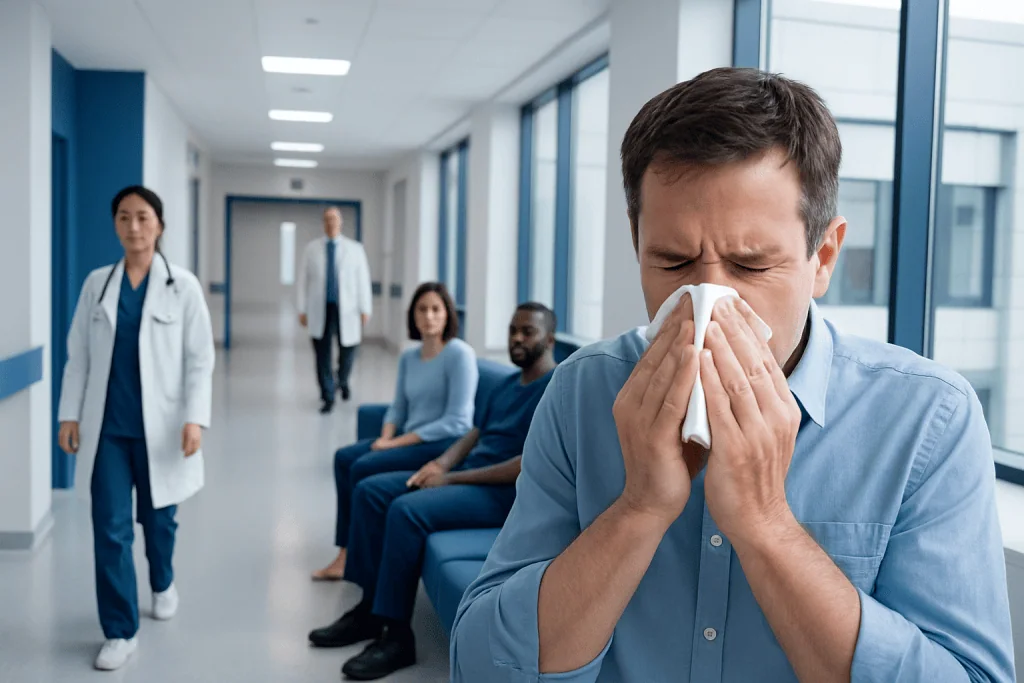
Most people close their eyes during a sneeze because of an automatic protective reflex, not because it is physically impossible to keep them open. Sneezing with the eyes open can occur and is not known to cause the eyes to come out of their sockets.
Key Takeaways
- Most people close their eyes during a sneeze because of an automatic protective reflex, not because it is physically impossible to keep them open.
- Sneezing with the eyes open can occur and is not known to cause the eyes to come out of their sockets.
- A sneeze briefly raises pressure in the nose, chest, and face, but this is not enough to dislodge healthy eyes.
- Frequent sneezing is often linked to allergies, viral infections, irritants, or nasal inflammation.
- Medical assessment is appropriate for persistent symptoms, severe eye pain, vision changes, breathing difficulty, or facial swelling.
Yes, it is possible to sneeze with your eyes open, although the body’s normal sneeze reflex commonly causes the eyelids to close. This is usually harmless, and there is no evidence that keeping the eyes open during a sneeze causes the eyes to pop out.
Can You Sneeze with Your Eyes Open?
Yes, a person can sneeze with their eyes open. For most people, however, the eyelids close automatically as part of the sneeze reflex, so it may feel difficult to resist. This common reflex is generally harmless, whether the eyes close completely or remain partly open.
A persistent myth says that sneezing with open eyes can make the eyes “pop out.” There is no evidence that an ordinary sneeze can dislodge healthy eyes from their sockets. The eyes are held securely in place by bone, connective tissues, muscles, and surrounding fat.
Occasional sneezing is a normal way for the body to clear the nasal passages of irritants. If sneezing is frequent or comes with troublesome nasal, eye, or breathing symptoms, the cause may deserve attention rather than the position of the eyelids during the sneeze.
What Happens in the Body During a Sneeze?
A sneeze is a coordinated reflex, also called sternutation. It often begins when particles such as dust, pollen, smoke, germs, or strong scents irritate the lining of the nose. Nerves in the nasal passages send signals to the brainstem, which organizes a rapid response involving the face, throat, chest, and abdominal muscles.
People usually take a breath, briefly close the airway, and then force air out through the nose and mouth. The release helps expel irritants from the upper airways. Eyelid closure may happen alongside other facial muscle movements, such as tightening around the nose and mouth.
Not every sneeze follows exactly the same pattern. The force of a sneeze, the degree of eyelid closure, and whether one or several sneezes occur can vary between people and from one episode to another. Trying to suppress a sneeze forcefully is usually less comfortable than allowing it to pass safely into a tissue or the elbow crease.
Why Do the Eyes Usually Close?

Eye closure during sneezing is thought to be an involuntary reflex linked to facial nerve activity. The nerves and muscles that coordinate a sneeze are close to those involved in blinking and tightening the eyelids. In other words, the closed eyes are part of a broader, automatic facial response.
The exact purpose of this response is not fully established. It may offer some protection from expelled droplets or from sudden stimulation around the face, but it is not a reliable barrier against infection. Good hand hygiene and covering the nose and mouth are more useful ways to reduce the spread of respiratory viruses.
Some people can deliberately keep their eyes open, especially if they focus on doing so. Others may have only a partial blink. Neither pattern alone indicates an eye or nerve problem. It is also common for a person not to notice what their eyelids did during a quick sneeze.
Can Sneezing Harm the Eyes or Affect Vision?
For most healthy people, a typical sneeze does not harm the eyes or change vision. A sneeze can briefly increase pressure within the chest, head, and blood vessels, which may create a momentary sensation of fullness around the face. This short-lived pressure change is not the same as an eye injury.
Rarely, forceful sneezing may be associated with small broken blood vessels on the white of the eye, causing a painless red patch called a subconjunctival hemorrhage. This can look dramatic but often resolves on its own over days to a few weeks. A clinician should assess recurrent episodes, a painful red eye, or redness after an injury.
Vision changes, severe eye pain, new double vision, or an eye that appears displaced are not normal consequences of an everyday sneeze and should be assessed promptly. These symptoms may point to an unrelated eye condition or an injury requiring care. Information about eye diseases can help patients understand why new visual symptoms should not be ignored.
Common Reasons for Frequent Sneezing
Repeated sneezing is often caused by allergic rhinitis, commonly called hay fever. Pollen, dust mites, mold, pet dander, and other allergens can trigger sneezing along with an itchy nose, runny nose, congestion, and watery or itchy eyes. Symptoms may occur seasonally or throughout the year.
Viral respiratory infections, including the common cold, can also cause sneezing. In these cases, sore throat, cough, fatigue, nasal congestion, or a change in mucus may occur. Irritants such as cigarette smoke, air pollution, perfume, cleaning products, cold air, and spicy food can trigger sneezing in some people without an allergy or infection.
Less commonly, ongoing nasal symptoms may relate to sinus inflammation, structural differences in the nose, or non-allergic rhinitis. A clinician can help distinguish these causes based on the symptom pattern, triggers, duration, and examination findings. For persistent allergy-related symptoms, allergy treatment may include trigger reduction and medically appropriate therapies.
Practical Self-Care for Sneezing and Nasal Irritation
When a sneeze is coming, it is best to let it happen rather than pinch the nose and close the mouth to stop it. Covering the nose and mouth with a tissue, then discarding it and washing the hands, can help limit the spread of respiratory droplets. If no tissue is available, sneezing into the elbow crease is a practical alternative.
For suspected allergies, reducing contact with known triggers may help. Depending on the trigger, useful measures can include keeping windows closed during high-pollen periods, showering after spending time outdoors, changing clothes after exposure, and regularly cleaning bedding and household surfaces. Saline nasal rinses or sprays may relieve dryness and help clear irritants for some people when used correctly.
People should discuss persistent symptoms with a qualified clinician before relying on long-term medication. A doctor or pharmacist can advise whether an antihistamine, nasal treatment, or another approach is appropriate based on the person’s age, medical conditions, pregnancy status, and other medicines.
When to Seek Medical Care
Most isolated sneezes, including sneezes with the eyes open, do not need medical care. A medical review is sensible when sneezing lasts for weeks, repeatedly disrupts sleep or daily activities, or occurs with persistent blocked nose, facial pressure, recurrent nosebleeds, fever, or symptoms that do not improve as expected.
Urgent assessment is appropriate for trouble breathing, swelling of the lips, tongue, or throat, wheezing, faintness, severe headache, significant facial swelling, eye pain, or sudden changes in vision. These symptoms are uncommon, but they may indicate a serious allergic reaction, infection, injury, or another condition that needs prompt care.
During an assessment, a doctor may ask about timing, triggers, home or work exposures, medications, allergies, recent infections, and associated eye or respiratory symptoms. They may examine the nose, throat, ears, chest, and eyes, and may recommend allergy testing or other tests when indicated. Acibadem International’s multidisciplinary specialists and JCI-accredited hospitals diagnose and treat allergy, ENT, and eye concerns for international patients.
Frequently asked questions
Can your eyes pop out if you sneeze with your eyes open?
No. There is no evidence that a normal sneeze can make healthy eyes pop out of their sockets. The eyes are firmly supported by the bony eye sockets and surrounding tissues.
Why is it hard to keep the eyes open during a sneeze?
Sneezing activates an automatic reflex involving several facial muscles and nerves. Closing the eyelids commonly happens at the same time, although some people can keep their eyes open or partly open.
Is sneezing with open eyes dangerous?
For most people, it is not dangerous. Medical advice is appropriate if sneezing is followed by eye pain, an injury, a change in vision, or another unusual symptom.
Can a sneeze cause a red spot in the eye?
A forceful sneeze can rarely break a tiny surface blood vessel in the eye, creating a painless bright red patch. It often clears without treatment, but a clinician should check pain, vision changes, repeated episodes, or redness after trauma.
Why do I sneeze many times in a row?
Multiple sneezes can occur when the nasal lining remains irritated by allergens, a viral infection, smoke, dust, or other triggers. If this is frequent, persistent, or accompanied by troublesome congestion or itchy eyes, an allergy or ENT assessment may help identify the cause.
Should I hold in a sneeze?
It is generally better not to forcefully suppress a sneeze by blocking both the nose and mouth. Instead, sneeze into a tissue or the elbow crease and wash the hands afterward to reduce spread of droplets.
References
- American Academy of Ophthalmology
- American Academy of Allergy, Asthma & Immunology
- Centers for Disease Control and Prevention
- National Institute of Allergy and Infectious Diseases
This article is for general information only and is not a substitute for professional medical advice. Please consult a qualified doctor about your individual situation.
Explore treatments in Turkey — costs, top hospitals & a free quote
JCI-accredited · board-certified surgeons · reply within 24h
Add us as a Preferred Source to see more of our trusted health content across Google Search, AI Overviews and Discover.