

Cancer Screening Tests: Who May Benefit and When to Start

Cancer screening is not the same as diagnostic testing; screening is for people without symptoms. Not every cancer has a recommended screening test, and recommendations vary by individual risk.
Key Takeaways
- Cancer screening is not the same as diagnostic testing; screening is for people without symptoms.
- Not every cancer has a recommended screening test, and recommendations vary by individual risk.
- Common screening programs include breast, cervical, colorectal, lung, prostate, and skin checks in selected people.
- Benefits of screening must be balanced with possible downsides such as false positives, anxiety, and extra procedures.
- A doctor can help decide which cancer screening tests are appropriate and when they should begin.
Cancer screening tests are used to look for certain cancers before symptoms appear. The right test and the right age to start depend on a person’s age, sex, medical history, family history, and other risk factors.
Overview of cancer screening tests
Cancer screening tests are medical tests used to look for signs of certain cancers before a person develops symptoms. The main goal is to detect cancer at an earlier stage, when treatment may be simpler and more effective. Screening may also find precancerous changes, which can sometimes be treated before cancer develops.
Screening is different from testing done to investigate symptoms. If a person has unexplained bleeding, a new lump, ongoing weight loss, or other warning signs, the doctor usually orders diagnostic tests rather than routine screening. Screening is intended for people who feel well and have no clear signs of disease.
Not all cancers can be screened for reliably. A good screening test should be able to find disease early, improve health outcomes, and have acceptable risks. For this reason, only some cancers have widely recommended screening programs, and the exact starting age often depends on personal risk factors.
Who may benefit from cancer screening
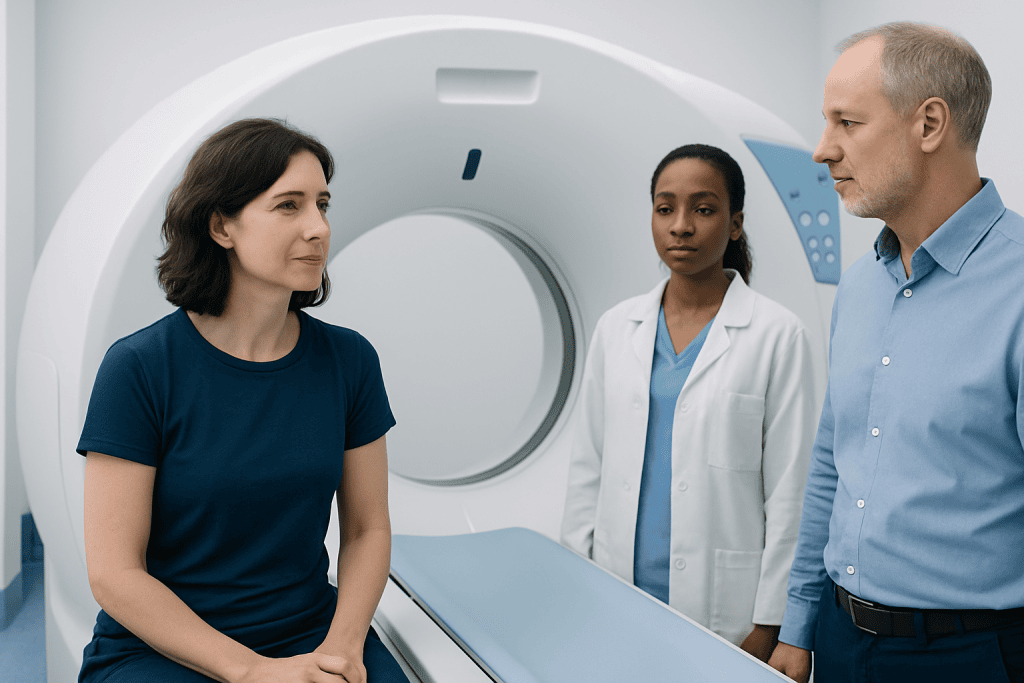
People who may benefit most from cancer screening are those in age groups where a cancer becomes more common and those with risk factors that raise their chance of developing it. Risk can be influenced by family history, inherited genetic conditions, smoking history, previous abnormal screening results, certain infections, hormone exposure, and long-term medical conditions.
For example, a person with a strong family history of breast, ovarian, colon, or prostate cancer may need earlier or more frequent screening than the general population. Someone who has smoked heavily for many years may be eligible for lung cancer screening. People with a weakened immune system or persistent human papillomavirus infection may need closer follow-up for cervical disease.
At the same time, screening is not automatically helpful for everyone. In people with very limited life expectancy or significant illness, the potential burdens of screening may outweigh the benefits. Shared decision-making with a qualified doctor helps match screening plans to a person’s age, overall health, values, and risk level.
Common cancer screening tests and when they may start

Several cancer screening tests are commonly recommended, but the exact age to begin varies among countries and professional organizations. Breast cancer screening often uses mammography, typically starting in midlife for average-risk women, with earlier assessment for those at higher risk. In some cases, breast MRI may be used in addition to mammography for people with a strong inherited risk of breast cancer.
Cervical cancer screening is usually done with an HPV test, a Pap test, or both, beginning in early adulthood and continuing at regular intervals through midlife and, in some cases, later. Colorectal cancer screening often begins around age 45 for average-risk adults and may be done with stool-based tests, colonoscopy, or other approved methods. People with inflammatory bowel disease, a personal history of polyps, or a family history of colon cancer may need a different schedule.
Lung cancer screening is generally considered for adults with a significant smoking history using low-dose CT scanning. Prostate cancer screening may involve a blood test called PSA, sometimes combined with a physical examination, but it is not a one-size-fits-all decision. Skin examinations can also be useful for people at higher risk of skin cancer, especially those with many moles, fair skin, heavy sun exposure, or a history of skin cancer.
- Breast cancer: mammography, sometimes with MRI in higher-risk patients
- Cervical cancer: HPV test, Pap test, or both
- Colorectal cancer: stool tests, colonoscopy, or other approved tests
- Lung cancer: low-dose CT in selected current or former smokers
- Prostate cancer: individualized discussion about PSA-based screening
How doctors decide when to start screening
Doctors do not rely on age alone. They also consider family history, personal medical history, smoking exposure, reproductive history, prior biopsies, genetic testing results, and ethnicity where relevant. A person with a parent, sibling, or child who had cancer at a young age may need an earlier evaluation.
Inherited cancer syndromes can significantly change screening plans. Conditions linked to BRCA gene changes, Lynch syndrome, and other hereditary disorders may require more intensive surveillance, sometimes beginning well before the standard age. These decisions are highly individualized and may involve genetic counseling.
Doctors also look at a person’s ability to benefit from screening over time. Screening is usually most helpful when life expectancy is long enough for early detection to make a difference. Because guidance may change as evidence evolves, it is wise to review screening needs regularly during routine checkups.
Benefits, limits, and possible downsides
The main benefit of cancer screening is the chance to detect cancer earlier or prevent it by identifying precancerous changes. Earlier detection can sometimes lead to less extensive treatment and improved outcomes. For some cancers, screening has been shown to reduce the risk of dying from the disease in properly selected groups.
However, screening also has limits. A normal result does not guarantee that cancer is absent, and an abnormal result does not always mean cancer is present. False-positive results can lead to worry, repeat imaging, or biopsies that turn out to be unnecessary. False-negative results may give false reassurance.
Another possible downside is overdiagnosis, which means finding a slow-growing cancer that might never have caused harm during a person’s lifetime. Some screening tests also involve preparation, discomfort, radiation exposure, or small procedural risks. These factors are why screening decisions should be based on evidence and tailored to the individual rather than done automatically.
What to expect during diagnosis and follow-up
If a screening test is abnormal, the next step is usually not immediate treatment but more evaluation. This may include repeat testing, targeted imaging, endoscopy, or a biopsy to clarify whether cancer or a precancerous change is present. Many abnormal screening results are ultimately found not to be cancer.
Follow-up is an important part of safe screening. Missing a recommended repeat test or delaying evaluation after an abnormal result can reduce the value of screening. Keeping records of past mammograms, Pap tests, colonoscopies, or PSA results helps doctors compare changes over time and plan next steps appropriately.
Some people benefit from coordinated care involving radiologists, pathologists, primary care physicians, surgeons, and medical specialists. When advanced testing or treatment is needed, options may include biopsy, PET-CT imaging, or colonoscopy depending on the organ system involved and the screening result.
Prevention, self-care, and lowering cancer risk
Screening is only one part of cancer prevention. Healthy habits can lower the risk of many cancers, even though they cannot prevent every case. Avoiding tobacco, limiting alcohol, maintaining a healthy weight, staying physically active, protecting the skin from excessive sun, and eating a balanced diet all support long-term health.
Vaccination also plays a role. HPV vaccination helps reduce the risk of cancers linked to human papillomavirus, and hepatitis B vaccination lowers the risk of chronic infection that can lead to liver cancer. People should also follow medical advice for managing conditions that may increase cancer risk.
Keeping routine healthcare appointments makes prevention more effective. During these visits, doctors can review family history, update risk factors, and recommend age-appropriate tests. Near the end of the care pathway, some international patients may seek evaluation at centers such as Acibadem International, where multidisciplinary specialists at JCI-accredited hospitals diagnose and treat cancer-related conditions.
When to see a doctor
A person should speak with a doctor if they are unsure which cancer screening tests apply to them or when to begin. This is especially important for anyone with a strong family history of cancer, known genetic risk, prior precancerous findings, or a past cancer diagnosis. A doctor can help create a screening schedule based on individual needs.
Medical advice should also be sought promptly if symptoms appear. Warning signs can include a new lump, unexplained bleeding, a change in bowel habits, persistent cough, unintentional weight loss, a sore that does not heal, or unusual changes in the skin. These symptoms do not always mean cancer, but they should not be ignored.
Regular screening works best when combined with attention to new symptoms and follow-up care. Anyone considering starting, delaying, or stopping screening should discuss the potential benefits and risks with a qualified healthcare professional.
Frequently asked questions
What are cancer screening tests?
Cancer screening tests are tests used to look for certain cancers before symptoms develop. They are meant for people who feel well, not for diagnosing the cause of a new symptom.
At what age should cancer screening start?
There is no single age that applies to every test or every person. The best time to start depends on the type of cancer, average-risk recommendations, and personal factors such as family history, smoking history, or genetic risk.
Does everyone need the same cancer screening tests?
No. Screening recommendations vary by sex, age, health history, and risk level. Some people need earlier or more frequent screening, while others may not benefit from certain tests at all.
Can screening find all cancers early?
No screening test can find every cancer. Some cancers do not have reliable screening tests, and even recommended tests can miss disease or produce unclear results that need more evaluation.
What happens if a screening test is abnormal?
An abnormal result usually means more testing is needed, not that cancer is definitely present. Follow-up may include repeat screening, imaging, endoscopy, or a biopsy to better understand the finding.
Are there risks to cancer screening?
Yes, although many screening tests are safe, they can still lead to false-positive or false-negative results, anxiety, and additional procedures. Some tests also involve preparation, radiation, or small procedural risks.
Should screening continue forever?
Not always. The decision to continue or stop screening depends on age, overall health, prior results, and whether a person is likely to benefit from early detection in the future. This should be reviewed with a doctor on a regular basis.
References
- World Health Organization
- American Cancer Society
- U.S. Preventive Services Task Force
- National Cancer Institute
- Centers for Disease Control and Prevention
This article is for general information only and is not a substitute for professional medical advice. Please consult a qualified doctor about your individual situation.
Medical weight-loss options in Turkey — costs & eligibility
JCI-accredited · board-certified surgeons · reply within 24h
Add us as a Preferred Source to see more of our trusted health content across Google Search, AI Overviews and Discover.

More from the Health Library



Related Specialists

Asst. Prof. Dr. Emel Uğur
Audiology
Prof. Dr. Faik Acar Koç
Perinatology & High Risk Pregnancies
Dr. Bülent Yücel
Orthopedic Surgery & Traumatology
Dr. Nebahat Bilici
Neurology