

Cardiac Arrest Treatment: How It Works, Results and What to Expect
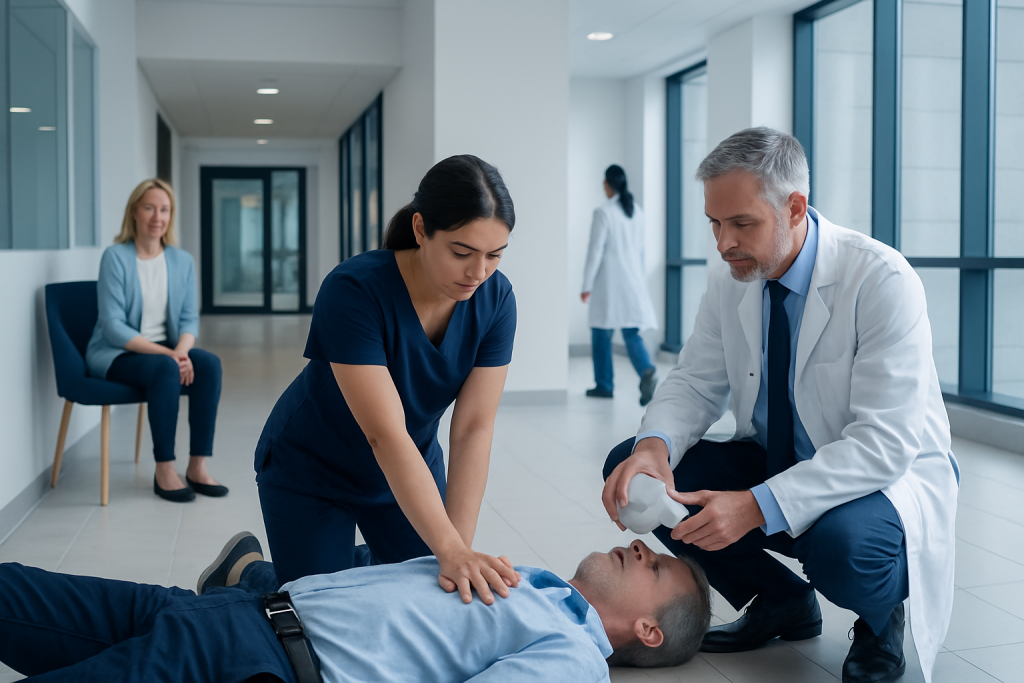
Cardiac arrest is a medical emergency in which the heart suddenly stops pumping blood effectively. Call emergency services, begin CPR and use an automated external defibrillator (AED) as soon as one is available.
Key Takeaways
- Cardiac arrest is a medical emergency in which the heart suddenly stops pumping blood effectively.
- Call emergency services, begin CPR and use an automated external defibrillator (AED) as soon as one is available.
- Treatment continues after the heartbeat returns, often including intensive care, tests and treatment for the cause.
- Recovery varies and may involve heart rehabilitation, neurological assessment and emotional support.
- People with known heart disease may benefit from a personalized prevention and follow-up plan.
Cardiac arrest treatment begins immediately with high-quality CPR and rapid defibrillation when appropriate, followed by intensive hospital care to stabilize the person and address the underlying cause. Fast action by bystanders, emergency teams and cardiac specialists can improve the chance of survival and meaningful recovery.
Overview: how cardiac arrest treatment works
Cardiac arrest treatment is an emergency response designed to restore blood flow to the brain and other organs as quickly as possible. It starts with calling local emergency services, beginning cardiopulmonary resuscitation (CPR) and using an automated external defibrillator (AED) if one is available. These steps can keep oxygenated blood moving until trained professionals take over.
Cardiac arrest is not the same as a heart attack, although a heart attack can sometimes trigger cardiac arrest. During cardiac arrest, the heart may beat in a dangerously disorganized rhythm or stop pumping effectively. Without immediate treatment, it can be fatal within minutes, so it should always be treated as an emergency.
After circulation returns, care shifts toward protecting the brain and organs, identifying why the arrest happened and reducing the risk of another event. The treatment plan depends on the heart rhythm, the likely cause, the person’s overall health and how they respond to early resuscitation.
Recognizing cardiac arrest and acting immediately

A person in cardiac arrest is typically unresponsive, not breathing normally, or only gasping. Their pulse may be absent, but members of the public should not delay action while trying to check for a pulse. Occasional gasping is not normal breathing and should be treated as a possible cardiac arrest.
The most important actions are to call emergency services, ask someone to bring an AED and begin chest compressions. Place the heel of one hand in the center of the chest, place the other hand on top and press firmly and quickly. Continue until emergency professionals arrive, the AED instructs otherwise or the person shows clear signs of recovery.
AEDs are designed to guide untrained users with voice or visual instructions. If the device identifies a shockable rhythm, it may advise a shock. It will not advise a shock when it is not appropriate. Prompt CPR and AED use are central parts of cardiac arrest treatment and should not be delayed while waiting for an ambulance.
Who may need treatment and what causes cardiac arrest

Anyone can experience cardiac arrest, including people without a previously diagnosed heart condition. It is more common in people with coronary artery disease, previous heart attack, heart failure, cardiomyopathy, inherited heart rhythm conditions or significant structural heart disease. Some cases occur during intense physical activity, while others happen during rest or sleep.
Common causes include a heart attack, ventricular fibrillation or ventricular tachycardia, severe electrolyte disturbances, major blood loss, severe lack of oxygen, drug toxicity and serious trauma. In younger people, inherited rhythm disorders or cardiomyopathies may be considered. Clinicians assess each case carefully because finding the cause guides future treatment.
Risk can be increased by smoking, uncontrolled high blood pressure, diabetes, high cholesterol, obesity, sleep apnea, stimulant drug use and a family history of sudden cardiac death. These factors do not mean that cardiac arrest will occur, but they are useful reasons to discuss heart health and prevention with a qualified clinician.
Related cardiovascular conditions may need ongoing assessment and management, including coronary artery disease and heart rhythm disorders. A specialist may also recommend screening for close relatives when an inherited condition is suspected.
Emergency and hospital treatment step by step
Professional emergency treatment follows established resuscitation protocols. Paramedics continue CPR, assess the heart rhythm, deliver defibrillation when indicated, support breathing and provide medications or other measures appropriate to the situation. The priority is to restore a sustainable heartbeat and adequate oxygen delivery.
In hospital, the person is usually cared for in an emergency department or intensive care unit. The team may use blood tests, electrocardiography, echocardiography, coronary imaging and other investigations to identify the cause. Ventilator support, blood-pressure medicines, treatment for electrolyte abnormalities and careful temperature management may be needed in selected patients.
If a blocked coronary artery caused the event, urgent coronary angioplasty and stent placement may be used to restore blood flow to the heart. Some people require surgery, treatment for heart failure or management of an underlying infection, lung problem or medication-related cause.
For people at ongoing risk of dangerous rhythms, clinicians may discuss an implantable cardioverter-defibrillator (ICD) after recovery. An ICD monitors heart rhythm and can provide treatment if a life-threatening rhythm occurs. It is not needed by everyone; the decision is individualized after a full cardiac evaluation.
Benefits, limitations and possible risks of treatment
The immediate benefit of CPR and defibrillation is the possibility of restoring circulation before prolonged oxygen deprivation damages vital organs. Defibrillation is especially effective for certain abnormal rhythms when delivered promptly. Advanced hospital care can then treat reversible causes and help prevent complications.
Even with rapid treatment, outcomes vary. They are influenced by how quickly CPR began, whether a shockable rhythm was present, the cause of the arrest, the person’s health before the event and the duration of reduced blood flow. No emergency intervention can guarantee recovery, but prompt action provides the best opportunity for survival.
CPR can cause rib or breastbone injuries, bruising and, less commonly, injuries to internal organs. These risks are outweighed by the immediate danger of untreated cardiac arrest. Hospital treatments also have potential risks, such as bleeding from procedures, infection, medication side effects or complications related to intensive care, which clinicians monitor closely.
Some survivors experience changes in memory, concentration, mood, sleep or physical strength. Early recognition of these concerns allows the care team to organize rehabilitation, neurological assessment and psychological support where needed.
Recovery timeline and longer-term care
Recovery after cardiac arrest is highly individual. Some people wake and stabilize within days, while others require a longer period of intensive care, respiratory support and neurological observation. The early hospital phase focuses on safe awakening, organ recovery, managing complications and understanding the cause of the arrest.
After discharge, follow-up commonly includes cardiology appointments, medication review and cardiac rehabilitation. Cardiac rehabilitation can combine supervised activity, education, nutrition guidance and support for returning safely to everyday routines. The pace of return to work, driving, exercise and travel should be discussed with the treating team.
Families may also need support after such a sudden event. It can be helpful to ask about warning symptoms, medication schedules, rehabilitation goals, CPR training and whether relatives should receive heart screening. Counseling or peer support may help survivors and caregivers process anxiety, low mood or changes in confidence.
Acibadem International’s multidisciplinary specialists and JCI-accredited hospitals diagnose and treat cardiac conditions for international patients, with follow-up plans tailored to the individual’s medical needs.
Prevention and self-care after cardiac arrest
Not every cardiac arrest can be prevented, but managing cardiovascular risk factors is important. This may include taking prescribed medicines consistently, attending follow-up appointments, controlling blood pressure, cholesterol and diabetes, avoiding tobacco and limiting alcohol as advised by a clinician.
Heart-healthy habits include regular physical activity appropriate for the person’s condition, a balanced eating pattern, adequate sleep and stress management. After cardiac arrest, activity should be restarted only according to the care team’s advice, especially if there is heart muscle damage, an ICD or recent coronary treatment.
People with an ICD should learn how the device works, carry relevant medical information and report symptoms or shocks as instructed. It is also useful for household members and colleagues to learn CPR and know where nearby AEDs are located. A personalized emergency plan can provide reassurance without replacing routine medical care.
When to seek medical care
Call emergency services immediately if someone is unresponsive and not breathing normally or is only gasping. Start CPR and use an AED as soon as possible. Do not drive the person to hospital or wait to see whether they improve.
Urgent medical assessment is also important for new chest pain or pressure, severe shortness of breath, fainting, sustained palpitations, unexplained seizure-like activity or a sudden collapse followed by recovery. These symptoms do not always mean cardiac arrest is imminent, but they can signal a serious heart problem.
People who have survived cardiac arrest should seek prompt advice for worsening breathlessness, chest discomfort, repeated fainting, new confusion, fever after an invasive procedure or an ICD shock. The treating team can explain which symptoms require emergency help and which can be discussed at a scheduled appointment.
Frequently asked questions
What is the first treatment for cardiac arrest?
The first treatment is to call emergency services and start CPR immediately. An AED should be used as soon as it is available, following its instructions. Early CPR and defibrillation can be life-saving.
Can a person recover fully after cardiac arrest?
Some people recover with few long-term effects, while others need ongoing support for heart, brain or physical recovery. Outcome depends on factors such as the cause, how quickly CPR started and how soon circulation was restored. Follow-up care helps identify and manage recovery needs.
Is cardiac arrest the same as a heart attack?
No. A heart attack occurs when blood flow to part of the heart muscle is blocked, while cardiac arrest occurs when the heart stops pumping blood effectively. A heart attack can sometimes lead to cardiac arrest, but they are different emergencies.
Will every cardiac arrest require an ICD?
No. An ICD may be recommended for people who remain at significant risk of a dangerous heart rhythm, but it is not appropriate for every survivor. The decision depends on the cause of the arrest, heart function and results of further testing.
How long does recovery after cardiac arrest take?
Recovery can range from days to many months and differs between individuals. Physical strength, thinking skills, mood and heart health may all need time and support. Cardiac rehabilitation and regular follow-up can help guide a safe return to daily activities.
Can family members be tested after an unexplained cardiac arrest?
Yes, in some situations. If clinicians suspect an inherited heart rhythm or heart muscle condition, they may recommend assessment for close relatives. This can include medical history review, examination, ECG testing and other tests when appropriate.
References
- American Heart Association
- European Resuscitation Council
- American College of Cardiology
- National Heart, Lung, and Blood Institute
- World Health Organization
This article is for general information only and is not a substitute for professional medical advice. Please consult a qualified doctor about your individual situation.
Heart care in Turkey — expert evaluation and treatment
JCI-accredited · board-certified surgeons · reply within 24h
Add us as a Preferred Source to see more of our trusted health content across Google Search, AI Overviews and Discover.
Check your numbers in seconds
BMI, calories, due date, blood pressure and 30+ more clinical calculators — free, instant, doctor-reviewed ranges.

More from the Health Library



Related Specialists

Prof. Dr. İbrahim Tuncay
Orthopedic Surgery & Traumatology
Prof. Dr. Gökhan Pekel
Ophthalmology
Dr. Mehmet Gürcan
Orthopedic Surgery & Traumatology
Dr. Ebru Özdemir
General Surgery