Cardiac Enlargement: A Complete Medical Overview

Cardiac enlargement describes an enlarged heart seen on imaging or confirmed with further heart tests. High blood pressure, heart valve disease, coronary artery disease and heart muscle disorders are common causes.
Key Takeaways
- Cardiac enlargement describes an enlarged heart seen on imaging or confirmed with further heart tests.
- High blood pressure, heart valve disease, coronary artery disease and heart muscle disorders are common causes.
- Some people have no symptoms, while others may develop breathlessness, tiredness, swelling or palpitations.
- An enlarged heart requires evaluation because treating the underlying cause may prevent further heart damage.
- Sudden chest pain, severe shortness of breath, fainting or symptoms of stroke need urgent medical care.
Cardiac enlargement, also called cardiomegaly, is not a disease on its own but a finding that can indicate the heart is working harder than usual or has been affected by another condition. The outlook depends on the cause, how early it is identified, and whether appropriate treatment can reduce strain on the heart.
What Is Cardiac Enlargement?
Cardiac enlargement means that the heart appears bigger than expected. The medical term is cardiomegaly. It may be noticed on a chest X-ray, but an X-ray alone cannot explain why the heart looks enlarged or confirm how well it is functioning. Further tests are usually needed to assess the heart’s chambers, muscle, valves and pumping ability.
The heart may enlarge because its muscular walls become thicker, because one or more chambers stretch and widen, or through a combination of both. These changes can develop gradually when the heart has to pump against increased pressure or handle extra blood volume. In some situations, enlargement follows injury or weakening of the heart muscle.
Cardiac enlargement is an important sign rather than a diagnosis by itself. It does not always mean a person will feel unwell, and it is not always permanent. Identifying the underlying reason allows clinicians to recommend treatment aimed at reducing symptoms, protecting heart function and lowering the risk of complications.
How an Enlarged Heart Can Affect the Body
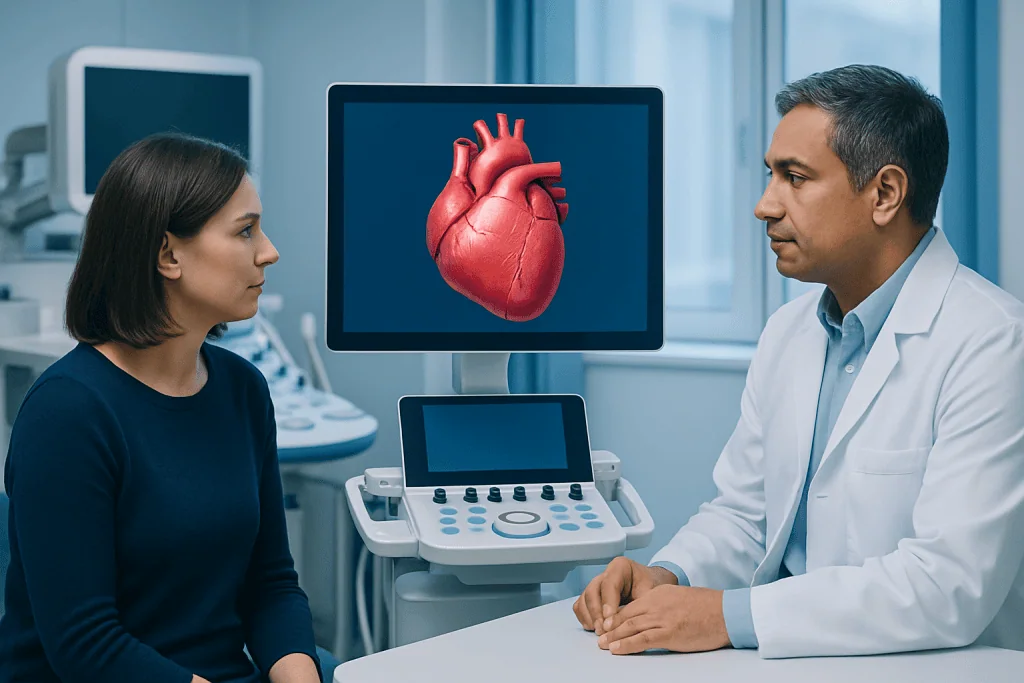
A healthy heart pumps blood efficiently to supply the body with oxygen and nutrients. When the heart becomes enlarged, it may initially compensate by contracting more forcefully or by holding more blood. Over time, however, an enlarged or thickened heart may become stiffer, weaker or less efficient at filling and pumping.
The effects depend on which part of the heart is involved. Enlargement on the left side may be linked with high blood pressure or aortic valve disease, while right-sided enlargement may occur with lung conditions, <a href="https://acibademinternational.com/diseases/pulmonary-hypertension/”>pulmonary hypertension or certain congenital heart conditions. Enlargement of both sides can occur in more widespread heart muscle disease or advanced heart failure.
Not every enlarged heart has the same outlook. For example, short-term changes can occur during pregnancy or with intensive athletic training, and these may be physiological rather than harmful. A doctor considers a person’s symptoms, medical history, examination findings and test results before deciding whether the enlargement reflects an underlying heart problem.
Symptoms of Cardiac Enlargement

Some people with cardiac enlargement have no noticeable symptoms, particularly when the change is mild or develops slowly. It may be found incidentally during an X-ray, electrocardiogram or scan performed for another reason. Even without symptoms, follow-up is important to clarify the cause.
When symptoms do occur, they often reflect reduced pumping efficiency, fluid retention or an abnormal heart rhythm. Symptoms can include breathlessness during activity or when lying down, unusual tiredness, reduced exercise tolerance, ankle or leg swelling, unexplained weight gain from fluid, and a persistent cough or wheeze that is worse when lying down.
Some people notice a fast, fluttering or irregular heartbeat, dizziness, chest discomfort or fainting. These symptoms do not always indicate an enlarged heart, but they should be discussed with a qualified clinician. Their timing, severity and relation to activity can provide useful clues during assessment.
- Breathlessness that is new, worsening or limits everyday activity
- Swelling of the feet, ankles, legs or abdomen
- Palpitations, dizziness or episodes of fainting
- Persistent fatigue or a decline in usual physical stamina
Causes and Risk Factors
Long-standing high blood pressure is one of the most common reasons for cardiac enlargement. When blood pressure remains elevated, the heart must pump against greater resistance. The left ventricle may thicken and later become less flexible or enlarged. Regular blood pressure checks and effective management are therefore important for heart health.
Other possible causes include coronary artery disease and previous heart attack, heart valve disorders, congenital heart disease, abnormal heart rhythms and cardiomyopathy. Cardiomyopathy refers to diseases of the heart muscle that can make it thick, stiff, enlarged or weak. Viral inflammation of the heart muscle, called myocarditis, may also lead to enlargement in some cases.
Additional contributors can include severe anemia, thyroid disorders, chronic kidney disease, diabetes, obesity, sleep apnea, heavy alcohol use and some medicines or substances that affect the heart. Pregnancy-related cardiomyopathy is uncommon but can occur during the last month of pregnancy or in the months following delivery. Family history can be relevant, especially when cardiomyopathy or sudden cardiac death has occurred in close relatives.
Risk factors do not prove that a person has cardiac enlargement. However, they help clinicians decide which evaluations may be appropriate and highlight opportunities to address modifiable factors such as high blood pressure, smoking, inactivity and excess alcohol intake.
How Cardiac Enlargement Is Diagnosed
Assessment begins with a medical history and physical examination. A clinician may ask about breathlessness, chest symptoms, swelling, palpitations, infections, pregnancy history, alcohol use, medicines and family history. During the examination, they may check blood pressure, heart rhythm, signs of fluid retention and heart murmurs that can suggest a valve problem.
A chest X-ray can show whether the heart silhouette appears enlarged, but it cannot reliably distinguish between chamber enlargement, thickened muscle and fluid around the heart. An electrocardiogram, also called an ECG or EKG, records the heart’s electrical activity and can identify rhythm disturbances, prior heart injury or patterns that suggest thickened heart muscle.
An echocardiogram is often a key test because ultrasound images show the heart’s size, chamber structure, valve movement and pumping function. Depending on the findings, a clinician may also request blood tests, ambulatory rhythm monitoring, exercise testing, cardiac MRI, CT imaging or coronary artery assessment. These tests help determine the cause and guide a tailored care plan.
It is useful for patients to bring a list of medicines and supplements, prior test results and information about family heart conditions to an appointment. This can help the care team interpret findings more accurately and avoid unnecessary repetition of tests.
Treatment Options and Ongoing Care
Treatment for cardiac enlargement focuses on the condition causing it. For example, controlling high blood pressure, treating a valve disorder, managing coronary artery disease or addressing an abnormal rhythm may reduce strain on the heart. The plan is individualized and depends on symptoms, heart function, test results and other health conditions.
Medicines may be prescribed to lower blood pressure, remove excess fluid, support heart pumping, slow or regulate the heart rhythm, or reduce the risk of blood clots when clinically appropriate. Patients should take medicines as directed and should not stop a heart medicine suddenly unless a clinician advises it. Regular monitoring can help adjust treatment safely.
Some people may benefit from procedures such as coronary intervention, valve repair or replacement, rhythm treatment, or an implanted device that helps manage dangerous rhythms or supports coordinated heart contraction. In selected cases of severe heart failure, advanced therapies may be considered by a specialist heart team. The need for these options varies widely and is determined after careful evaluation.
Follow-up appointments are an important part of care. Repeat imaging or blood tests may be used to monitor heart size, pumping ability and response to treatment. Acibadem International’s multidisciplinary specialists and JCI-accredited hospitals evaluate and treat heart conditions for international patients, with care plans guided by individual clinical findings.
Prevention and Everyday Self-Care
Not every cause of cardiac enlargement can be prevented, particularly inherited or congenital conditions. However, heart-healthy habits can lower the risk of several common contributing conditions and support treatment. Managing blood pressure, cholesterol and blood sugar with a healthcare professional is especially important.
A balanced eating pattern that emphasizes vegetables, fruits, whole grains, legumes and appropriate protein sources can support cardiovascular health. People who retain fluid or have heart failure may receive specific advice about salt, fluid intake and daily weight monitoring. These instructions should be personalized rather than copied from another person’s plan.
Regular physical activity is beneficial for many people, but the safest type and intensity depend on the cause of the enlarged heart and current symptoms. A clinician may recommend gradual activity, cardiac rehabilitation or temporary restrictions. Avoiding tobacco, limiting alcohol, sleeping adequately and discussing possible sleep apnea can also reduce cardiovascular strain.
Patients should keep follow-up appointments and report changes such as increasing breathlessness, new swelling, rapid weight gain, chest discomfort or more frequent palpitations. Early review may allow treatment to be adjusted before symptoms become more severe.
When to Seek Medical Care
A person should arrange a medical assessment if they have ongoing breathlessness, swelling, palpitations, unexplained fatigue, reduced ability to exercise or a new finding of an enlarged heart on an imaging test. These symptoms can have many causes, but prompt evaluation helps clarify whether the heart is involved and whether treatment is needed.
Urgent medical care is needed for chest pain or pressure that is severe, persistent or associated with sweating, nausea or breathlessness. Immediate assessment is also important for severe difficulty breathing, fainting, a very rapid or irregular heartbeat with dizziness, or symptoms of stroke such as sudden facial drooping, arm weakness, speech difficulty or confusion.
People with known heart disease should follow the action plan provided by their healthcare team. If symptoms are worsening despite prescribed treatment, they should not wait for a routine appointment. Seeking timely advice can help clinicians assess fluid balance, heart rhythm and other possible causes of deterioration.
Frequently asked questions
Is cardiac enlargement the same as heart failure?
No. Cardiac enlargement describes a change in the size or shape of the heart, while heart failure is a clinical condition in which the heart cannot pump or fill effectively enough to meet the body’s needs. An enlarged heart can contribute to heart failure, but not everyone with cardiac enlargement has heart failure.
Can cardiac enlargement be reversed?
In some cases, heart enlargement may improve when the cause is treated, such as when blood pressure is controlled or a valve problem is corrected. In other cases, especially with long-standing heart muscle damage, the changes may not fully reverse. Treatment can still improve symptoms and help protect remaining heart function.
Can stress cause an enlarged heart?
Everyday stress does not usually directly cause cardiac enlargement. However, persistent stress may affect sleep, blood pressure, smoking, alcohol use and other factors that influence heart health. Rarely, severe emotional or physical stress can trigger a temporary heart muscle condition that requires medical assessment.
Is exercise safe with an enlarged heart?
Exercise may be helpful for many people, but safety depends on the cause of the enlargement, heart function, symptoms and any rhythm concerns. A doctor can advise on suitable activity levels and may recommend supervised cardiac rehabilitation. People should avoid starting strenuous exercise without advice if they have symptoms or a newly diagnosed heart condition.
How serious is cardiac enlargement?
Its seriousness varies considerably. Some cases are mild or temporary, while others reflect conditions that need ongoing treatment, such as uncontrolled high blood pressure, valve disease or cardiomyopathy. The cause, symptoms, pumping function and response to treatment provide a clearer indication of outlook than heart size alone.
What tests confirm an enlarged heart?
A chest X-ray may suggest an enlarged heart, but an echocardiogram is commonly used to assess chamber size, heart muscle thickness, valves and pumping ability. ECG, blood tests, cardiac MRI, CT scans and rhythm monitoring may also be used when needed to identify the underlying cause.
References
- American Heart Association
- National Heart, Lung, and Blood Institute
- Mayo Clinic
- European Society of Cardiology
- National Health Service
This article is for general information only and is not a substitute for professional medical advice. Please consult a qualified doctor about your individual situation.
Heart care in Turkey — expert evaluation and treatment
JCI-accredited · board-certified surgeons · reply within 24h
Add us as a Preferred Source to see more of our trusted health content across Google Search, AI Overviews and Discover.
Check your numbers in seconds
BMI, calories, due date, blood pressure and 30+ more clinical calculators — free, instant, doctor-reviewed ranges.