Cardiac Rehabilitation: Supervised Recovery After Heart Disease Treatment
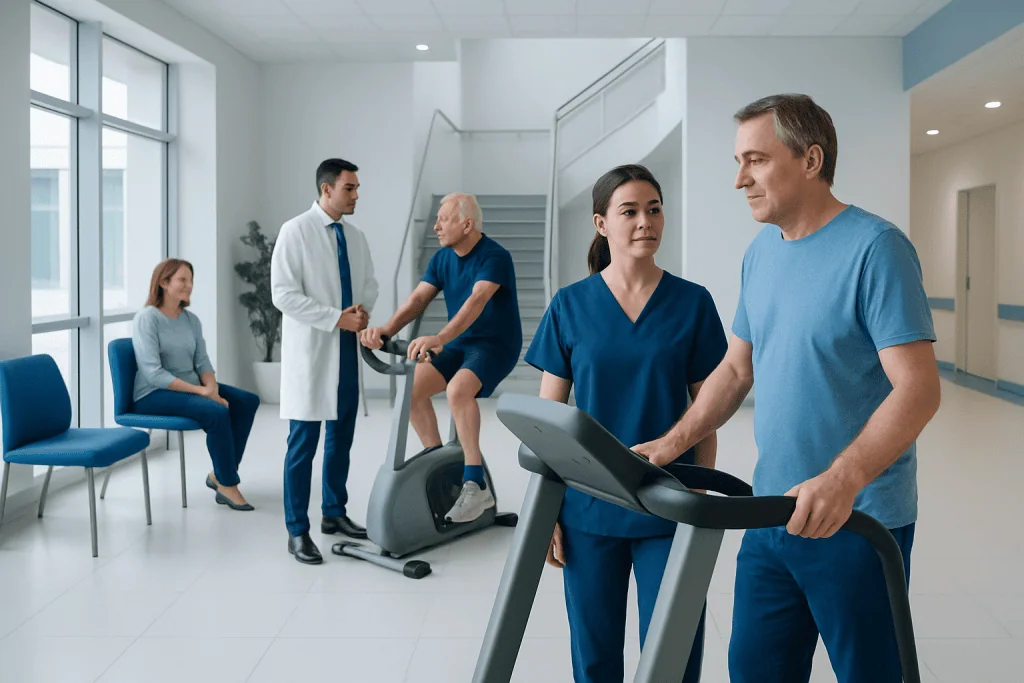
Cardiac rehabilitation is recommended for many people after heart attack, coronary stenting, bypass surgery, valve procedures, heart failure or other cardiac events. A typical program includes supervised exercise, education about heart-healthy living, medication support, nutrition guidance and emotional wellbeing care.
Key Takeaways
- Cardiac rehabilitation is recommended for many people after heart attack, coronary stenting, bypass surgery, valve procedures, heart failure or other cardiac events.
- A typical program includes supervised exercise, education about heart-healthy living, medication support, nutrition guidance and emotional wellbeing care.
- The program is tailored to each person’s diagnosis, fitness level, symptoms, medical history and recovery goals.
- Cardiac rehabilitation can improve confidence, physical capacity and quality of life when followed consistently and safely.
- People should start cardiac rehabilitation only after medical clearance and should report chest discomfort, unusual breathlessness, dizziness or palpitations promptly.
Cardiac rehabilitation is a medically supervised program that helps people recover safely after a heart attack, heart surgery or other heart disease treatment. It combines monitored exercise, education, emotional support and lifestyle guidance to improve daily function and long-term heart health.
Overview
Cardiac rehabilitation, often called cardiac rehab, is a structured recovery program for people who have had a heart attack, heart surgery, coronary angioplasty or stent placement, heart failure treatment, valve intervention or another significant heart condition. It is not simply an exercise class. It is a coordinated medical program designed to help the heart and the whole person recover in a safe, gradual and informed way.
The core aim is to help patients return to daily life with greater strength, confidence and understanding of their heart condition. A cardiac rehabilitation team may include cardiologists, rehabilitation physicians, nurses, physiotherapists, exercise specialists, dietitians, psychologists and other professionals. Together, they create an individualized plan based on the person’s diagnosis, treatment, current symptoms, medications, test results and personal goals.
Programs may be offered in hospitals, outpatient clinics, rehabilitation centers or, for selected stable patients, through home-based or hybrid models with remote monitoring and regular clinical review. The exact format varies, but the principles remain the same: safe movement, education, risk factor control, emotional support and long-term prevention.
Who May Benefit from Cardiac Rehabilitation
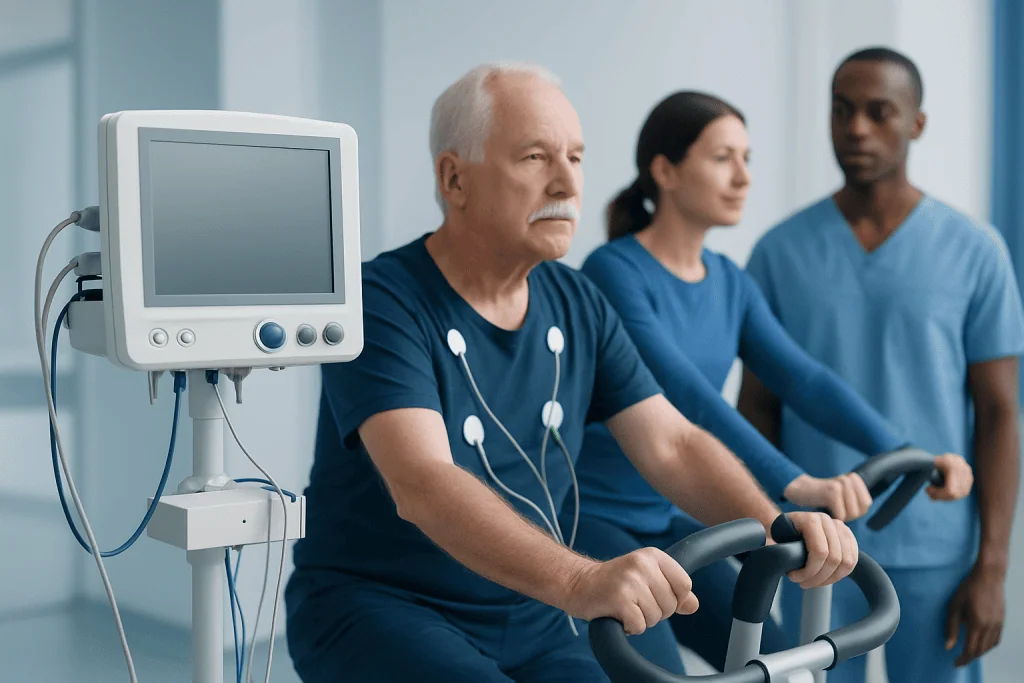
Cardiac rehabilitation is commonly recommended after a heart attack, coronary artery bypass grafting, angioplasty with or without stent placement, heart valve surgery or replacement, heart transplantation, stable angina or certain forms of heart failure. Some people with implanted cardiac devices or after complex cardiac procedures may also benefit, depending on their medical condition and the advice of their cardiologist.
Eligibility is assessed individually. Before starting, the healthcare team reviews recent hospital records, heart tests, blood pressure, rhythm information, wound healing after surgery, exercise tolerance and other medical issues such as diabetes, kidney disease, lung disease or orthopedic limitations. This helps determine the safest starting level and whether any special precautions are needed.
Cardiac rehab is not only for older adults or people who were previously inactive. Younger patients, working adults, athletes returning after a cardiac event and people who feel anxious about activity after treatment can all benefit from guided recovery. The program can be adapted for people with different fitness levels, mobility limitations and cultural or language needs.
What Happens in a Cardiac Rehabilitation Program

A typical cardiac rehabilitation program begins with an assessment. The team asks about symptoms, daily activities, medical history, medicines, smoking status, nutrition, sleep, stress, mood and personal recovery goals. Measurements may include blood pressure, heart rate, weight, blood tests when needed and an exercise capacity evaluation. This information is used to create a safe and practical plan.
Supervised exercise is a central part of the program. Sessions often include a warm-up, aerobic activity such as walking, cycling or treadmill work, gentle strength training when appropriate, flexibility exercises and a cool-down. During early sessions, staff may monitor heart rhythm, blood pressure, oxygen level or symptoms, especially for higher-risk patients. Exercise intensity is increased gradually as tolerance improves.
Education is equally important. Patients learn how their heart condition developed, what their treatment achieved, how medicines work, and how to recognize symptoms that need medical attention. Common topics include nutrition, blood pressure control, cholesterol management, diabetes care, smoking cessation, weight management, safe return to work, driving and sexual activity, and how to build a sustainable activity routine.
Benefits and Goals of Supervised Recovery
The benefits of cardiac rehabilitation are both physical and psychological. Many people feel uncertain after a heart event and may be afraid to move too much or too quickly. Supervised rehabilitation provides a controlled environment where patients can learn what level of activity is safe, rebuild endurance and regain trust in their body.
With consistent participation, patients may notice improved stamina, less fatigue during routine activities, better blood pressure and blood sugar control, healthier weight management and greater understanding of medication and lifestyle habits. Cardiac rehab also supports long-term prevention by focusing on risk factors that contribute to coronary artery disease and other heart problems.
Emotional recovery is a key goal. Anxiety, low mood, sleep problems and fear of another cardiac event are common after heart disease treatment. A supportive rehabilitation team can help patients discuss these concerns, learn stress-management skills and, when needed, connect with mental health professionals. Family involvement may also help loved ones understand the recovery process and support healthy changes at home.
Safety, Monitoring and Personalization
Cardiac rehabilitation is designed to be safe because it is supervised and individualized. The team considers the type of heart disease, recent procedure, heart function, rhythm issues, other medical conditions and current medications. Some patients need close monitoring in the early phase, while others can progress more independently after assessment and education.
Exercise plans are adjusted according to symptoms and objective findings. Patients are taught to recognize warning signs, such as chest pressure, unusual shortness of breath, dizziness, fainting, irregular heartbeat, sudden weakness or excessive fatigue. They also learn how to rate effort and when to slow down, stop and inform the team.
Personalization is especially important for people with additional health concerns. For example, someone with knee arthritis may need low-impact cycling or water-based activity when appropriate. A person with diabetes may need guidance on meal timing and glucose monitoring around exercise. Someone recovering from surgery may need temporary movement precautions while the breastbone or incision heals. The program should fit the patient rather than forcing every patient into the same routine.
Lifestyle Education and Long-Term Heart Health
Cardiac rehabilitation helps patients translate medical advice into daily habits. A heart-healthy lifestyle is not a short-term diet or a brief exercise challenge; it is a realistic plan that can be continued after the supervised program ends. The team helps patients identify barriers, set achievable goals and track progress in a practical way.
Common lifestyle priorities include eating a balanced pattern rich in vegetables, fruits, whole grains, legumes, lean proteins and healthy fats; limiting excess salt, sugar and saturated fat; avoiding tobacco; taking medicines as prescribed; staying active on most days as advised; sleeping well; and managing stress. Patients are encouraged to discuss supplements, restrictive diets or intense exercise plans with their doctor before making major changes.
Self-care also includes attending follow-up appointments, monitoring blood pressure or blood sugar when recommended, keeping an updated medication list and knowing what symptoms require urgent help. The long-term goal is for patients to leave cardiac rehab with the knowledge and confidence to continue safe activity and prevention strategies at home, work and during travel.
When to See a Doctor
Patients should ask their cardiologist or treating physician whether cardiac rehabilitation is appropriate after any major heart event or treatment. A referral is often needed, and timing depends on the condition, the procedure performed and the person’s stability. Some patients begin within weeks after discharge, while others may need additional healing or medical adjustment before starting.
During recovery, medical advice should be sought promptly for chest pain or pressure, severe or worsening shortness of breath, fainting, new palpitations, swelling that increases quickly, sudden weight gain in heart failure, fever after surgery, wound redness or drainage, or symptoms that feel similar to a previous heart event. Emergency services should be used for severe symptoms or signs of a possible heart attack or stroke.
For international patients seeking coordinated evaluation and rehabilitation planning, Acibadem International’s multidisciplinary specialists and JCI-accredited hospitals diagnose and treat cardiac conditions and can guide recovery after heart disease treatment. The most suitable rehabilitation plan should always be based on an individual medical assessment by qualified clinicians.
Frequently asked questions
When can cardiac rehabilitation start after a heart attack or heart surgery?
The timing depends on the patient’s condition, the treatment received and the doctor’s assessment. Some people begin light supervised activity soon after hospital discharge, while others need more time for healing or medication adjustment. A cardiologist or rehabilitation team should confirm when it is safe to start.
Is cardiac rehabilitation safe for people with heart failure?
Many people with stable heart failure can benefit from carefully supervised cardiac rehabilitation. The program is adjusted to the person’s symptoms, heart function, medications and exercise tolerance. It should be started only after medical review, especially if symptoms have recently worsened.
What should a patient wear or bring to a cardiac rehab session?
Comfortable clothing, supportive shoes and any prescribed medical items such as inhalers or glucose monitoring supplies may be needed. Patients should bring a current medication list and tell the team about new symptoms or medication changes. Heavy meals immediately before exercise are usually avoided unless the care team advises otherwise.
Can cardiac rehabilitation be done at home?
Home-based or hybrid cardiac rehabilitation may be suitable for selected stable patients, especially when travel is difficult. It usually includes education, exercise guidance, symptom monitoring and scheduled contact with the healthcare team. Patients with higher-risk conditions may need center-based monitoring at least in the early phase.
How long does a cardiac rehabilitation program last?
Program length varies by country, hospital and patient need, but many outpatient programs continue for several weeks to a few months. The supervised phase is only the beginning. Patients are encouraged to continue heart-healthy activity and lifestyle habits long term.
What if exercise causes anxiety after a heart event?
Feeling anxious about activity after a heart attack or procedure is common. Cardiac rehabilitation can help by providing supervised, gradual exercise and clear information about safe effort levels. If anxiety, low mood or sleep problems persist, the care team may recommend additional psychological support.
This article is for general information only and is not a substitute for professional medical advice. Please consult a qualified doctor about your individual situation.
Cardiac Rehabilitation in Turkey — costs, top hospitals & a free quote
JCI-accredited · board-certified surgeons · reply within 24h
Add us as a Preferred Source to see more of our trusted health content across Google Search, AI Overviews and Discover.
Check your numbers in seconds
BMI, calories, due date, blood pressure and 30+ more clinical calculators — free, instant, doctor-reviewed ranges.

Cardiology Department
Diagnosis and treatment of heart and vascular conditions, from prevention to advanced interventional procedures.
93 specialists in this unitRelated Treatments
Related Conditions
More from the Health Library

Follow-Up Tests After Heart Bypass Surgery: ECG, Echo, and Stress Testing

What Is Invasive Cardiology? Tests and Treatments Explained

Ablation for PVCs: When Extra Heartbeats Need Specialist Treatment

Dental Checkup Before Heart Bypass Surgery: Infection Prevention and Timing

Sternal Wound Infection After Heart Bypass Surgery: Warning Signs and Care