Cardiothoracic Operation: An Evidence-Based Guide for Patients

Cardiothoracic operations include both cardiac surgery and thoracic surgery for conditions affecting the heart, lungs, chest blood vessels, and nearby tissues. Some procedures require an open chest incision, while others can be performed through smaller incisions using video-assisted or robotic techniques.
Key Takeaways
- Cardiothoracic operations include both cardiac surgery and thoracic surgery for conditions affecting the heart, lungs, chest blood vessels, and nearby tissues.
- Some procedures require an open chest incision, while others can be performed through smaller incisions using video-assisted or robotic techniques.
- Preoperative testing helps the care team assess heart, lung, kidney, and overall health before surgery.
- Recovery is gradual and commonly includes pain management, breathing exercises, early movement, and structured follow-up.
- Chest pain, worsening breathlessness, fever, wound changes, or sudden neurological symptoms after surgery need prompt medical assessment.
A cardiothoracic operation is a surgical procedure involving the heart, lungs, major chest blood vessels, or other structures inside the chest. The type of operation, its benefits, and recovery needs depend on the condition being treated, the person’s overall health, and whether minimally invasive or open surgery is appropriate.
What Is a Cardiothoracic Operation?
A cardiothoracic operation is surgery performed on organs and structures in the chest. It may involve the heart, heart valves, coronary arteries, aorta, lungs, esophagus, chest wall, mediastinum, or lining around the lungs. The term combines cardiac surgery, which focuses on the heart and major blood vessels, with thoracic surgery, which focuses mainly on the lungs and other non-heart structures within the chest.
These operations are recommended when a condition is unlikely to improve sufficiently with monitoring, medicines, lifestyle measures, catheter-based treatment, or less invasive procedures. The purpose may be to restore blood flow, repair or replace a valve, remove diseased tissue, treat an infection, correct a structural problem, obtain a diagnosis, or relieve symptoms such as breathlessness or chest discomfort.
Not every chest operation is the same. A planned valve repair, a lung biopsy, and emergency surgery for a major aortic problem differ substantially in urgency, complexity, and recovery. A cardiothoracic team explains the individual reason for surgery, available alternatives, expected benefits, and important risks before a person decides how to proceed.
Conditions That May Need Surgery
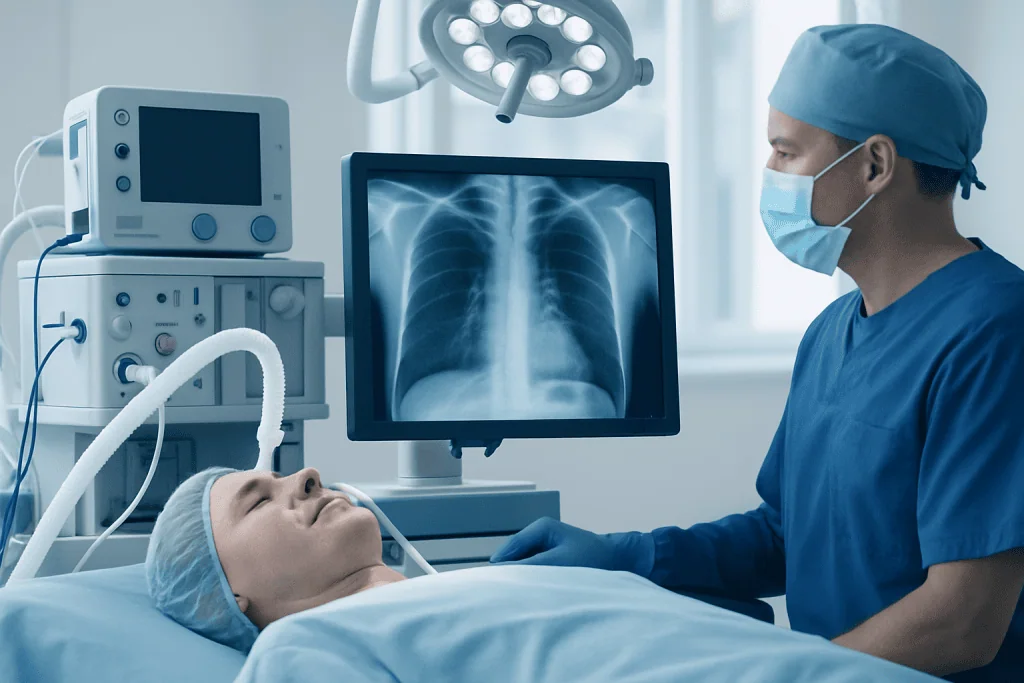
Cardiac procedures may be considered for coronary artery disease that is causing significant narrowing of the heart’s blood supply, severe heart valve disease, certain congenital heart conditions, abnormalities of the aorta, or selected heart rhythm disorders. For example, coronary artery bypass grafting can create a new route for blood to reach heart muscle when bypass surgery is more suitable than stenting or medication alone.
Thoracic procedures may be used for lung cancer, suspicious lung nodules, collapsed lung, severe emphysema in selected people, infections or fluid around the lung, disorders of the esophagus, tumors in the mediastinum, or chest wall conditions. Surgery may remove a small piece of tissue for diagnosis, remove part or all of a lung, repair an injury, or manage a condition affecting the lining of the chest.
The decision is usually made by a multidisciplinary team. Depending on the concern, this may include cardiothoracic surgeons, cardiologists, pulmonologists, anesthesiologists, radiologists, pathologists, oncologists, specialist nurses, physiotherapists, and rehabilitation professionals. This approach helps match treatment to the anatomy of the condition and the person’s priorities, health status, and day-to-day function.
How Surgeons Choose the Surgical Approach

A cardiothoracic operation may be performed through an open incision or through smaller incisions. Open-heart surgery typically involves a sternotomy, in which the breastbone is divided to provide access to the heart. Some cardiac procedures use a heart-lung machine, also called cardiopulmonary bypass, which temporarily takes over circulation and oxygenation while the surgeon operates on the heart.
For many chest procedures, surgeons may use minimally invasive techniques such as video-assisted thoracoscopic surgery or robotic-assisted thoracic surgery. A camera and specialized instruments are passed through small incisions between the ribs. These approaches may reduce incision size and may support earlier mobility for appropriate patients, but they are not suitable for every disease, anatomy, or surgical goal.
The chosen method depends on the diagnosis, location and extent of disease, previous surgery, lung and heart function, bleeding risk, and the surgeon’s assessment. A minimally invasive approach can sometimes need to be changed to an open operation during surgery if this is the safest way to complete the procedure. Discussing this possibility beforehand can help patients and families prepare realistically.
Assessment and Preparation Before Surgery
Preparation begins with a detailed medical review. The team asks about symptoms, current medicines, allergies, previous operations, smoking or nicotine use, alcohol intake, sleep apnea, infections, and chronic conditions such as diabetes, kidney disease, or high blood pressure. It is important to share all prescription medicines, non-prescription drugs, vitamins, and herbal products, as some can affect bleeding, blood pressure, or anesthesia.
Tests are selected according to the planned operation. They may include blood tests, an electrocardiogram, echocardiogram, chest X-ray, computed tomography, lung function testing, coronary angiography, or other imaging. These tests help define the condition, plan the procedure, and identify factors that may need attention before surgery, such as anemia, poorly controlled blood sugar, or reduced lung function.
Patients receive instructions about eating and drinking before anesthesia, medicines to pause or continue, and practical arrangements for leaving hospital. Stopping smoking or vaping as early as possible before surgery can improve lung health and wound healing. Regular gentle activity, adequate nutrition, dental care when advised, and addressing respiratory infections before an elective operation may also support safer recovery.
What Happens During and After the Operation
Cardiothoracic operations are performed under general anesthesia, meaning the patient is asleep and carefully monitored throughout. The length of surgery varies widely. The anesthesiology team monitors breathing, circulation, temperature, fluid balance, and pain control, while the surgical team carries out the planned repair, removal, reconstruction, or bypass procedure.
After surgery, many patients spend time in a recovery area or intensive care unit, especially after major heart surgery. They may initially have monitoring lines, intravenous fluids, a urinary catheter, chest drains, oxygen support, and sometimes a breathing tube for a short period. These are common temporary measures that allow close observation and help the body recover safely.
Early recovery usually focuses on pain relief, breathing exercises, coughing techniques to clear mucus, and getting out of bed with support when medically appropriate. Moving early helps lower the risk of blood clots, muscle weakness, and chest complications. The care team removes drains and monitoring equipment as recovery progresses and provides individualized instructions before discharge.
Benefits, Risks, and Recovery Expectations
The potential benefit of a cardiothoracic operation depends on the underlying condition. Surgery may improve blood flow to the heart, reduce symptoms, repair a valve or vessel, remove cancer or infected tissue, improve breathing, or prevent complications from a progressive structural problem. In some circumstances, surgery is lifesaving; in others, it is chosen to improve quality of life or long-term health.
All major operations carry risks. These can include bleeding, infection, blood clots, irregular heartbeat, breathing complications, stroke, kidney problems, reactions to anesthesia, and the need for additional procedures. Thoracic surgery can also involve air leaks from the lung, while heart surgery can have risks related to the heart rhythm or use of a heart-lung machine. Individual risk is influenced by age, frailty, heart and lung function, smoking, diabetes, kidney disease, and the urgency and complexity of surgery.
Recovery is not identical for everyone. Hospital stay and return to usual activities depend on the procedure and any complications. Tiredness, discomfort around the incision, temporary changes in sleep or appetite, and emotional ups and downs can occur during healing. Cardiac rehabilitation, pulmonary rehabilitation, physiotherapy, healthy nutrition, and follow-up appointments can all play a meaningful role in restoring strength and confidence.
At home, patients should follow advice about wound care, lifting limits, driving, medicines, and activity progression. They should not stop prescribed heart, blood pressure, blood-thinning, pain, or other medicines without medical guidance. A gradual increase in walking and daily activity is commonly encouraged, but the surgical team’s plan should take priority over general advice.
When to Seek Medical Care
Anyone with new or persistent chest pressure, severe shortness of breath, coughing up blood, fainting, or a rapid or irregular heartbeat should seek urgent medical assessment. Sudden chest, back, or upper abdominal pain that is severe or feels different from usual symptoms also needs emergency care, particularly when it occurs with sweating, weakness, confusion, or difficulty breathing.
After a cardiothoracic operation, patients should contact their surgical team promptly if they develop fever, chills, increasing redness or drainage from the wound, worsening pain, persistent vomiting, new swelling in the legs, or breathlessness that is getting worse rather than better. Emergency help is needed for severe breathing difficulty, fainting, signs of stroke such as facial drooping or speech difficulty, uncontrolled bleeding, or crushing chest pain.
Follow-up is an essential part of treatment, even when recovery appears to be going well. Acibadem International’s multidisciplinary specialists and JCI-accredited hospitals diagnose and treat cardiothoracic conditions for international patients, with care plans tailored to the procedure and the person’s clinical needs. Questions about symptoms, travel after surgery, rehabilitation, or returning to work should be discussed directly with the treating team.
Frequently asked questions
Is a cardiothoracic operation the same as open-heart surgery?
Not always. Open-heart surgery is one type of cardiothoracic operation and usually refers to procedures performed on the heart through an incision in the chest. Cardiothoracic surgery also includes operations on the lungs, esophagus, chest wall, and other structures in the chest.
How long does recovery from a cardiothoracic operation take?
Recovery time depends on the operation, the reason for surgery, and the person’s health before surgery. Some minimally invasive chest procedures have a shorter recovery period than major open-heart operations. The surgical team provides guidance on activity, work, driving, and rehabilitation based on individual healing.
Will a patient always need intensive care after surgery?
Many people undergoing major cardiac surgery spend time in an intensive care or high-dependency area for close monitoring. This is often routine and does not necessarily mean a complication has occurred. Less extensive thoracic procedures may require only a standard recovery area and surgical ward stay.
What is cardiopulmonary bypass?
Cardiopulmonary bypass is a technique used in some heart operations. A machine temporarily circulates and oxygenates blood while the surgeon works on a still or partially still heart. It is not needed for every cardiac procedure and is generally not used for most lung operations.
Can a cardiothoracic operation be done with small incisions?
Some procedures can be performed with minimally invasive, video-assisted, or robotic techniques using smaller incisions. Whether this is appropriate depends on the condition, its location, the required operation, and individual anatomy. The surgeon will explain the safest approach and why it is recommended.
What can patients do to prepare for cardiothoracic surgery?
Patients can prepare by attending preoperative appointments, sharing a complete medication list, following fasting and medication instructions, and arranging help at home if needed. Avoiding smoking and nicotine, maintaining nutrition, and staying as active as the medical team permits can support recovery. Any fever, cough, infection, or major health change before surgery should be reported promptly.
References
- American Heart Association
- American College of Cardiology
- Society of Thoracic Surgeons
- National Heart, Lung, and Blood Institute
- National Health Service
This article is for general information only and is not a substitute for professional medical advice. Please consult a qualified doctor about your individual situation.
Heart care in Turkey — expert evaluation and treatment
JCI-accredited · board-certified surgeons · reply within 24h
Add us as a Preferred Source to see more of our trusted health content across Google Search, AI Overviews and Discover.
Check your numbers in seconds
BMI, calories, due date, blood pressure and 30+ more clinical calculators — free, instant, doctor-reviewed ranges.