

Carotid Artery Stenting: Benefits, Risks, and Recovery After Treatment

Carotid artery stenting treats narrowing in the carotid arteries, which supply blood to the brain. The procedure can help reduce stroke risk in carefully selected patients with carotid stenosis.
Key Takeaways
- Carotid artery stenting treats narrowing in the carotid arteries, which supply blood to the brain.
- The procedure can help reduce stroke risk in carefully selected patients with carotid stenosis.
- Benefits, risks, and long-term results depend on the degree of narrowing, symptoms, and overall health.
- Recovery is usually shorter than with open surgery, but follow-up and medicines remain important.
- A specialist team uses imaging and medical history to decide whether stenting or surgery is more suitable.
Carotid artery stenting is a minimally invasive procedure used to widen a narrowed carotid artery and help lower the risk of stroke. It may be recommended for selected people, especially when open surgery is not the best option.
Overview
Carotid artery stenting is a procedure used to treat narrowing of the carotid arteries, the large blood vessels on each side of the neck that carry oxygen-rich blood to the brain. When these arteries become narrowed by fatty deposits called plaque, blood flow can be reduced and the risk of stroke can rise. A stent, which is a small mesh tube, can be placed inside the artery to help keep it open.
This treatment is considered minimally invasive because it is done through a catheter inserted into a blood vessel, usually in the groin or sometimes the arm. Using imaging guidance, the doctor advances the catheter to the narrowed area, opens the blockage with a balloon if needed, and places the stent to support the artery. In many cases, a protection device is also used to catch debris and reduce the chance of stroke during the procedure.
Carotid artery stenting is not the right choice for everyone. Some patients are better treated with medicines and lifestyle changes, while others may be better suited to carotid endarterectomy, an operation that removes plaque directly from the artery. The decision depends on how severe the narrowing is, whether the person has had stroke-like symptoms, and individual factors such as age, anatomy, and other medical conditions.
Who May Benefit From Carotid Artery Stenting
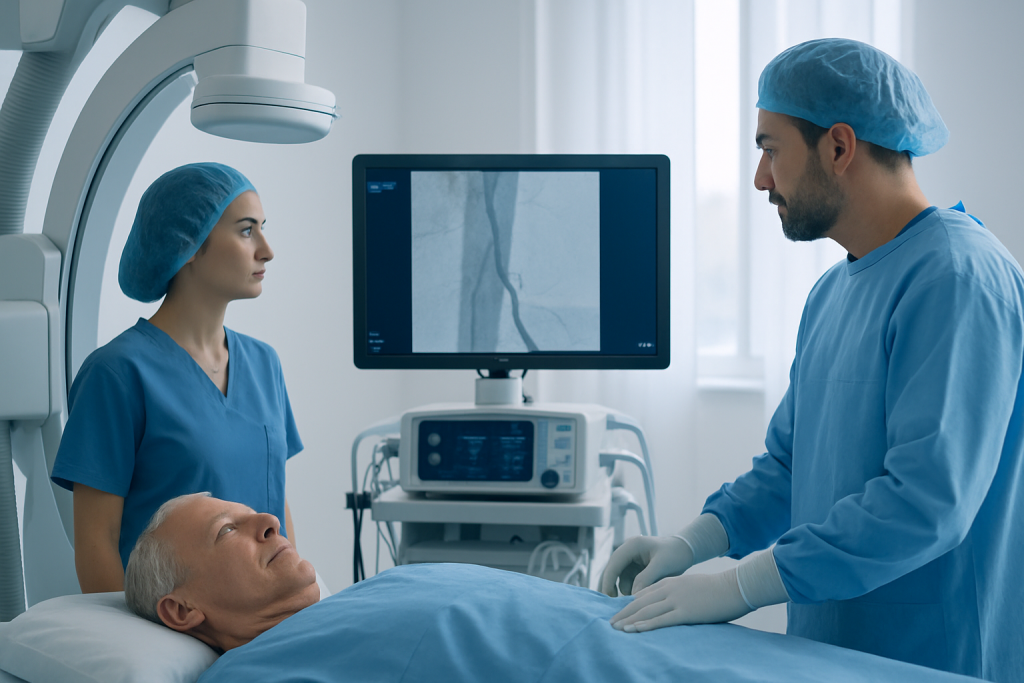
The main goal of carotid artery stenting is stroke prevention. It may be recommended for people with significant carotid stenosis, especially if they have already had symptoms such as a transient ischemic attack (TIA), temporary weakness, numbness, speech difficulty, or a minor stroke. Symptoms suggest that plaque or reduced blood flow may already be affecting the brain.
Stenting is often considered when open surgery may carry higher risk. This can include people who have had previous neck surgery or radiation, those with certain heart or lung conditions, or those whose artery anatomy makes surgery more difficult. It may also be considered in selected patients with narrowing that returns after earlier treatment.
Even when a narrowing is found on imaging, treatment is individualized. Not every blockage needs a stent. For some patients, careful medical management with blood pressure control, cholesterol-lowering treatment, antiplatelet medicine, and smoking cessation may be the safest and most effective approach. Specialists may compare options such as carotid artery disease treatment and, when appropriate, carotid endarterectomy before deciding on stenting.
How the Procedure Is Performed
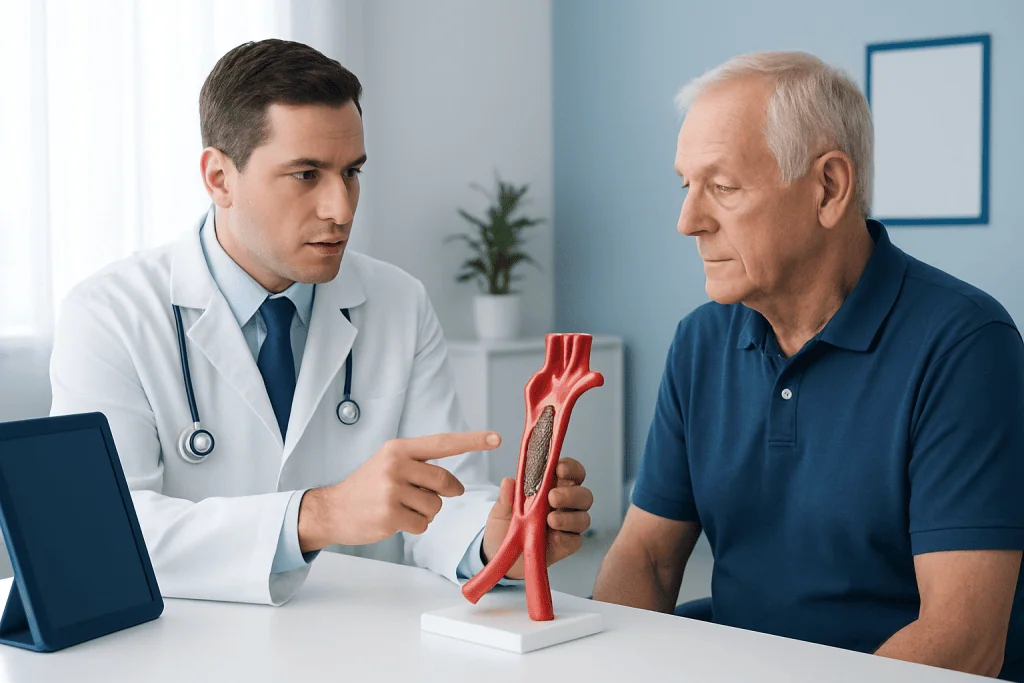
Before the procedure, the care team reviews the patient’s symptoms, medical history, medicines, and imaging results. Ultrasound, CT angiography, or MR angiography may be used to measure the narrowing and understand the artery’s shape. Blood tests and heart evaluation may also be needed. Patients are often asked to continue or start antiplatelet medicines before treatment to help prevent clotting around the stent.
During carotid artery stenting, the patient is usually awake but given medicine to help them relax. After local anesthesia is applied, the doctor places a catheter into a blood vessel and guides it to the carotid artery. A tiny filter or another embolic protection device is commonly positioned beyond the narrowed segment to capture plaque fragments. The narrowed area may then be widened with a balloon, and the stent is deployed to hold the artery open.
After the stent is placed, blood flow is checked with imaging. The catheters are removed, and pressure or a closure device is used at the insertion site. Most patients are monitored closely for several hours or overnight, because blood pressure and neurologic status are especially important after the procedure. In many centers, this treatment is part of a broader interventional neuroradiology program focused on minimally invasive treatment of blood vessel conditions affecting the brain.
Benefits and Possible Risks
The main benefit of carotid artery stenting is that it can lower the risk of future stroke in selected patients with significant carotid narrowing. Because it is minimally invasive, it may offer a shorter hospital stay, a smaller access-site wound, and a quicker return to daily activities compared with open surgery. It can also be particularly useful in patients for whom surgery is technically difficult or medically higher risk.
However, like all procedures, carotid artery stenting has risks. The most important are stroke, transient ischemic attack, bleeding at the catheter site, artery injury, blood clots, allergic reaction to contrast dye, and re-narrowing of the artery over time. In some cases, changes in heart rate or blood pressure can happen during or after the procedure and require prompt management.
The balance between benefit and risk depends on the individual. Factors such as age, the exact location and shape of the plaque, the presence or absence of symptoms, kidney function, and other vascular disease all matter. This is why treatment planning should be done by experienced specialists who can explain the options clearly and compare stenting with medical therapy or surgery, including related care in stroke treatment when symptoms of brain ischemia are present.
Recovery After Carotid Artery Stenting
Recovery after carotid artery stenting is often relatively quick, but close monitoring is still essential. Most patients stay in the hospital for observation for part of a day or overnight. The care team checks blood pressure, heart rhythm, the catheter insertion site, and any possible neurologic changes. Mild bruising or soreness where the catheter entered the body can be normal for a few days.
At home, patients are usually advised to avoid heavy lifting and strenuous activity for a short period. They should take all prescribed medicines exactly as directed, especially antiplatelet medicines, because these help prevent clot formation inside the stent. Stopping these medicines without medical advice can be dangerous. Good hydration may also be recommended after contrast dye is used, unless another condition limits fluid intake.
Follow-up visits are important. Imaging tests such as carotid ultrasound may be scheduled to confirm that the artery remains open and to watch for re-narrowing. Patients should seek urgent help if they develop signs of stroke, such as sudden weakness, facial drooping, trouble speaking, severe dizziness, or sudden vision changes. For many people, recovery also includes long-term control of cholesterol, blood pressure, diabetes, and smoking to protect the stent and reduce overall vascular risk.
Diagnosis and Decision-Making Before Treatment
Finding out whether carotid artery stenting is appropriate starts with careful diagnosis. Carotid ultrasound is often the first test because it is noninvasive and can estimate how much narrowing is present. If more detail is needed, CT angiography or MR angiography may be used to evaluate plaque, vessel anatomy, and blood flow. In some cases, catheter angiography is performed as part of treatment planning.
Doctors also assess whether the patient has had symptoms related to the narrowed artery. Symptomatic carotid stenosis generally carries a different level of concern than narrowing found incidentally on a scan. The team will review the timing of any TIA or stroke symptoms, other causes of stroke, and the patient’s overall cardiovascular health. This helps identify who is most likely to benefit from intervention.
Shared decision-making is important. Patients should understand why a procedure is being suggested, what alternatives exist, and what follow-up will be needed. A balanced discussion often includes the severity of stenosis, the expected benefit of treatment, the person’s surgical risk, and the role of medication alone. The goal is not simply to treat an image finding, but to choose the safest strategy for reducing future stroke risk.
Prevention, Self-Care, and When to See a Doctor
Carotid artery disease is closely linked with atherosclerosis, so prevention focuses on protecting blood vessels throughout the body. This includes not smoking, keeping blood pressure under control, managing cholesterol, staying physically active, eating a heart-healthy diet, maintaining a healthy weight, and controlling diabetes when present. These steps remain essential whether or not a stent is placed.
Self-care after treatment also matters. Patients should attend follow-up appointments, report any new neurologic symptoms promptly, and continue all prescribed medicines. Even after successful stenting, plaque can affect other arteries, so long-term vascular health needs attention. Regular primary care and specialist review can help lower the risk of stroke, heart attack, and further artery disease.
Medical advice should be sought right away for any possible stroke symptoms, including sudden weakness or numbness on one side, facial drooping, confusion, trouble speaking, vision loss, or severe balance problems. A doctor should also be contacted for persistent bleeding, swelling, or increasing pain at the catheter site, chest pain, fainting, or severe headache after the procedure. For international patients who need evaluation and treatment planning, Acibadem International’s multidisciplinary specialists in JCI-accredited hospitals diagnose and treat carotid artery conditions with individualized care.
Frequently asked questions
What is carotid artery stenting used for?
Carotid artery stenting is used to treat narrowing in the carotid arteries, which can reduce blood flow to the brain and increase stroke risk. The procedure helps keep the artery open by placing a small mesh tube called a stent.
Is carotid artery stenting better than surgery?
It is not automatically better for everyone. Some patients are better suited to carotid endarterectomy, while others may benefit more from stenting because of their anatomy, medical history, or surgical risk. A specialist compares the risks and benefits of each option before making a recommendation.
How long does recovery take after carotid artery stenting?
Many people recover within a few days and return to normal light activities fairly quickly. However, full recovery also includes taking medicines as prescribed, attending follow-up appointments, and avoiding heavy exertion until the doctor says it is safe.
What are the main risks of carotid artery stenting?
The main risks include stroke, transient ischemic attack, bleeding where the catheter was inserted, blood clots, and re-narrowing of the artery later on. These risks vary based on the patient’s health, the artery’s anatomy, and the experience of the treating team.
Will a stent cure carotid artery disease?
A stent can treat one narrowed area, but it does not cure the underlying tendency to develop plaque. Long-term management with healthy lifestyle habits and prescribed medicines remains important to reduce future vascular problems.
Do patients need medication after carotid artery stenting?
Yes, most patients need antiplatelet medicines after the procedure to help prevent clotting in the stent. They may also need medicines for cholesterol, blood pressure, or diabetes, depending on their overall vascular risk.
References
- American Heart Association
- National Institute of Neurological Disorders and Stroke
- Society for Vascular Surgery
- European Stroke Organisation
- National Health Service
This article is for general information only and is not a substitute for professional medical advice. Please consult a qualified doctor about your individual situation.
Heart care in Turkey — expert evaluation and treatment
JCI-accredited · board-certified surgeons · reply within 24h
Add us as a Preferred Source to see more of our trusted health content across Google Search, AI Overviews and Discover.
Check your numbers in seconds
BMI, calories, due date, blood pressure and 30+ more clinical calculators — free, instant, doctor-reviewed ranges.

More from the Health Library



Related Specialists

Prof. Dr. Enis Özyar
Radiation Oncology
Prof. Dr. Sabahattin Kaymakoğlu
Gastroenterology
Mehmet Çakır
Physical Medicine & Rehabilitation
Prof. Dr. Mehmet Özkan
Cardiovascular Surgery