Cataract Surgery: Lens Options, Recovery, and Visual Expectations

Cataract surgery removes the cloudy lens and replaces it with a clear artificial lens called an intraocular lens. Different lens options can support distance vision, near vision, astigmatism correction, or a combination of visual needs.
Key Takeaways
- Cataract surgery removes the cloudy lens and replaces it with a clear artificial lens called an intraocular lens.
- Different lens options can support distance vision, near vision, astigmatism correction, or a combination of visual needs.
- Most people recover well, but vision often improves gradually over days to weeks rather than instantly.
- Temporary symptoms such as mild discomfort, light sensitivity, and blurry vision are common early in recovery.
- A detailed eye examination helps the surgeon recommend the most suitable lens and identify any other eye conditions that may affect results.
- Patients should seek prompt medical advice for severe pain, sudden vision loss, increasing redness, or flashes and floaters after surgery.
Cataract surgery is a common procedure that removes a cloudy natural lens and replaces it with an artificial intraocular lens. Understanding lens choices, recovery steps, and likely visual results can help patients feel more prepared and confident.
Overview of Cataract Surgery
Cataract surgery is performed to treat a cataract, a condition in which the eye’s natural lens becomes cloudy and gradually reduces the clarity of vision. People may notice blurred sight, glare from headlights, faded colors, or difficulty reading and driving, especially at night. Surgery is usually recommended when these changes begin to interfere with daily life rather than at a fixed stage of cataract development.
During the procedure, the cloudy lens is removed and replaced with a clear artificial lens called an intraocular lens, often shortened to IOL. The operation is commonly done one eye at a time, usually as a day procedure under local anesthesia with sedation when needed. In many cases, it is completed through a very small incision.
Cataract surgery is designed to improve vision, but the final result depends not only on the surgery itself but also on the health of the rest of the eye. Conditions such as glaucoma, macular degeneration, diabetic eye disease, or corneal problems may influence how much vision can improve. For this reason, a careful preoperative assessment is an important part of planning treatment.
When Cataract Surgery May Be Needed
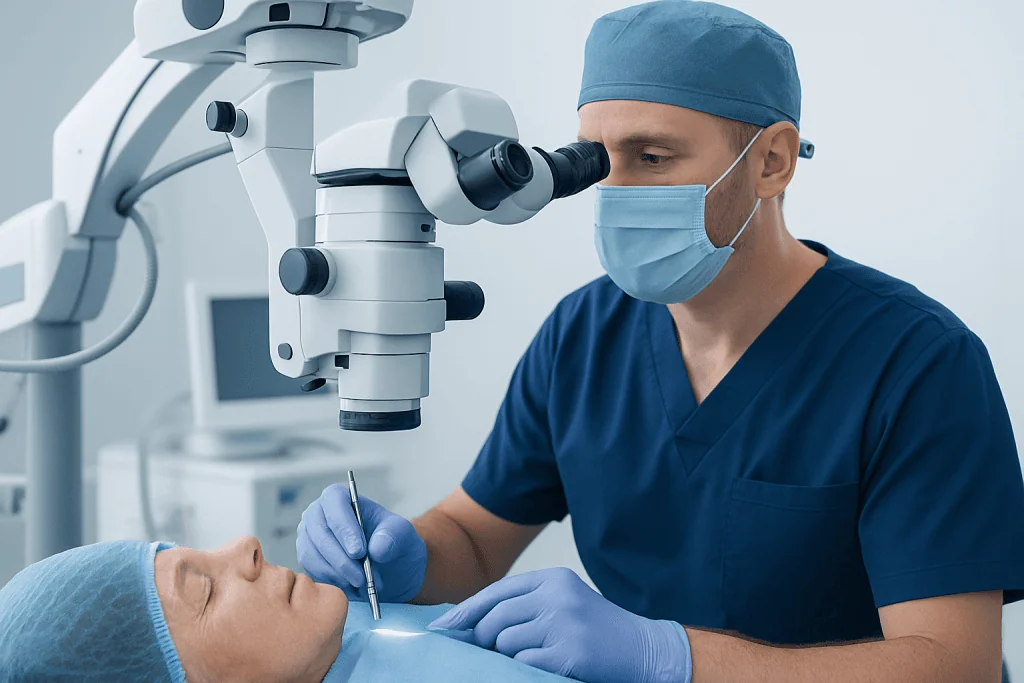
Not every cataract needs immediate treatment. In the early stages, stronger lighting, updated glasses, anti-glare lenses, or magnifying tools may be enough to help. Surgery becomes more relevant when visual changes limit everyday tasks such as reading, using screens, recognizing faces, working, or driving safely.
Some patients also choose surgery because cataracts make the view into the back of the eye unclear, which can affect the monitoring or treatment of other eye conditions. In certain situations, cataract removal may support the management of another eye problem by improving access to the retina or helping control pressure inside the eye.
Typical reasons to consider surgery include:
- Blurred or dim vision that does not improve enough with glasses
- Increased sensitivity to light and glare
- Halos around lights, especially at night
- Frequent changes in glasses prescription
- Reduced contrast or fading of colors
- Difficulty performing daily activities because of vision changes
A cataract specialist can help determine whether symptoms are mainly due to cataracts or whether another issue is also contributing. This discussion helps set realistic expectations before treatment.
Lens Options: Choosing the Right Intraocular Lens
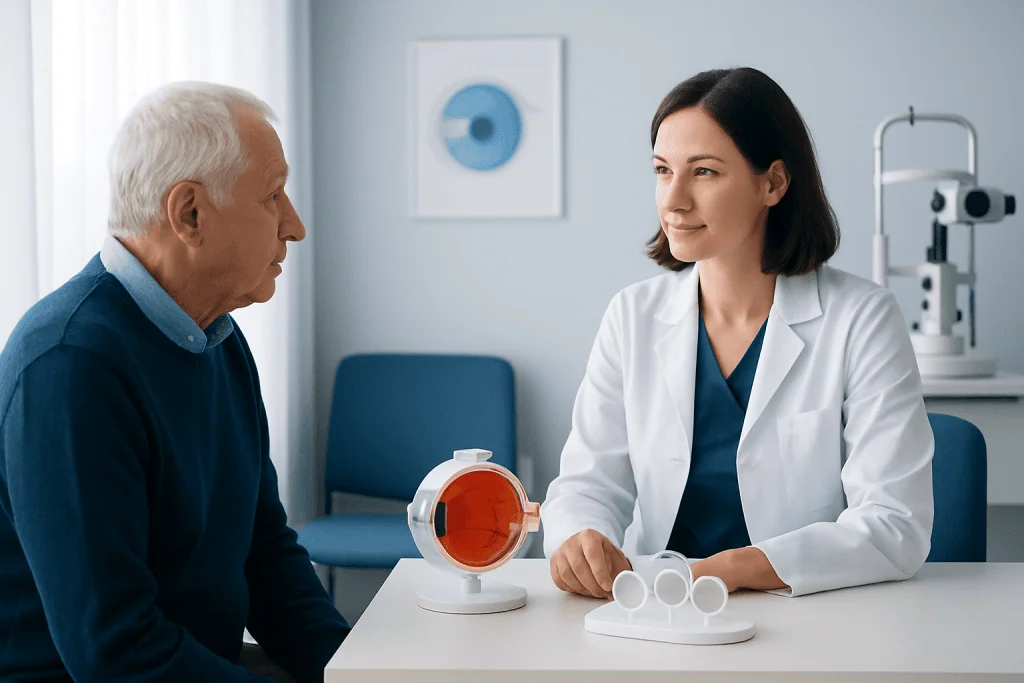
One of the most important parts of cataract surgery planning is choosing the intraocular lens. The artificial lens stays in the eye permanently and is selected based on eye measurements, visual goals, and the presence of astigmatism or other eye conditions. There is no single best lens for everyone; the most suitable option depends on the individual’s lifestyle and eye health.
A monofocal lens provides clear vision at one main distance, most often for distance vision. Many people who choose this option still use glasses for reading or close work afterward. Monofocal lenses are widely used and can provide excellent quality of vision, especially when the goal is reliable distance clarity.
Other lens options may reduce dependence on glasses for some activities. Multifocal or extended depth-of-focus lenses are designed to support vision at more than one distance, while toric lenses can correct astigmatism. These advanced lenses can be helpful for selected patients, but they may not suit every eye and may sometimes increase the chance of halos, glare, or reduced contrast sensitivity in certain lighting conditions.
When discussing lens choices, the surgeon usually reviews factors such as reading habits, computer use, driving at night, hobbies, and whether the patient would prefer the sharpest possible distance vision or greater freedom from glasses. In centers offering advanced ophthalmic care, the planning process may also be combined with treatments for related eye conditions such as cataract or corneal refractive support through laser vision correction.
How Cataract Surgery Is Performed
Before surgery, the eye is measured carefully to calculate the power of the intraocular lens. Patients are also asked about medications, general health conditions, and any previous eye surgery. Eye drops may be prescribed before the procedure, and fasting instructions can vary depending on the type of anesthesia or sedation planned.
On the day of surgery, the eye is numbed with drops or local anesthetic. The surgeon makes a tiny incision, opens the thin capsule that holds the cloudy lens, and uses delicate instruments to break up and remove the cataract. A folded artificial lens is then inserted and positioned inside the capsule. Stitches are often not needed because the incision is so small.
The procedure itself is usually not painful, although the patient may notice light, movement, or a sensation of water in the eye. Most people go home the same day with a protective shield and instructions for eye drops. If both eyes need surgery, the second eye is generally treated on a different day after the first eye has started to recover.
Depending on the patient’s needs, cataract surgery may sometimes be part of a broader eye care plan that includes retina treatment or monitoring for diseases such as glaucoma. This is one reason why a full eye examination is essential before surgery.
Recovery After Cataract Surgery
Recovery after cataract surgery is usually smooth, but healing is still a process. Many patients notice better vision within a few days, while others experience gradual improvement over several weeks as the eye settles and adjusts. Mild blurring, scratchiness, watery eyes, and sensitivity to light are common in the early period and often improve with time.
Prescription eye drops are commonly used after surgery to reduce inflammation and lower the risk of infection. The doctor may advise avoiding rubbing the eye, heavy lifting, swimming, dusty environments, and eye makeup for a period of time. A protective shield may be recommended while sleeping for the first several nights.
Helpful self-care during recovery often includes:
- Using eye drops exactly as prescribed
- Wearing sunglasses outdoors if light feels uncomfortable
- Keeping soap, shampoo, and dirty water out of the eye
- Attending follow-up visits even if vision seems to be improving well
- Asking before returning to exercise, work, or driving
Vision can fluctuate during healing, and glasses are often updated only after the eye has stabilized. Patients who have had additional corneal or refractive procedures, such as cornea-focused surgery, may need more individualized follow-up depending on the overall health of the eye.
Visual Expectations, Benefits, and Possible Risks
For many people, cataract surgery improves clarity, brightness, contrast, and color perception. Daily tasks such as reading signs, watching television, and moving around in low light often become easier. However, visual expectations should remain realistic. Cataract surgery removes the cloudy lens, but it does not reverse all causes of poor sight.
Some patients still need glasses after surgery, especially for reading, computer work, or fine detail. Even with premium lens options, complete freedom from glasses cannot be guaranteed. Nighttime halos or glare may occur with some lenses, and mild dry eye symptoms may make vision seem variable until the surface of the eye becomes more comfortable.
As with any operation, cataract surgery carries some risks, although serious complications are uncommon. Possible concerns include infection, bleeding, swelling, increased eye pressure, inflammation, retinal detachment, clouding of the capsule behind the lens, or the need for additional treatment. A cloudy capsule that develops later can often be treated with a laser procedure in clinic.
Good surgical planning lowers risk by identifying issues beforehand, such as weak zonules, previous trauma, small pupils, retinal disease, or advanced glaucoma. Multidisciplinary ophthalmology teams, including those at Acibadem International’s JCI-accredited hospitals, assess these factors carefully when diagnosing and treating international patients.
When to See a Doctor and Questions to Ask
Patients should contact their doctor promptly if they develop severe or worsening eye pain, a sudden drop in vision, marked redness, increasing discharge, new flashes of light, a shower of floaters, or a dark curtain-like shadow in the vision. These symptoms do not always mean a serious complication is present, but they should be assessed without delay.
Routine follow-up is also important even when recovery feels normal. The doctor checks how the eye is healing, monitors eye pressure, and confirms that the lens position is stable. This is also the right time to discuss whether glasses are still needed and when regular activities can be resumed safely.
Questions that may help before surgery include:
- What type of cataract is affecting the eye?
- Which lens option best matches daily visual needs?
- Will glasses still be needed after surgery?
- Are there other eye conditions that may affect the result?
- How long is recovery likely to take in this case?
- What symptoms after surgery should prompt urgent review?
A clear conversation with the surgeon helps patients make informed decisions and understand both the benefits and the limitations of treatment. Personalized advice is especially valuable when there are other eye diseases, previous refractive surgery, or complex visual goals.
Frequently asked questions
How long does cataract surgery take?
The procedure itself often takes less than an hour, and in many cases the surgical part is much shorter. However, time at the hospital or clinic is usually longer because of preparation, checks, and recovery before going home.
Is cataract surgery painful?
Cataract surgery is usually not painful because the eye is numbed with drops or local anesthetic. Some people notice pressure, light, or mild discomfort, but significant pain is not expected and should be reported.
Will vision be perfect after cataract surgery?
Many patients notice major improvement in vision, but the result varies from person to person. Some still need glasses for reading, distance, or astigmatism, and other eye conditions can limit the final level of vision.
What is the difference between monofocal and multifocal lenses?
A monofocal lens is set for one main focus, usually distance, so glasses may still be needed for near tasks. Multifocal lenses are designed to support vision at more than one distance, but they may not suit everyone and can sometimes cause halos or glare.
How soon can normal activities resume after cataract surgery?
Many everyday activities can be resumed fairly quickly, but the timing depends on healing and the doctor’s advice. Patients are often asked to avoid eye rubbing, swimming, heavy lifting, and dusty environments for a period after surgery.
Can cataracts come back after surgery?
The cataract itself does not come back because the cloudy natural lens has been removed. However, the thin capsule behind the artificial lens can become cloudy later, which may blur vision and is often treatable with a simple laser procedure.
References
- American Academy of Ophthalmology
- National Eye Institute
- Royal College of Ophthalmologists
- World Health Organization
This article is for general information only and is not a substitute for professional medical advice. Please consult a qualified doctor about your individual situation.
Cataract Surgery in Turkey — costs, top hospitals & a free quote
JCI-accredited · board-certified surgeons · reply within 24h
Add us as a Preferred Source to see more of our trusted health content across Google Search, AI Overviews and Discover.

Ophthalmology
Comprehensive eye care from laser vision correction to retina, cornea and cataract surgery.
75 specialists in this unit