Central Nervous System Disorders and Neuromuscular Symptoms: When They Overlap

Symptoms such as weakness, tingling, poor balance, and muscle fatigue can come from either the central nervous system or the neuromuscular system. Some conditions affect more than one part of the nervous system, which can make diagnosis more complex.
Key Takeaways
- Symptoms such as weakness, tingling, poor balance, and muscle fatigue can come from either the central nervous system or the neuromuscular system.
- Some conditions affect more than one part of the nervous system, which can make diagnosis more complex.
- A detailed history, neurological examination, blood tests, imaging, and nerve or muscle studies may all help clarify the cause.
- Treatment depends on the underlying disorder and may include medication, rehabilitation, lifestyle support, and specialist follow-up.
- New or rapidly worsening weakness, trouble breathing, or swallowing problems need urgent medical attention.
Central nervous system disorders and neuromuscular conditions can cause similar symptoms, including weakness, numbness, fatigue, and difficulty with movement. Because these problems may overlap, diagnosis often requires a careful neurological assessment to identify whether the brain, spinal cord, peripheral nerves, muscles, or more than one area is involved.
Overview
The central nervous system, or CNS, includes the brain and spinal cord. The neuromuscular system includes the peripheral nerves, the connection between nerves and muscles, and the muscles themselves. Although these systems are different, they work closely together to control movement, sensation, balance, coordination, and many automatic body functions.
Because of this close relationship, disorders affecting the CNS and disorders affecting nerves or muscles may produce similar symptoms. A person may notice weakness, numbness, cramps, fatigue, tremor, stiffness, unsteady walking, or problems with coordination. In some cases, symptoms are caused by one condition that mimics another. In others, more than one part of the nervous system is involved at the same time.
This overlap can make diagnosis challenging, especially early in the course of illness. For example, difficulty walking might come from muscle disease, nerve damage, spinal cord disease, brain disease, or a combination of these. Careful evaluation helps doctors determine where the problem is located and which tests or treatments are most appropriate.
Understanding the difference between central and neuromuscular causes is important because treatment and prognosis may vary widely. A structured approach can help reassure patients while guiding them toward the right specialist care.
Common Symptoms When Conditions Overlap
Many symptoms can appear in both CNS disorders and neuromuscular diseases. Weakness is one of the most common examples. A person may feel that climbing stairs, lifting objects, standing up, or walking long distances has become harder. The pattern of weakness can provide clues, such as whether it affects one side of the body, the hands and feet, or the muscles closest to the shoulders and hips.
Sensory symptoms may also overlap. These can include numbness, tingling, burning sensations, reduced feeling, or unusual sensitivity to touch. Central nervous system conditions may additionally cause vision changes, speech difficulties, bladder problems, or cognitive symptoms, while neuromuscular disorders more often lead to muscle fatigue, cramps, twitching, or problems with endurance.
Balance and coordination problems are another area of overlap. Some people develop an unsteady gait, frequent tripping, hand clumsiness, or dizziness-like unsteadiness. These symptoms can come from the brain, spinal cord, peripheral nerves, or muscles that are too weak to support normal movement.
- Muscle weakness or fatigue
- Numbness or tingling
- Muscle cramps, twitching, or stiffness
- Balance problems or frequent falls
- Difficulty swallowing, speaking, or breathing in more severe cases
- Changes in walking pattern or fine motor control
Symptoms may be constant or may fluctuate throughout the day. Any pattern of progression, triggers, or associated symptoms can help the medical team narrow the possible causes.
Why the Symptoms Can Be Similar

Movement depends on a long pathway. Signals begin in the brain, travel through the spinal cord, pass into peripheral nerves, cross the neuromuscular junction, and finally activate the muscles. If any point along this pathway is damaged, the final result may look similar from a patient’s point of view: weakness, reduced control, or trouble moving normally.
For example, spinal cord compression can cause weakness, stiffness, sensory loss, and walking difficulty. Peripheral neuropathy may also cause walking problems, but usually with more numbness and reduced reflexes. Muscle disease can produce fatigue and reduced strength without prominent sensory symptoms. Disorders of the neuromuscular junction may cause weakness that worsens with repeated activity and improves with rest.
Some diseases directly illustrate this overlap. Multiple sclerosis is a CNS condition that can cause weakness, numbness, balance issues, and fatigue. Myasthenia gravis is a neuromuscular junction disorder that can cause drooping eyelids, double vision, swallowing difficulty, and fluctuating weakness. Both may affect daily functioning, but they arise from different parts of the nervous system and are treated differently.
In some situations, a person may also have contributing factors outside the nervous system, such as vitamin deficiencies, thyroid disease, medication effects, autoimmune disorders, infections, or metabolic problems. This is why a broad and careful medical evaluation is often needed before reaching a diagnosis.
Possible Causes and Risk Factors
There is no single cause behind overlapping CNS and neuromuscular symptoms. Neurological diseases may be inflammatory, autoimmune, genetic, degenerative, infectious, vascular, toxic, metabolic, or related to structural problems such as spinal compression. Age, family history, underlying medical conditions, and environmental exposures can all play a role.
Central nervous system causes may include multiple sclerosis, stroke, spinal cord disorders, movement disorders, neurodegenerative diseases, or inflammatory diseases of the brain and spinal cord. Neuromuscular causes may include peripheral neuropathy, myopathy, motor neuron disease, neuromuscular junction disorders, and hereditary muscle or nerve conditions. A related example is amyotrophic lateral sclerosis, which affects motor nerve pathways and can involve both upper and lower motor neuron signs.
Risk factors vary by condition but may include diabetes, autoimmune disease, vitamin B12 deficiency, thyroid disorders, certain infections, heavy alcohol use, exposure to toxins, some medications, and a family history of neurological or muscle disease. In other cases, symptoms begin without an obvious trigger.
Because many conditions share symptoms, risk factors alone cannot confirm the diagnosis. They are best viewed as clues that help the doctor decide which disorders are more likely and which tests may be useful.
How Doctors Diagnose the Cause
Diagnosis usually begins with a detailed medical history. The doctor may ask when symptoms started, whether they came on suddenly or gradually, which body parts are affected, and whether problems are constant or fluctuate. They may also ask about fatigue, pain, sensory changes, vision symptoms, swallowing, breathing, falls, medications, infections, and family history.
A neurological examination helps identify whether the pattern suggests a central or neuromuscular problem. Doctors assess muscle strength, tone, reflexes, sensation, coordination, gait, eye movements, and cranial nerve function. Findings such as increased muscle tone and brisk reflexes may suggest a CNS problem, while reduced reflexes, muscle wasting, or sensory loss may point more toward peripheral nerve or muscle involvement.
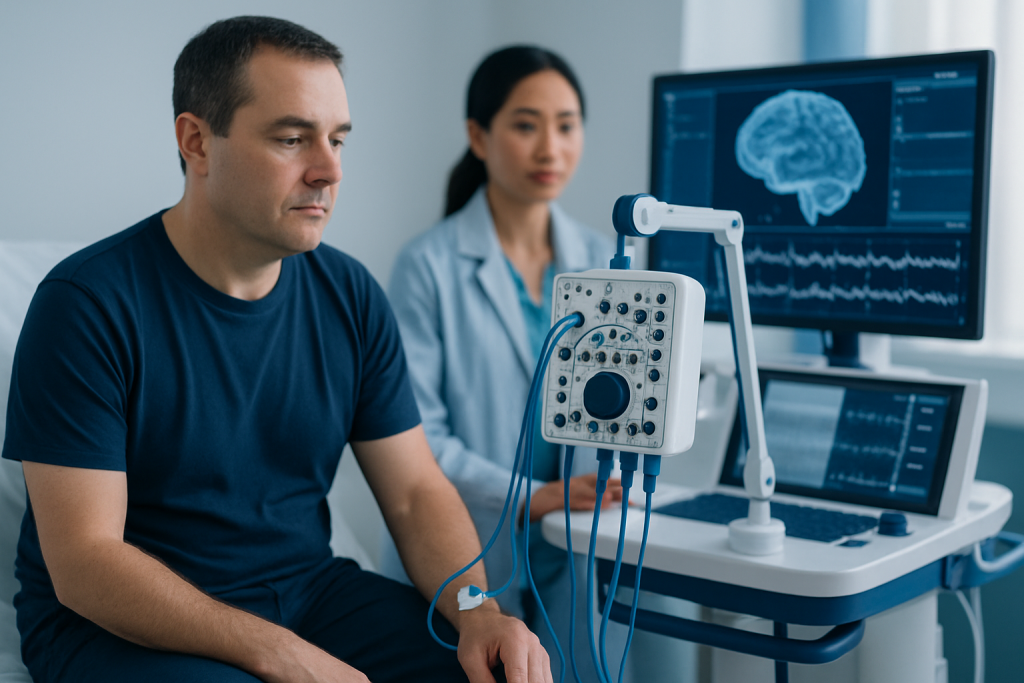
Additional tests are selected based on the clinical picture. These may include blood tests for vitamin, thyroid, autoimmune, inflammatory, or metabolic causes; MRI of the brain or spine; nerve conduction studies and electromyography; lumbar puncture in selected cases; and sometimes genetic testing or muscle biopsy. Imaging can be especially important when symptoms raise concern for structural or brain-related disease, and in some cases evaluation may include MRI scanning or other advanced diagnostic methods.
When symptoms are complex, a multidisciplinary approach can be helpful. Neurologists, neurophysiologists, rehabilitation specialists, and other clinicians may work together to clarify the diagnosis and rule out conditions that can look similar. In specialized centers, assessment may include tools used in neurology evaluation and functional testing to understand how symptoms affect daily life.
Treatment Options
Treatment depends entirely on the underlying cause. There is no single therapy for overlapping CNS and neuromuscular symptoms because the same complaint, such as weakness, can come from many different conditions. Once the diagnosis is clear, treatment is tailored to the specific disorder, symptom severity, and the person’s overall health.
Some conditions are treated with medications that reduce inflammation or modify immune activity. Others may require medicines that improve nerve signaling, manage pain, reduce spasticity, or support movement and function. Structural causes, such as severe spinal compression, may need urgent specialist treatment. Supportive care is also important, especially when symptoms affect mobility, swallowing, speech, or breathing.
Rehabilitation often plays a central role. Physical therapy can help maintain strength, flexibility, balance, and safe movement patterns. Occupational therapy may help with daily tasks, energy conservation, and adaptive strategies. Depending on the diagnosis, some people benefit from physical therapy and rehabilitation as part of a broader care plan.
For selected patients, treatment may involve several specialists working together over time. Near the end of the care journey, some patients seek evaluation at centers such as Acibadem International, where multidisciplinary specialists in JCI-accredited hospitals diagnose and treat neurological and neuromuscular conditions for international patients.
Self-care, Monitoring, and When to Seek Medical Help
Self-care does not replace medical evaluation, but it can support overall health and safety. People with weakness, numbness, or balance problems may benefit from fall-prevention measures at home, regular sleep, balanced nutrition, hydration, and pacing activities to avoid overexertion. Keeping a symptom diary can also be useful, especially if symptoms fluctuate or are triggered by fatigue, heat, stress, or illness.
It is also important to manage any underlying conditions that can worsen nerve or muscle function, such as diabetes, thyroid disease, or vitamin deficiencies. Patients should discuss all prescription medicines, supplements, and alcohol use with their doctor, since some substances can affect nerves or muscles or interact with treatment. Follow-up visits help monitor progression, response to therapy, and any new warning signs.
Medical attention is especially important if symptoms are new, worsening, or unexplained. A person should seek urgent care for sudden weakness, one-sided symptoms, new confusion, severe back pain with leg weakness, loss of bladder or bowel control, or rapid changes in speech or vision. Immediate medical care is also needed for trouble swallowing, choking, chest weakness, or shortness of breath.
Early assessment can make a meaningful difference by identifying treatable causes and preventing complications. Even when symptoms are mild, persistent neurological changes deserve professional evaluation rather than watchful waiting alone.
Frequently asked questions
What is the difference between a central nervous system disorder and a neuromuscular disorder?
A central nervous system disorder affects the brain or spinal cord. A neuromuscular disorder affects peripheral nerves, the nerve-muscle connection, or the muscles themselves. Both can interfere with movement and sensation, which is why symptoms may appear similar.
Can weakness come from both the brain and the muscles?
Yes. Weakness can result from problems in the brain, spinal cord, peripheral nerves, neuromuscular junction, or muscles. The location of the problem often changes the pattern of weakness, associated symptoms, and treatment approach.
Why do doctors sometimes need many tests for these symptoms?
Many neurological and muscle conditions overlap in their early symptoms. Tests such as blood work, MRI, and nerve studies help identify where the problem is located and rule out other possible causes. This step-by-step process helps ensure the right diagnosis and treatment.
Are numbness and tingling always signs of nerve damage?
Not always. Numbness and tingling can come from peripheral nerve problems, spinal cord disease, brain disorders, vitamin deficiencies, or other medical conditions. A doctor considers the pattern, timing, and accompanying symptoms before deciding on the likely cause.
When should someone worry about neuromuscular or neurological symptoms?
Symptoms deserve prompt medical review if they are persistent, progressive, or interfere with daily activities. Urgent care is needed for sudden weakness, trouble breathing, swallowing difficulty, severe imbalance, or symptoms that suggest stroke or spinal cord compression.
Can these overlapping symptoms be treated successfully?
Treatment success depends on the underlying condition, how early it is identified, and how severe symptoms are. Many causes can be improved, controlled, or managed with medication, rehabilitation, and regular follow-up. Even when a condition is chronic, supportive care can often improve safety, comfort, and quality of life.
References
- National Institute of Neurological Disorders and Stroke
- National Institute of Arthritis and Musculoskeletal and Skin Diseases
- Mayo Clinic
- NHS
- Merck Manual
This article is for general information only and is not a substitute for professional medical advice. Please consult a qualified doctor about your individual situation.
Joint and spine care in Turkey — expert assessment & treatment
JCI-accredited · board-certified surgeons · reply within 24h
Add us as a Preferred Source to see more of our trusted health content across Google Search, AI Overviews and Discover.

More from the Health Library



Related Specialists

Prof. Dr. Rezan Topaloğlu
Pediatric Nephrology
Prof. Dr. Ahmet Onur Odabaşı
Ear Nose & Throat
Prof. Dr. Mehmet Ali Vardar
Gynecology & Obstetrics
Prof. Dr. M. Özcan Erdemli
Anesthesiology