Cerebral Venous Sinus Thrombosis: Symptoms That Can Mimic Migraine or Stroke

CVST is a clot in the brain’s venous drainage system, not the more common artery-related stroke. A new severe headache is common, but symptoms can also include vision changes, weakness, seizures, or confusion.
Key Takeaways
- CVST is a clot in the brain’s venous drainage system, not the more common artery-related stroke.
- A new severe headache is common, but symptoms can also include vision changes, weakness, seizures, or confusion.
- Risk factors include pregnancy, the postpartum period, dehydration, certain infections, clotting disorders, and some hormone-based medicines.
- Diagnosis usually relies on brain imaging that looks specifically at the veins, such as CT venography or MR venography.
- Treatment often includes blood thinners, management of the underlying cause, and close neurological monitoring.
Cerebral venous sinus thrombosis (CVST) is a rare type of blood clot that forms in the veins or venous sinuses that drain blood from the brain. Its symptoms can resemble migraine, sinus headache, or stroke, so early medical assessment is important.
Overview
Cerebral venous sinus thrombosis, often shortened to CVST, happens when a blood clot forms in the veins or dural venous sinuses that carry blood away from the brain. When this drainage pathway is blocked, pressure can build up inside the skull and blood flow can be disrupted. This may lead to headache, swelling in the brain, bleeding, or symptoms that resemble a stroke.
Unlike the more familiar type of stroke, which usually involves a blocked artery, CVST affects the venous side of circulation. Because of this, the symptoms can be less typical and may develop over hours, days, or sometimes longer. Some people have only a severe headache at first, while others develop vision changes, weakness, speech difficulty, or seizures.
CVST can affect adults of any age and can also occur in children, although the causes and risks may differ. The condition is uncommon, but it is important because prompt diagnosis and treatment can greatly improve outcomes. A person with unusual neurological symptoms should be assessed by a qualified doctor without delay.
Symptoms that can mimic migraine or stroke
The most common symptom of cerebral venous sinus thrombosis is headache. This headache may be new, unusually severe, steadily worsening, or different from a person’s usual migraine pattern. In some cases it feels diffuse and pressure-like; in others it may be sudden and intense. Because headache is so common in everyday life, CVST can be mistaken for migraine, tension headache, or even a sinus problem.
CVST may also cause stroke-like symptoms. These can include weakness or numbness on one side of the body, trouble speaking, facial drooping, balance problems, or changes in awareness. Seizures may occur, especially when the clot leads to irritation or swelling in brain tissue. Visual symptoms are also possible, including blurred vision, double vision, or temporary dimming of vision due to raised intracranial pressure.
Other possible symptoms include nausea, vomiting, confusion, drowsiness, or fainting. Symptoms may appear all at once or build gradually over time. Warning features that deserve urgent attention include a first or worst headache, headache with neurological symptoms, seizures, new confusion, or symptoms suggestive of stroke.
- New or rapidly worsening headache
- Vision changes or eye pain related to pressure
- Weakness, numbness, or speech difficulty
- Seizure
- Confusion, reduced alertness, or unusual behavior
Causes and risk factors

CVST usually develops when several factors make blood more likely to clot. Sometimes there is a temporary trigger, and sometimes an underlying clotting tendency is present. In some people, no single cause is found even after thorough testing. Understanding the cause matters because it can guide treatment and reduce the chance of recurrence.
Known risk factors include pregnancy and the weeks after childbirth, dehydration, severe anemia, head injury, and infections involving the ear, face, or central nervous system. Hormonal factors also matter. Estrogen-containing birth control pills and hormone therapy can increase clotting risk in some people, especially when combined with smoking or inherited clotting disorders.
Medical conditions linked with CVST include cancer, inflammatory diseases, nephrotic syndrome, and inherited or acquired thrombophilias such as antiphospholipid syndrome. In rare situations, CVST may occur alongside other serious conditions affecting blood vessels or the brain. A clot in a leg or lung can sometimes point to an underlying tendency toward thrombosis, such as deep vein thrombosis.
How doctors diagnose CVST
Diagnosis begins with the person’s symptoms, medical history, and neurological examination. Because CVST can look like migraine, infection, or arterial stroke, doctors consider it especially when headache is unusual or is accompanied by focal neurological signs, seizures, or papilledema, which is swelling seen at the back of the eye. Routine blood tests may help look for infection, anemia, dehydration, or clotting problems, but they cannot confirm CVST on their own.
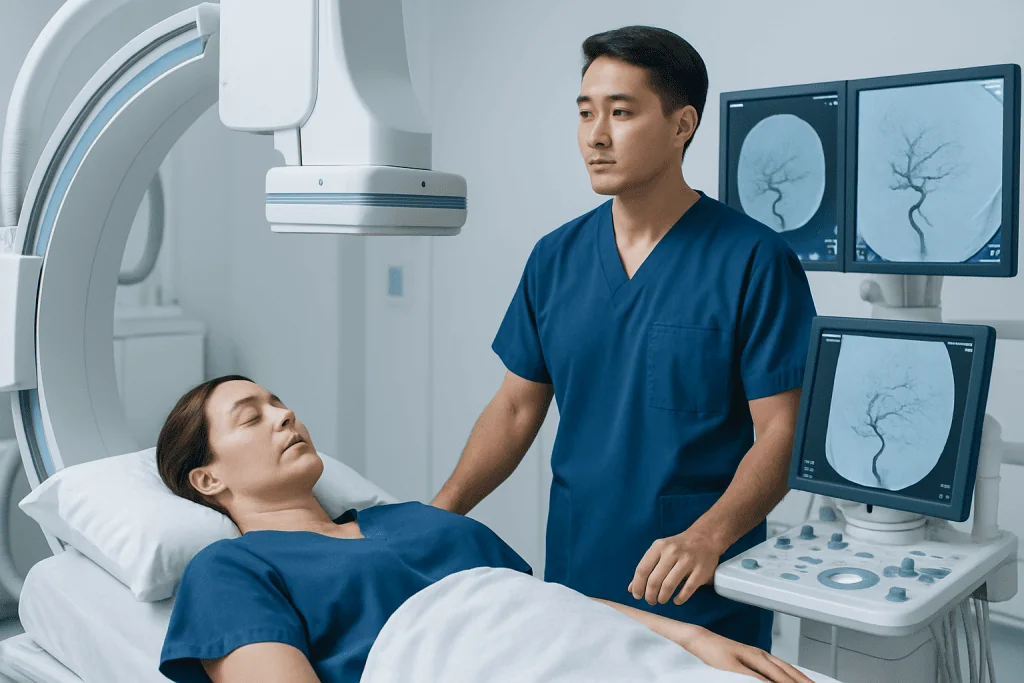
Imaging is the key step. A standard head CT may show indirect clues, but it can also be normal early on. Imaging that specifically looks at the brain’s veins is usually needed, most often CT venography or MR venography. These tests can show where the clot is located and whether there are related complications such as swelling or bleeding.
Additional testing may be recommended to search for the cause. Depending on the situation, this may include clotting studies, evaluation for inflammatory or autoimmune disease, infection workup, pregnancy-related assessment, or cancer screening. In a specialized center, the team may combine neurological examination with advanced neuroradiology assessment to clarify the diagnosis and treatment plan.
Treatment options
The main treatment for cerebral venous sinus thrombosis is anticoagulation, commonly called blood-thinning treatment. Even if there is a small amount of bleeding in the brain, anticoagulation is often still used because the underlying problem is the clot itself. The goal is to prevent the clot from growing, allow the body to gradually dissolve it, and reduce the risk of new clots.
Supportive care is also important. Doctors monitor neurological status, treat seizures if they occur, manage headache and nausea, and address increased intracranial pressure when present. If an infection triggered the clot, antibiotics may be needed. If a medication or hormone therapy contributed, the care team may recommend stopping or changing it under medical guidance.
In selected severe cases, especially when symptoms worsen despite standard treatment, specialists may consider procedures to remove or break up the clot. These decisions are individualized and usually made by an experienced multidisciplinary team. Depending on the person’s condition, options may involve interventional neuroradiology techniques or treatment in a dedicated stroke center with neurological monitoring and critical care support.
The duration of treatment varies according to the cause, the person’s risk factors, and whether the event was provoked or unprovoked. Follow-up visits and repeat imaging may be needed. Rehabilitation can help if weakness, speech difficulty, or cognitive symptoms continue after the acute phase.
Recovery, prevention, and self-care
Many people recover well from CVST, especially when diagnosis and treatment are timely. Recovery can still take weeks or months. Headache, fatigue, concentration problems, or anxiety after a serious neurological event are not unusual. Follow-up with neurology and other specialists helps monitor healing and support a safe return to normal activities.
Prevention focuses on reducing risk factors where possible. This may include staying well hydrated during illness or travel, discussing safer contraceptive options if there is a personal or family history of clotting, and treating underlying conditions such as infection or inflammatory disease. People with known clotting disorders should follow individualized advice from their doctor.
Self-care after diagnosis should be practical and cautious. Medicines should be taken exactly as prescribed, especially anticoagulants. A person should ask before starting new drugs, supplements, or over-the-counter pain relievers because some may interact with blood thinners or increase bleeding risk. Gentle activity is often encouraged as recovery progresses, but strenuous exercise or contact sports may need to wait until the treating team advises it is safe.
When to seek urgent medical care
A severe new headache should not be ignored when it is paired with neurological symptoms. Urgent medical evaluation is important for headache with weakness, numbness, speech trouble, confusion, seizure, fainting, or sudden vision changes. These features can occur in CVST, but they can also signal other emergencies that need prompt treatment.
It is also wise to seek medical attention for a headache that is clearly different from previous migraines, especially during pregnancy or after childbirth, after a significant infection, or in someone with a known clotting disorder. Ongoing vomiting, increasing drowsiness, or a steadily worsening headache are additional reasons for urgent assessment.
For international patients who need evaluation or follow-up, Acibadem International’s multidisciplinary specialists and JCI-accredited hospitals diagnose and treat complex neurological and vascular conditions, including cerebral venous sinus thrombosis, with access to advanced imaging and coordinated care.
Frequently asked questions
Is cerebral venous sinus thrombosis the same as a typical stroke?
No. CVST involves a clot in the veins that drain blood from the brain, while a typical ischemic stroke usually involves a blocked artery. CVST can still cause stroke-like symptoms, which is why urgent evaluation is important.
Can CVST feel like a migraine?
Yes. Headache is the most common symptom, and it may resemble migraine at first. The difference is that the headache is often new, unusually severe, worsening, or associated with symptoms such as vision changes, seizures, weakness, or confusion.
Who is at higher risk for CVST?
Risk is higher during pregnancy and the postpartum period, with dehydration, certain infections, clotting disorders, and some hormone-based medicines. Cancer, inflammatory diseases, and a personal or family history of blood clots may also increase risk.
How is CVST confirmed?
Doctors usually confirm CVST with imaging that looks at the brain’s veins, such as CT venography or MR venography. A regular CT scan may not be enough to rule it out, especially early in the course of symptoms.
Is CVST treatable?
Yes. Most people are treated with anticoagulant medicines to stop the clot from getting larger and to reduce the risk of new clots. Additional treatment may be needed for seizures, increased pressure in the brain, infection, or other underlying causes.
Can someone recover fully from cerebral venous sinus thrombosis?
Many people do recover well, particularly when diagnosis and treatment happen early. Recovery time varies, and some people need follow-up care for headache, fatigue, vision issues, or neurological symptoms.
References
- World Health Organization
- American Heart Association
- National Institute of Neurological Disorders and Stroke
- European Stroke Organisation
- National Health Service
This article is for general information only and is not a substitute for professional medical advice. Please consult a qualified doctor about your individual situation.
Migraine in Turkey — costs, top hospitals & a free quote
JCI-accredited · board-certified surgeons · reply within 24h
Add us as a Preferred Source to see more of our trusted health content across Google Search, AI Overviews and Discover.