Cerebrum Anatomy: What It Does and How It Works

The cerebrum is responsible for many higher brain functions, including thinking, planning, movement, and language. Its left and right hemispheres and four lobes work together through millions of nerve connections.
Key Takeaways
- The cerebrum is responsible for many higher brain functions, including thinking, planning, movement, and language.
- Its left and right hemispheres and four lobes work together through millions of nerve connections.
- Symptoms of cerebrum problems depend on which area is affected and may include weakness, speech changes, vision problems, or memory difficulties.
- Diagnosis usually involves a neurological exam and imaging tests such as MRI or CT scans.
- Healthy habits, injury prevention, and prompt medical attention for sudden symptoms can help protect brain health.
The cerebrum is the largest part of the brain and is central to thought, movement, sensation, language, memory, and emotion. Understanding cerebrum anatomy helps explain how the brain organizes complex daily functions and why different symptoms can appear when specific areas are affected.
Overview
The cerebrum is the largest and most recognizable part of the brain. It sits at the top of the skull and gives the brain much of its folded appearance. In everyday life, the cerebrum helps a person think, learn, remember, speak, move voluntarily, and interpret the world through the senses.
It is divided into two hemispheres, left and right, which are connected by a thick bundle of nerve fibers called the corpus callosum. Although each hemisphere has certain specialties, both sides usually work together continuously. This teamwork allows a person to process information, make decisions, and carry out coordinated actions.
Cerebrum anatomy is often described in terms of lobes and functional networks. The main lobes are the frontal, parietal, temporal, and occipital lobes. Each lobe has major roles, but none works alone. The cerebrum is also closely linked with deeper brain structures that help regulate movement, emotion, memory, and many automatic brain processes.
What the Cerebrum Does
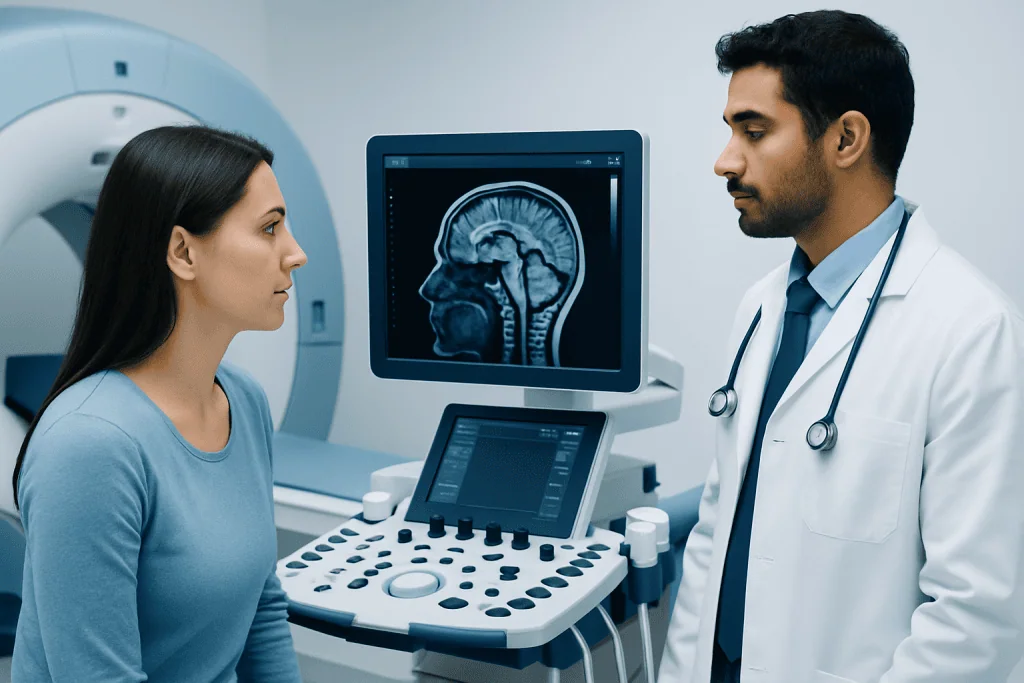
The cerebrum manages many of the abilities that make human experience complex. The frontal lobe supports planning, judgment, problem-solving, impulse control, and voluntary movement. The parietal lobe helps interpret touch, temperature, pain, spatial awareness, and body position. The temporal lobe is important for hearing, language understanding, and memory. The occipital lobe mainly processes vision.
Beyond these broad functions, the cerebrum also helps a person recognize patterns, form language, focus attention, and coordinate both simple and skilled movements. It works with the motor and sensory systems so that the brain can send commands to muscles and receive feedback from the body. This is why something as simple as reaching for a cup requires the cerebrum to process vision, distance, balance, and movement at once.
The cerebral cortex, which is the outer layer of the cerebrum, plays a major role in conscious thought and interpretation. Beneath the cortex, white matter carries signals rapidly between brain areas. This organized structure allows the cerebrum to combine different kinds of information and respond in an efficient way.
Cerebrum Anatomy and Main Parts
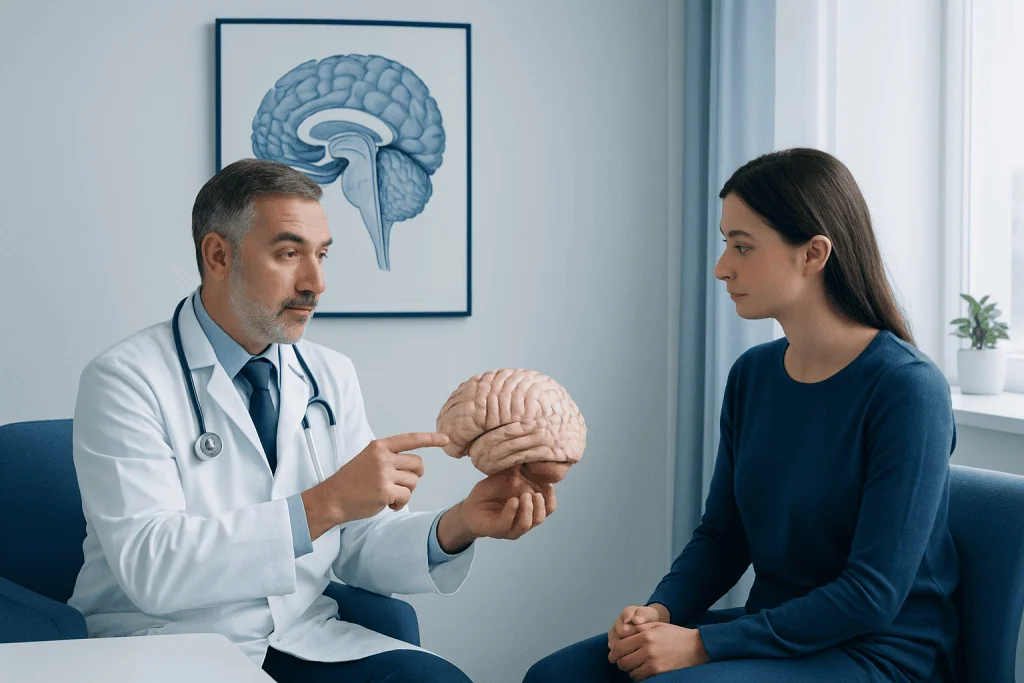
The cerebrum has several layers and regions that support its many functions. The outer gray matter, or cerebral cortex, contains nerve cell bodies and is responsible for much of the brain’s processing. The inner white matter contains nerve fibers that connect different parts of the cortex and communicate with other brain regions and the spinal cord.
Each hemisphere is divided into lobes, and each lobe contains specialized areas. The frontal lobe includes regions involved in speech production, voluntary movement, personality, and executive function. The parietal lobe integrates sensory information and helps with orientation in space. The temporal lobe supports hearing, language comprehension, and memory formation. The occipital lobe interprets visual input.
In addition to the lobes, the cerebrum contains important deep structures such as the basal ganglia and limbic connections. These help with movement control, habit formation, emotion, and memory. Together, these parts create a network rather than separate “modules,” which is why brain functions often overlap and influence one another.
How the Cerebrum Works
The cerebrum works by sending electrical signals through neurons and chemical signals across synapses. When a person sees, hears, touches, speaks, or decides to act, many brain regions activate in a coordinated sequence. The cerebrum receives input, processes it, compares it with stored memories and learned patterns, and then sends instructions to the body.
This communication depends on both gray matter and white matter. Gray matter handles much of the processing, while white matter serves as the brain’s connection system. When pathways are intact, information moves efficiently between regions. When a pathway is damaged, the symptoms may depend on the specific circuit affected, not just the overall size of the injury.
Brain dominance is another helpful concept, though it should not be oversimplified. Some language functions are usually stronger in the left hemisphere, while certain spatial and attention tasks may rely more heavily on the right hemisphere. In reality, most everyday tasks require both sides of the cerebrum to cooperate.
Symptoms of Cerebrum Problems
Symptoms related to the cerebrum vary widely because the cerebrum controls many different functions. A person may notice weakness or numbness on one side of the body, trouble speaking or understanding language, difficulty seeing, changes in balance, or problems with coordination. Memory loss, confusion, personality changes, and difficulty concentrating can also occur.
Other possible signs include seizures, headaches that are new or changing, trouble reading or writing, and unusual behavior changes. Symptoms may appear suddenly, as with stroke or head injury, or develop gradually, as with some tumors, degenerative disorders, infections, or inflammatory conditions.
Because symptoms can overlap with problems in other parts of the nervous system, a careful evaluation is important. The pattern, onset, and progression of symptoms often provide valuable clues about which brain area may be involved.
Causes and Risk Factors
Cerebrum-related symptoms can result from many conditions. Common causes include stroke, traumatic brain injury, brain tumors, infections such as encephalitis, epilepsy, multiple sclerosis, and neurodegenerative disorders. Migraine and some metabolic problems can also affect cerebrum function temporarily.
Risk factors depend on the condition. For example, high blood pressure, diabetes, smoking, high cholesterol, and certain heart conditions can raise stroke risk. Repeated head injuries increase the chance of lasting brain problems. A family history of some neurological disorders may also influence risk, although many brain conditions can occur without a clear inherited pattern.
Age can matter as well. Some conditions are more common in older adults, while others are more often seen in younger people. Still, a healthy lifestyle and prompt treatment of medical conditions can support brain health at any age.
Diagnosis
Doctors usually begin with a detailed history and neurological examination. They may ask about symptoms, timing, medications, injuries, medical conditions, and family history. The exam may assess strength, reflexes, speech, memory, balance, sensation, and vision to help identify which brain areas might be affected.
Imaging tests are often important. MRI can show detailed brain structures and is useful for many cerebrum conditions. CT scans may be used when a rapid assessment is needed, especially after injury or when stroke is suspected. Depending on the situation, doctors may also recommend blood tests, electroencephalography (EEG), lumbar puncture, or specialized neuropsychological testing.
In some cases, additional studies help identify the exact cause or guide treatment planning. For example, vascular imaging may be used if blood flow problems are suspected, while cognitive testing can help evaluate memory and thinking changes. The diagnostic plan is tailored to the person’s symptoms and overall health.
Treatment Options
Treatment depends entirely on the underlying cause. A stroke may require urgent medical treatment and rehabilitation. An infection may need medication. A seizure disorder may be managed with antiepileptic medicines. Brain tumors, when present, may be treated with surgery, radiation, medication, or a combination of approaches. The goal is always to address the cause while protecting brain function as much as possible.
Rehabilitation is often important after conditions affecting the cerebrum. Physical therapy can improve movement and balance, occupational therapy can support daily activities, and speech-language therapy can help with communication or swallowing. Cognitive rehabilitation may also be useful when memory, attention, or planning skills are affected.
In some situations, specialized evaluation and treatment planning may include advanced imaging, neurosurgical consultation, or coordinated care from several specialists. For international patients, Acibadem International offers multidisciplinary specialists and JCI-accredited hospitals that diagnose and treat brain conditions in a coordinated way. Where appropriate, a doctor may also discuss options such as brain tumor surgery or neurosurgery as part of comprehensive care.
Prevention and Self-Care
Not all cerebrum conditions are preventable, but some steps can support brain health. Protecting the head with appropriate safety measures, managing blood pressure and blood sugar, staying physically active, and avoiding tobacco are all helpful habits. Good sleep, balanced nutrition, and limiting alcohol can also support overall neurological health.
If a person has a known neurological condition, following the treatment plan consistently can help reduce complications. That may include taking prescribed medicines as directed, attending follow-up appointments, and reporting new or changing symptoms promptly. Families can also help by noticing changes in speech, movement, memory, or behavior.
For people recovering from a cerebrum-related illness or injury, gradual return to activity is often best. Rest, hydration, structured routines, and rehabilitation exercises recommended by the care team can support recovery. It is wise to avoid returning to driving, sports, or demanding tasks until a qualified clinician says it is safe.
When to See a Doctor
Medical evaluation is important if a person has sudden weakness, facial drooping, trouble speaking, severe headache, confusion, seizure, vision loss, or loss of coordination. These symptoms can signal a serious neurological problem and should not be ignored. Even when symptoms come and go, prompt assessment can help identify the cause early.
A doctor should also be consulted for gradually worsening memory loss, personality changes, repeated falls, persistent headaches, or unexplained speech or movement difficulties. Early diagnosis often leads to more effective management and better planning for daily life.
Anyone with concerns about cerebrum anatomy, brain function, or new neurological symptoms should seek advice from a qualified doctor rather than trying to self-diagnose. A timely evaluation can clarify what is happening and guide the most appropriate next steps.
Frequently asked questions
What is the cerebrum responsible for?
The cerebrum is responsible for higher brain functions such as thinking, planning, language, memory, sensation, and voluntary movement. It also helps a person interpret sight, sound, touch, and other inputs from the body and environment.
What are the four lobes of the cerebrum?
The four main lobes are the frontal, parietal, temporal, and occipital lobes. Each lobe has key roles, such as movement and decision-making, sensation, hearing and memory, or vision.
Can cerebrum problems cause changes in personality?
Yes. Because the cerebrum helps regulate judgment, behavior, and emotional processing, some conditions can lead to personality or mood changes. A medical evaluation can help determine whether the changes are neurological or have another cause.
How do doctors check for cerebrum problems?
Doctors usually start with a neurological exam and questions about symptoms. They may then order MRI, CT, blood tests, EEG, or other studies based on what they suspect.
Are all cerebrum symptoms permanent?
No. Some symptoms are temporary and improve when the underlying cause is treated, while others may last longer. Recovery depends on the condition, how quickly treatment begins, and which brain areas are affected.
What can a person do to protect cerebrum health?
Healthy habits such as controlling blood pressure, staying active, sleeping well, and preventing head injury can support brain health. It is also important to seek medical care early if new neurological symptoms appear.
References
- National Institute of Neurological Disorders and Stroke
- World Health Organization
- Mayo Clinic
- Merck Manual Professional Edition
- American Association of Neurological Surgeons
This article is for general information only and is not a substitute for professional medical advice. Please consult a qualified doctor about your individual situation.
Explore treatments in Turkey — costs, top hospitals & a free quote
JCI-accredited · board-certified surgeons · reply within 24h
Add us as a Preferred Source to see more of our trusted health content across Google Search, AI Overviews and Discover.

More from the Health Library



Related Specialists

Dr. Sevil Elçin Kızılok
Pediatrics
Prof. Dr. Taner Yavuz
Pediatric Cardiology
Prof. Dr. Nazan Bengüdeniz Erda
Ophthalmology
Prof. Dr. Arif Ulubil
Otorhinolaryngology