Cerebrum Disorders: Common Conditions That Affect Thinking, Movement, and Sensation

The cerebrum controls higher brain functions such as memory, language, movement, sensation, and decision-making. Cerebrum disorders include stroke, tumors, infections, traumatic injury, epilepsy, and degenerative conditions.
Key Takeaways
- The cerebrum controls higher brain functions such as memory, language, movement, sensation, and decision-making.
- Cerebrum disorders include stroke, tumors, infections, traumatic injury, epilepsy, and degenerative conditions.
- Symptoms may involve weakness, numbness, seizures, speech problems, confusion, personality changes, or vision changes.
- Diagnosis often involves a neurological exam, brain imaging, blood tests, and sometimes EEG or lumbar puncture.
- Treatment depends on the cause and may include medicines, rehabilitation, surgery, or long-term neurological care.
- Urgent medical attention is needed for sudden weakness, severe headache, seizures, confusion, or speech difficulty.
Cerebrum disorders are conditions that affect the largest part of the brain, which controls thinking, memory, language, movement, sensation, and behavior. Symptoms and treatment vary widely, but early medical evaluation can help identify the cause and support the best possible recovery and long-term management.
Overview of cerebrum disorders
The cerebrum is the largest part of the brain. It is responsible for many essential functions, including thinking, memory, language, attention, voluntary movement, sensory processing, emotions, and problem-solving. Because it plays such a wide role in daily life, disorders affecting the cerebrum can lead to a broad range of symptoms that vary from mild and temporary to severe and long-lasting.
The term cerebrum disorders does not describe one single disease. Instead, it refers to many different conditions that affect the cerebral hemispheres and their networks. These include stroke, head injury, brain infections, tumors, seizure disorders, inflammatory diseases, and progressive neurological conditions. Some disorders develop suddenly, while others begin gradually over months or years.
The effects depend on which area of the cerebrum is involved. For example, damage in one region may affect speech, while another area may control movement, vision, or sensation. In some people, symptoms are obvious and urgent. In others, signs such as memory changes, slower thinking, or subtle weakness may appear gradually.
Although cerebrum disorders can sound overwhelming, many causes can be diagnosed and managed with modern neurological care. Early assessment is important because timely treatment may reduce complications, improve function, and support recovery.
Symptoms that may suggest a cerebrum disorder
Symptoms of cerebrum disorders vary widely because the cerebrum controls so many body and mental functions. Some people notice changes in thinking or memory, while others experience physical symptoms such as weakness, numbness, or difficulty speaking. Symptoms may affect one side of the body, especially when only one cerebral hemisphere is involved.
Common symptoms can include headaches, dizziness, confusion, poor concentration, personality changes, trouble finding words, blurred vision, seizures, or changes in balance and coordination. Movement problems may include weakness of the face, arm, or leg, while sensory symptoms may involve tingling, numbness, or altered awareness of touch, temperature, or pain.
Symptoms often appear in patterns that help doctors identify the likely part of the brain involved. For instance, injury to language centers may cause speech or comprehension problems, while involvement of the frontal lobe may affect planning, behavior, or judgment. Some conditions cause brief episodes, such as seizures or transient speech difficulty, while others cause steady progression.
- Sudden weakness or numbness, especially on one side
- Difficulty speaking or understanding language
- Seizures or loss of awareness
- New confusion, memory loss, or unusual behavior
- Vision loss, double vision, or visual field changes
- Severe or persistent headache, especially if new
Any sudden neurological symptom should be treated as urgent. Prompt medical care is especially important when symptoms begin suddenly, worsen quickly, or are accompanied by loss of consciousness, severe headache, or seizure activity.
Common causes and risk factors

Cerebrum disorders may result from reduced blood flow, bleeding, infection, inflammation, abnormal electrical activity, trauma, tumor growth, or neurodegeneration. One of the most important causes is stroke, in which part of the brain loses its blood supply or bleeds. Stroke can damage brain tissue quickly and may affect movement, speech, sensation, or thinking depending on the area involved.
Other causes include traumatic brain injury after falls, traffic accidents, or sports injuries; infections such as meningitis or encephalitis; and brain tumors that compress or invade surrounding tissue. Seizure disorders like epilepsy can also arise from structural or functional changes in the cerebrum. In older adults, degenerative conditions that affect memory and thinking may progressively involve cerebral networks.
Risk factors depend on the specific disorder but often include high blood pressure, diabetes, smoking, high cholesterol, heart disease, older age, infections, autoimmune disease, and previous neurological injury. Family history may play a role in certain tumor syndromes, seizure disorders, or inherited neurological conditions. Alcohol misuse and substance use can also increase the risk of some brain disorders or worsen existing symptoms.
Not every cerebrum disorder can be prevented, and some occur without a clear cause. However, reducing vascular risk factors, protecting the head from injury, keeping vaccinations up to date when appropriate, and seeking care for new neurological symptoms may lower the risk of severe complications.
How cerebrum disorders are diagnosed
Diagnosis begins with a careful medical history and neurological examination. Doctors ask when symptoms started, how they have changed, and whether there are triggers such as injury, fever, new medications, or previous episodes. The neurological exam checks strength, sensation, reflexes, coordination, speech, vision, memory, and mental status to identify which areas of the brain may be affected.
Brain imaging is often central to diagnosis. Computed tomography and magnetic resonance imaging help detect bleeding, stroke, tumors, swelling, structural abnormalities, or signs of injury. In urgent situations, rapid imaging may be used to rule out emergency causes. Additional tests may include blood work to look for infection, inflammation, metabolic imbalance, or clotting problems.
When seizures are suspected, doctors may use an electroencephalogram to assess electrical activity in the brain. If infection or inflammation is a concern, a lumbar puncture may be needed to examine cerebrospinal fluid. Some people also benefit from neuropsychological testing to evaluate memory, language, attention, and problem-solving in more detail.
Because cerebrum disorders can overlap in symptoms, diagnosis may involve more than one specialist. Neurologists, neuroradiologists, neurosurgeons, rehabilitation physicians, and other experts may work together to understand the cause and recommend the most appropriate treatment plan.
Treatment options and rehabilitation
Treatment depends entirely on the underlying cause. Some conditions require urgent treatment, such as stroke, infection, severe brain swelling, or active seizures. Others are managed over time with medicines, monitoring, rehabilitation, and supportive care. The main goals are to treat the cause, prevent further brain injury, reduce symptoms, and help the person regain as much function and independence as possible.
Medicines may be used to control seizures, reduce inflammation, treat infection, manage blood pressure, or lower the risk of further vascular events. If a structural problem is present, treatment may involve a targeted procedure or surgery. For example, some people may need brain tumor surgery or carefully planned neurosurgery to address pressure on the brain, remove abnormal tissue, or control complications.
Rehabilitation is often a key part of recovery. Depending on symptoms, care may include physical therapy to improve strength and balance, occupational therapy to support daily activities, and speech therapy for communication or swallowing problems. Cognitive rehabilitation can also help patients who have difficulty with memory, attention, or executive function after injury or illness.
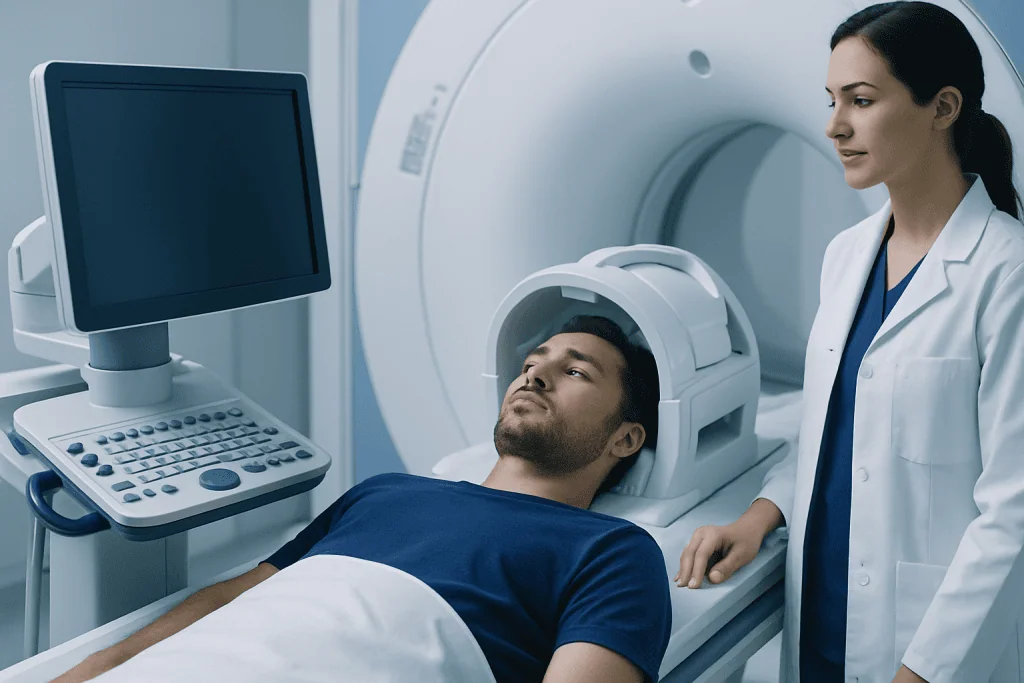
In more complex cases, advanced imaging and specialist planning may guide treatment decisions, including MRI for detailed brain assessment. Near the end of the care pathway, patients may also benefit from coordinated follow-up. Acibadem International’s multidisciplinary specialists and JCI-accredited hospitals diagnose and treat cerebrum disorders for international patients when specialized neurological care is needed.
Prevention and self-care
Self-care and prevention focus on lowering risk where possible and supporting overall brain health. For many adults, the most important steps involve managing blood pressure, cholesterol, diabetes, and heart disease. Avoiding tobacco, limiting alcohol, staying physically active, and following a balanced diet can also support healthy blood vessels and reduce the risk of stroke and other brain-related complications.
Preventing head injury is another practical step. Wearing seat belts, using helmets for cycling or contact sports, and reducing fall risks at home can help protect the brain. People who have already had a neurological event should follow their treatment plan closely, attend rehabilitation sessions, and take prescribed medicines as directed by their doctor.
Good sleep, stress management, social engagement, and mentally stimulating activities may help support cognitive function, although they do not replace medical treatment. People with seizure disorders should also discuss safety precautions with their healthcare team, especially regarding driving, swimming, heights, and work-related hazards.
It is helpful to keep a record of symptoms, including when they occur, how long they last, and whether there are possible triggers. This information can make follow-up visits more productive and help doctors adjust treatment when needed.
When to see a doctor
Medical attention should be sought promptly for any new neurological symptom, even if it seems mild or goes away quickly. Brief episodes of weakness, numbness, confusion, or speech difficulty can still signal an important brain problem. Early assessment may lead to faster treatment and better outcomes.
Emergency care is especially important if symptoms begin suddenly. Warning signs include one-sided weakness, facial drooping, trouble speaking, sudden severe headache, loss of vision, seizure, fainting, or marked confusion. These symptoms may reflect stroke, bleeding, serious infection, or other urgent conditions that should not be monitored at home.
Ongoing symptoms also deserve evaluation, particularly if there are repeated headaches, worsening memory, personality changes, new balance problems, or unexplained seizures. Children, older adults, and people with cancer, autoimmune disease, or recent infection may need especially careful assessment because symptoms can present differently.
When in doubt, it is safest to contact a qualified doctor. Early neurological evaluation can help clarify the cause, guide treatment, and provide reassurance when symptoms are not due to a serious disorder.
Frequently asked questions
What does the cerebrum do?
The cerebrum is the largest part of the brain and is involved in thinking, memory, language, movement, sensation, and behavior. Different regions handle different tasks, so symptoms depend on which area is affected.
Are cerebrum disorders always serious?
Some cerebrum disorders are medical emergencies, while others are mild, temporary, or slowly progressive. The seriousness depends on the cause, the location in the brain, and how quickly treatment begins.
Can cerebrum disorders cause personality or memory changes?
Yes. Because the cerebrum plays a major role in memory, judgment, emotions, and social behavior, some disorders can lead to noticeable changes in personality or thinking. These changes should be assessed by a doctor, especially if they are new or worsening.
How are cerebrum disorders treated?
Treatment is based on the underlying cause. It may include medicines, rehabilitation, monitoring, or procedures such as surgery in selected cases. Many patients benefit from care by a multidisciplinary neurological team.
Can someone recover from a cerebrum disorder?
Recovery is possible in many cases, but it varies widely depending on the condition and the amount of brain tissue affected. Early treatment, rehabilitation, and regular follow-up can improve function and quality of life.
What symptoms need emergency attention?
Sudden weakness, numbness, trouble speaking, severe headache, seizures, confusion, or vision loss require urgent medical attention. These symptoms may point to stroke, bleeding, infection, or another serious brain problem.
References
- World Health Organization
- National Institute of Neurological Disorders and Stroke
- Centers for Disease Control and Prevention
- National Health Service
- Mayo Clinic
This article is for general information only and is not a substitute for professional medical advice. Please consult a qualified doctor about your individual situation.
Explore treatments in Turkey — costs, top hospitals & a free quote
JCI-accredited · board-certified surgeons · reply within 24h
Add us as a Preferred Source to see more of our trusted health content across Google Search, AI Overviews and Discover.
Check your numbers in seconds
BMI, calories, due date, blood pressure and 30+ more clinical calculators — free, instant, doctor-reviewed ranges.