Cerebrum vs Cerebral Cortex: What’s the Difference?

The cerebrum is the largest part of the brain and includes several deeper structures. The cerebral cortex is the outer layer of the cerebrum.
Key Takeaways
- The cerebrum is the largest part of the brain and includes several deeper structures.
- The cerebral cortex is the outer layer of the cerebrum.
- The cortex plays a major role in thinking, language, memory, sensation, and voluntary movement.
- Damage to different areas of the cerebrum or cortex can cause different neurological symptoms.
- Brain imaging and neurological examination help doctors evaluate problems affecting these areas.
The cerebrum and the cerebral cortex are closely related, but they are not the same structure. The cerebrum is the brain’s largest part, while the cerebral cortex is the thin outer layer of the cerebrum that supports many higher brain functions.
Overview: Cerebrum vs Cerebral Cortex
When people compare the cerebrum and the cerebral cortex, they are describing two closely connected parts of brain anatomy. The cerebrum is the largest region of the brain. It includes the two cerebral hemispheres and contains both outer and deeper tissues that support movement, sensation, memory, language, emotion, and thinking.
The cerebral cortex is the thin, folded outer layer that covers the cerebrum. It is made largely of gray matter, which contains many nerve cell bodies. This layer is especially important for higher brain functions such as conscious thought, planning, decision-making, interpreting sensory input, and controlling voluntary actions.
In simple terms, the cerebral cortex is part of the cerebrum, but it is not the whole cerebrum. A useful comparison is to think of the cerebrum as the whole fruit and the cortex as its outer skin. Both matter greatly, but they are not interchangeable terms.
Understanding this difference can make it easier to follow conversations about brain health, imaging scans, strokes, injuries, seizures, and neurological disorders. It also helps explain why symptoms vary depending on whether a condition affects the brain’s surface, deeper cerebral structures, or both.
What Is the Cerebrum?
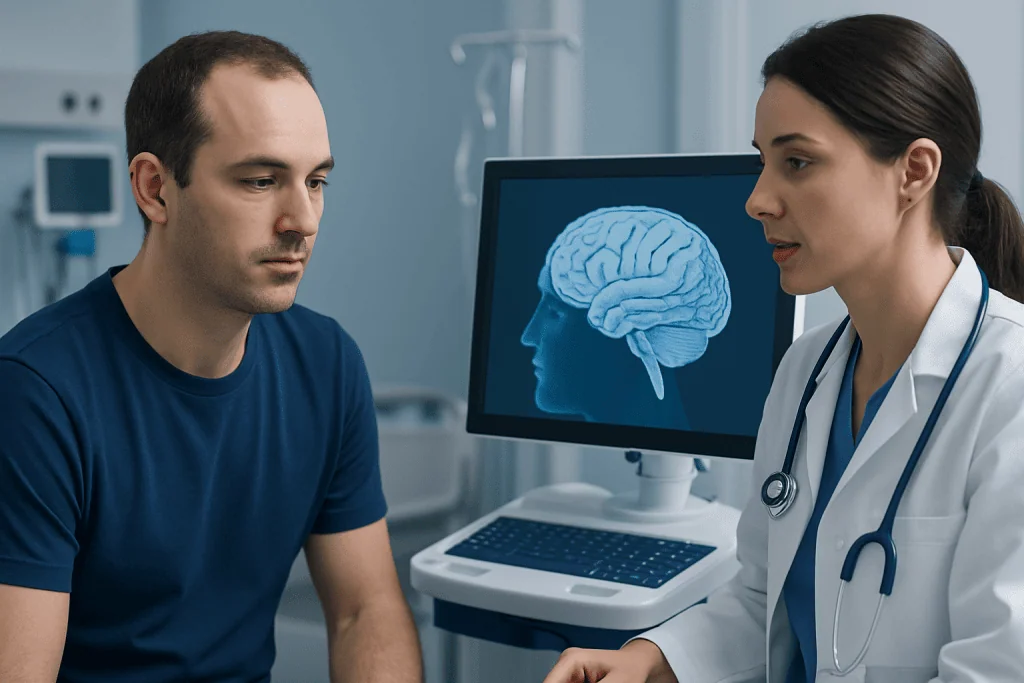
The cerebrum is the largest and most visible part of the human brain. It is divided into a right and a left hemisphere, connected by bundles of nerve fibers that allow communication between the two sides. Each hemisphere helps process information, although some functions are more dominant on one side than the other in many people.
The cerebrum contains the cerebral cortex on its surface, as well as deeper white matter and other internal structures. White matter consists mainly of nerve fibers that carry signals between different brain regions. This internal network helps the brain integrate sensation, movement, memory, and emotional responses into coordinated behavior.
The cerebrum is commonly described by its lobes, each linked to broad functions:
- Frontal lobe: planning, judgment, personality, speech production, and voluntary movement
- Parietal lobe: touch, body awareness, and spatial processing
- Temporal lobe: hearing, language understanding, and memory
- Occipital lobe: visual processing
Because the cerebrum is involved in so many essential tasks, problems affecting it can lead to a wide range of symptoms. These may include weakness, numbness, language difficulties, confusion, memory changes, visual problems, or changes in mood and behavior, depending on the exact area involved.
What Is the Cerebral Cortex?

The cerebral cortex is the outermost layer of the cerebrum. It has a wrinkled appearance with folds and grooves that increase its surface area. This design allows a large amount of nerve tissue to fit within the skull and supports the brain’s complex processing abilities.
The cortex is often called the brain’s “thinking layer” because it is central to conscious awareness and higher mental functions. It helps a person interpret what they see, hear, and feel, form language, make decisions, solve problems, remember experiences, and control purposeful movement.
Different cortical areas have specialized roles. For example, the motor cortex helps initiate voluntary movements, the sensory cortex processes touch and body sensations, the visual cortex interprets visual information, and language-related cortical regions support speaking and understanding words. Although these functions can be mapped broadly, the brain works through networks rather than completely isolated zones.
Doctors may refer specifically to the cortex when discussing conditions that affect the brain’s surface or alter higher cognitive function. Examples include some seizure disorders, cortical strokes, traumatic injuries, and neurodegenerative changes. In some cases, advanced assessment by neurology specialists may help clarify whether symptoms arise from cortical or deeper cerebral involvement.
Key Differences Between the Cerebrum and the Cortex
The main difference is anatomical. The cerebrum is the entire large upper portion of the brain, while the cerebral cortex is only its outer layer. This means the cortex is a component of the cerebrum, along with white matter and deeper structures that also play important roles in communication and processing.
The second difference relates to function. The cerebrum as a whole supports broad and integrated brain activity, including sensory interpretation, movement, memory, learning, language, and behavior. The cortex contributes strongly to higher-order functions, but it depends on connections with deeper brain pathways to work effectively.
A third difference is how diseases may affect them. Some conditions primarily involve cortical tissue, while others affect deeper parts of the cerebrum or disrupt the connections between regions. For example, a stroke can involve the cortical surface, deep white matter, or both. A brain tumor may arise in one lobe and affect nearby cortical and subcortical tissue. A seizure focus may begin in the cortex and then spread.
These distinctions matter in diagnosis and treatment planning. When a doctor reviews symptoms, examination findings, or imaging, they often try to identify whether the problem is likely cortical, deeper cerebral, or more widespread. In patients with concerning symptoms, evaluation may include MRI imaging to look closely at brain structure and affected areas.
How These Brain Areas Affect Daily Function
Both the cerebrum and the cerebral cortex are essential for daily life. They help a person move intentionally, speak, understand language, recognize surroundings, focus attention, regulate behavior, store memories, and respond appropriately to the environment. Even routine tasks such as reading, walking, dressing, or preparing a meal depend on coordinated activity across cerebral networks.
If the cortex is affected, higher mental functions may be especially noticeable. A person may have trouble finding words, understanding speech, solving problems, recognizing objects, or making sense of sensory information. Depending on the location, cortical problems can also cause seizures or changes in voluntary movement and sensation.
If deeper parts of the cerebrum are involved, symptoms may reflect disrupted communication pathways as well as local injury. This can lead to weakness, slowed thinking, numbness, poor coordination of complex tasks, or difficulties linking information between regions. Often, symptoms overlap because the cerebrum functions as an interconnected system rather than separate isolated parts.
This is why neurological symptoms should be interpreted in context. Similar complaints can arise from different brain regions, and a careful medical evaluation is often needed to determine the cause. Conditions such as stroke or epilepsy may affect cerebral function in different ways depending on the exact location and extent of brain involvement.
How Doctors Evaluate Problems in the Cerebrum or Cortex
Doctors begin with a medical history and neurological examination. They ask about the onset of symptoms, whether problems came on suddenly or gradually, and whether there are associated features such as headache, confusion, weakness, memory decline, speech changes, or seizures. The neurological exam may assess strength, reflexes, sensation, coordination, vision, language, and mental status.
Brain imaging is often very important. MRI is commonly used because it provides detailed images of brain tissues, including the cortex and deeper cerebral structures. CT scans may be used in emergencies, especially when stroke, bleeding, or head injury is suspected. In selected cases, doctors may request additional studies to evaluate blood flow, electrical activity, or possible inflammation.
Other tests depend on the clinical situation. An electroencephalogram may help if seizures are suspected. Blood tests can look for infection, metabolic problems, vitamin deficiencies, or inflammatory causes of neurological symptoms. Cognitive testing may be helpful when memory, attention, or reasoning changes are a concern.
Treatment decisions depend on the underlying diagnosis, not simply on whether a problem is in the cerebrum or cortex. For complex cases, care may involve neurologists, neuroradiologists, rehabilitation specialists, and neurosurgeons. In some situations, a doctor may discuss brain tumor surgery or other targeted therapies if a structural lesion is found.
Conditions That Can Affect the Cerebrum and Cerebral Cortex
Many different conditions can affect these brain areas. Common examples include stroke, traumatic brain injury, seizures, infections, tumors, inflammatory diseases, and degenerative disorders that affect memory or behavior. Some conditions primarily involve one lobe or one side of the brain, while others are more diffuse.
Stroke can interrupt blood flow to cortical or deeper cerebral tissues, leading to sudden neurological symptoms. Seizures often begin with abnormal electrical activity in the cortex. Traumatic injury may bruise the brain surface, damage deeper tissue, or cause bleeding that affects multiple regions. Brain tumors may press on, invade, or irritate both cortical and subcortical areas.
Neurodegenerative disorders may also change cerebral and cortical function over time. Depending on the condition, a person may develop progressive memory loss, language difficulties, personality changes, or problems with planning and judgment. Because symptoms overlap with many other conditions, professional evaluation is important rather than self-diagnosis.
Near the end of the care journey, some patients also need rehabilitation to recover function after a cerebral illness or injury. Physical therapy, speech therapy, and cognitive rehabilitation may support mobility, communication, and independence. Acibadem International’s multidisciplinary specialists and JCI-accredited hospitals diagnose and treat neurological conditions for international patients when specialist assessment is needed.
When to Seek Medical Advice
It is sensible to seek medical advice for persistent or unexplained neurological symptoms. These include new weakness, numbness, trouble speaking, severe headaches with neurological changes, seizures, memory problems, confusion, sudden vision changes, or clear changes in behavior or personality. Even mild symptoms deserve attention if they are recurring or gradually worsening.
Urgent medical care is especially important when symptoms begin suddenly. Sudden facial drooping, arm weakness, difficulty speaking, loss of balance, or a sudden severe headache can be signs of a medical emergency. Immediate assessment can be critical, especially if a stroke is possible.
For non-emergency concerns, a neurologist can help evaluate whether symptoms may relate to the cerebrum, cerebral cortex, or another part of the nervous system. Keeping track of when symptoms started, how often they happen, and what makes them better or worse can help the doctor make an accurate assessment.
Although learning brain anatomy can be helpful, it should not replace medical advice. The difference between the cerebrum and cerebral cortex is important for understanding the brain, but diagnosis and treatment always depend on the underlying condition and the person’s full clinical picture.
Frequently asked questions
Is the cerebral cortex the same as the cerebrum?
No. The cerebral cortex is the thin outer layer of the cerebrum, not the whole structure. The cerebrum also includes deeper white matter and other internal components that help different parts of the brain communicate.
What does the cerebrum do?
The cerebrum supports many major brain functions, including movement, sensation, language, memory, learning, and behavior. It is the largest part of the brain and coordinates much of conscious activity and higher processing.
What is the main function of the cerebral cortex?
The cerebral cortex is especially important for higher brain functions such as thinking, planning, perception, language, and voluntary movement. It also helps process sensory information such as touch, vision, and sound.
Can damage to the cortex cause symptoms different from damage to deeper brain tissue?
Yes. Cortical damage may more directly affect language, perception, voluntary movement, or seizures, depending on the location. Deeper cerebral damage may disrupt communication pathways and can also cause weakness, sensory changes, or cognitive problems.
How do doctors tell whether a problem affects the cerebrum or the cortex?
Doctors use the person’s symptoms, a neurological examination, and brain imaging such as MRI or CT scans. Sometimes additional tests, including EEG or cognitive assessments, are used to understand the exact area and cause of the problem.
Are disorders of the cerebrum always serious?
Not always, but they should be assessed carefully because the cerebrum controls many essential functions. Some issues are temporary or treatable, while others require long-term monitoring and specialist care.
References
- World Health Organization
- National Institute of Neurological Disorders and Stroke
- MedlinePlus
- Mayo Clinic
- American Association of Neurological Surgeons
This article is for general information only and is not a substitute for professional medical advice. Please consult a qualified doctor about your individual situation.
Explore treatments in Turkey — costs, top hospitals & a free quote
JCI-accredited · board-certified surgeons · reply within 24h
Add us as a Preferred Source to see more of our trusted health content across Google Search, AI Overviews and Discover.