Cervical Cancer Screening Guidelines: How It Works, Results and What to Expect

Screening can detect high-risk HPV and abnormal cervical cells before cervical cancer develops. For most average-risk people, screening begins at age 21 and continues through age 65, with test intervals based on age and test type.
Key Takeaways
- Screening can detect high-risk HPV and abnormal cervical cells before cervical cancer develops.
- For most average-risk people, screening begins at age 21 and continues through age 65, with test intervals based on age and test type.
- A positive high-risk HPV result does not mean a person has cervical cancer.
- Most screening visits are brief, and people can usually return to normal activities immediately afterward.
- Unexpected bleeding, persistent pelvic pain, or unusual discharge should be assessed even if a recent screening test was normal.
Cervical cancer screening guidelines recommend regular HPV testing, Pap testing, or both for eligible people with a cervix to identify HPV infection and cell changes before they become cancer. The best test and interval depend on age, prior results, health history, and the screening options available locally.
Overview: what cervical cancer screening guidelines recommend
Cervical cancer screening guidelines are designed to find changes in cervical cells early, when monitoring or treatment can prevent cancer from developing. Screening is not a test for cancer symptoms; it is a preventive health measure for people who do not have warning signs. The main methods are testing for high-risk human papillomavirus (HPV), a Pap test (also called cervical cytology), or a combined HPV and Pap test.
Guidelines in the United States commonly advise starting screening at age 21 for people with a cervix, although recommendations may differ somewhat between professional organizations and countries. From ages 21 to 29, Pap testing at regular intervals is commonly used. From ages 30 to 65, primary HPV testing, HPV/Pap co-testing, or Pap testing alone may be appropriate depending on national guidance, previous results, and access to testing. A clinician can recommend the most suitable schedule for the individual.
People who have had a total hysterectomy with removal of the cervix for non-cancerous reasons may not need further screening. However, screening plans differ for those with a history of significant cervical precancer, cervical cancer, HIV, immune suppression, or exposure to diethylstilbestrol before birth. These situations require individualized follow-up.
How cervical screening works and who should have it
Nearly all cervical cancers are linked to persistent infection with certain types of HPV. HPV is very common and is transmitted through intimate skin-to-skin sexual contact. In most people, the immune system clears HPV without treatment. When a high-risk type remains present over time, it can sometimes cause abnormal cell changes in the cervix.
An HPV test looks for genetic material from high-risk HPV types. A Pap test examines collected cervical cells for changes that may need repeat testing, closer assessment, or treatment. These tests complement each other: HPV testing identifies infection associated with risk, while cytology evaluates whether cells already appear abnormal.
Screening is generally recommended for people with a cervix who are within the guideline age range, including those who have received the HPV vaccine. Vaccination substantially reduces the risk of HPV-related disease, but it does not protect against every cancer-associated HPV type and does not replace recommended screening. People who are pregnant can often be screened when due, although timing and follow-up decisions should be discussed with their maternity clinician.
- Screening is usually appropriate even without sexual activity in recent years if a person has been sexually active in the past.
- Screening may be needed after menopause if the cervix is present and the person has not met criteria to stop.
- Routine screening is not usually recommended after age 65 for average-risk people with an adequate history of normal results and no high-risk history.
What happens during a Pap test or HPV test
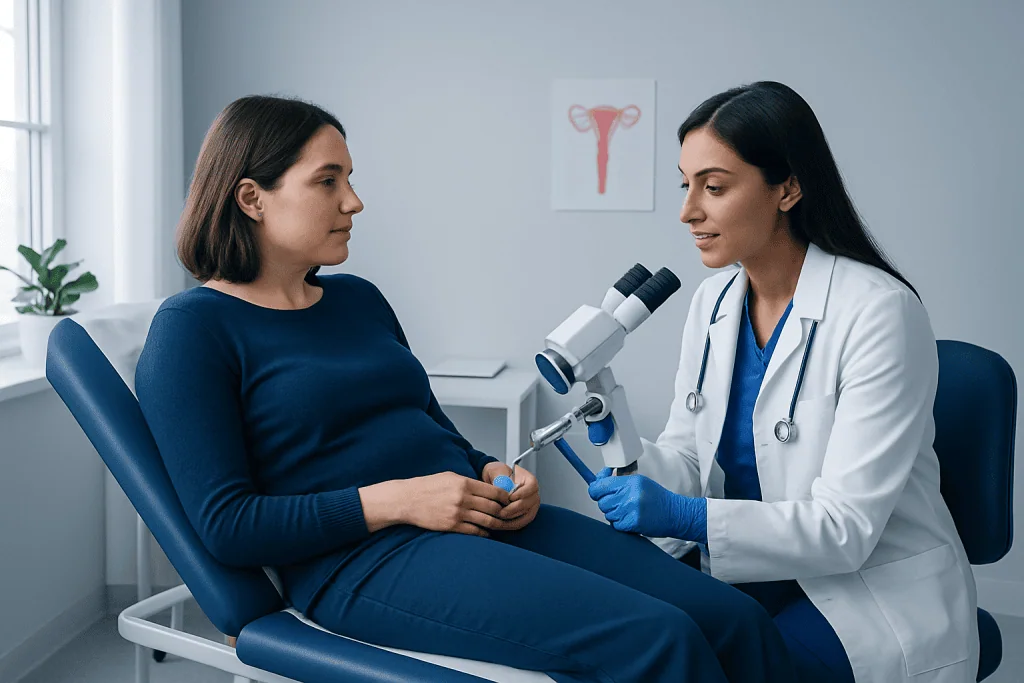
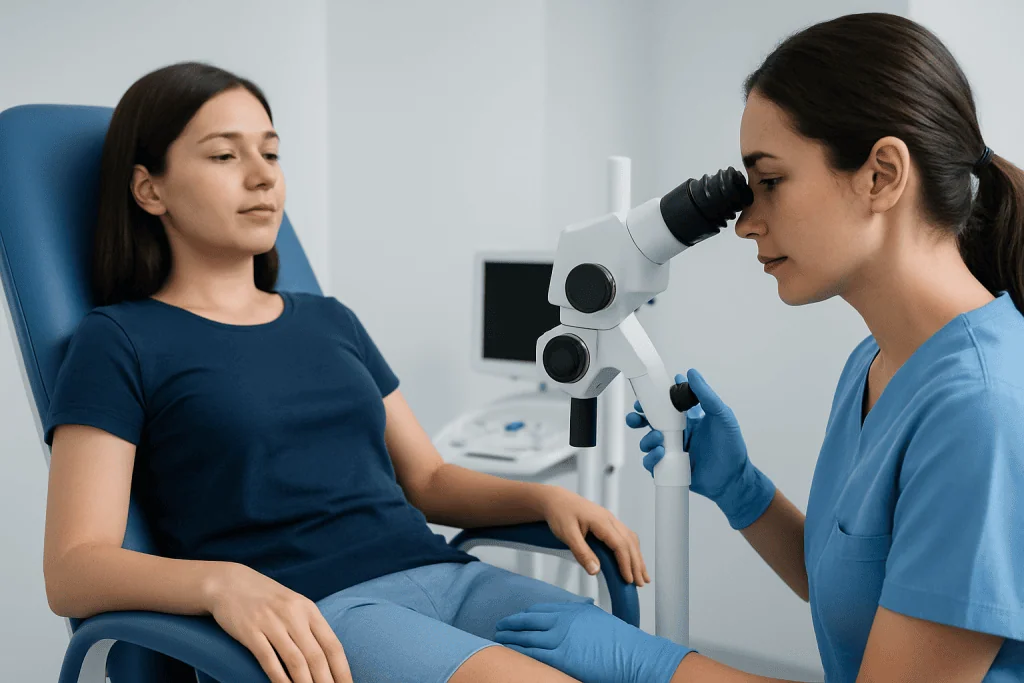
A cervical screening appointment is usually performed in a clinic or gynecology office and often takes only a few minutes. Before the visit, a clinician may advise avoiding vaginal intercourse, douching, and vaginal products for a short period if possible, as these may affect sample collection. Menstruation does not always prevent testing, but a person can ask whether rescheduling would provide the best sample.
During the procedure, the person lies on an examination table with their feet supported. A clinician gently places a speculum in the vagina to see the cervix. A small soft brush or spatula is used to collect cells from the surface and opening of the cervix. The sample may be used for HPV testing, Pap testing, or both. The collection can cause brief pressure, discomfort, or mild cramping, but it should not be sharply painful.
Afterward, most people can return to work, exercise, and other usual activities immediately. Mild spotting may occur, particularly if the cervix is sensitive, and usually settles quickly. Results may be available within days to a few weeks, depending on the laboratory and health system. A result requiring follow-up is common and usually reflects HPV or minor cell changes rather than cancer.
Understanding results, including a positive HPV test
Results may be reported as HPV negative, HPV positive, normal cytology, or an abnormal cytology finding. An HPV-negative result is reassuring because the likelihood of a significant cervical precancer in the near term is low. A normal Pap result means no concerning cell changes were seen in that sample. The next screening date depends on the test used and the person’s history.
A positive HPV result means that one or more high-risk HPV types were detected. It does not indicate when the infection was acquired, whether it is new, or whether a partner has been unfaithful. It also does not mean that a person has cervical cancer. Many positive results clear naturally, while persistent infections may need repeat testing or further assessment.
Follow-up may include repeating an HPV test after a defined interval, conducting a more detailed cervical examination called colposcopy, or taking a small tissue sample if indicated. The decision is based on the exact HPV result, Pap findings, age, prior screening history, and personal medical factors. When treatment for a cervical precancer is recommended, procedures that remove or destroy abnormal tissue can be highly effective.
What does it mean to have positive HPV 31 33 35 39 51 52 56 58 59 66? These are HPV types generally classified as high-risk because persistent infection can be associated with cervical precancer and, less commonly, cervical cancer. They are not HPV types 16 or 18, which carry particularly high risk and may prompt more immediate evaluation in some screening pathways. A positive result for one or more of these types still does not diagnose cancer; the appropriate next step depends on the accompanying Pap result and previous screening history.
Benefits, limitations and possible risks of screening
The main benefit of screening is prevention. Detecting high-risk HPV or cervical cell changes before cancer develops makes it possible to monitor changes carefully or treat precancer when necessary. This approach has helped reduce cervical cancer rates where organized screening programs are widely available.
Screening also has limitations. No test is perfect: a sample may occasionally miss an abnormality, and a result can be unclear or falsely positive. HPV infection is common, and finding it can lead to anxiety, repeat tests, or colposcopy even though many infections resolve without causing harm. Clinicians use risk-based recommendations to balance early detection against unnecessary procedures.
The physical risks of a Pap or HPV sample are minimal and may include brief discomfort, cramping, or light spotting. Colposcopy and biopsy, if needed, can cause temporary bleeding or discharge. Treatments for cervical precancer can carry a small risk of effects on future pregnancy, so specialists consider the degree of abnormality, reproductive plans, and the safety of observation when appropriate.
What are the new Pap smear guidelines for 2026?
There is no single worldwide set of new Pap smear guidelines for 2026. Recommendations vary by country and organization, and they are increasingly based on primary HPV testing rather than Pap testing alone for many people aged 30 to 65. In the United States, major guidelines continue to support regular screening for average-risk people with a cervix from age 21 through 65, using age-appropriate testing options.
For many average-risk adults aged 30 to 65, primary high-risk HPV testing at longer intervals is a preferred or acceptable option where available. HPV/Pap co-testing or Pap testing alone remain accepted approaches in several guidance frameworks. For ages 21 to 29, Pap testing at regular intervals remains common, while routine HPV testing alone is generally not used as the standard first approach in this age group.
Because updates may occur and individual circumstances matter, people should not change or stop screening based only on online information. A clinician can confirm the current local recommendations and whether prior abnormal results, treatment for precancer, immune conditions, or a hysterectomy alter the usual schedule.
When to seek medical care
Screening is important, but it does not replace assessment of symptoms. A person should arrange medical care promptly for bleeding after sex, bleeding between periods, bleeding after menopause, persistent unusual vaginal discharge, or ongoing pelvic pain. These symptoms often have causes other than cancer, but they should be evaluated rather than waiting for the next planned screening test.
What is the 2 week rule for cervical cancer? The phrase “2 week rule” is used in some healthcare systems to describe an urgent referral target for people with symptoms that could suggest cancer, rather than a rule that diagnoses cervical cancer. It may mean that a specialist assessment is intended to take place within about two weeks after an urgent referral. It is not a screening interval and does not mean that symptoms present for two weeks are necessarily caused by cancer.
People should also contact their clinician after receiving an abnormal screening result if they are unsure about the follow-up plan or develop new symptoms. Acibadem International’s multidisciplinary specialists and JCI-accredited hospitals provide evaluation and treatment for international patients with cervical conditions, including assessment of abnormal screening findings.
Common questions about the screening visit
Do they check your breasts during a Pap smear? A Pap smear is a cervical screening procedure, so it does not include a breast examination. A clinician may offer or perform a breast examination during a separate or broader gynecologic preventive visit, depending on the reason for the appointment, personal history, and local practice. Breast screening recommendations, including mammography, are separate from cervical screening guidelines.
People can ask before the examination what it will involve, request a chaperone, and tell the clinician about pain, anxiety, trauma history, or concerns about modesty. The examination can be paused or stopped at any time. Clear communication can help make cervical screening more comfortable and ensure that follow-up plans are understood.
Frequently asked questions
How often should cervical cancer screening be done?
The interval depends on age, the type of test used, local guidance, and previous results. For average-risk people, Pap testing, HPV testing, or both may be recommended at intervals ranging from several years. A clinician can advise the correct schedule based on the individual’s health history.
Can a Pap smear detect HPV?
A Pap smear looks for changes in cervical cells, not HPV itself. An HPV test is a separate laboratory test that detects high-risk HPV infection, although both tests may be performed from the same cervical sample. Some screening programs use combined testing.
Does a positive HPV test mean cervical cancer?
No. A positive result means a high-risk HPV type was detected, and most HPV infections do not lead to cancer. Follow-up testing or colposcopy may be recommended to determine whether any cervical cell changes are present.
Can someone have cervical cancer with a normal Pap test?
Although Pap testing is effective, no screening test detects every abnormality. This is why screening should be repeated at recommended intervals and why symptoms such as unusual bleeding should be assessed even after a normal result. HPV testing can add important information about risk.
Should people who received the HPV vaccine still have screening?
Yes. HPV vaccination lowers the risk of infection from important HPV types, but it does not prevent every type linked to cervical cancer. Vaccinated people should continue screening according to recommendations for their age and medical history.
Is cervical screening painful?
Many people feel pressure from the speculum and a brief sensation of discomfort or cramping during sample collection. It should not cause severe pain. Informing the clinician about discomfort can allow adjustments, including using a smaller speculum or pausing the examination.
References
- American Cancer Society
- U.S. Preventive Services Task Force
- Centers for Disease Control and Prevention
- World Health Organization
- American College of Obstetricians and Gynecologists
This article is for general information only and is not a substitute for professional medical advice. Please consult a qualified doctor about your individual situation.
Cervical Cancer in Turkey — costs, top hospitals & a free quote
JCI-accredited · board-certified surgeons · reply within 24h
Add us as a Preferred Source to see more of our trusted health content across Google Search, AI Overviews and Discover.

Medical Oncology Department
Medical treatment of cancer with chemotherapy, immunotherapy and targeted therapies under a multidisciplinary tumor board.
60 specialists in this unitMore from the Health Library



Related Specialists

Dr. Nida Özer
Gynecology & Obstetrics
Prof. Dr. Ceyda Erel Kirişoğlu
Pulmonology
Dr. Hasan Şen
Ophthalmology
Assoc. Prof. Dr. Murat Baştopcu
Cardiovascular Surgery