Chest Pain: Heart-Related Causes, Warning Signs, and Evaluation

Chest pain should be assessed in context, including symptoms, medical history, risk factors, and physical examination. Heart-related chest pain may feel like pressure, tightness, heaviness, burning, or discomfort that spreads to the arm, jaw, neck, back, or upper abdomen.
Key Takeaways
- Chest pain should be assessed in context, including symptoms, medical history, risk factors, and physical examination.
- Heart-related chest pain may feel like pressure, tightness, heaviness, burning, or discomfort that spreads to the arm, jaw, neck, back, or upper abdomen.
- Emergency care is needed for chest pain with shortness of breath, sweating, fainting, nausea, sudden weakness, or pain lasting more than a few minutes.
- Evaluation may include an ECG, blood tests for cardiac enzymes, chest imaging, echocardiography, stress testing, or coronary CT angiography.
- Healthy lifestyle habits and management of blood pressure, cholesterol, diabetes, and smoking risk can reduce the likelihood of heart-related chest pain.
Chest pain can have many causes, but heart-related pain requires careful attention because timely evaluation can protect health and prevent complications. Understanding warning signs and the tests doctors use helps patients seek the right care without unnecessary fear.
Overview
Chest pain is a common reason people seek urgent medical care. It can come from the heart, lungs, digestive system, muscles, ribs, or anxiety-related conditions. Because some heart conditions are time-sensitive, doctors generally treat new, severe, or unexplained chest pain as important until serious causes are ruled out.
Heart-related chest pain does not always feel like sharp pain. Many patients describe pressure, tightness, squeezing, heaviness, fullness, burning, or discomfort in the center or left side of the chest. The feeling may come on with activity or emotional stress and improve with rest, or it may appear suddenly and persist.
The goal of evaluation is to identify whether the heart is receiving enough blood and whether there is any evidence of injury to the heart muscle. A clear diagnosis often depends on the pattern of symptoms, risk factors, physical examination, electrocardiogram findings, blood tests, and sometimes imaging tests.
Heart-Related Causes of Chest Pain
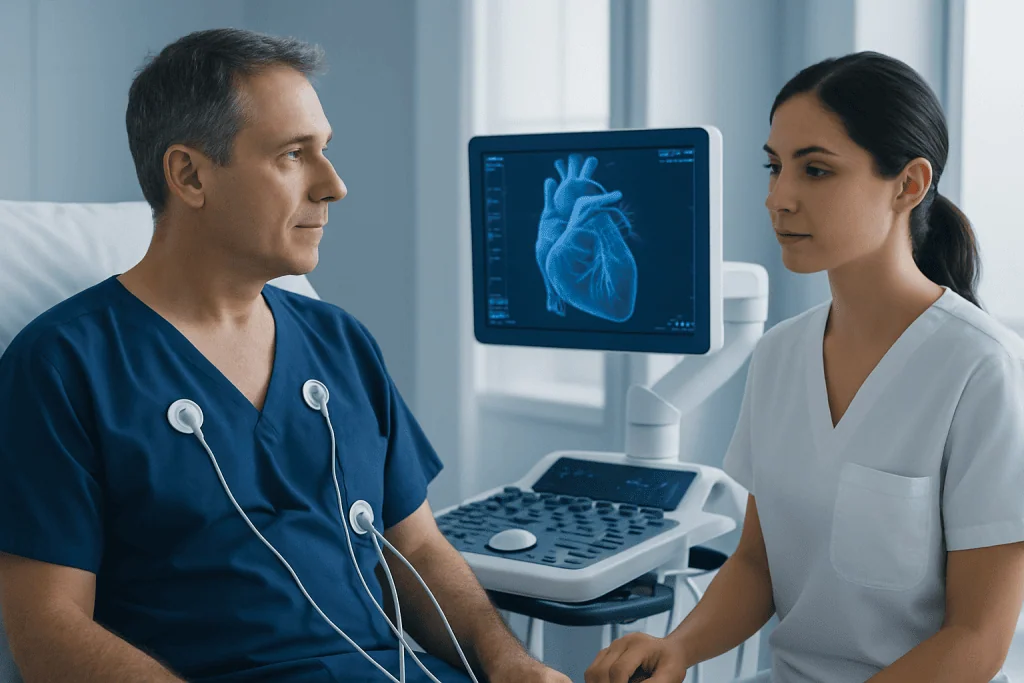
One of the most recognized heart-related causes is angina. Angina occurs when the heart muscle temporarily receives less oxygen-rich blood than it needs, often due to narrowed coronary arteries. Stable angina typically appears during exertion or stress and improves with rest, while unstable angina can occur at rest, last longer, or feel more severe and requires urgent medical assessment.
A heart attack, also called myocardial infarction, happens when blood flow to part of the heart muscle is significantly reduced or blocked. Symptoms can overlap with angina but may be more intense, longer lasting, or accompanied by sweating, nausea, breathlessness, or a feeling of unusual weakness. Not every heart attack presents in the same way, and some patients have mild or atypical symptoms.
Other cardiac causes include pericarditis, which is inflammation of the sac around the heart and may cause sharp pain that changes with position or breathing. Myocarditis, inflammation of the heart muscle, can also cause chest discomfort, fatigue, palpitations, or shortness of breath. Less commonly, aortic dissection, a tear in the wall of the main artery leaving the heart, can cause sudden severe chest or back pain and is a medical emergency.
Warning Signs That Need Emergency Care
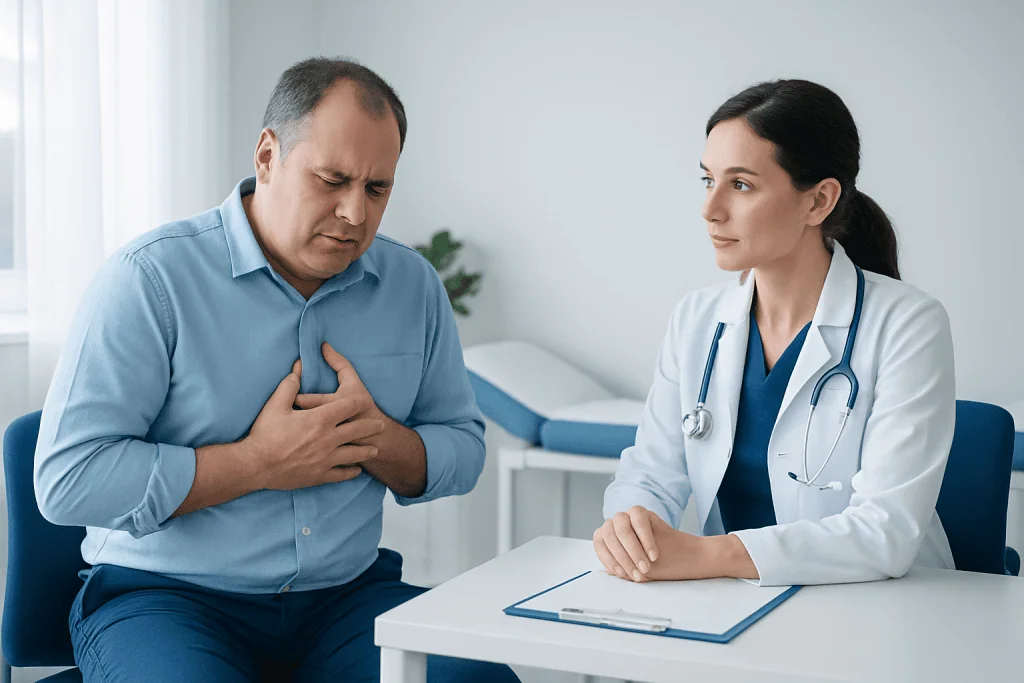
Some chest pain patterns require immediate emergency evaluation. A person should seek urgent help if chest pain is severe, new, unexplained, or lasts more than a few minutes, especially if it occurs at rest or returns repeatedly. It is safer to be assessed promptly than to wait when symptoms could be heart-related.
Emergency warning signs include chest discomfort with shortness of breath, sweating, nausea, vomiting, dizziness, fainting, or sudden extreme fatigue. Pain or pressure that spreads to the left or right arm, shoulder, neck, jaw, back, or upper abdomen may also suggest a cardiac cause. In some people, particularly older adults, people with diabetes, and women, symptoms may be less typical and may include breathlessness, indigestion-like discomfort, or unusual tiredness.
Medical help is also urgent if chest pain follows physical exertion and does not improve with rest, occurs with a fast or irregular heartbeat, or is associated with sudden weakness, confusion, or a sense of impending collapse. A sudden tearing pain in the chest or back, or chest pain with severe breathlessness, should be treated as an emergency.
Risk Factors and Non-Heart Conditions That Can Mimic Cardiac Pain
Doctors consider risk factors when estimating the likelihood of heart-related chest pain. These include high blood pressure, high cholesterol, diabetes, smoking, obesity, kidney disease, a sedentary lifestyle, and a personal or family history of coronary artery disease. Age and previous heart conditions also influence the level of concern and the choice of tests.
Many non-heart conditions can feel similar to cardiac pain. Gastroesophageal reflux disease may cause burning behind the breastbone, while gallbladder disease can cause upper abdominal or chest discomfort after meals. Muscle strain, rib inflammation, shingles, and panic attacks can also cause chest symptoms. Lung-related causes, such as pneumonia or pulmonary embolism, may include chest pain with cough, fever, or breathlessness.
Because symptoms can overlap, patients should avoid self-diagnosing chest pain based only on how it feels. For example, indigestion-like pain can still be heart-related, and sharp pain can sometimes be serious depending on the context. A qualified clinician can combine symptom details with objective tests to make a safer assessment.
How Doctors Evaluate Chest Pain
Evaluation begins with a careful history. The doctor asks where the pain is, how it feels, when it started, how long it lasts, what triggers or relieves it, and whether it spreads anywhere. Associated symptoms such as breathlessness, sweating, nausea, palpitations, fever, cough, or fainting are important. The clinician also reviews medications, allergies, past medical conditions, and cardiovascular risk factors.
A physical examination may include blood pressure, pulse, oxygen level, heart and lung examination, and assessment for signs of fluid retention, poor circulation, or chest wall tenderness. An electrocardiogram, or ECG, is often one of the first tests because it can show changes in heart rhythm or signs that the heart muscle is under stress or injured.
Blood tests may include cardiac troponins, which help detect heart muscle injury. Depending on the situation, doctors may order a chest X-ray, echocardiogram, stress test, coronary CT angiography, or other imaging. In higher-risk cases, coronary angiography may be used to look directly at the heart arteries and guide treatment.
Treatment Options for Heart-Related Chest Pain
Treatment depends on the cause and severity. If a heart attack or unstable angina is suspected, care focuses on restoring blood flow, reducing strain on the heart, preventing clot progression, and monitoring for complications. Medications may be used to relieve symptoms, lower blood pressure, reduce clotting risk, manage cholesterol, and stabilize heart rhythm when needed.
Some patients with narrowed coronary arteries may need a procedure to improve blood flow. Percutaneous coronary intervention, often called angioplasty with stenting, can open a narrowed or blocked artery in selected cases. Coronary artery bypass grafting may be recommended for certain patterns of severe or complex coronary artery disease. The choice depends on anatomy, symptoms, test results, overall health, and patient preferences.
For stable angina, treatment may combine medicines, lifestyle changes, and regular follow-up. The aim is to reduce symptoms, improve daily activity tolerance, and lower the risk of future cardiac events. Patients should not start, stop, or change heart medications without medical advice, because treatment plans are individualized.
Prevention and Self-Care
Prevention focuses on reducing strain on the heart and managing cardiovascular risk factors. Regular medical check-ups can help identify high blood pressure, high cholesterol, and diabetes early. When these conditions are treated consistently, the risk of coronary artery disease and heart-related chest pain can be lowered.
Helpful habits include not smoking, following a heart-supportive eating pattern, staying physically active within safe limits, maintaining a healthy weight, sleeping adequately, and managing stress. People with known heart disease should ask their doctor what level of exercise is safe and whether cardiac rehabilitation is appropriate after a heart event or procedure.
Patients who have been prescribed medicines for blood pressure, cholesterol, diabetes, angina, or clot prevention should take them as directed and attend follow-up appointments. Keeping a record of chest pain episodes, including triggers, duration, associated symptoms, and response to rest or medication, can help the healthcare team adjust the care plan.
When to See a Doctor
Emergency care is needed for chest pain that is severe, persistent, new, or accompanied by shortness of breath, sweating, fainting, nausea, or pain spreading to the arm, jaw, neck, back, or upper abdomen. If a person is unsure whether symptoms are serious, it is appropriate to seek urgent medical advice rather than waiting for symptoms to pass.
A non-urgent appointment is still important for recurring chest discomfort, exertional symptoms, palpitations, unexplained fatigue, or chest pain in someone with cardiovascular risk factors. Early evaluation can clarify the cause and help prevent avoidable complications. Patients with a known heart condition should follow the action plan provided by their cardiologist.
Acibadem International’s multidisciplinary specialists and JCI-accredited hospitals diagnose and treat heart-related chest pain for international patients, including assessment, imaging, interventional cardiology, and follow-up care when appropriate. Any patient with concerning chest pain should seek immediate local emergency care first, especially if symptoms are active.
Frequently asked questions
How can someone tell if chest pain is from the heart?
Heart-related chest pain often feels like pressure, tightness, heaviness, or squeezing rather than a sharp pinpoint pain. It may be triggered by exertion or stress and may spread to the arm, jaw, neck, back, or upper abdomen. However, symptoms vary, so medical evaluation is the safest way to determine the cause.
When is chest pain an emergency?
Chest pain is an emergency if it is severe, persistent, new, or occurs with shortness of breath, sweating, nausea, fainting, dizziness, or pain spreading to the arm, jaw, neck, or back. Pain that occurs at rest or does not improve within a few minutes should also be assessed urgently. Calling emergency services is appropriate when symptoms may be heart-related.
Can heart attack symptoms be mild?
Yes. Some heart attacks cause intense chest pain, but others may cause mild discomfort, indigestion-like symptoms, breathlessness, unusual fatigue, or nausea. Atypical symptoms are more common in some groups, including older adults, people with diabetes, and women. Mild symptoms should still be taken seriously when they are new or unexplained.
What tests are commonly used for chest pain?
Common tests include an electrocardiogram, blood tests for cardiac troponins, and a physical examination with vital signs. Depending on the findings, doctors may recommend a chest X-ray, echocardiogram, stress test, coronary CT angiography, or coronary angiography. The choice of tests depends on risk level and symptom pattern.
Can anxiety cause chest pain?
Anxiety and panic attacks can cause chest tightness, rapid heartbeat, breathlessness, and dizziness. These symptoms can feel similar to heart-related symptoms, especially during a first episode. Because overlap is common, new or concerning chest pain should be evaluated medically before assuming anxiety is the cause.
What should a person do while waiting for emergency help?
The person should stop activity, sit or lie down, and avoid driving themselves to the hospital if symptoms may be cardiac. Emergency dispatchers may provide instructions based on the situation and local protocols. If the person has prescribed emergency heart medication, they should follow the plan previously given by their doctor.
Can lifestyle changes reduce chest pain risk?
Lifestyle changes can reduce the risk of coronary artery disease and may improve stable angina when combined with medical care. Important steps include not smoking, controlling blood pressure, managing cholesterol and diabetes, staying active as advised, and following a balanced eating pattern. Patients with known heart disease should discuss safe exercise and prevention goals with their cardiologist.
This article is for general information only and is not a substitute for professional medical advice. Please consult a qualified doctor about your individual situation.
Explore treatments in Turkey — costs, top hospitals & a free quote
JCI-accredited · board-certified surgeons · reply within 24h
Add us as a Preferred Source to see more of our trusted health content across Google Search, AI Overviews and Discover.
Check your numbers in seconds
BMI, calories, due date, blood pressure and 30+ more clinical calculators — free, instant, doctor-reviewed ranges.

Cardiology Department
Diagnosis and treatment of heart and vascular conditions, from prevention to advanced interventional procedures.
93 specialists in this unitRelated Treatments
Related Conditions
More from the Health Library

Premature Ventricular Contractions: When PVCs Are Benign and When to Treat Them

Coronary Artery Bypass Surgery Success Rates: What Influences Outcomes?

Pacemaker Implantation: Slow Heartbeat Treatment and Follow-Up

Heart Failure: Shortness of Breath, Swelling, and Long-Term Care

Cardiologist vs Heart Doctor: What Cardiology Means and Who to See