Child Life Specialist Internships: An Evidence-Based Patient Guide

Child life internships offer intensive supervised experience in pediatric healthcare settings. Many internships are unpaid, highly competitive, and have specific academic and practicum requirements.
Key Takeaways
- Child life internships offer intensive supervised experience in pediatric healthcare settings.
- Many internships are unpaid, highly competitive, and have specific academic and practicum requirements.
- Interns learn to use play, preparation, coping support, family-centered communication, and bereavement-informed care.
- An internship is generally needed to meet certification requirements for child life specialists in the United States.
- Child life specialists are part of a wider pediatric team and do not replace medical, mental health, or nursing care.
Child life specialist internships are supervised clinical learning experiences that prepare students to support children and families during illness, hospitalization, tests, and treatment. They are usually completed after relevant coursework and a practicum, and are commonly required for eligibility for professional certification in the United States.
Overview: What Are Child Life Specialist Internships?
Child life specialist internships are structured, supervised training placements in hospitals or other pediatric healthcare environments. They help graduate-level or advanced undergraduate students apply child development knowledge to real clinical situations, including hospitalization, diagnostic testing, surgery, long-term illness, emergency care, and end-of-life support.
The central purpose is to teach future child life specialists how to reduce avoidable stress and promote coping for children and families. Interns learn under the guidance of certified child life specialists, working alongside nurses, physicians, psychologists, social workers, therapists, and other members of the pediatric care team.
Although the title can sound like a medical procedure, an internship is an educational placement rather than treatment for a patient. Families may meet an intern during care, but clinical decisions remain the responsibility of qualified healthcare professionals and appropriately supervised staff.
How Child Life Internship Training Works

Programs commonly take place over one academic term and involve a substantial number of supervised clinical hours. The exact schedule, eligibility criteria, number of placements, and learning activities vary by hospital. Applicants should review each program’s current requirements directly, since these can change from one application cycle to another.
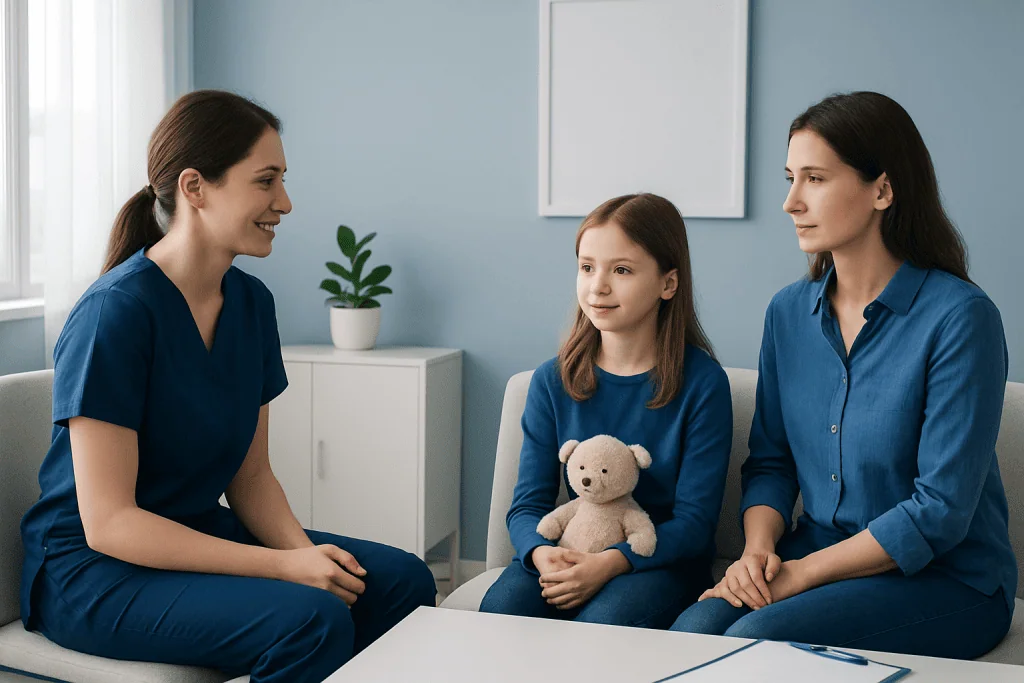
Training typically combines observation, direct family interaction, documentation, case discussion, feedback, and reflective learning. At first, an intern may observe a supervisor preparing a child for a scan or supporting a family before surgery. As competence develops, the intern may lead selected activities with supervision.
Common learning experiences may include:
- Using age-appropriate play to explain healthcare experiences.
- Helping children prepare for imaging, surgery, needles, or other procedures.
- Supporting coping strategies such as breathing, distraction, comfort positioning, and choice-making.
- Communicating with parents, siblings, and multidisciplinary care teams.
- Learning about grief, loss, chronic illness, developmental differences, and family-centered care.
Child life support can be especially valuable for children who require repeated investigations or hospital treatment. Families facing serious illness may also benefit from coordinated pediatric services, including pediatric oncology care when cancer treatment is needed.
Candidacy and Application Preparation
Applicants commonly need coursework in child development, family studies, psychology, healthcare communication, or related subjects. In the United States, the Association of Child Life Professionals sets certification-related requirements that may include particular academic content, supervised clinical experience, and a qualifying internship. Requirements should be verified with the relevant professional organization and with each internship site.
Many programs expect applicants to have completed a child life practicum before applying. A practicum is usually a shorter introductory placement focused on observation and basic supervised learning, while an internship provides more extensive direct clinical training and assessment.
Strong candidates generally show sustained experience with children and families in appropriate settings, professionalism, cultural humility, dependable communication, and the ability to learn from feedback. Experience may come from schools, childcare settings, disability support services, community programs, camps, bereavement services, or volunteering in pediatric healthcare, depending on local policies.
Applicants should avoid assuming that one type of experience guarantees a place. A carefully prepared application, accurate documentation, thoughtful references, and an understanding of family-centered pediatric care are important. It is also sensible to apply only to programs that match academic eligibility and scheduling needs.
What Happens During an Internship: Step by Step
Before the placement begins, the intern usually completes onboarding requirements such as health screening, confidentiality education, safeguarding training, and orientation to hospital policies. This process helps protect patients, families, staff, and the intern. A supervisor then outlines learning goals and explains the clinical areas where the intern may work.
During the early phase, the intern observes child life assessments and interventions. They learn how the team considers a child’s age, developmental stage, communication needs, previous medical experiences, culture, family preferences, and current symptoms when planning support.
In the active training phase, interns gradually participate in supervised patient support. For example, they may use medical play before a procedure, provide coping coaching during a test, help parents communicate with a child about an admission, or offer sibling support. The supervisor reviews the work, provides feedback, and adjusts responsibilities according to the intern’s progress.
Near the end of the placement, the intern is expected to demonstrate more independent clinical reasoning within the agreed scope of supervision. They may complete a final evaluation, portfolio, presentation, or case reflection. Completion of an internship does not itself make a person certified; additional professional requirements may still apply.
Do You Get Paid for a Child Life Specialist Internship?
Many child life specialist internships are unpaid educational placements, particularly those designed to meet clinical training requirements. However, policies differ by institution, region, funding model, and local employment law. Some programs may offer limited stipends, housing guidance, meals, transportation support, or other assistance, while others do not.
Applicants should never assume that an internship is paid or that unpaid work will be financially feasible. It is appropriate to ask each program about compensation, benefits, insurance requirements, expected hours, and whether the placement can be completed alongside paid work or academic commitments.
Because internship schedules can be demanding, planning may include discussing university credit, financial aid, travel, accommodation, childcare, and living expenses well before accepting a placement. Students should use only official program information and seek advice from their academic department when needed.
How Difficult Is It to Get a Child Life Internship?
Child life internships can be difficult to obtain because the number of qualified applicants may exceed the number of available positions. Hospitals need to maintain close supervision and protect patient safety, so each site can accept only a limited number of interns at one time.
Competitiveness does not mean that an applicant is unsuitable for the profession. Timing, geographic flexibility, academic eligibility, practicum experience, interview preparation, and a program’s particular patient population can all affect selection decisions. Some applicants need more than one application cycle before securing a placement.
Preparation can improve readiness. Helpful steps include completing required coursework early, gaining meaningful experience with children and families, developing reflective communication skills, requesting references from people who know the applicant’s work, and tailoring application materials honestly to each program. Applicants should also be prepared to learn from feedback and pursue additional development if needed.
Can You Be a Child Life Specialist Without an Internship?
In the United States, completing a qualifying child life internship is generally an important requirement for individuals seeking Certified Child Life Specialist credentialing. Employers often prefer or require certification eligibility or certification, particularly in hospital-based roles. Therefore, an internship is usually a key part of the professional pathway rather than an optional extra.
Requirements can differ outside the United States and may evolve over time. A person interested in this career should check the regulations, credentialing expectations, and job descriptions in the country or region where they plan to work.
Related roles may support children in healthcare, education, recreation, counseling, or social services without being child life specialist positions. These professions have their own qualifications and scopes of practice. It is important to represent credentials accurately and not provide specialized child life services independently without appropriate training and supervision.
What Skills Are Needed to Be a Child Life Specialist?
Child life specialists need a balanced set of interpersonal, developmental, and clinical-support skills. They must understand that children respond to healthcare differently depending on age, temperament, developmental needs, previous experiences, symptoms, and family circumstances. They use this understanding to adapt explanations and coping plans.
Important skills include clear communication, active listening, empathy, emotional steadiness, play facilitation, observation, teamwork, organization, and professional boundaries. Cultural humility is also essential, as families may have different beliefs, languages, support networks, and ways of discussing illness.
Clinical environments can change quickly, so child life specialists need flexibility and sound judgment. They must know when to involve a supervisor or refer to another professional, such as a nurse, physician, psychologist, social worker, or safeguarding team. Children with complex neurological conditions, for example, may need coordinated support through services such as pediatric neurology care.
The role also requires resilience, but resilience does not mean managing difficult emotions alone. Supervision, peer support, reflective practice, and healthy boundaries are important parts of safe and sustainable professional practice.
Benefits, Limits, and Family Safety
Child life services may help children feel better prepared, more involved, and more able to cope with healthcare experiences. Preparation and therapeutic play can make unfamiliar equipment or environments easier to understand. Support for parents and siblings may also improve communication and help families identify practical coping strategies.
Benefits vary from person to person and depend on the child’s health needs, developmental stage, urgency of care, previous experiences, and available support. Child life interventions do not remove pain, replace sedation or anesthesia when medically indicated, or substitute for psychological treatment when a child has significant mental health needs.
There are few direct physical risks from child life support, but communication must be handled carefully. Inaccurate reassurance, information that is not appropriate for a child’s developmental level, or insufficient attention to family preferences may reduce trust. Qualified supervision, collaboration with the medical team, and consent-aware, individualized communication help reduce these concerns.
At Acibadem International, multidisciplinary specialists in JCI-accredited hospitals can coordinate pediatric care for international patients, including support around treatment planning and hospital experiences when appropriate.
When to Seek Medical Care
A child life internship is not a source of medical diagnosis or urgent medical advice. Parents and caregivers should contact a qualified clinician if a child has symptoms that are new, severe, worsening, or worrying, particularly breathing difficulty, persistent severe pain, confusion, seizures, dehydration, significant injury, or concerns about safety.
Emergency services should be used for symptoms that may be life-threatening or when a child appears seriously unwell. Families should follow the emergency guidance in their local area and should not delay urgent care while looking for emotional-support services.
For non-urgent concerns about a child’s fear of appointments, repeated medical procedures, adjustment to a diagnosis, or coping during hospitalization, parents can ask the pediatric team whether child life, psychology, social work, or other family-support services are available. Children receiving complex care may also benefit from integrated pediatric surgical care when surgery is part of their treatment plan.
Frequently asked questions
What is the difference between a child life practicum and an internship?
A practicum is usually an introductory clinical learning experience with observation and limited supervised participation. An internship is typically longer, more intensive, and includes greater responsibility for supervised child life interventions. Specific structures vary by institution.
How long does a child life internship last?
Length varies by program, but internships often occur over an academic term and require extensive clinical hours. Applicants should check the current information from each hospital or training site. Academic calendars and supervision availability can affect dates.
Do child life interns work directly with patients?
Yes, interns may work directly with children and families, but they do so under supervision and within a defined learning role. Their responsibilities increase gradually as they demonstrate readiness. Clinical staff remain responsible for medical care and patient safety.
Can international students apply for child life internships?
Some programs may accept international students, while others may have restrictions related to visas, university affiliation, language proficiency, health documentation, or local regulations. Applicants should ask each site directly about eligibility. It is important to plan immigration and financial arrangements early.
What should parents expect from a child life specialist?
A child life specialist may help a child understand healthcare experiences through conversation, play, preparation, and coping support. They may also guide parents on developmentally appropriate communication and support siblings when services are available. They do not replace the child's doctor, nurse, therapist, or mental health professional.
Is child life support only for children having surgery?
No. Child life support may be used in outpatient clinics, imaging departments, emergency care, intensive care, cancer services, rehabilitation, and other healthcare settings. The type of support depends on the child's needs and the services available at the facility.
References
- Association of Child Life Professionals
- American Academy of Pediatrics
- Society of Pediatric Psychology
- National Association of Child Care Resource and Referral Agencies
This article is for general information only and is not a substitute for professional medical advice. Please consult a qualified doctor about your individual situation.
Explore treatments in Turkey — costs, top hospitals & a free quote
JCI-accredited · board-certified surgeons · reply within 24h
Add us as a Preferred Source to see more of our trusted health content across Google Search, AI Overviews and Discover.